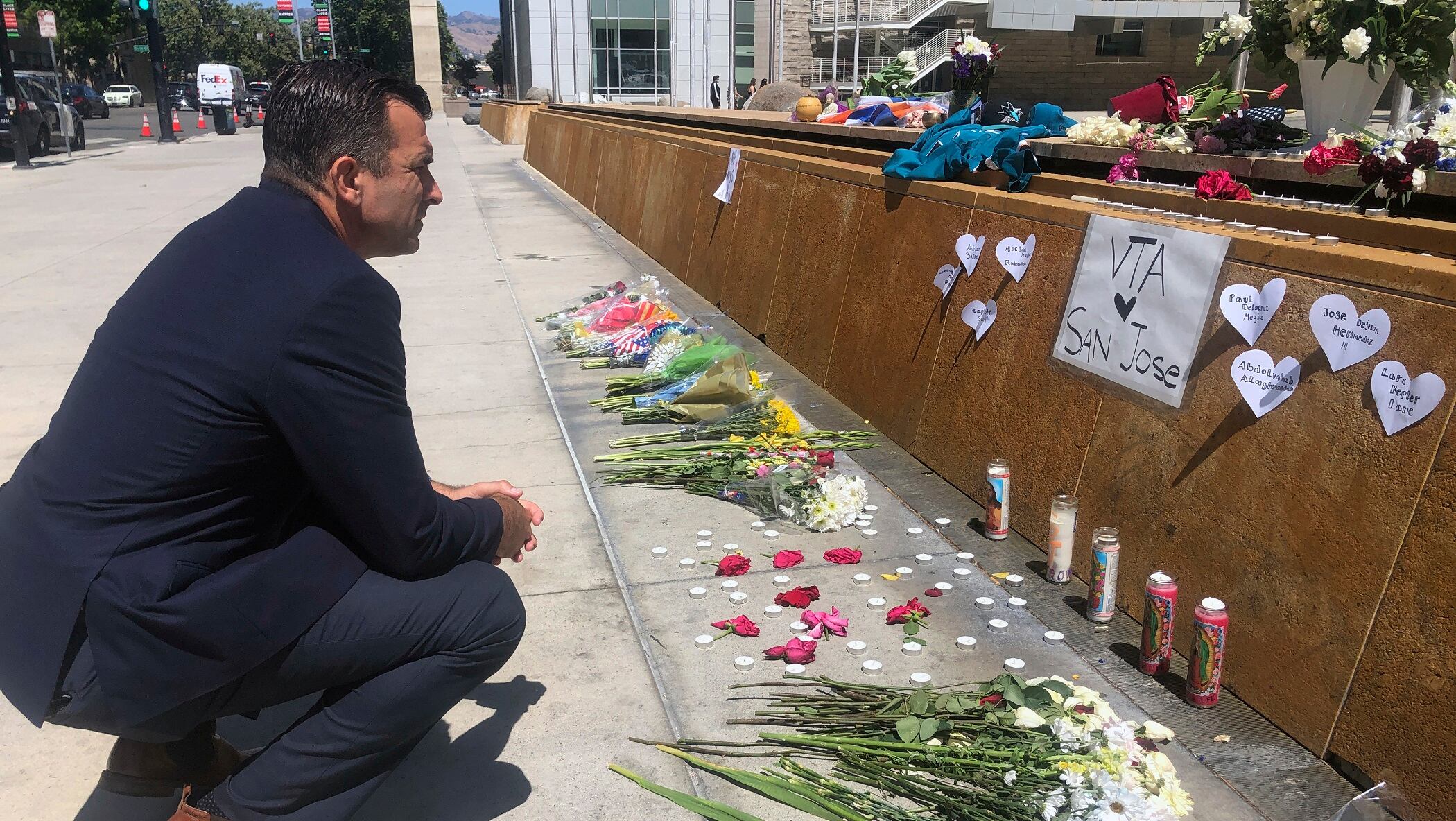
A California city voted Tuesday night to require gun owners to carry liability insurance in what’s believed to be the first measure of its kind in the United States.
The San Jose City Council overwhelmingly approved the measure despite opposition from gun owners who said it would violate their Second Amendment rights and promised to sue.
The Silicon Valley city of about 1 million followed a trend of other Democratic-led cities that have sought to rein in violence through stricter rules. But while similar laws have been proposed, San Jose is the first city to pass one, according to Brady United, a national nonprofit that advocates against gun violence.
Council members, including several who had lost friends to gun violence, said it was a step toward dealing with gun violence that Councilman Sergio Jimenez called “a scourge on our society."
Having liability insurance would encourage people in the 55,000 households in San Jose who legally own at least one registered gun to have gun safes, install trigger locks and take gun safety classes, Mayor Sam Liccardo said.
The liability insurance would cover losses or damages resulting from any accidental use of the firearm, including death, injury, or property damage, according to the ordinance. If a gun is stolen or lost, the owner of the firearm would be considered liable until the theft or loss is reported to authorities.
However, gun owners who don't have insurance won't lose their guns or face any criminal charges, the mayor said.
The council also voted to require gun owners to pay an estimated $25 fee, which would be collected by a yet-to-be-named nonprofit and doled out to community groups to be used for firearm safety education and training, suicide prevention, domestic violence, and mental health services.
The proposed ordinance is part of a broad gun control plan that Liccardo announced following the May 26 mass shooting at the Santa Clara Valley Transportation Authority rail yard that left nine people dead, including the employee who opened fire on his colleagues then killed himself.
At an hours-long meeting, critics argued that the fee and liability requirements violated their right to bear arms and would do nothing to stop gun crimes, including the use of untraceable, build-it-yourself “ghost guns."
“You cannot tax a constitutional right. This does nothing to reduce crime,” one speaker said.
The measure didn't address the massive problem of illegally obtained weapons that are stolen or purchased without background checks.
Liccardo acknowledged those concerns.
“This won’t stop mass shootings and keep bad people from committing violent crime,” the mayor said, but added most gun deaths nationally are from suicide, accidental shootings or other causes and even many homicides stem from domestic violence.
Liccardo also said gun violence costs San Jose taxpayers $40 million a year in emergency response services.
Some speakers argued that the law would face costly and lengthy court challenges.
Before the vote, Sam Paredes, executive director of Gun Owners of California, said his group would sue if the proposal takes effect, calling it “totally unconstitutional in any configuration.”
However, Liccardo said some attorneys had already offered to defend the city pro bono.
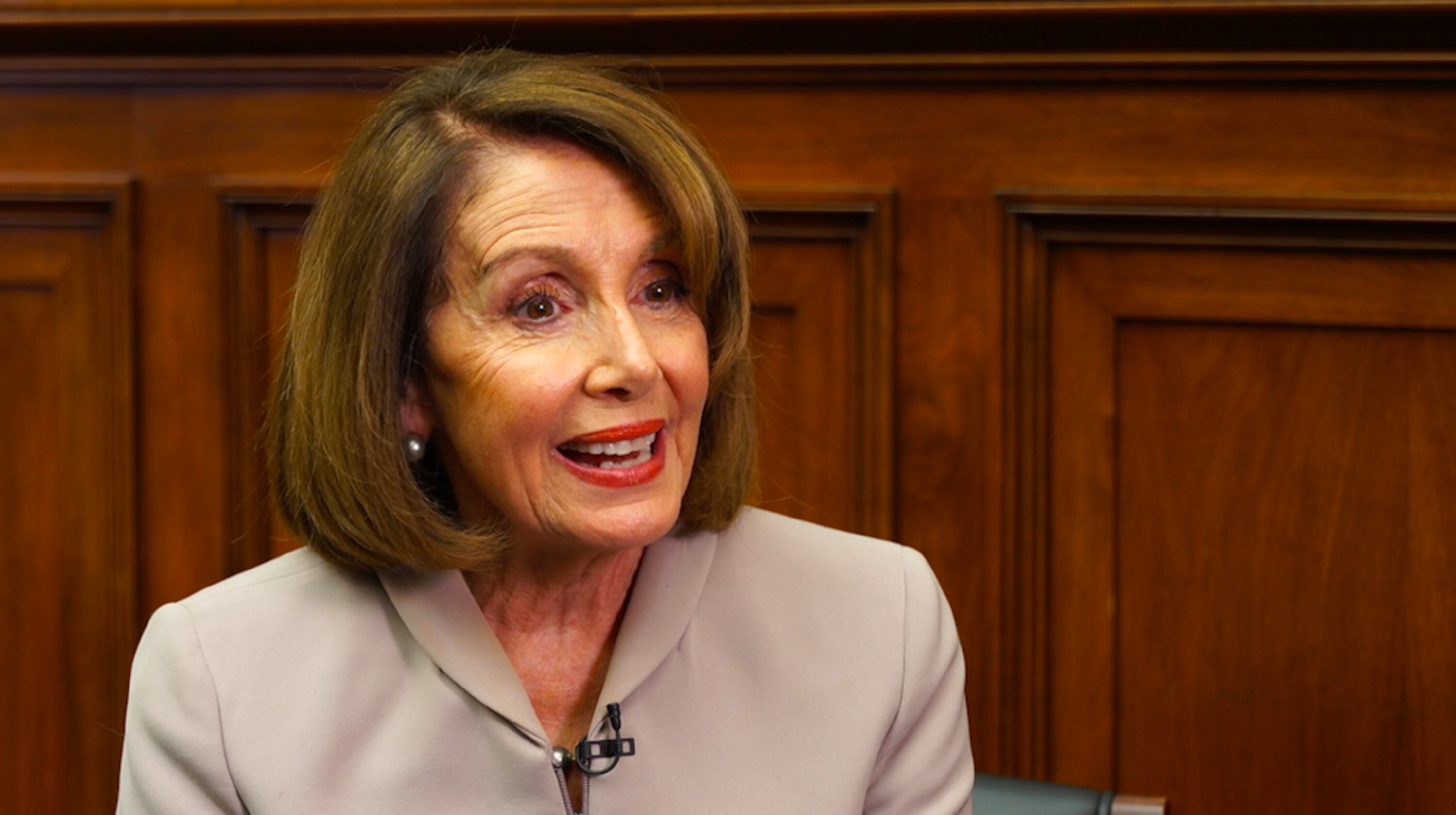
Young Americans face a double burden from crushing student debt and the ballooned federal deficit that is the result of President Trump's tax cut, House Speaker Nancy Pelosi told Cheddar's J.D. Durkin in an interview that aired Wednesday. Pelosi called the economic position many millennials find themselves in, even as the economy remains strong, "unconscionable." "Republicans foisted onto future generations [an] economy that is unfair, that is not really lending itself to growth in a strong, predictable, confident, certain way," Pelosi said.
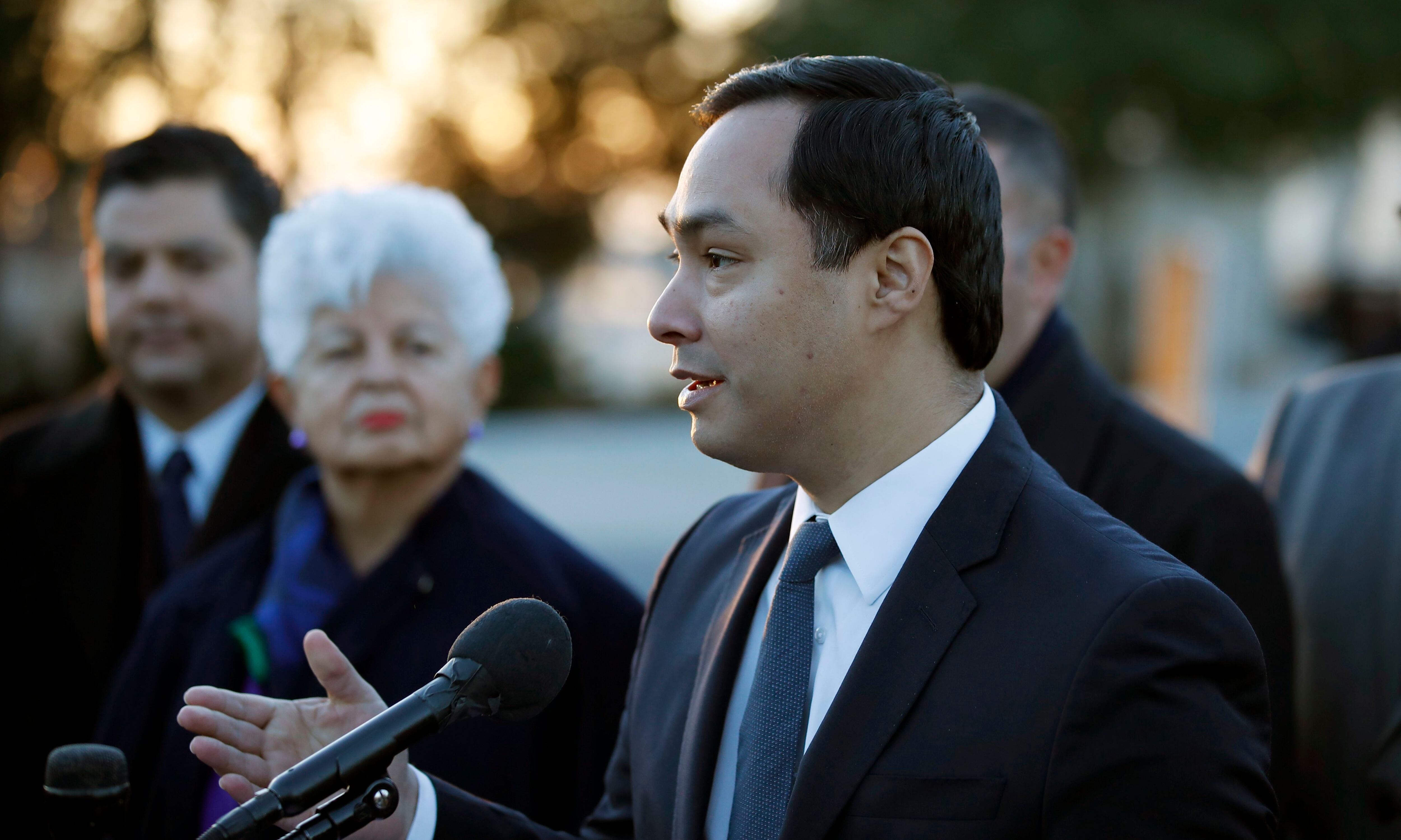
The newly appointed vice chairman of the House Foreign Affairs Committee, Rep. Joaquin Castro (D-Tex.), said he is "absolutely" concerned that Chinese telecommunication giant Huawei poses a threat to national security in an interview on Cheddar Tuesday.
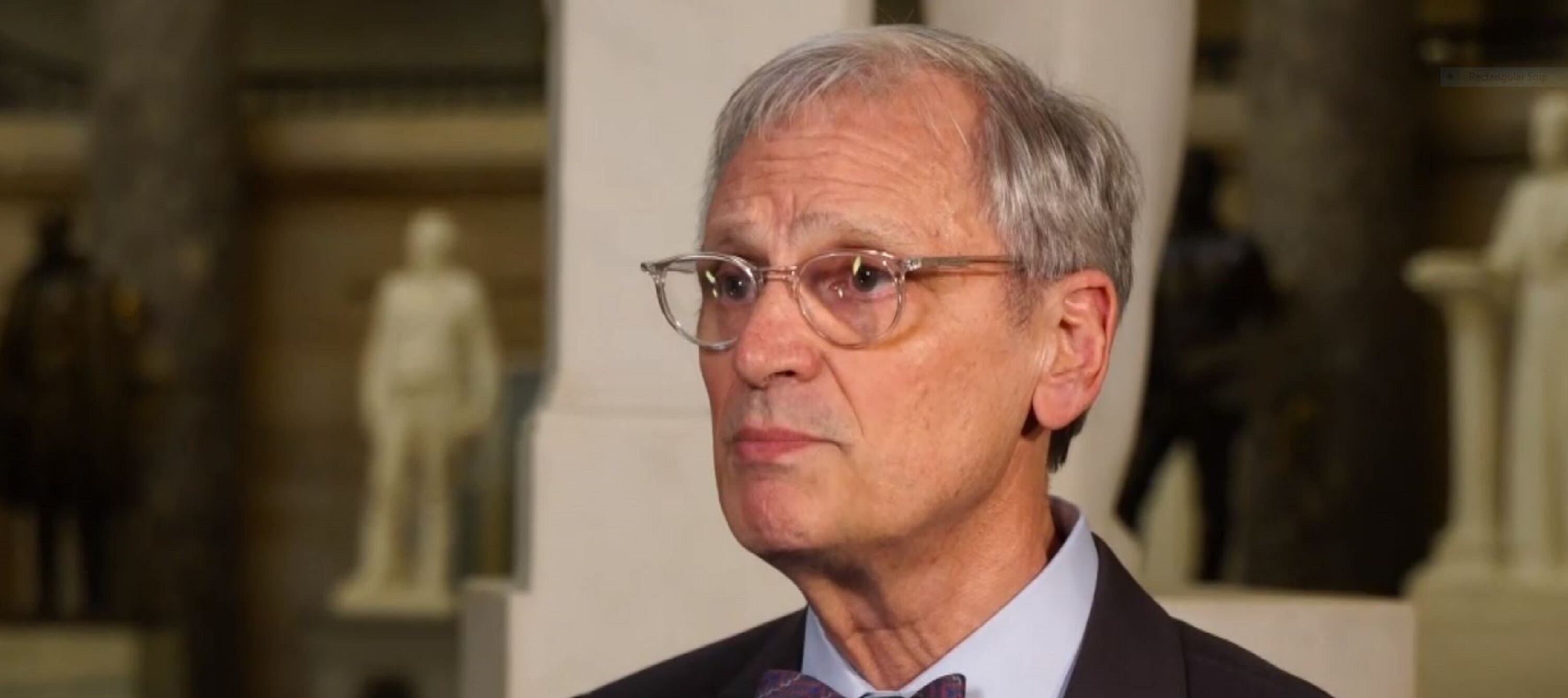
Democratic Rep. Earl Blumenauer of Oregon is pushing forward for marijuana reform, introducing the aptly named House Resolution 420 to regulate marijuana much like alcohol was regulated post-Prohibition. "Ultimately we're going to be moving in that direction, allowing the states to be able to set up a regulatory system that meets their needs ー have their own approach in terms of taxation and distribution, just like alcohol," Blumenauer told Cheddar Tuesday. "
The cannabis business is budding across the United States, and one company is hoping to take hemp mainstream. Socati just announced a new $33 million round of funding. The company's CEO Josh Epstein talked to Cheddar about how that investment will help Socati expand is business.
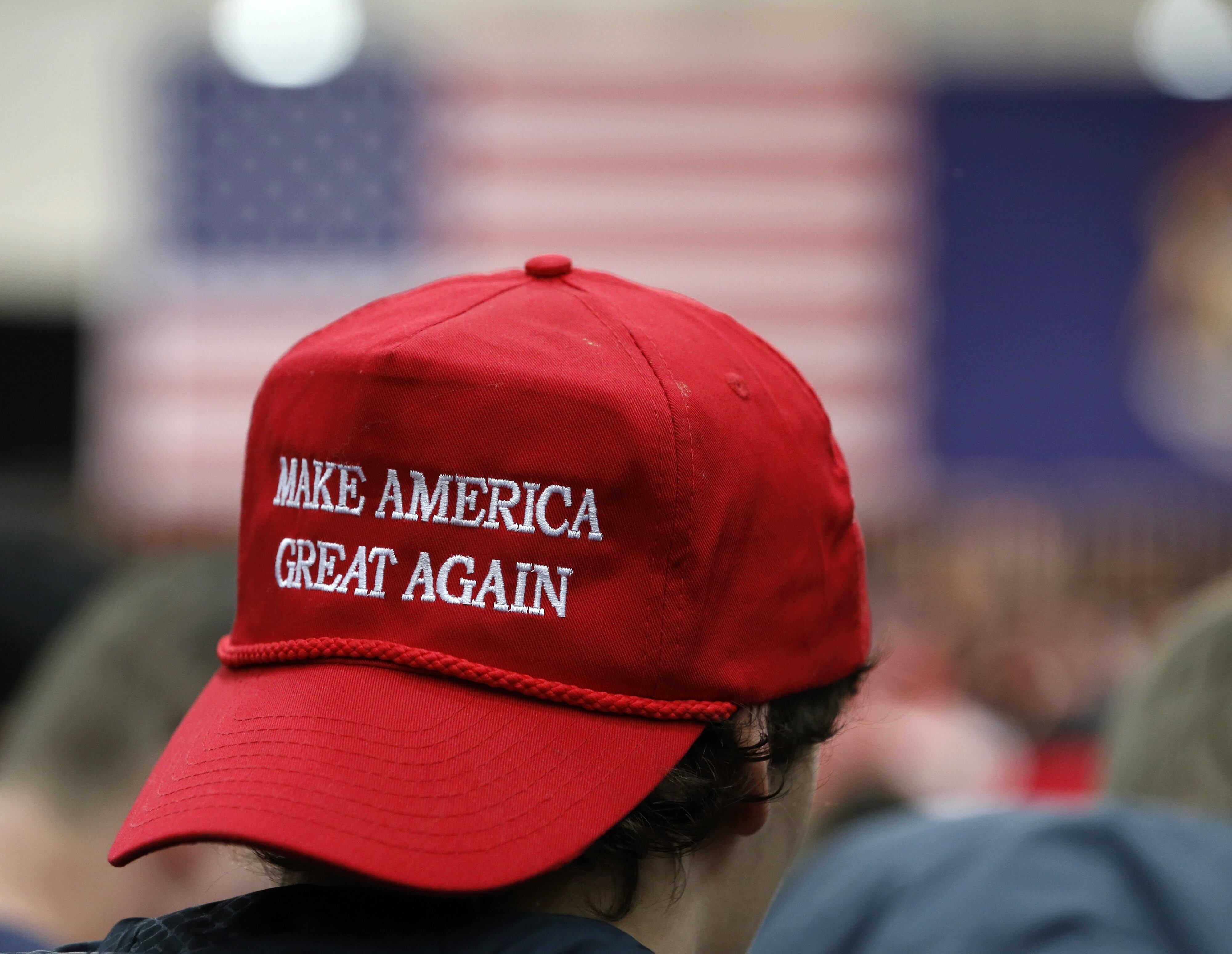
President Trump's "Make America Great Again" cap is more than just a hat, it's a "symbol of us vs. them," Washington Post fashion editor Robin Givhan told Cheddar. Givhan penned a column last week about what the hat has come to mean in the years since it burst on the scene as a campaign accessory for Trump's 2016 presidential bid. The hat, she wrote, has become "a symbol of us vs. them, of exclusion and suspicion, of garrulous narcissism, of white male privilege, of violence and hate."
Between changes in the tax code and the government shutdown, H&R Block knows this year's tax season is likely to be stressful for many. That's why the company's introducing a slate of tools, some artificial intelligence-enabled, to help make it easier and more transparent to file. "This year we are introducing upfront, transparent pricing, so every single consumer will know what's it going to cost before I start," H&R Block CEO Jeff Jones told Cheddar.
These are the headlines you Need 2 Know for Tuesday, Jan. 29, 2019.
The battle of the billionaires may be heating up ahead of the 2020 presidential race, as former mayor and media mogul Michael Bloomberg took a swipe at ex-Starbucks CEO Howard Schultz after he announced a potential run for president as an independent during an interview on "60 Minutes" Sunday. The two billionaires are looking in part to capitalize on their corporate success to gain an edge against President Trump, who leveraged his business career to gain the presidency. "Anything is really possible at this point, and you don't want to ignore a white billionaire announcing a candidacy for president," Julia Manchester, reporter at The Hill, told Cheddar Monday. "We saw it happen in 2015 and \[Trump]\ won."
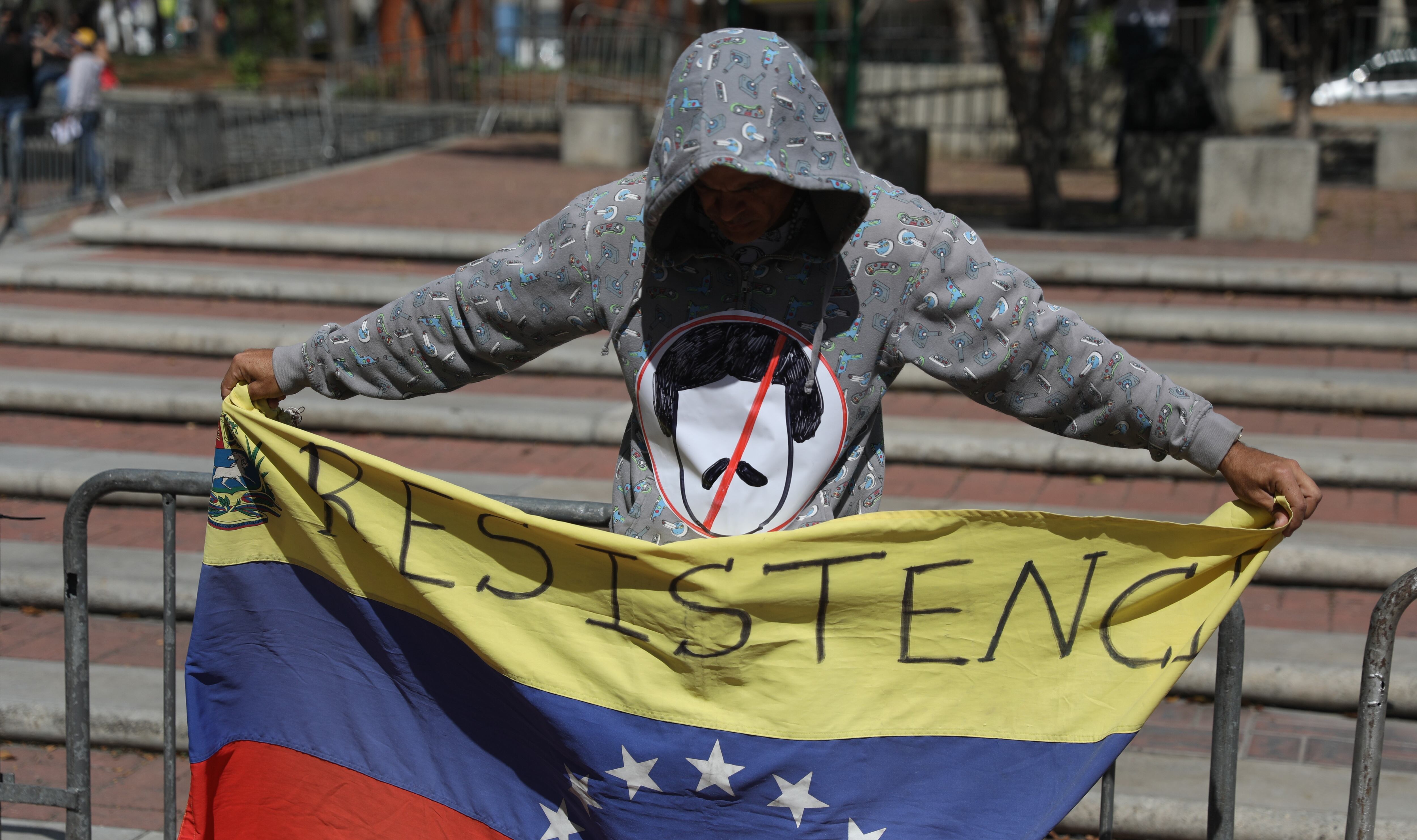
The U.S. Treasury on Monday announced sanctions against Venezuela's state-owned oil firm in an effort to undermine incumbent president Nicolás Maduro and reinforce support for interim president Juan Guaidó. Brett Bruen, a former diplomat and director of global engagement under President Obama, called the administration's decision a "rare bright spot" in Trump's foreign policy. "The Trump administration is holding firm to defend democracy, they are standing up for human rights, they are standing up for the rule of law," Bruen told Cheddar Monday.
Trump's political calculus to appeal to his base ー an older, whiter, more conservative demographic ー is coming at the expense of his popularity among millennials, said Kristen Soltis Anderson, a Republican pollster and author of "The Selfie Vote: Where Millennials Are Leading America." That poses a problem for the GOP as it seeks to broaden its tent in anticipation of a future when Donald Trump is not on the ballot.