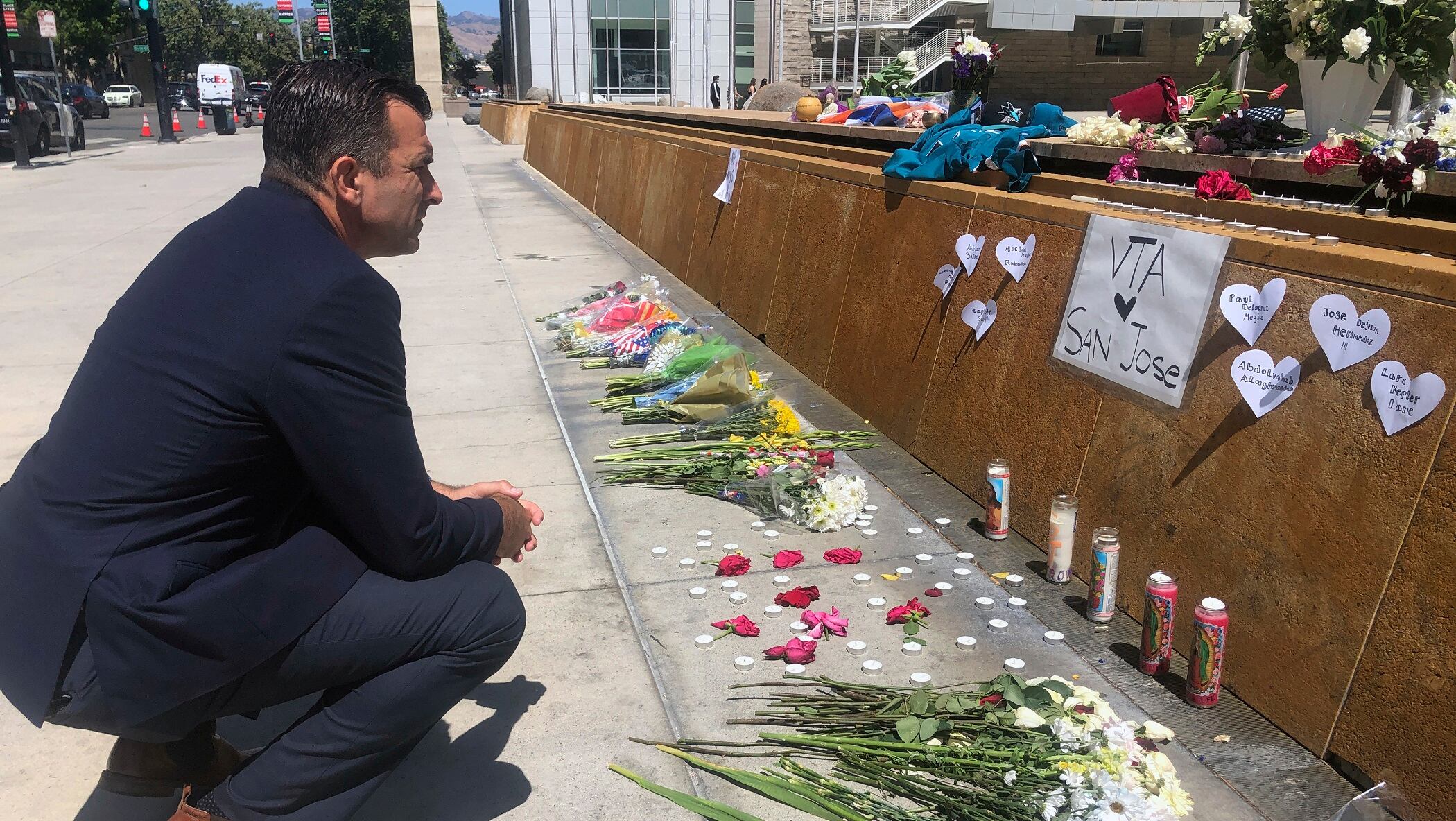
San Jose Mayor Sam Liccardo stops to view a makeshift memorial for the rail yard shooting victims in front of City Hall in San Jose, Calif., on May 27, 2021. Gun owners would be required to carry liability insurance and pay a fee under a proposed ordinance in the city of San Jose that officials say would be the first of its kind in the United States. Mayor Liccardo says it would also encourage the 5,500 households with a legally registered gun to have gun safes, trigger locks, and to take gun safety classes. (AP Photo/Haven Daley, File)
A California city voted Tuesday night to require gun owners to carry liability insurance in what’s believed to be the first measure of its kind in the United States.
The San Jose City Council overwhelmingly approved the measure despite opposition from gun owners who said it would violate their Second Amendment rights and promised to sue.
The Silicon Valley city of about 1 million followed a trend of other Democratic-led cities that have sought to rein in violence through stricter rules. But while similar laws have been proposed, San Jose is the first city to pass one, according to Brady United, a national nonprofit that advocates against gun violence.
Council members, including several who had lost friends to gun violence, said it was a step toward dealing with gun violence that Councilman Sergio Jimenez called “a scourge on our society."
Having liability insurance would encourage people in the 55,000 households in San Jose who legally own at least one registered gun to have gun safes, install trigger locks and take gun safety classes, Mayor Sam Liccardo said.
The liability insurance would cover losses or damages resulting from any accidental use of the firearm, including death, injury, or property damage, according to the ordinance. If a gun is stolen or lost, the owner of the firearm would be considered liable until the theft or loss is reported to authorities.
However, gun owners who don't have insurance won't lose their guns or face any criminal charges, the mayor said.
The council also voted to require gun owners to pay an estimated $25 fee, which would be collected by a yet-to-be-named nonprofit and doled out to community groups to be used for firearm safety education and training, suicide prevention, domestic violence, and mental health services.
The proposed ordinance is part of a broad gun control plan that Liccardo announced following the May 26 mass shooting at the Santa Clara Valley Transportation Authority rail yard that left nine people dead, including the employee who opened fire on his colleagues then killed himself.
At an hours-long meeting, critics argued that the fee and liability requirements violated their right to bear arms and would do nothing to stop gun crimes, including the use of untraceable, build-it-yourself “ghost guns."
“You cannot tax a constitutional right. This does nothing to reduce crime,” one speaker said.
The measure didn't address the massive problem of illegally obtained weapons that are stolen or purchased without background checks.
Liccardo acknowledged those concerns.
“This won’t stop mass shootings and keep bad people from committing violent crime,” the mayor said, but added most gun deaths nationally are from suicide, accidental shootings or other causes and even many homicides stem from domestic violence.
Liccardo also said gun violence costs San Jose taxpayers $40 million a year in emergency response services.
Some speakers argued that the law would face costly and lengthy court challenges.
Before the vote, Sam Paredes, executive director of Gun Owners of California, said his group would sue if the proposal takes effect, calling it “totally unconstitutional in any configuration.”
However, Liccardo said some attorneys had already offered to defend the city pro bono.
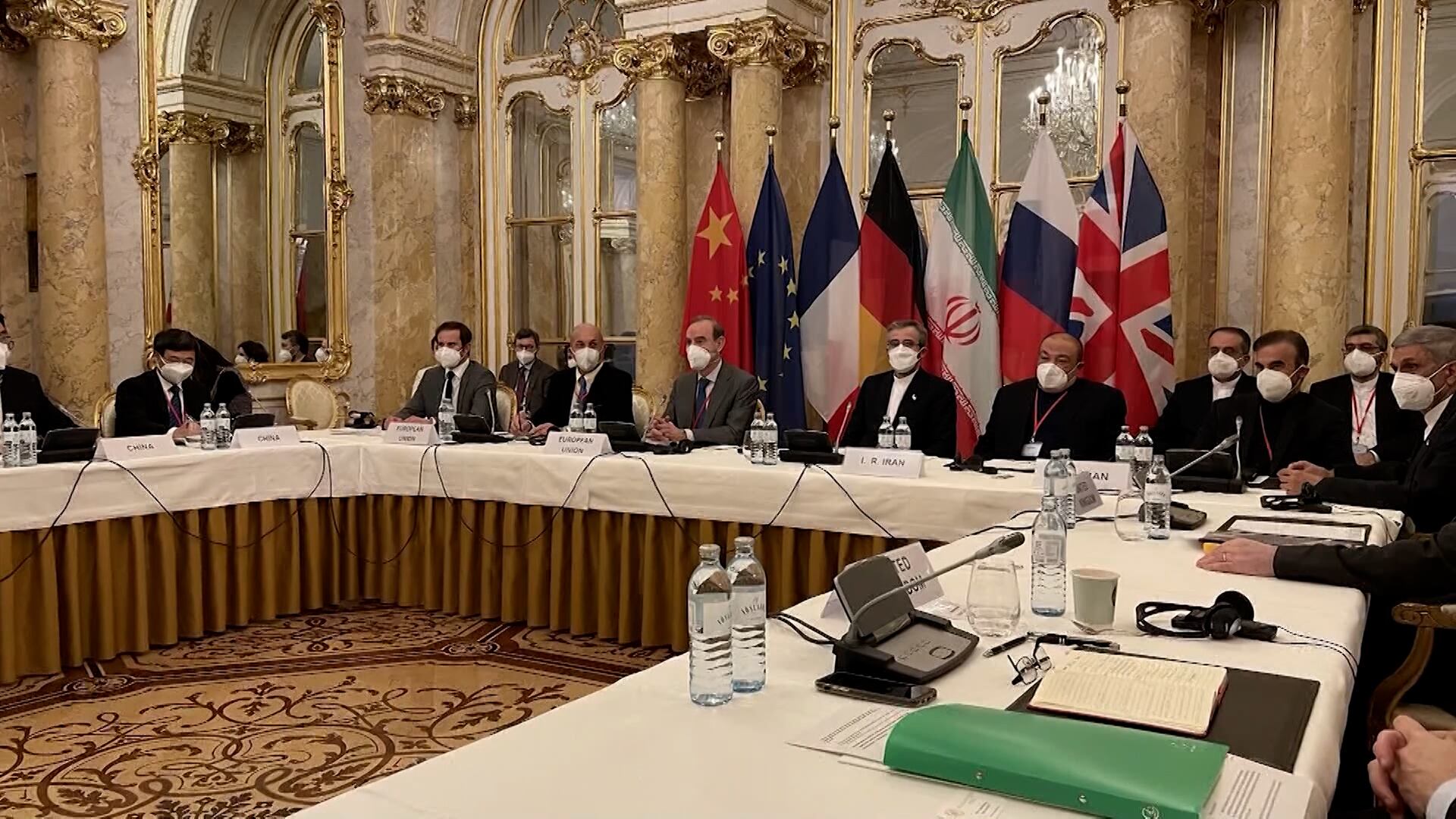
The U.S. is back in negotiations for a nuclear deal with Iran, years after former President Donald Trump withdrew the country from the Joint Comprehensive Plan of Action (JCPOA), which had been meant to curtail the Middle Eastern nation's nuclear ambitions. Former State Department senior advisor to the George W. Bush and Trump administrations, Christian Whiton, joined Cheddar News Wrap to discuss. “It appears to be very similar to the original JCPOA, which does put some constraints on Iran's nuclear program, but also has sunset provisions, including some that in the original plan were expected to take effect in 2025," he said. "And so, if we just reenter that plan, really it just buys perhaps a few years of slowing down, stopping, whatever you want to say, Iran's nuclear program."
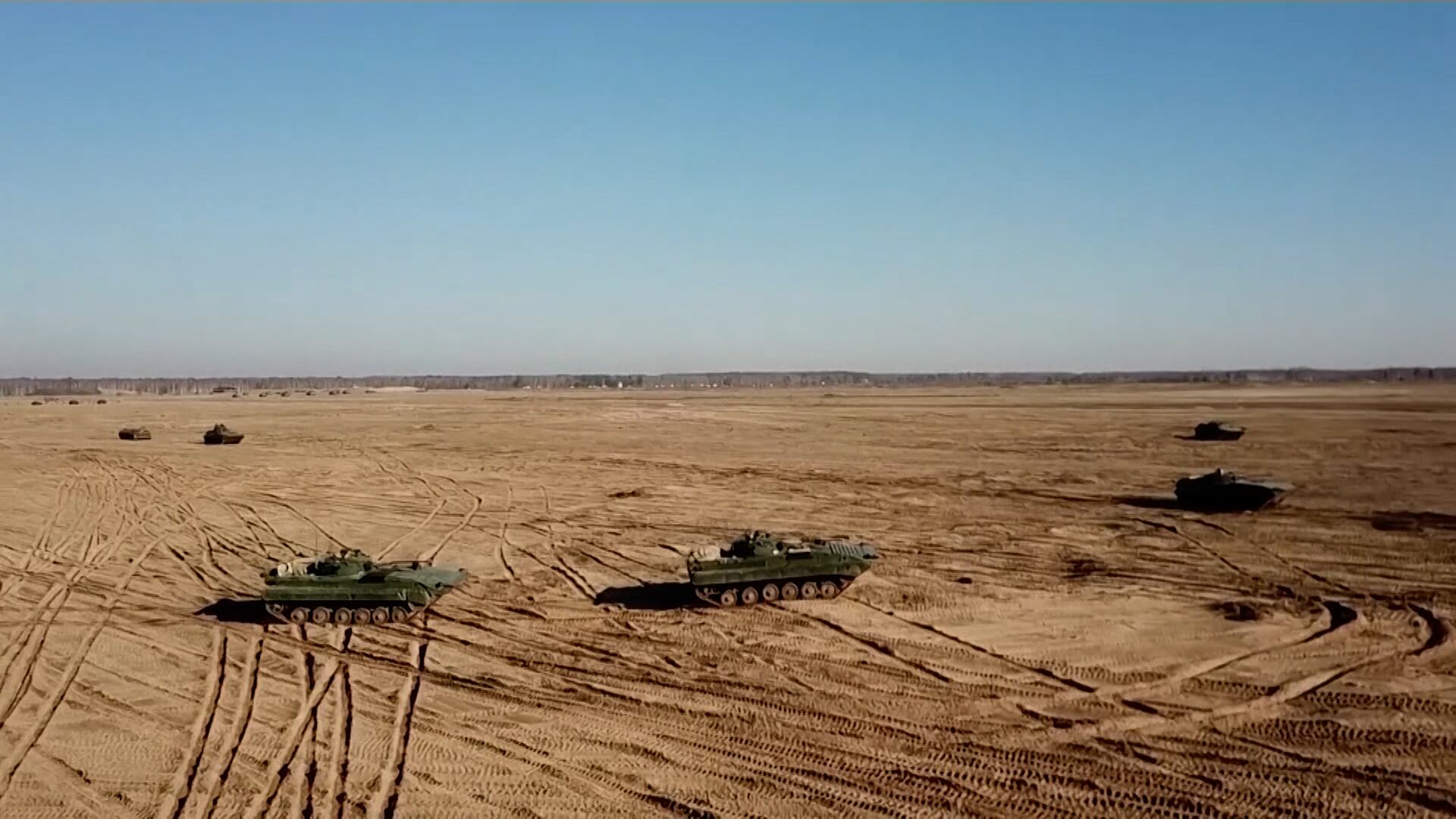
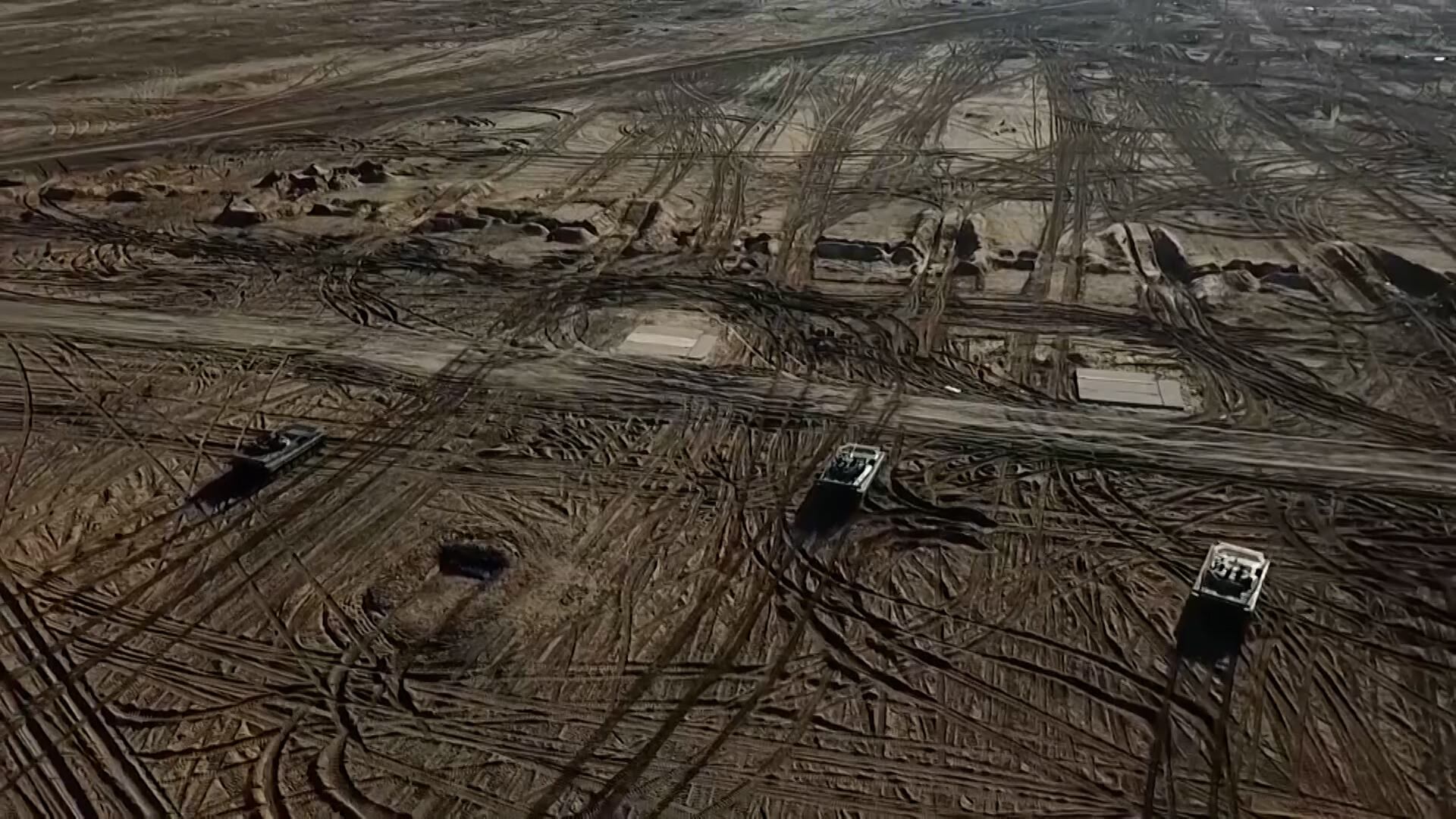
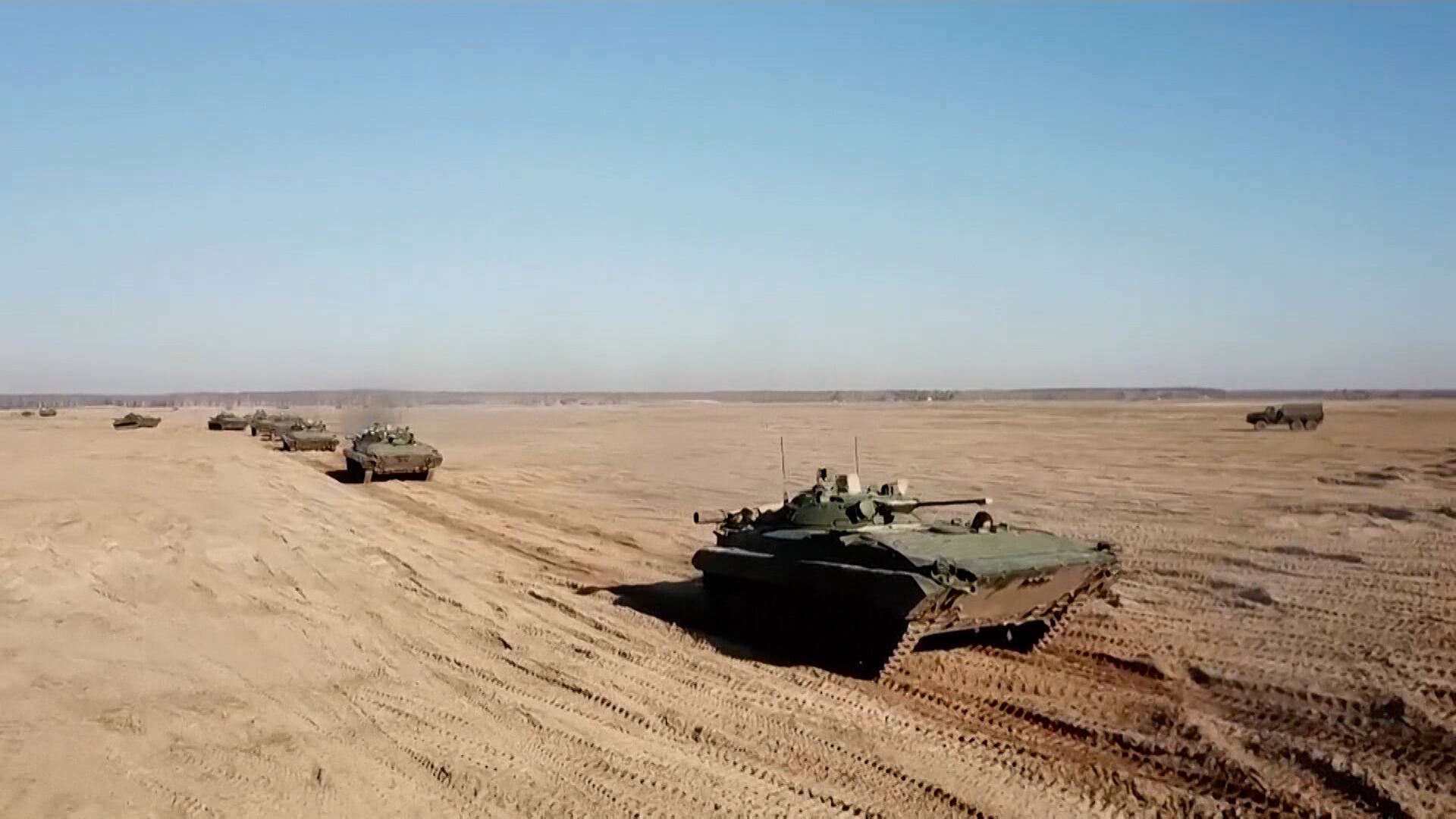
The U.S. has announced the first of what could be multiple levels of sanctions against Russia after Moscow recognized two regions of Ukraine as independent. This comes as Britain imposes sanctions on five Russian banks and two oligarchs, and Germany freezes the Nord Stream gas pipeline. Terrell Star, a foreign affairs reporter at The Atlantic Council, joins from Kyiv to discuss.
Growing tensions in Ukraine might soon be impacting consumers in the United States. With Russia on an invasion footing in the region, gas prices are predicted to go up 10 to 15 cents a gallon in the next coming weeks, according to Robert Sinclair, spokesperson for AAA. Sinclair joined Cheddar to break down what could happen even further. "We've been seeing prices go up, and there's been nothing that's happened to affect supplies," he said. "But it's something known as the fear tax where just the talk of something that might interfere with supplies leads to prices going up speculatively."
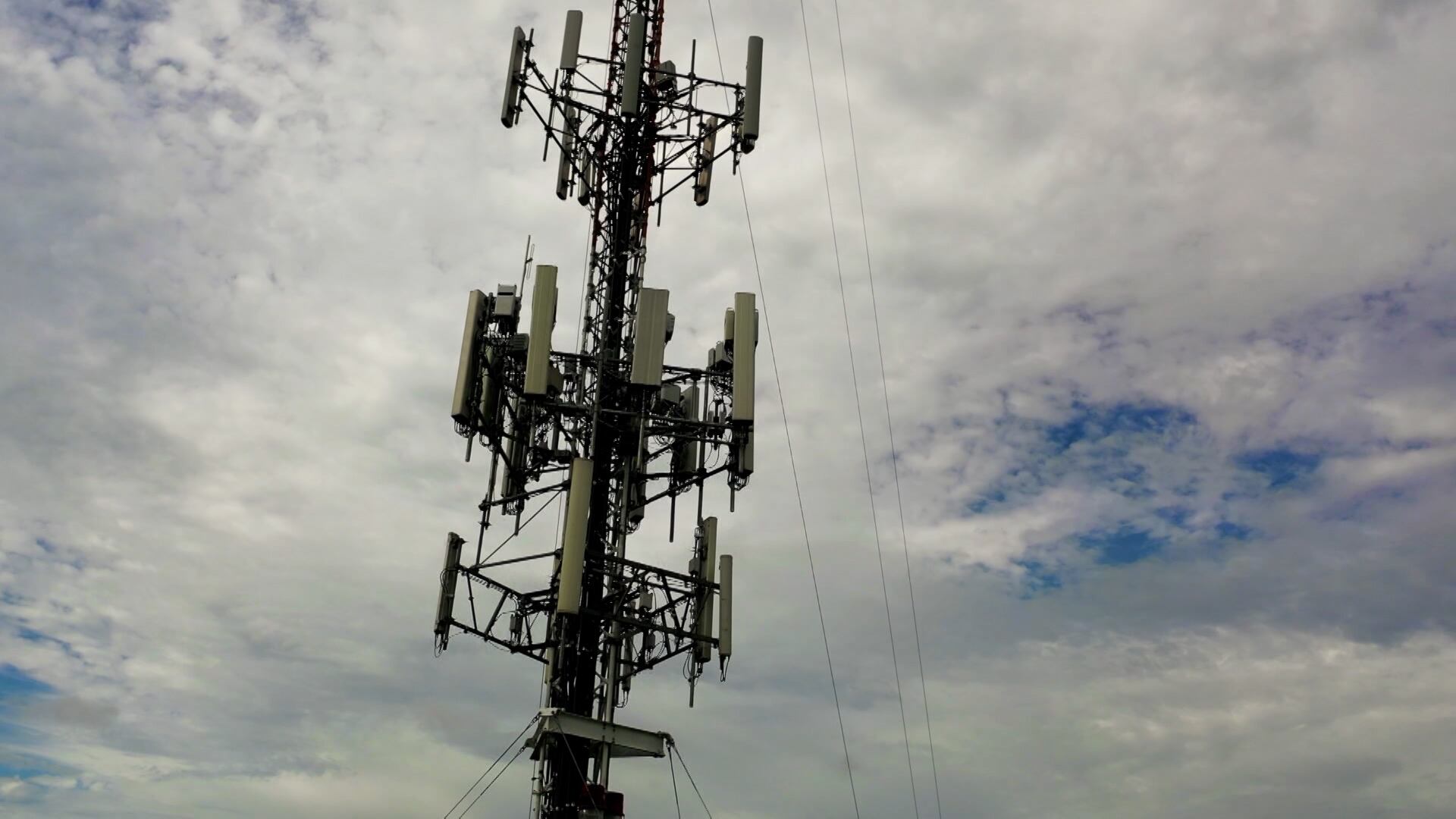
The end of 3G is upon us. On Tuesday, AT&T became the first major provider to disable its 3G services, and T-Mobile and Verizon plan to follow suit later this year. The shutdowns are expected to impact millions of vehicles that use 3G networks for updates, remote connection, and certain emergency and convenience features. Lance Ulanoff, the U.S. Editor-in-Chief of TechRadar, joined Cheddar's Closing Bell to discuss the ramifications of the changeover.
A new report shows nearly 240 former officials in Congress, the White House, and regulatory agencies have changed careers to work in the crypto industry.
President Biden unveiled new economic sanctions on Russia for what he called "the beginning of a Russian invasion". This came one day after Putin sent troops into two breakaway regions of eastern Ukraine. Alex Ward, national security reporter for POLITICO, explains what these sanctions might do to the global economy.
U.S. stocks ended today's session sharply lower on the heels of rising geopolitical tensions between Russia and Ukraine. Melissa Brown, Managing Director of Applied Research at Qontigo, joins Cheddar News' Closing Bell to discuss.
President Joe Biden said Tuesday that the U.S. will begin to impose sanctions on Russia, calling recent troop movement into Ukraine an 'invasion.' Biden and other government officials including from the State Department have begun to classify the Russian troop movement as an invasion after Russian President Vladimir Putin ordered troops to two independent Ukrainian areas in an alleged "peacekeeping" mission — which the West considers an act of aggression. Biden said Russia will continue to pay 'an even steeper price' if it continues sending troops into Ukraine. What happens next? Will Putin find a way around these sanctions? Ariel Cohen, senior fellow at the Atlantic Council, joins Closing Bell to discuss Biden's remarks, how the West will protect Ukraine since it doesn't belong to NATO, and more.