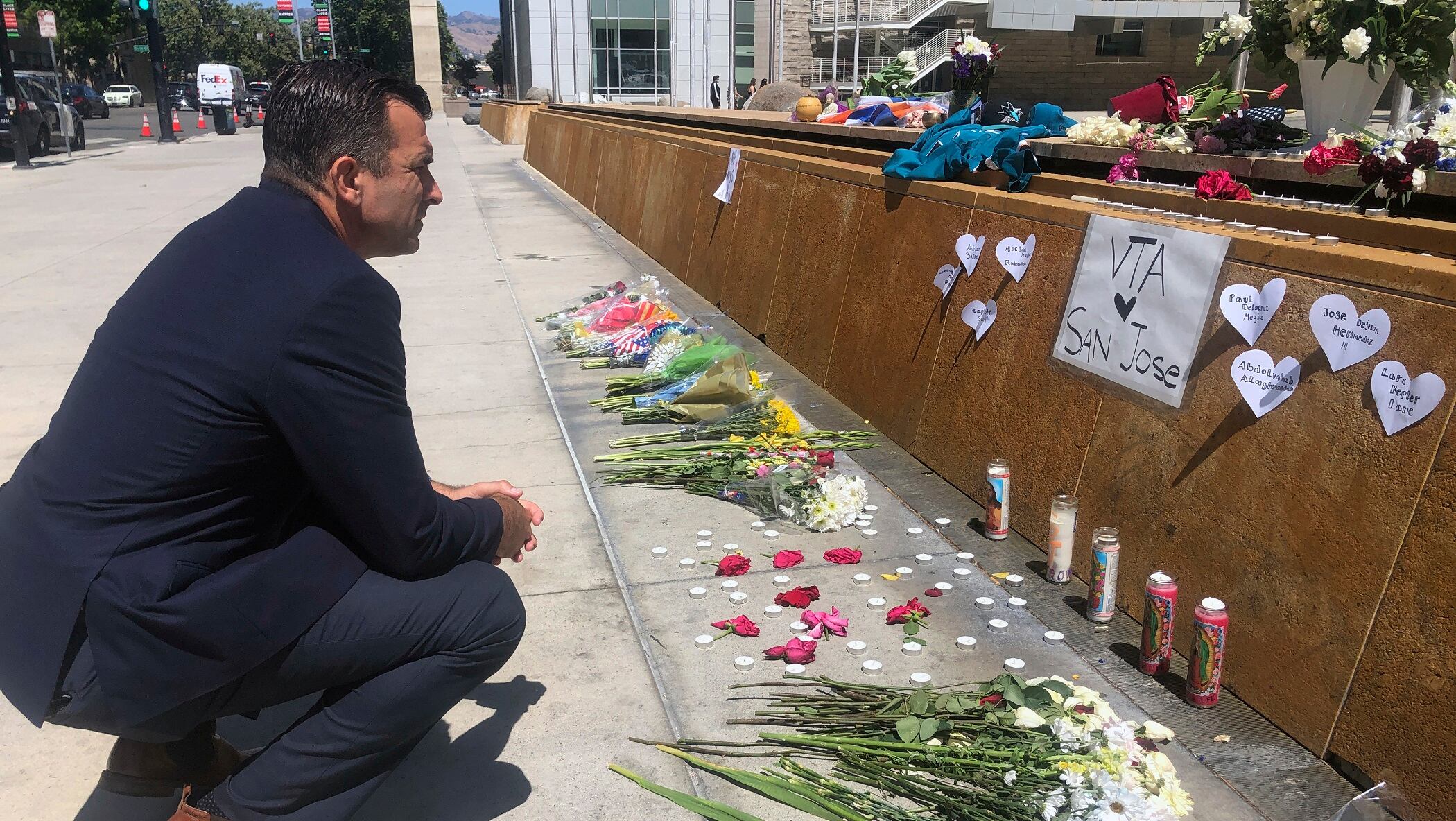
San Jose Mayor Sam Liccardo stops to view a makeshift memorial for the rail yard shooting victims in front of City Hall in San Jose, Calif., on May 27, 2021. Gun owners would be required to carry liability insurance and pay a fee under a proposed ordinance in the city of San Jose that officials say would be the first of its kind in the United States. Mayor Liccardo says it would also encourage the 5,500 households with a legally registered gun to have gun safes, trigger locks, and to take gun safety classes. (AP Photo/Haven Daley, File)
A California city voted Tuesday night to require gun owners to carry liability insurance in what’s believed to be the first measure of its kind in the United States.
The San Jose City Council overwhelmingly approved the measure despite opposition from gun owners who said it would violate their Second Amendment rights and promised to sue.
The Silicon Valley city of about 1 million followed a trend of other Democratic-led cities that have sought to rein in violence through stricter rules. But while similar laws have been proposed, San Jose is the first city to pass one, according to Brady United, a national nonprofit that advocates against gun violence.
Council members, including several who had lost friends to gun violence, said it was a step toward dealing with gun violence that Councilman Sergio Jimenez called “a scourge on our society."
Having liability insurance would encourage people in the 55,000 households in San Jose who legally own at least one registered gun to have gun safes, install trigger locks and take gun safety classes, Mayor Sam Liccardo said.
The liability insurance would cover losses or damages resulting from any accidental use of the firearm, including death, injury, or property damage, according to the ordinance. If a gun is stolen or lost, the owner of the firearm would be considered liable until the theft or loss is reported to authorities.
However, gun owners who don't have insurance won't lose their guns or face any criminal charges, the mayor said.
The council also voted to require gun owners to pay an estimated $25 fee, which would be collected by a yet-to-be-named nonprofit and doled out to community groups to be used for firearm safety education and training, suicide prevention, domestic violence, and mental health services.
The proposed ordinance is part of a broad gun control plan that Liccardo announced following the May 26 mass shooting at the Santa Clara Valley Transportation Authority rail yard that left nine people dead, including the employee who opened fire on his colleagues then killed himself.
At an hours-long meeting, critics argued that the fee and liability requirements violated their right to bear arms and would do nothing to stop gun crimes, including the use of untraceable, build-it-yourself “ghost guns."
“You cannot tax a constitutional right. This does nothing to reduce crime,” one speaker said.
The measure didn't address the massive problem of illegally obtained weapons that are stolen or purchased without background checks.
Liccardo acknowledged those concerns.
“This won’t stop mass shootings and keep bad people from committing violent crime,” the mayor said, but added most gun deaths nationally are from suicide, accidental shootings or other causes and even many homicides stem from domestic violence.
Liccardo also said gun violence costs San Jose taxpayers $40 million a year in emergency response services.
Some speakers argued that the law would face costly and lengthy court challenges.
Before the vote, Sam Paredes, executive director of Gun Owners of California, said his group would sue if the proposal takes effect, calling it “totally unconstitutional in any configuration.”
However, Liccardo said some attorneys had already offered to defend the city pro bono.
As the Russia's invasion of Ukraine continues, medical experts are worried conditions in active warzones will exacerbate the current pandemic — or even give rise to other contagions. Dr. Daniel Fagbuyi, a war veteran and former Obama administration biodefense appointee, joined Cheddar News to discuss the ongoing danger of COVID-19 on top of the war, as well as the potential for new variants to emerge. "I mean just large volumes of people definitely is a breeding ground. That's the worst case," he said. "Two things don't mix: war-conflict and a virus, a potential pandemic virus."
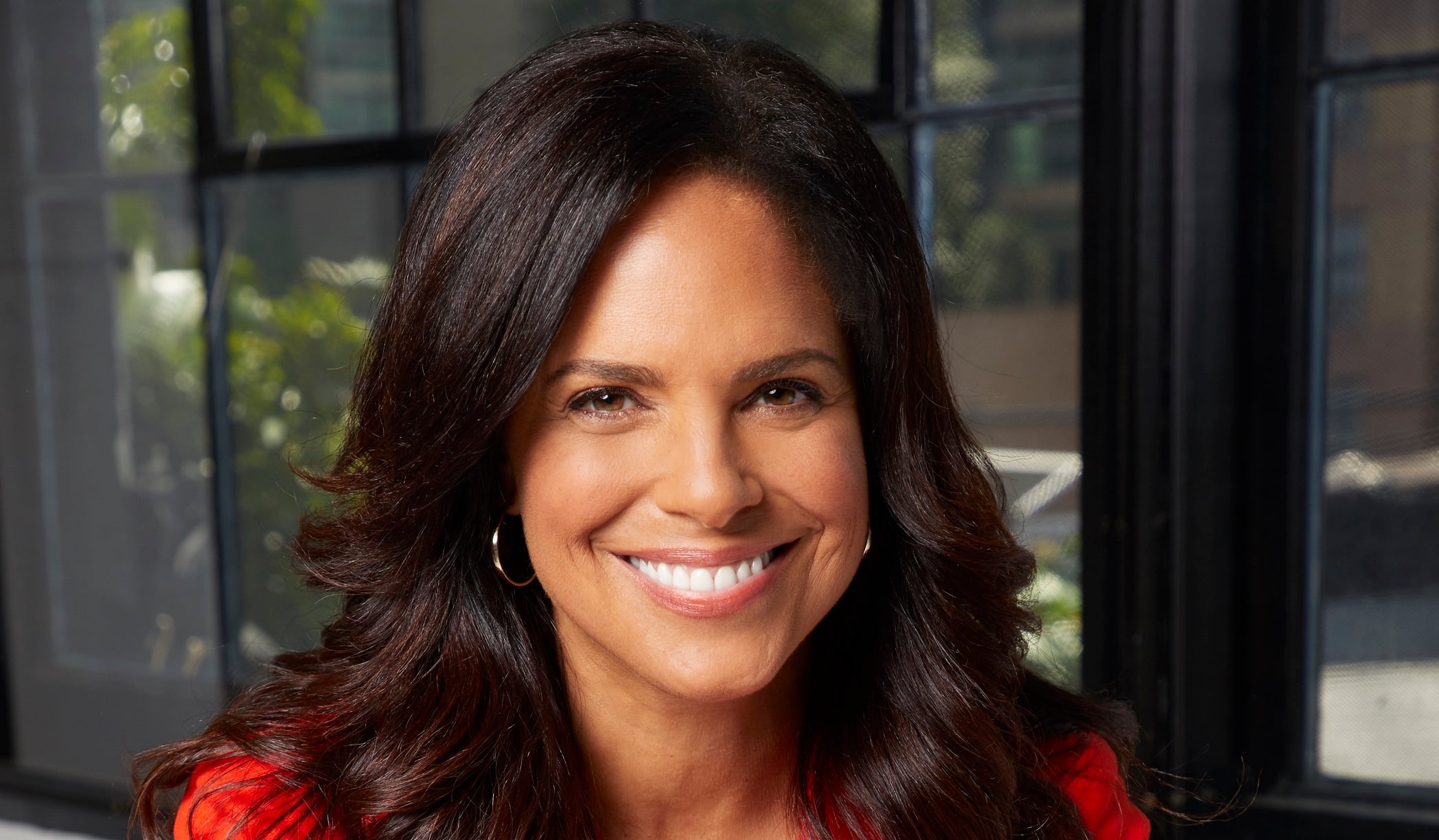
Award-winning journalist, entrepreneur, and host Soledad O'Brien spoke to Cheddar about empowering women through her own podcast on financial literacy this Women's History Month.
Six House lawmakers are calling on Meta to stop paid ads from Chinese news companies that push Russian misinformation regarding the war in Ukraine. Matt Skibinski, General Manager, NewsGuard Technologies joins Cheddar to discuss the role of social media in this war.
Reva Shakkottai, Senior Vice President and financial advisor at RBC Wealth Management, joins Cheddar News' Closing Bell, where she elaborates on factors besides Wednesday's Fed decision that led to gains across the major indexes on Thursday, including new home construction and jobless claims data.
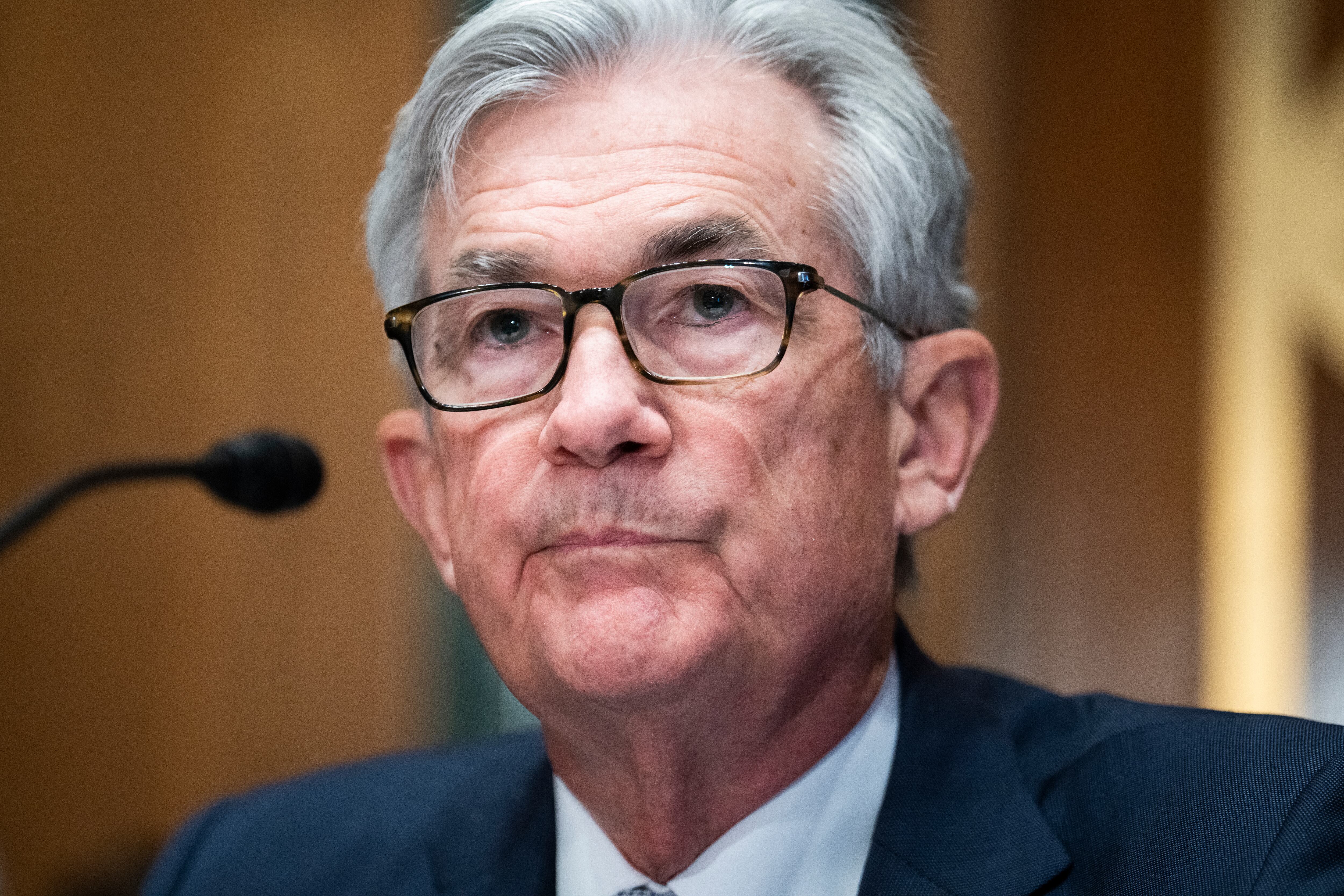
Art Hogan, Chief Market Strategist at National Securities, joins Cheddar News' Closing Bell, where he breaks down Fed Chair Jerome Powell's speech following the U.S. central bank's decision to raise rates and explains why Powell's comments move the markets more than the Fed decision itself.
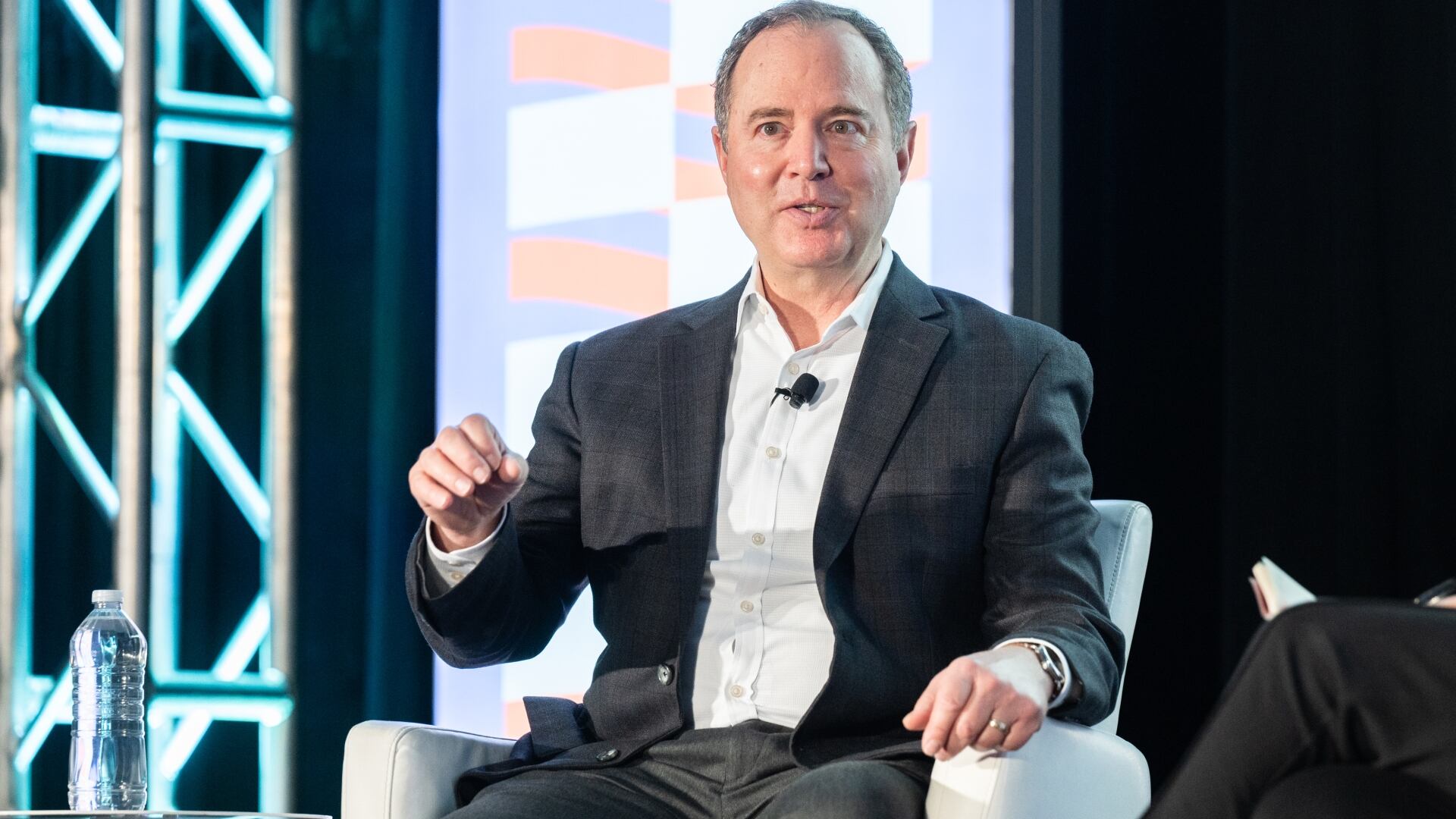
Representative Adam Schiff (D-Calif. 29th District) joined Cheddar News at South By Southwest to discuss the variety of sanctions that the United States has placed on Russia since its invasion of Ukraine began last month and the impacts they are having both domestically and abroad. With rising gas prices, especially in states like California, Schiff noted that the American people are willing to make sacrifices in order to uphold their values and suggested that crisis may be a warning to shift away from fossil fuels. "At the end of the day though, this ought to be a wake up call that we need to stop our reliance on this oil economy and move to renewable sources of energy," he said. Schiff also explained his remarks about the January 6 commission investigating those closest to former President Trump and touched on a disturbing case in San Francisco where the police department used rape kit samples to ID a murder suspect.
Markets opened lower as the Federal Reserve announces plans to hike interest rates by a quarter point, while signaling six additional rate hikes later this year. Gary Schlossberg, Global Strategist, Wells Fargo Investment Institute, joined Cheddar's Opening Bell to discuss.
Apple's Racial Equity and Justice Initiative is a $100 million program aimed at combating systemic racism while working to advance racial equity across the country. Alisha Johnson, director of the initiative, joined Cheddar at SXSW to discuss the work being done. "We focused on three critical areas. The first is education. The second is criminal justice reform, and the third is economic empowerment, really looking first in our own supply chain, how can we really increase our spend with Latinx, Hispanic, and indigenous-owned businesses," she said. "And then how can we go further to empower entrepreneurs who have been cut out of access to funding and capital and really help them to get the funding."