California Becomes 6th U.S. State to Legalize Recreational Marijuana
Medical marijuana has been legal in California for over 20 years. Now, the state is joining 5 other U.S. states to introduce the sale of recreational marijuana. Kris Krane, President and Co-Founder of 4Front Ventures, an investment and management firm in the cannabis industry, was with us to discuss the implications of the new law.
Krane says legalization of recreational marijuana will spark a domino-effect in the rest of the country. Colorado, Washington, Oregon, Alaska and Nevada beat the Golden State to it, but Krane says California's decision will be the most impactful due to the state's size and influence on policy. Krane believes an open and legal market will make it increasingly untenable for the rest of the country to maintain prohibition.
Despite leniency on the state level, Krane still sees a hurdle on the federal level. This obstacle will make it challenging for cannabis companies to list on the major stock exchanges in the U.S., he adds. As a result, he thinks the most significant public market movement will continue to take place in Canada, where companies can access the Toronto Stock exchange and other major Canadian exchanges.
It’s a chicken-and-egg problem: Restaurants are struggling with record-high U.S. egg prices, but their omelets, scrambles and huevos rancheros may be part of the problem. Breakfast is booming at U.S. eateries. First Watch, a restaurant chain that serves breakfast, brunch and lunch, nearly quadrupled its locations over the past decade to 570. Fast-food chains like Starbucks and Wendy's added more egg-filled breakfast items. In normal times, egg producers could meet the demand. But a bird flu outbreak that has forced them to slaughter their flocks is making supplies scarcer and pushing up prices. Some restaurants like Waffle House have added a surcharge to offset their costs.
William Falcon, CEO and Founder of Lightning AI, discusses the ongoing feud between Elon Musk and Sam Altman, and how everyday people can use AI in their lives.
U.S. tariffs on steel and aluminum “will not go unanswered,” European Union chief Ursula von der Leyen vowed on Tuesday, adding that they will trigger toug
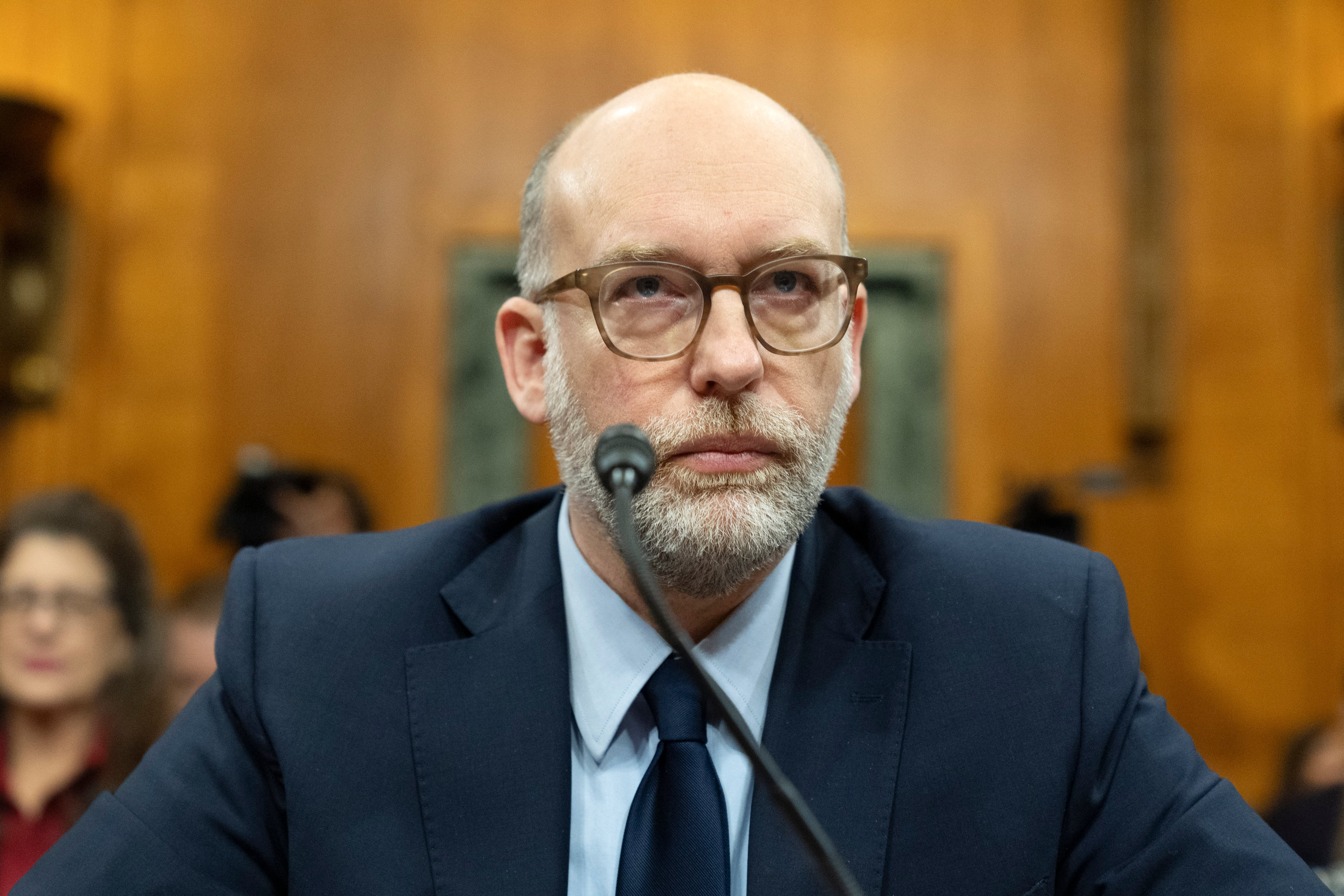
The Trump administration has ordered the Consumer Financial Protection Bureau to stop nearly all its work, effectively shutting down the agency that was created to protect consumers after the 2008 financial crisis and subprime mortgage-lending scandal. Russell Vought is the newly installed director of the Office of Management and Budget. Vought directed the CFPB in a Saturday night email to stop work on proposed rules, to suspend the effective dates on any rules that were finalized but not yet effective, and to stop investigative work and not begin any new investigations. The agency has been a target of conservatives since President Barack Obama created it following the 2007-2008 financial crisis.
Jeff Benedict, author of 'The Dynasty,' weighs in on the Kansas City Chiefs being the next big dynasty, who he thinks will win Super Bowl LIX and more. Watch!