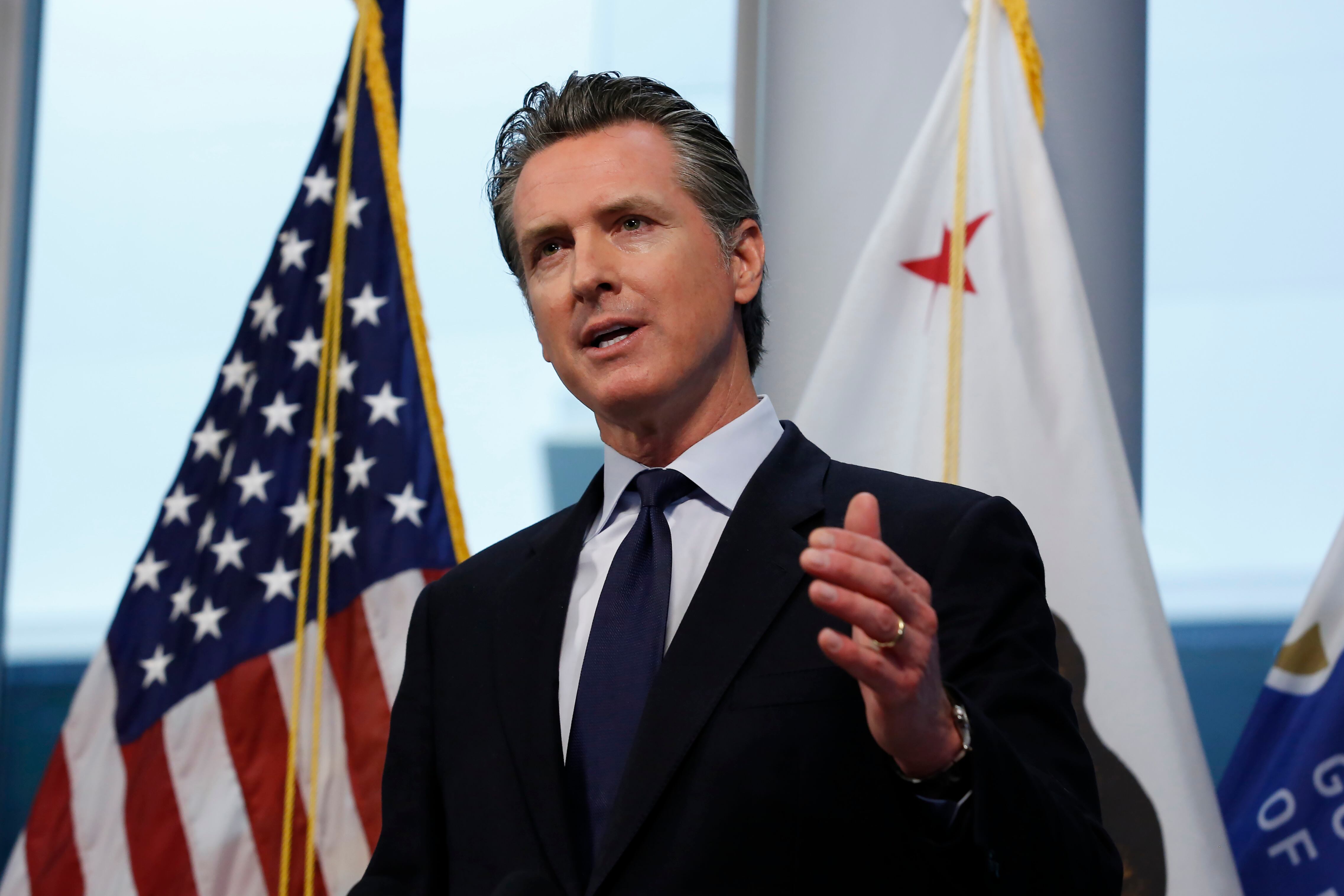
California Governor Gavin Newsom said the Golden State had managed to secure a monthly supply of 200 million N95 respiratory and surgical masks, opening up the possibility of helping other states struggling to secure protective supplies.
"We decided enough is enough. Let's use the power, the purchasing power of the state of California, as a nation-state," he told Rachel Maddow Tuesday night. "We did just that. And in the next few weeks, we're going to see supplies, at that level, into the state of California and potentially the opportunity to export some of those supplies to states in need."
Instead of competing for supplies against states, the federal government, or other nations, the fifth largest economy in the world decided to secure a supply of masks itself, he explained.
"We're not waiting around any longer and we're no longer interested in the progress that we were seeing in the past," the governor said. "We're not looking at competing against others. We're not looking at gouging, the fraud, and the abuse in this space, competing against other states."
Newsom said the state had inked deals with "a consortium of nonprofits" and a California manufacturer to supply the protective equipment and open the door to help other states as well. He said the masks, most of which will be of the more effective N95 type, will be produced overseas.
Up until now, the state had distributed 41.4 million N95 masks across the state, one million of which were from the federal government. "That's not an indictment. That's not a cheap shot. At the end of the day, they don't have the masks at the national stockpile," Newsom said.
On the federal level, the administration is attempting to secure 600 million N95 masks for the nation, but the ramp-up could take months.
The U.S. Department of Agriculture announced a nearly $11 billion investment on Tuesday to help bring affordable clean energy to rural communities throughout the country.
Top executives at Silicon Valley Bank and Signature Bank largely avoided taking responsibility for their banks’ dramatic failures at a Senate hearing Tuesday.
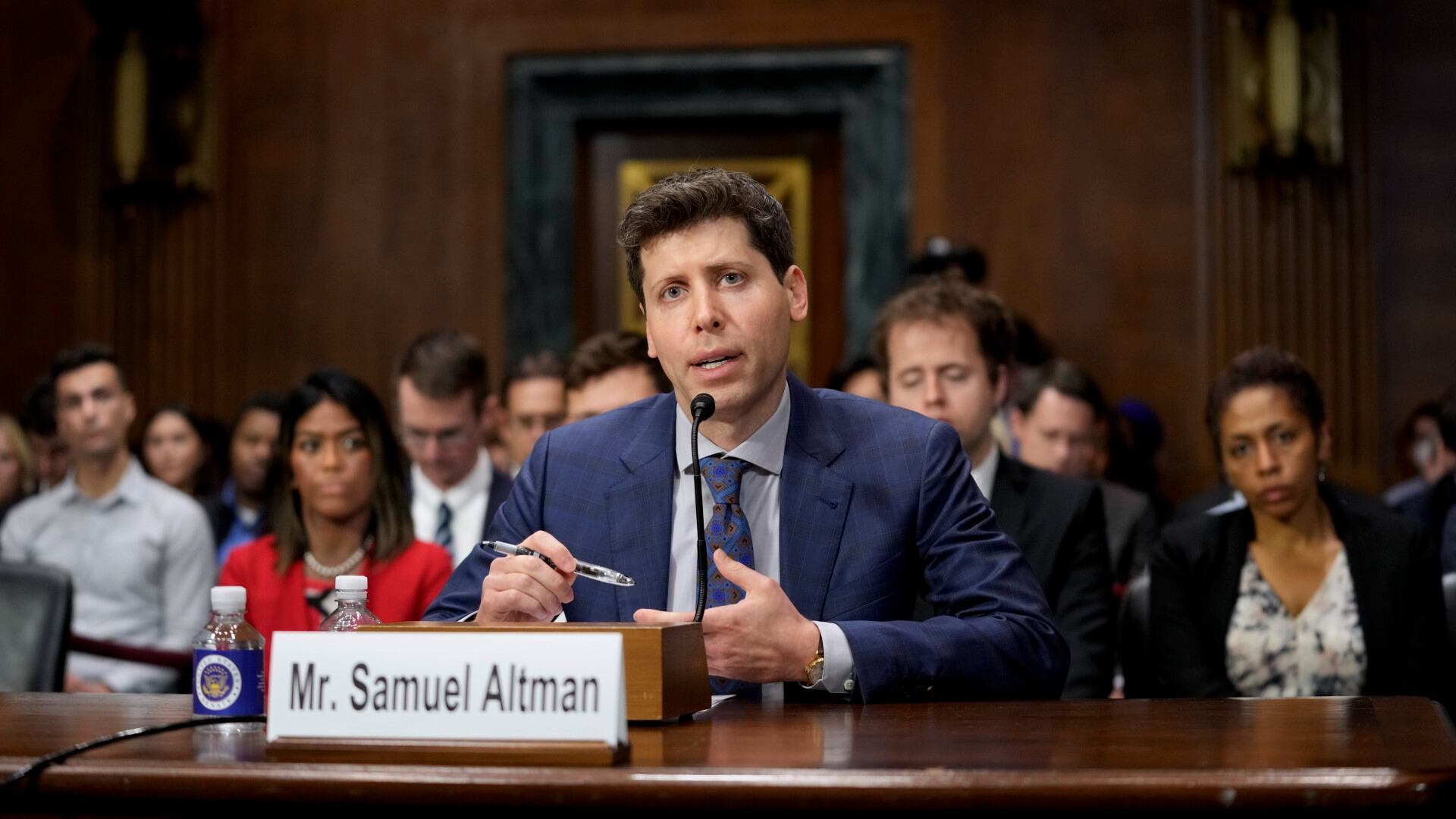
The head of the artificial intelligence company that makes ChatGPT will testify before Congress as lawmakers call for new rules to guide the rapid development of AI technology.
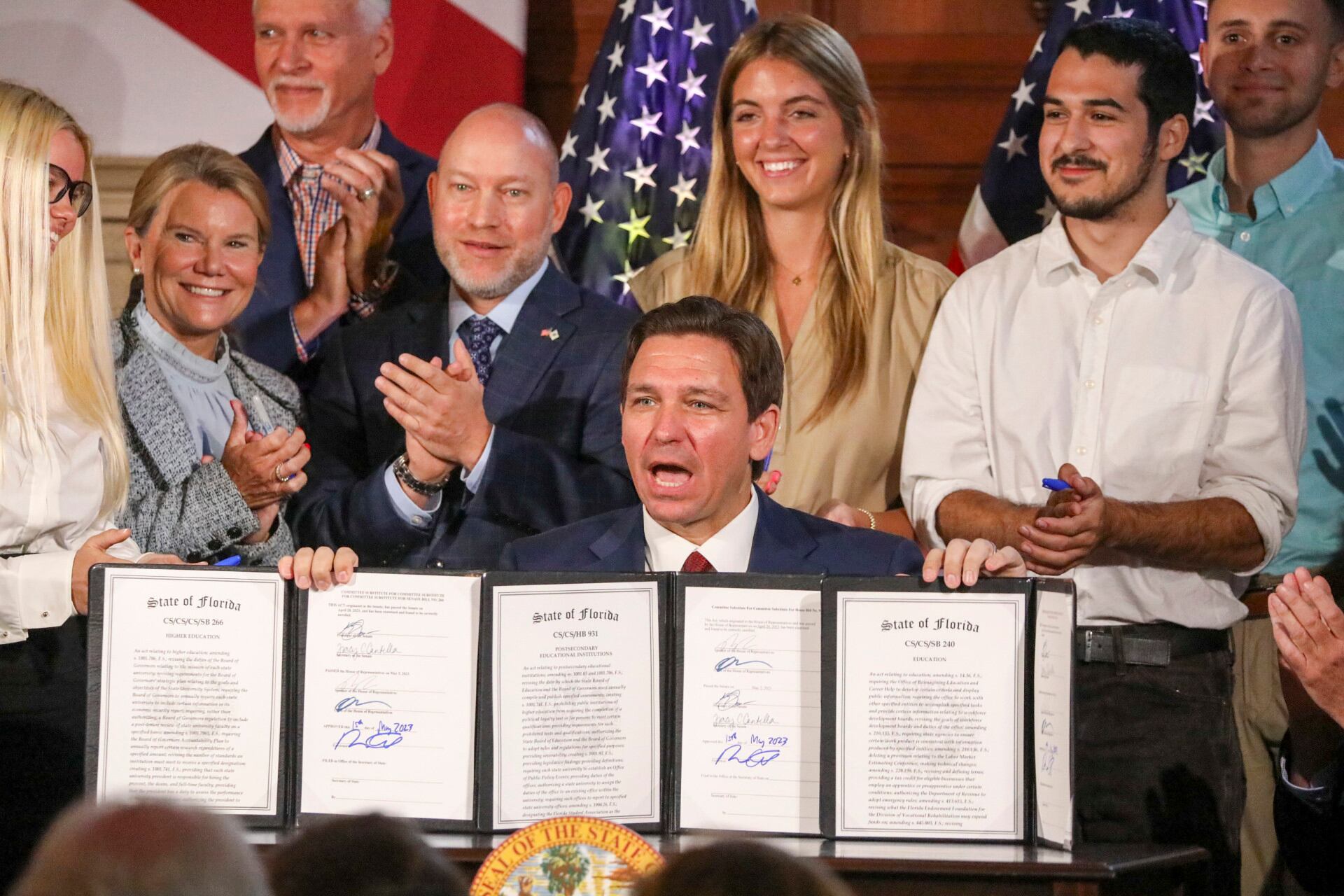
Florida Gov. Ron DeSantis on Monday signed a bill that blocks public colleges from using federal or state funding on diversity programs, addressing a concern of conservatives ahead of the Republican governor's expected presidential candidacy.
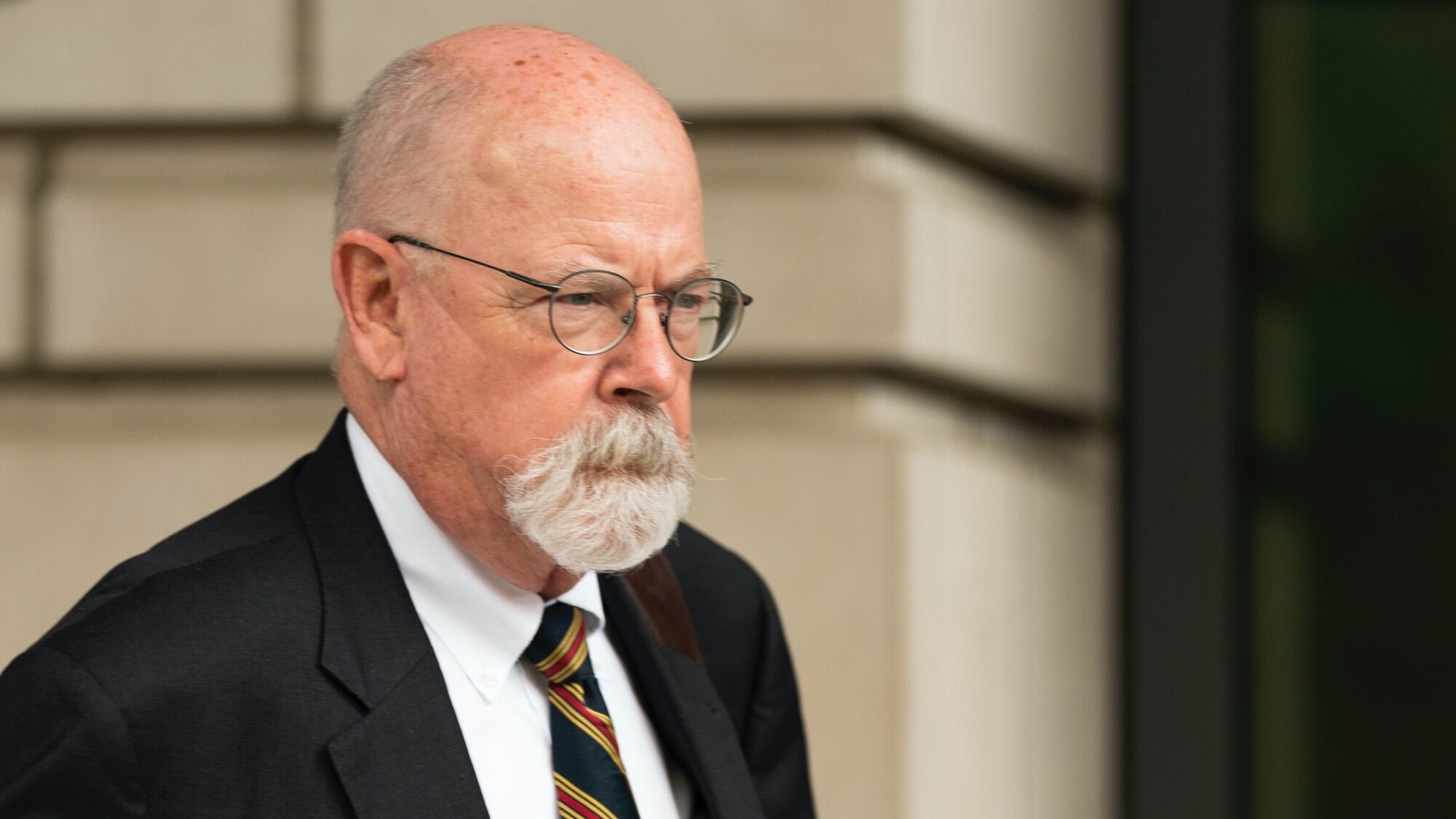
A special prosecutor found that the FBI rushed into its investigation of ties between Russia and Donald Trump's 2016 campaign and relied too much on raw and unconfirmed intelligence as he concluded a four-year probe that fell far short of the former president's prediction that the “crime of the century" would be uncovered.
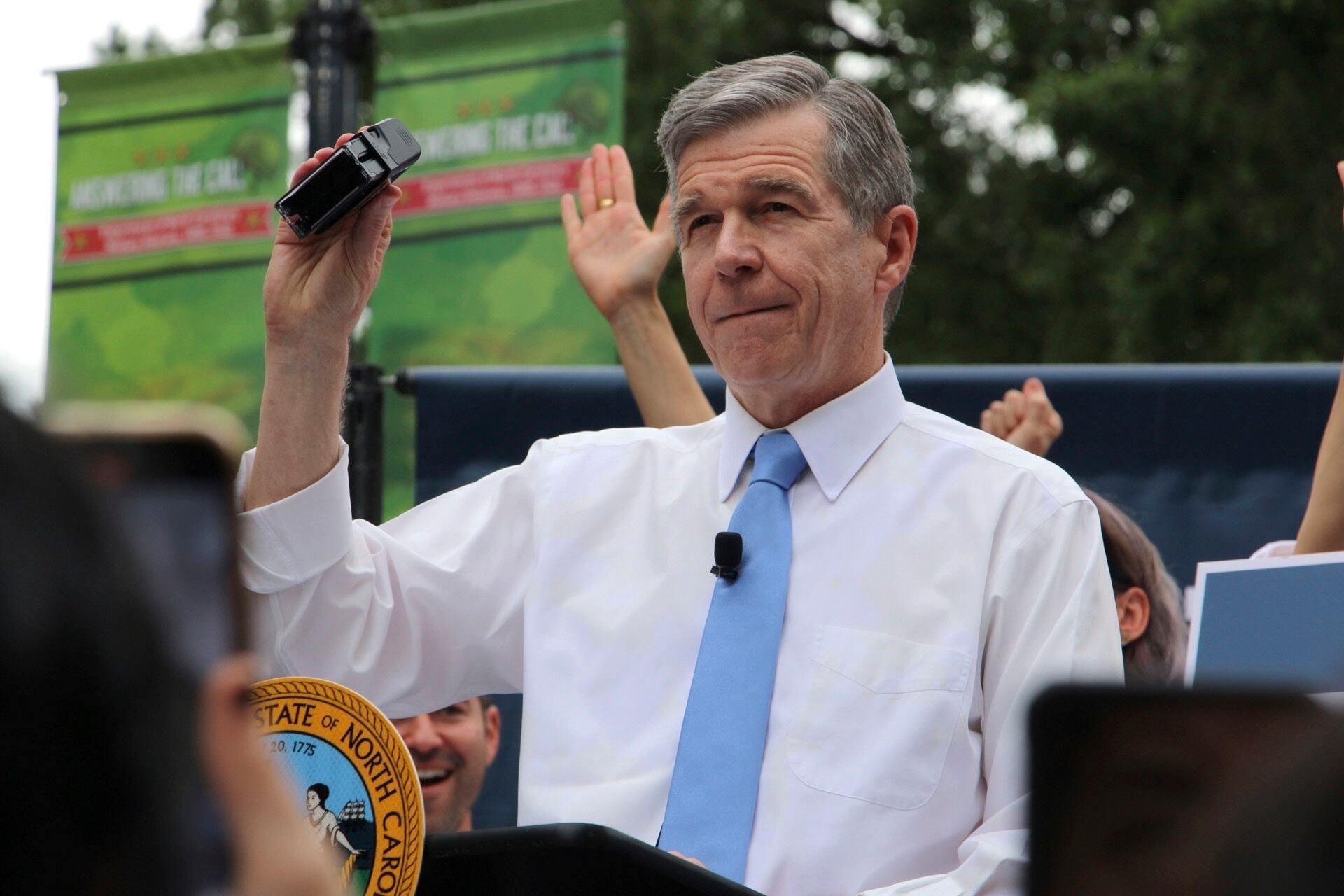
North Carolina Gov. Roy Cooper vetoed a bill passed by state lawmakers that would ban most abortions after 12 weeks.
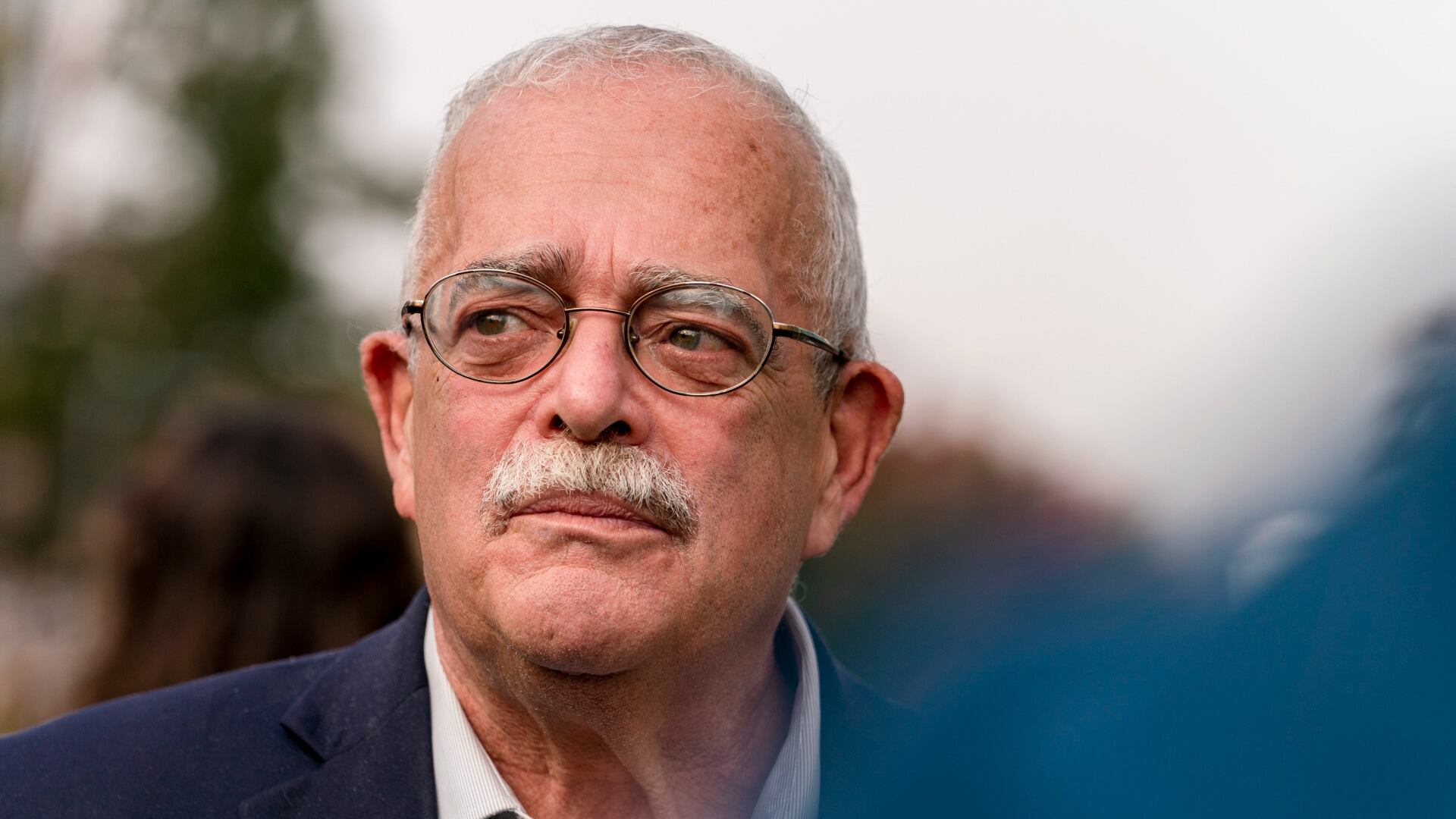
U.S. Rep. Gerry Connolly of Virginia says a man with a baseball bat walked into his Fairfax office, asked for him, and then assaulted two members of his staff.
Thanks to recent advances in artificial intelligence, tools that can create lifelike photos, video and audio are now cheap and readily available.
In front of an exuberant crowd, North Carolina’s Democratic governor vetoed legislation Saturday that would have banned nearly all abortions in his state after 12 weeks of pregnancy.
Turkey’s presidential elections appeared to be heading toward a second-round runoff on Monday, with President Recep Tayyip Erdogan, who has ruled his country with a firm grip for 20 years, leading over his chief challenger, but falling short of the votes needed for an outright win.