*By Justin Chermol*
The daunting task of paying back astronomical student loans may soon be less taxing, California Congressman Scott Peters tells told Cheddar Tuesday.
Rep. Peters (D-Calif.) has received 99 co-sponsors on his bipartisan Employer Participation in Repayment Act, which would allow employers to contribute to their employees' student loan payments, tax-free.
"The idea is this: if you go to work for a company, they can pay off up to $5,250 of your student loans in a year without it being income to you, so it's not taxable to you," Peters told Cheddar's J.D. Durkin.
"If you talk to any young person about ... the big thing on their mind: it's student loan debt. They're not buying a house, they're not getting a car, they're living with their parents, all because they have this burden."
According to a recent [report](https://www.federalreserve.gov/publications/files/consumer-community-context-201901.pdf) from the Federal Reserve, the rise in student loan debt from 2005 to 2014 has contributed to a decline in home ownership.
Nearly one in four American adults are paying off student loans. That amounts to over 44 million citizens who hold collectively almost $1.5 trillion in student debt.
"The average debt now, out of a public university: $30,000 for each kid," Peters said.
Peters also said that the bill could benefit the employer as well ー as educated talent will be attracted to jobs that offer this tax-free incentive.
Peter said he feels good about the bill's chances of at least making it to the House floor for a vote.
"I am more optimistic about that in this Congress with Mrs. Pelosi, rather than Mr. Ryan. I think that we are likely to deal with this issue in a serious way," Peters said. "That's the first step."
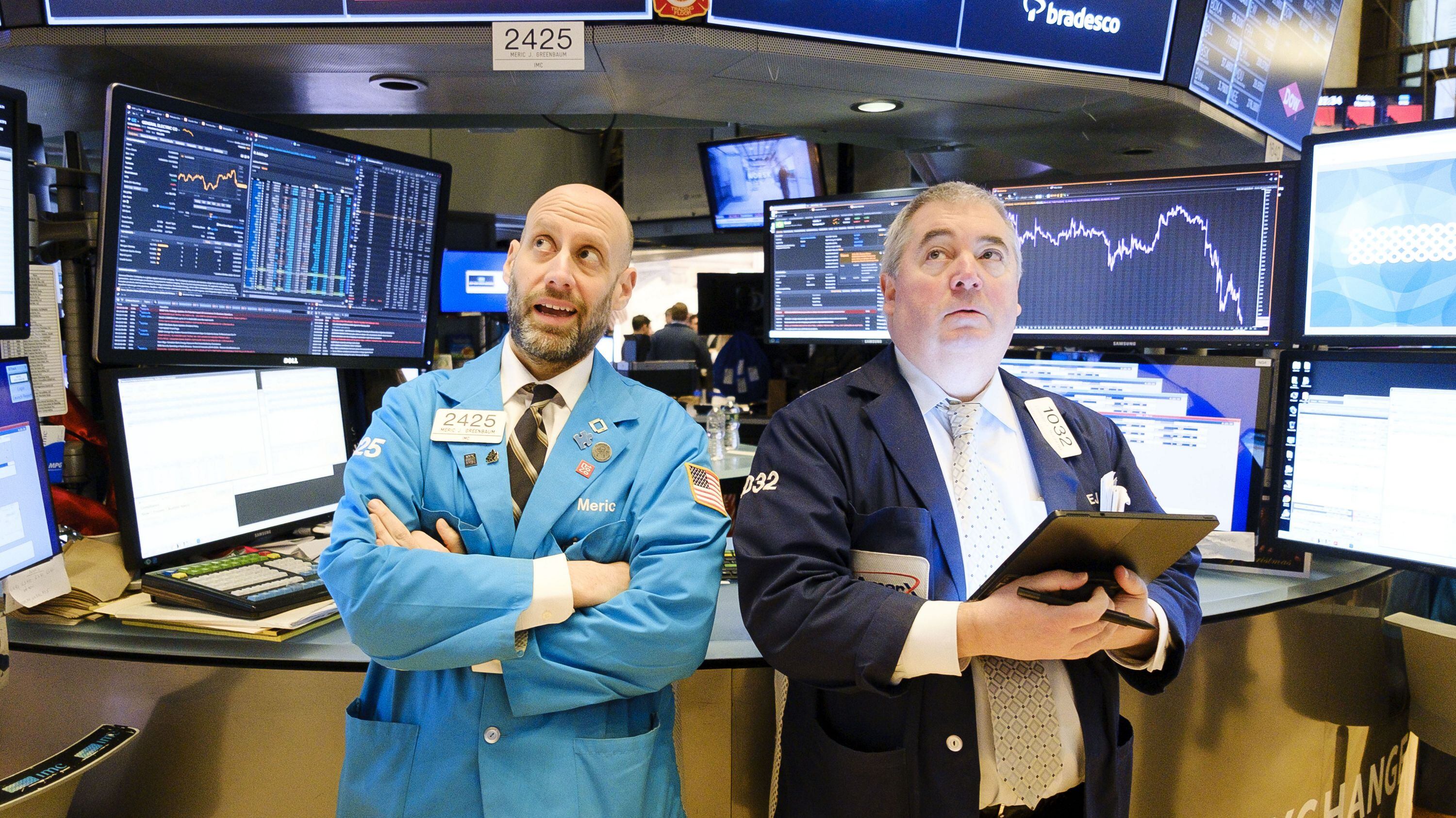
Lenore Hawkins, chief macro strategist for Tamatica Research, told Cheddar that the combination of the COVID-19 outbreak and the oil price war between Saudi Arabia and Russia is an unprecedented set of circumstances for investors.
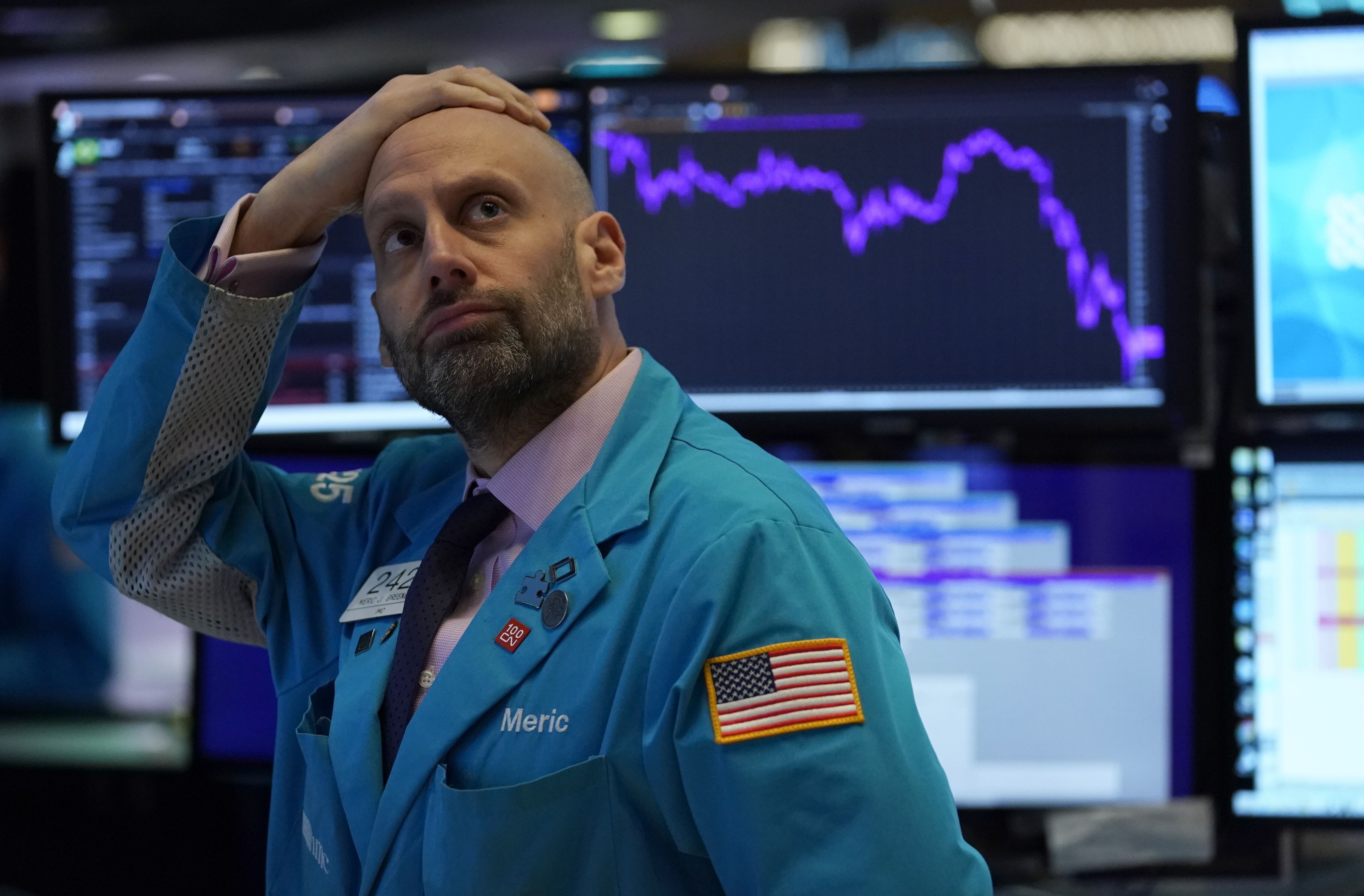
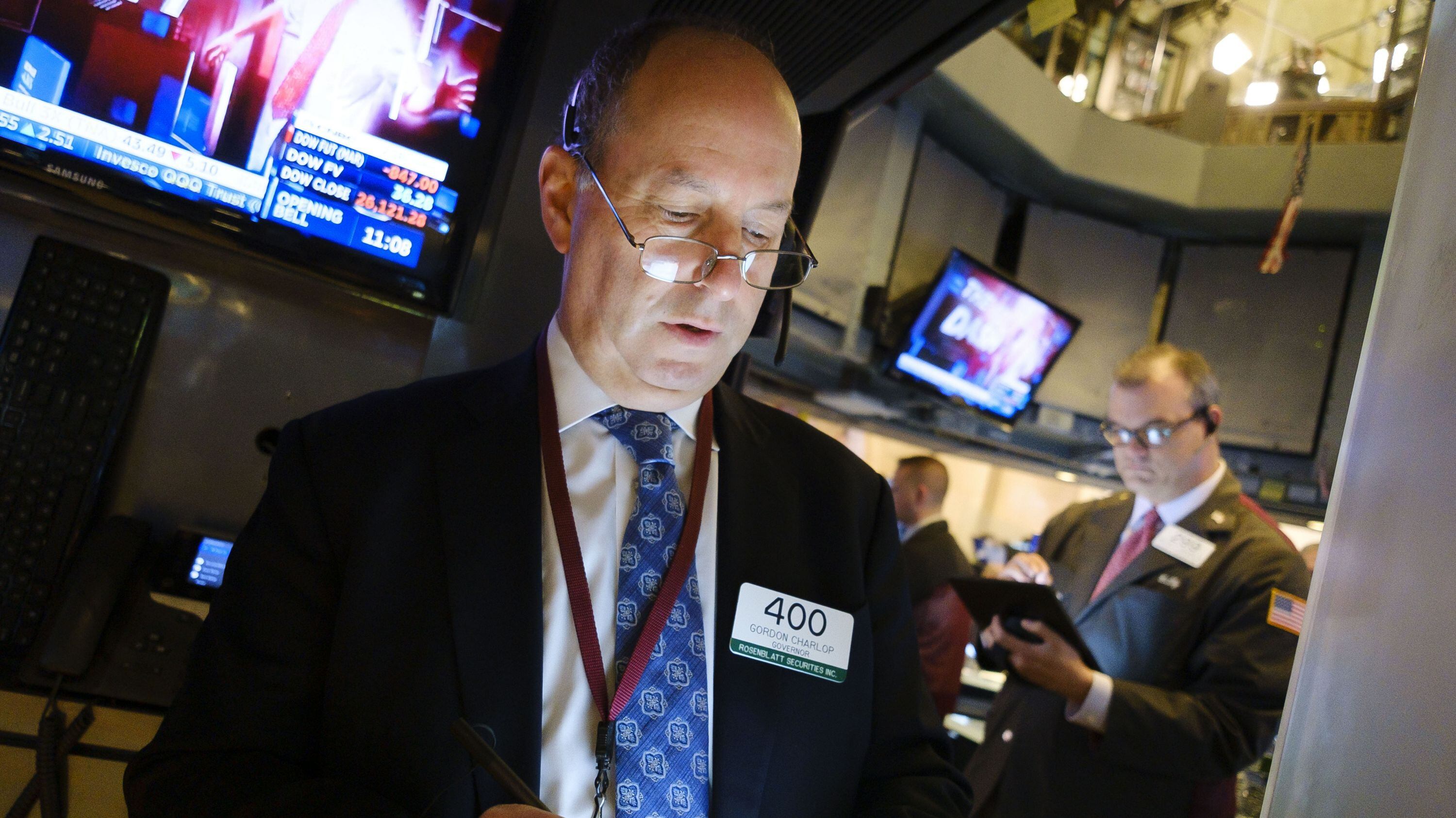
The Dow Jones Industrial Average plummeted 1,500 points, or 6%, following similar drops in Europe after a fight among major crude-producing countries jolted investors already on edge about the widening fallout from the outbreak of the new coronavirus.
From Wall Street to Silicon Valley, these are the top stories that moved markets and had investors, business leaders, and entrepreneurs talking this week on Cheddar.
Bond yields fell to more record lows as investors continue to demand safety and unload stocks. The yield on the 10-year Treasury note sank as low as 0.66% as investors worried that economic damage from the spreading virus outbreak will be worse than previously thought.
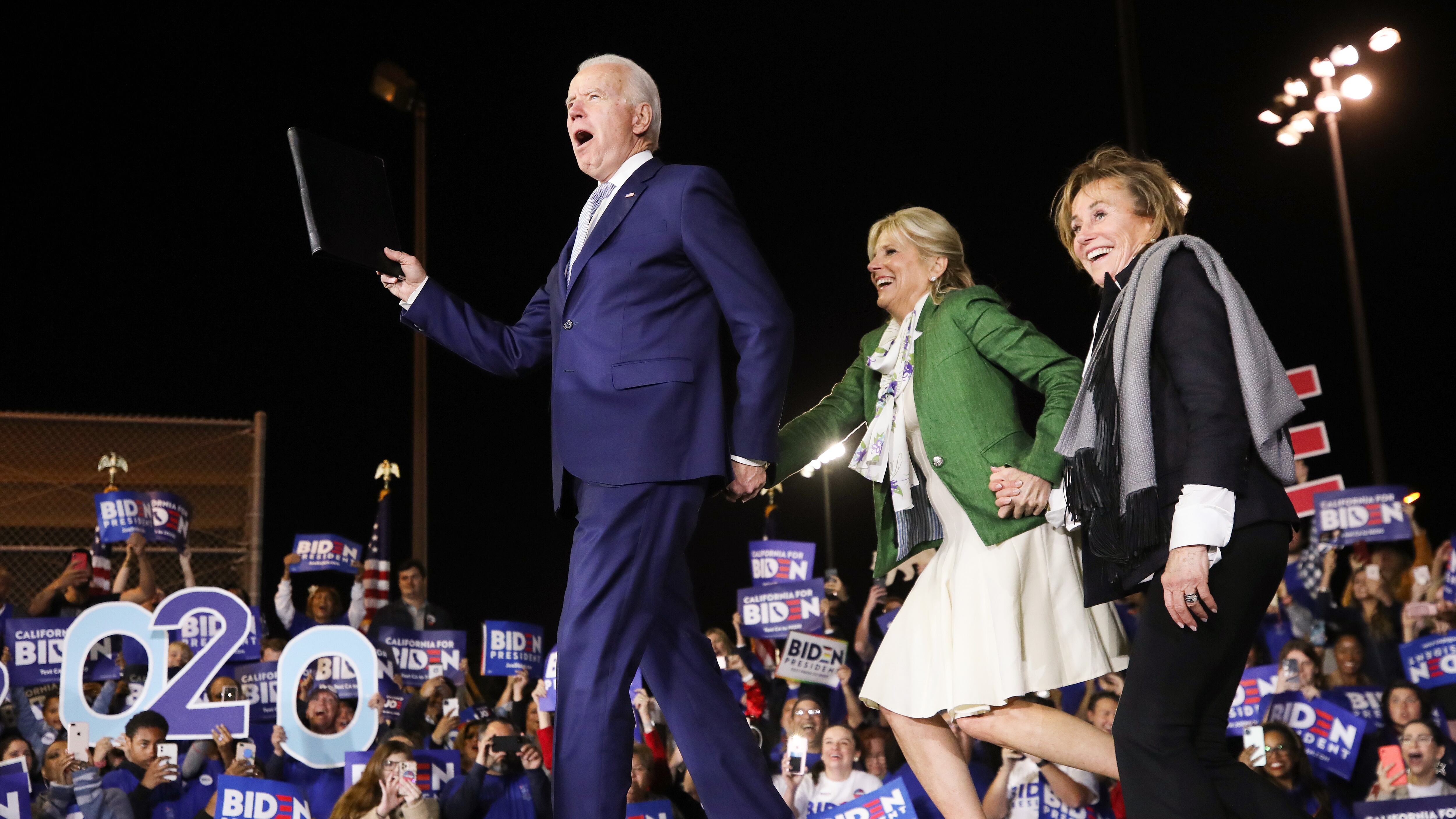
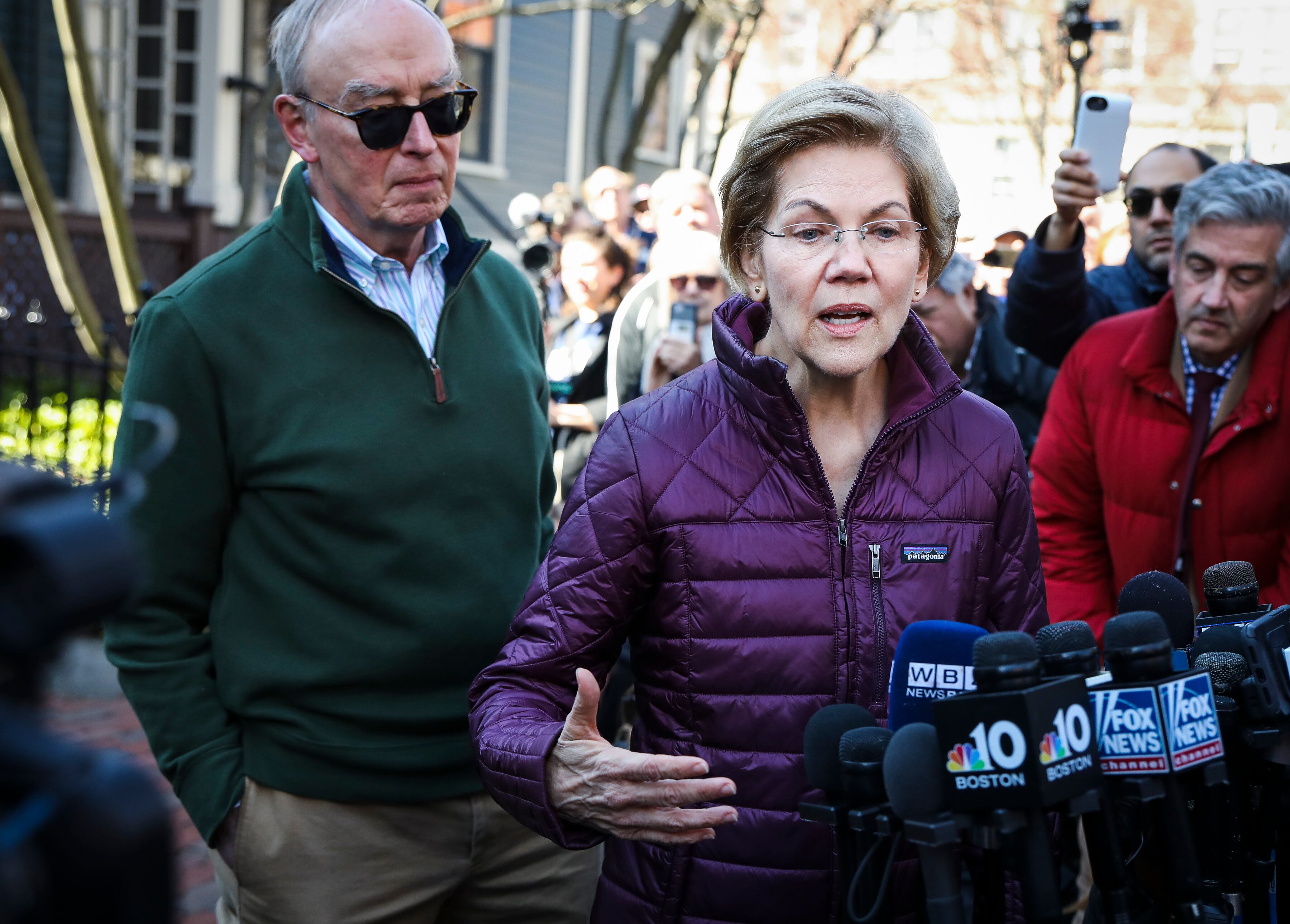
Cheddar will be following the biggest political headlines as voters head to the polls in critical Super Tuesday primaries.
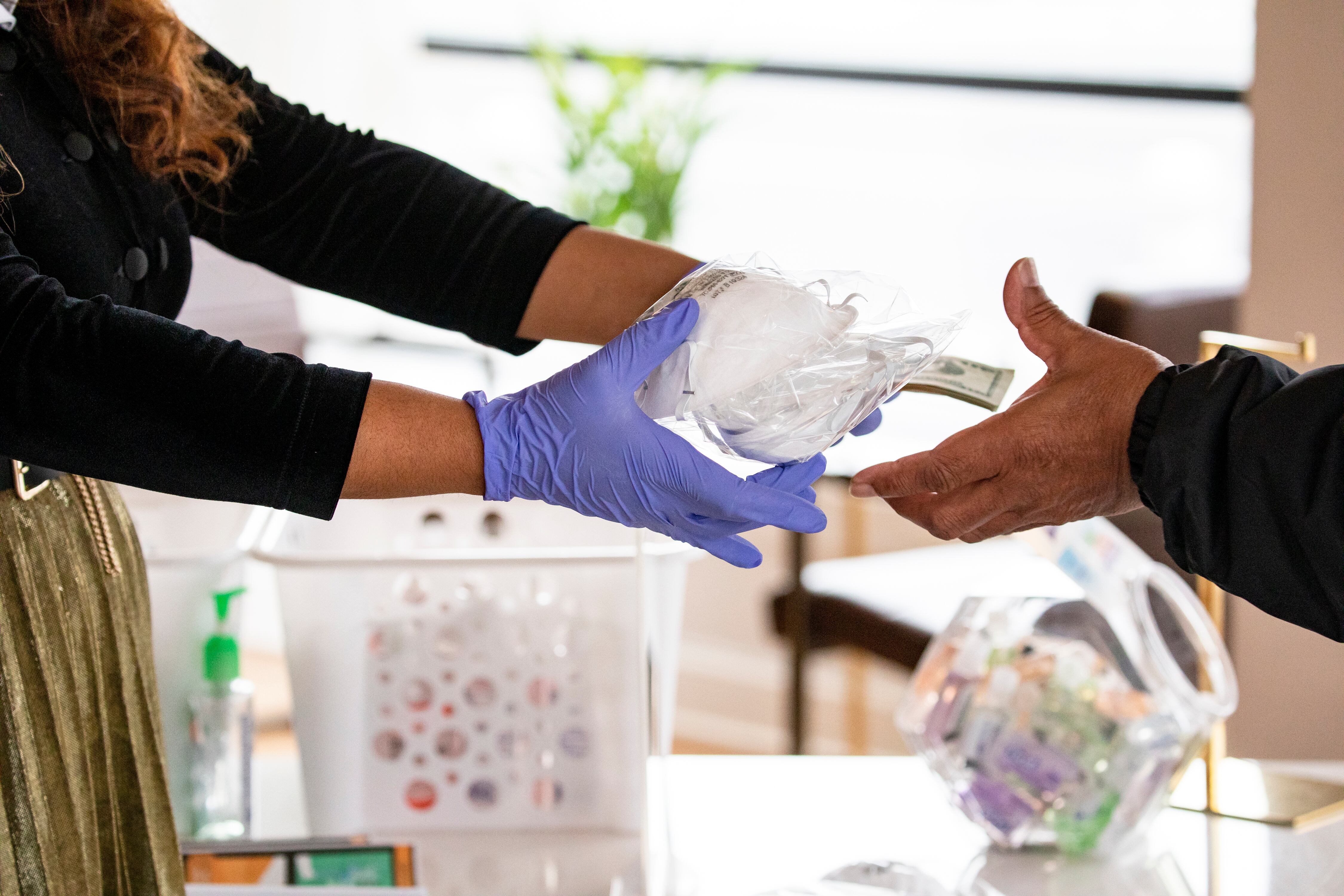
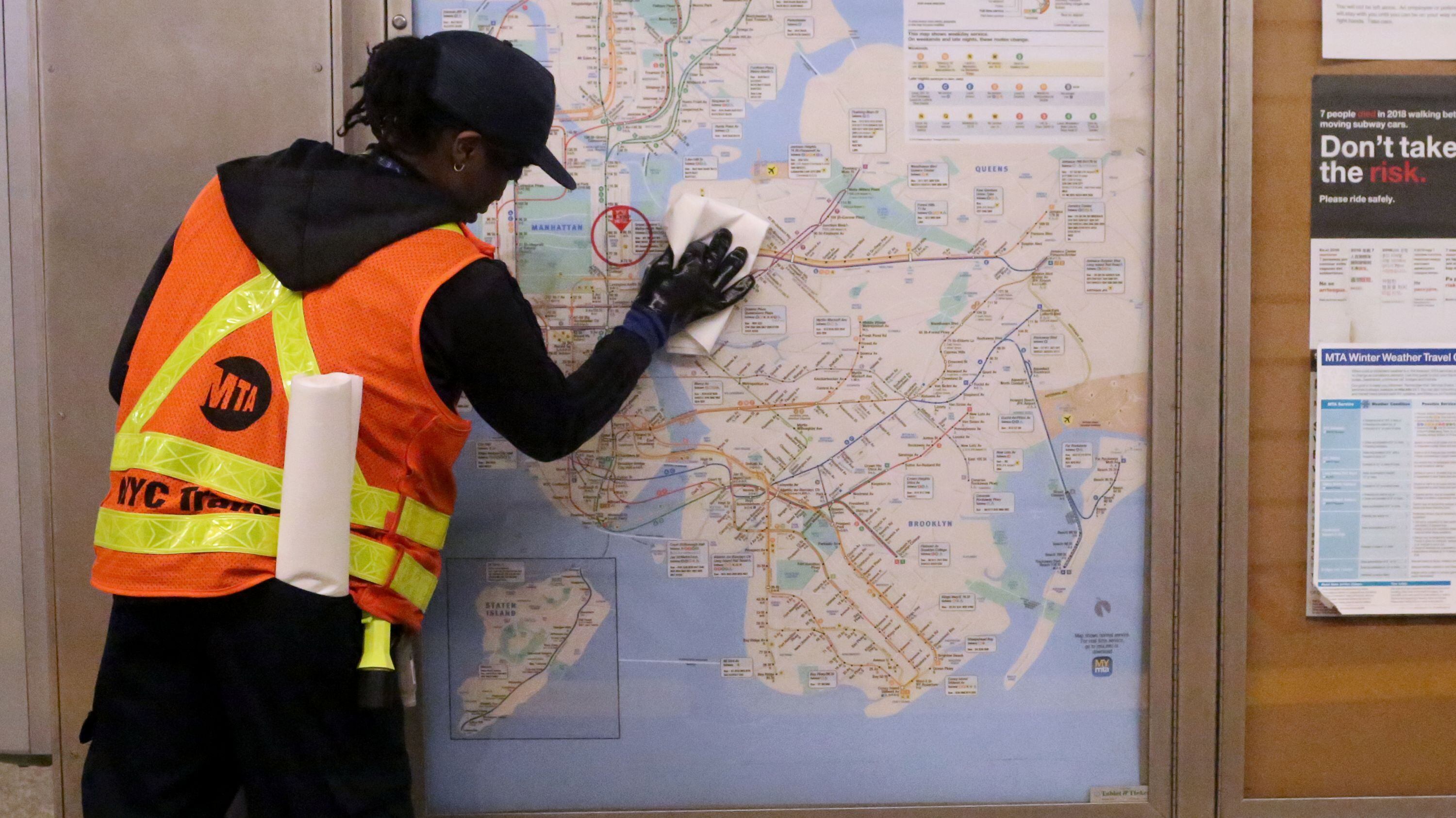
Dr. William Schaffner of Vanderbilt University said taking steps like sanitizing the subway system "may play a small role in mitigating the transmission of this virus, but it signals to people that we ought to be functioning as we can and doing the things we can do."
Stocks are falling sharply again in midday trading on Wall Street, and bond yields are sinking to more record lows on worries about the economic damage coming from the spreading coronavirus outbreak.
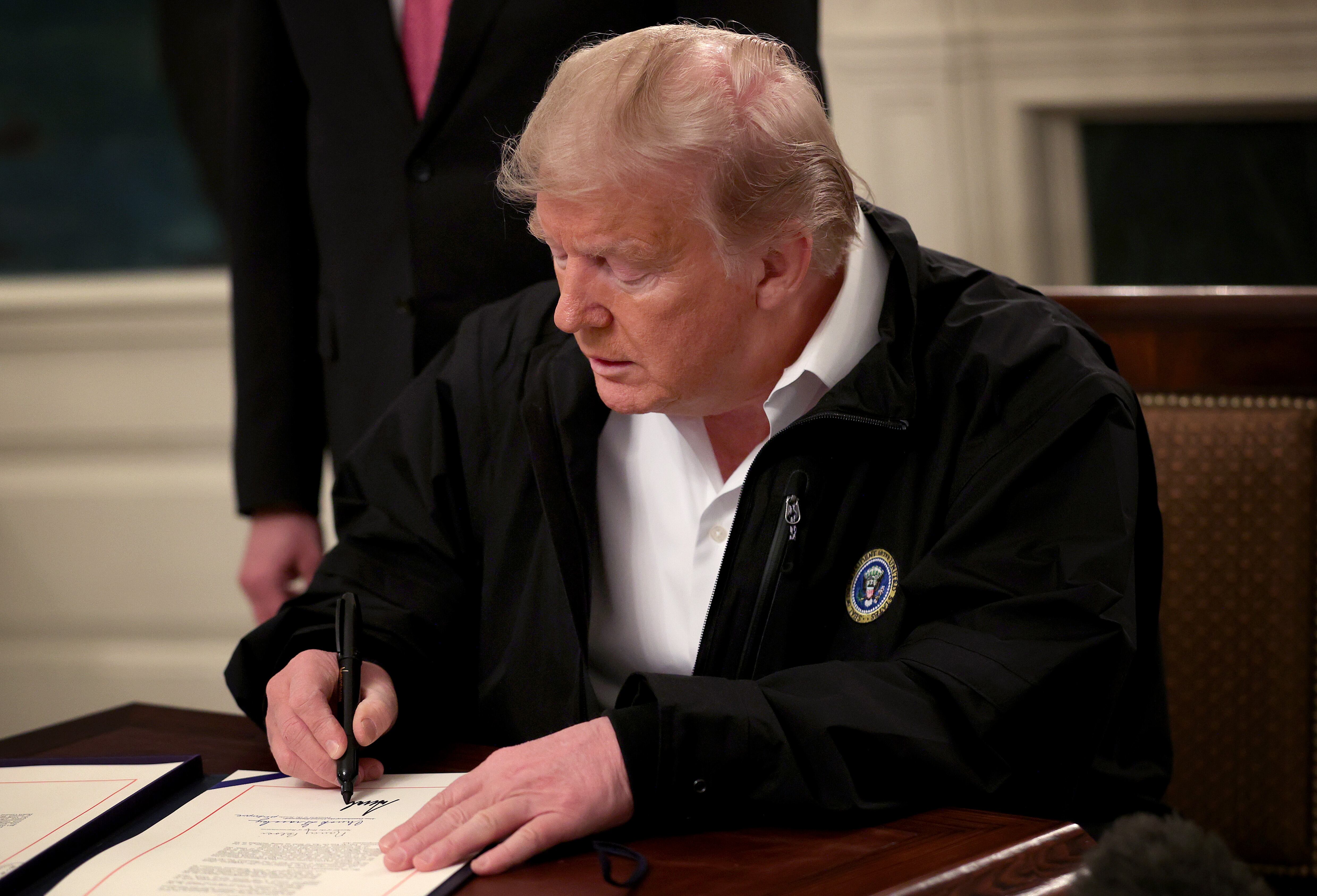
President Donald Trump on Friday signed an $8.3 billion measure to help tackle the coronavirus outbreak that has killed more than a dozen people in the U.S. and infected more than 200.
These are the headlines you Need 2 Know for Friday, March 6, 2020.
U.S. Representative Pete Aguilar of California voted yes on an $8.3 billion coronavirus emergency package bill, a much higher figure than the $2.5 billion requested by the White House.