*By Justin Chermol*
The daunting task of paying back astronomical student loans may soon be less taxing, California Congressman Scott Peters tells told Cheddar Tuesday.
Rep. Peters (D-Calif.) has received 99 co-sponsors on his bipartisan Employer Participation in Repayment Act, which would allow employers to contribute to their employees' student loan payments, tax-free.
"The idea is this: if you go to work for a company, they can pay off up to $5,250 of your student loans in a year without it being income to you, so it's not taxable to you," Peters told Cheddar's J.D. Durkin.
"If you talk to any young person about ... the big thing on their mind: it's student loan debt. They're not buying a house, they're not getting a car, they're living with their parents, all because they have this burden."
According to a recent [report](https://www.federalreserve.gov/publications/files/consumer-community-context-201901.pdf) from the Federal Reserve, the rise in student loan debt from 2005 to 2014 has contributed to a decline in home ownership.
Nearly one in four American adults are paying off student loans. That amounts to over 44 million citizens who hold collectively almost $1.5 trillion in student debt.
"The average debt now, out of a public university: $30,000 for each kid," Peters said.
Peters also said that the bill could benefit the employer as well ー as educated talent will be attracted to jobs that offer this tax-free incentive.
Peter said he feels good about the bill's chances of at least making it to the House floor for a vote.
"I am more optimistic about that in this Congress with Mrs. Pelosi, rather than Mr. Ryan. I think that we are likely to deal with this issue in a serious way," Peters said. "That's the first step."
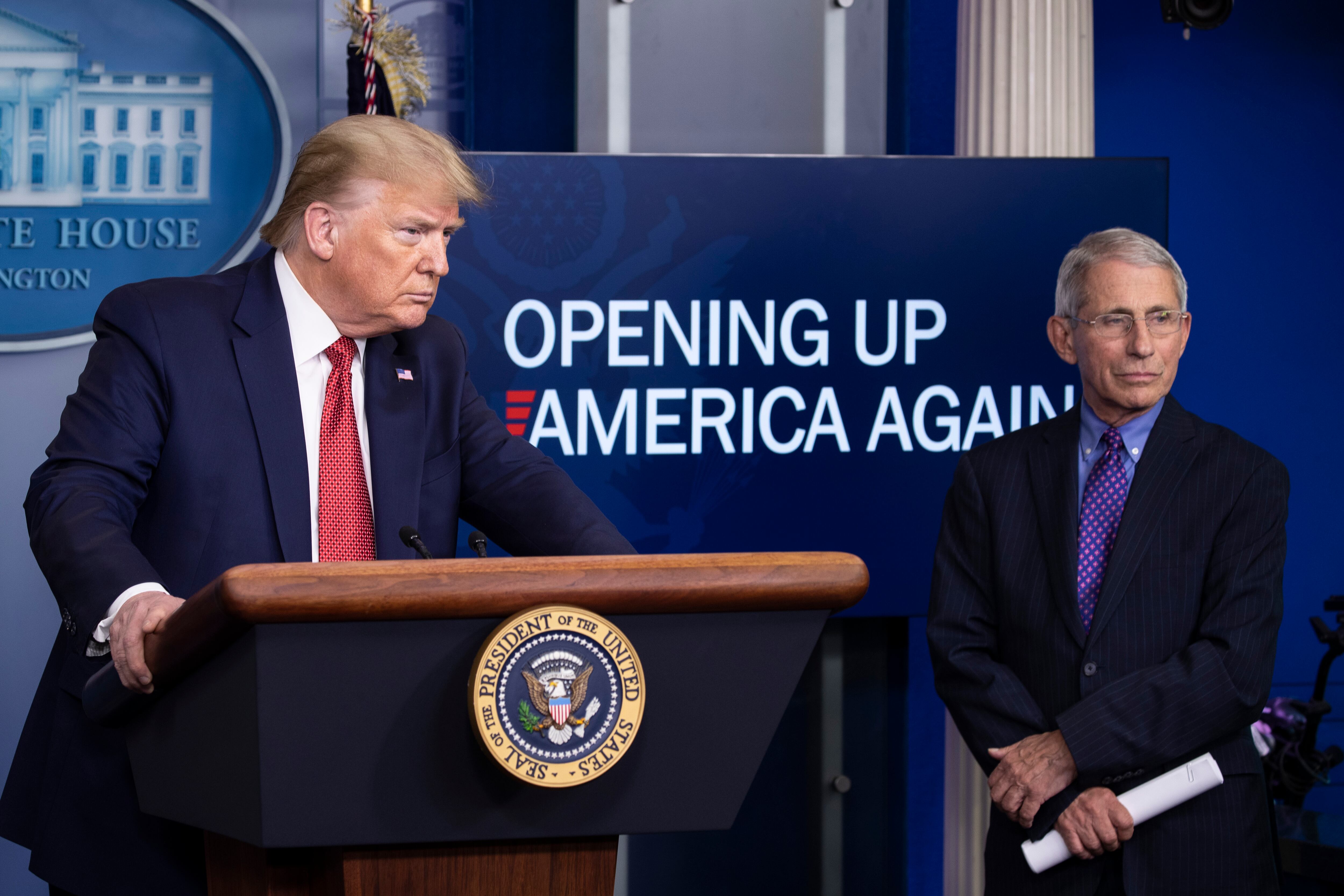
Dr. Beth Cameron, who is currently vice president of global biology programs at the Nuclear Threat Initiative, was previously a senior director in the White House pandemic office under the National Security Council.
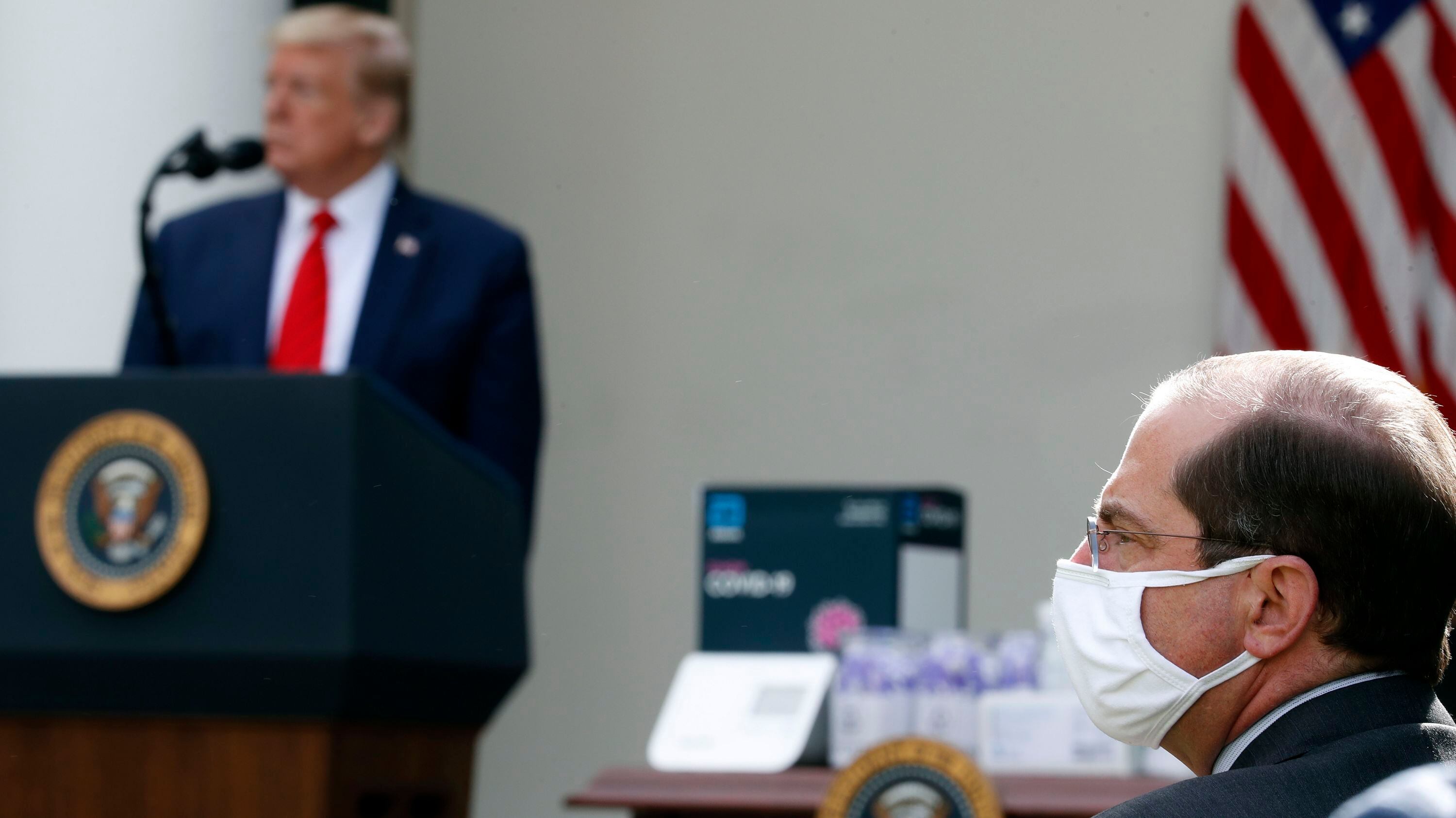
The White House is requiring everyone who enters the West Wing to wear a mask or face covering.
Tesla CEO Elon Musk confirmed on Twitter Monday that the company has restarted its California factory in violation of local government orders.
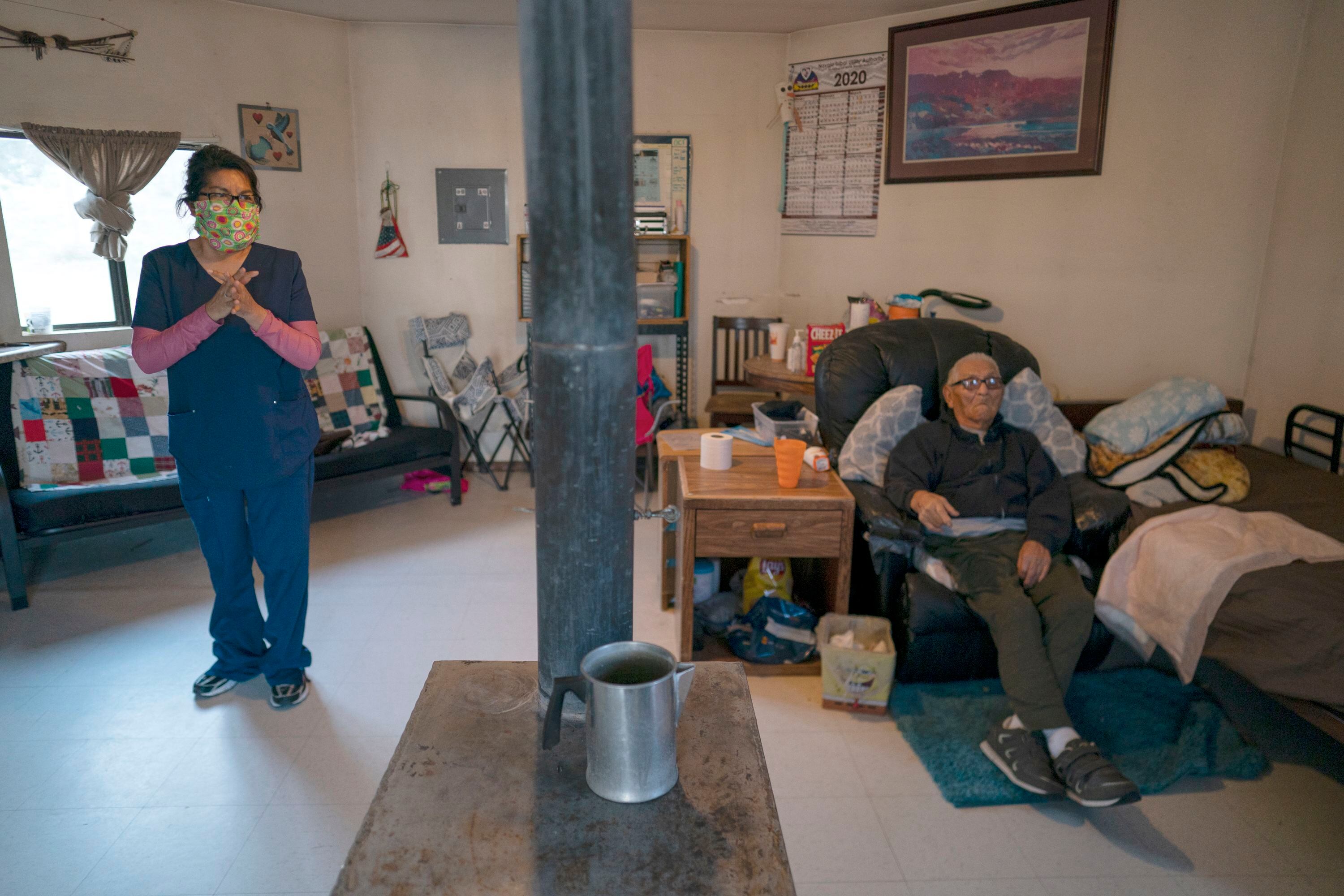
The Navajo reservation spans three western U.S. states and has some of the highest rates of coronavirus in the country. With roughly 175,000 people living there, the tribe has seen 3,122 cases. At least 100 people have died.
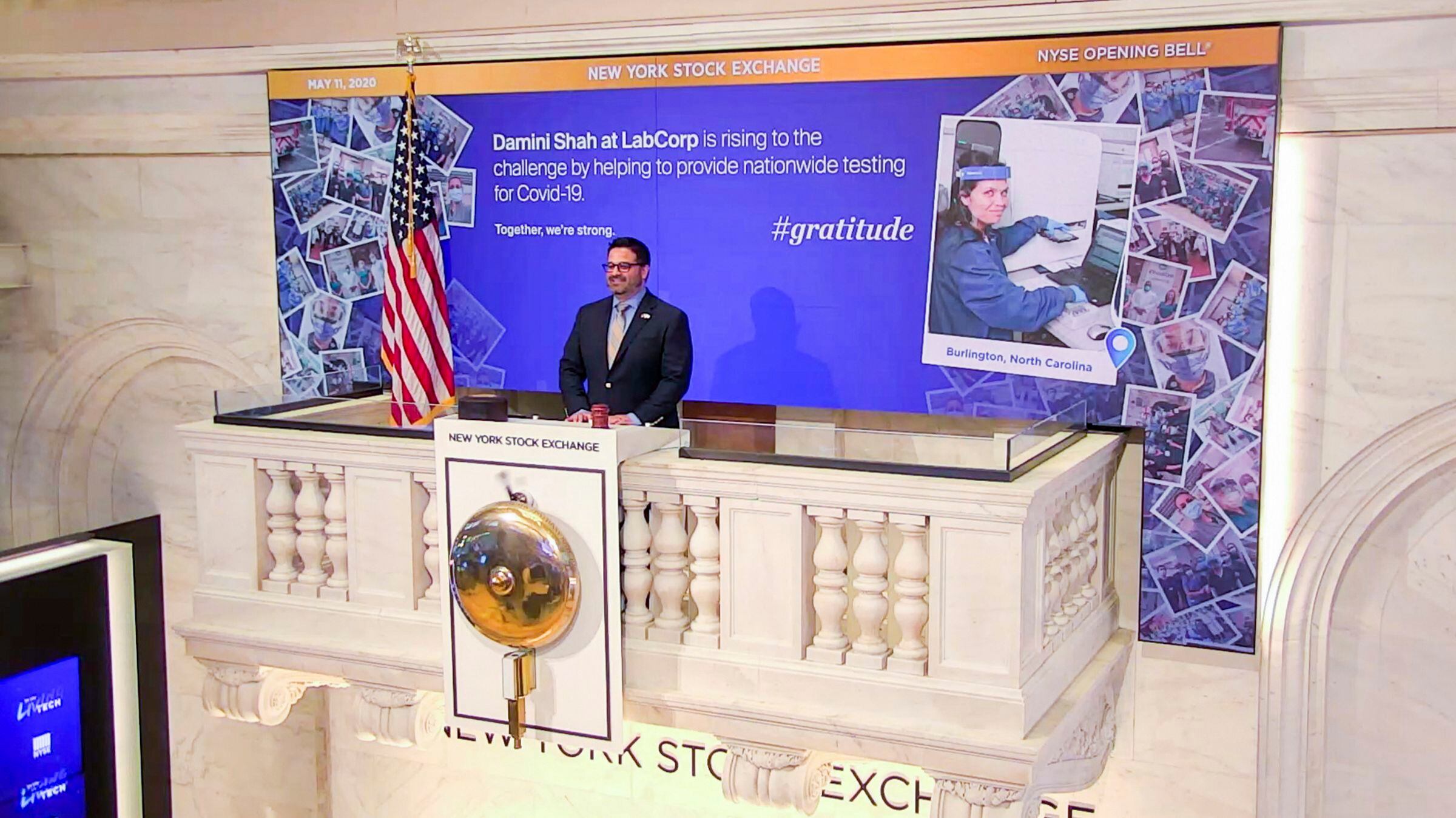
Stocks are dipping in early trading on Wall Street Monday and giving back some of the strong gains made last week.
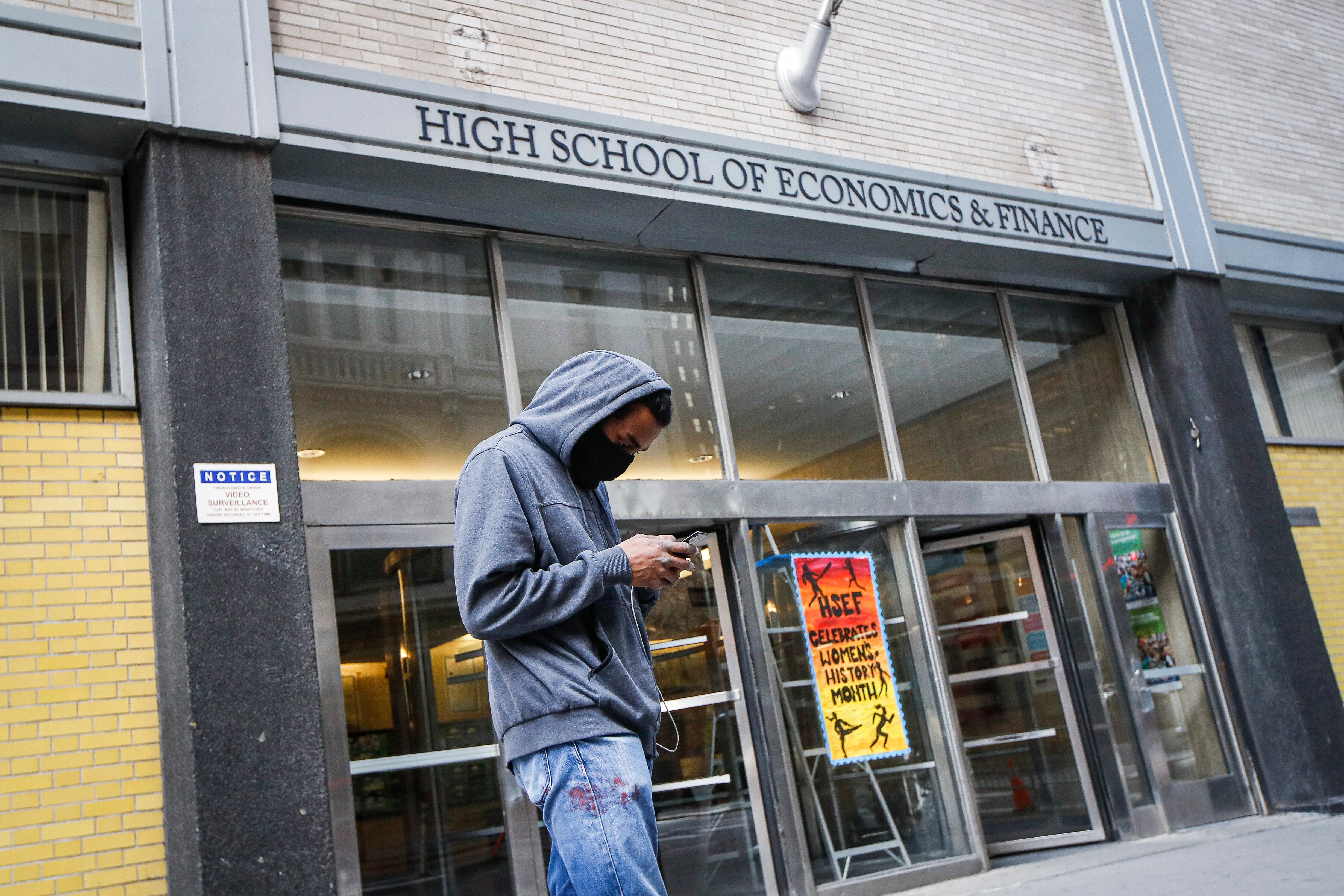
Coronavirus has forced New York City teachers to fundamentally change how they educate students. Now they're fighting for their own vision of how and when schools should reopen.
From Wall Street to Silicon Valley, these are the top stories that moved markets and had investors, business leaders, and entrepreneurs talking this week on Cheddar.
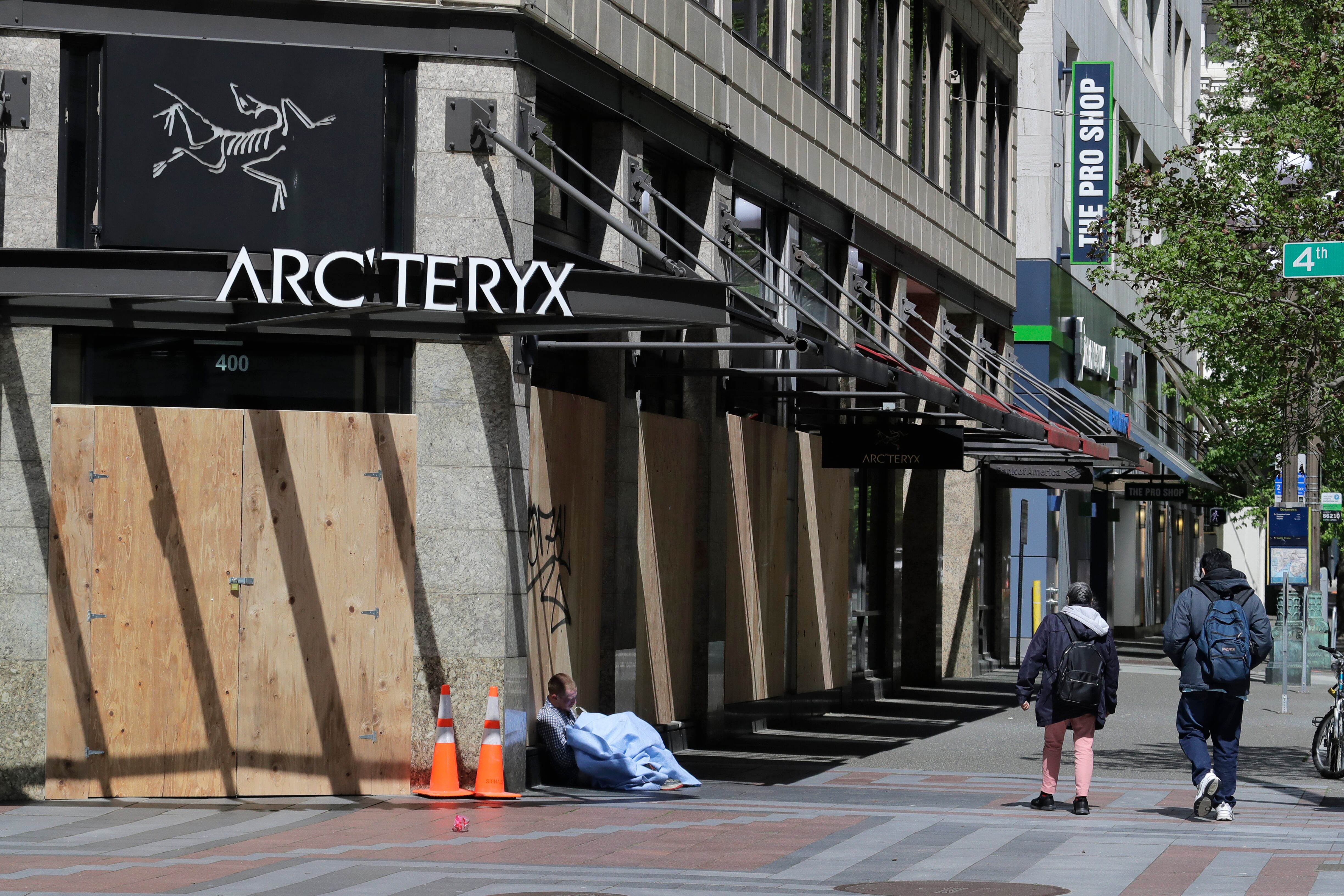
Businesses from coast-to-coast were forced to closed their doors when the coronavirus outbreak arrived in the U.S. Practically overnight, 33 million Americans (so far) suddenly lost their livelihoods. Cheddar is speaking to some of these workers who have found themselves unexpectedly unemployed in today's turbulent environment.
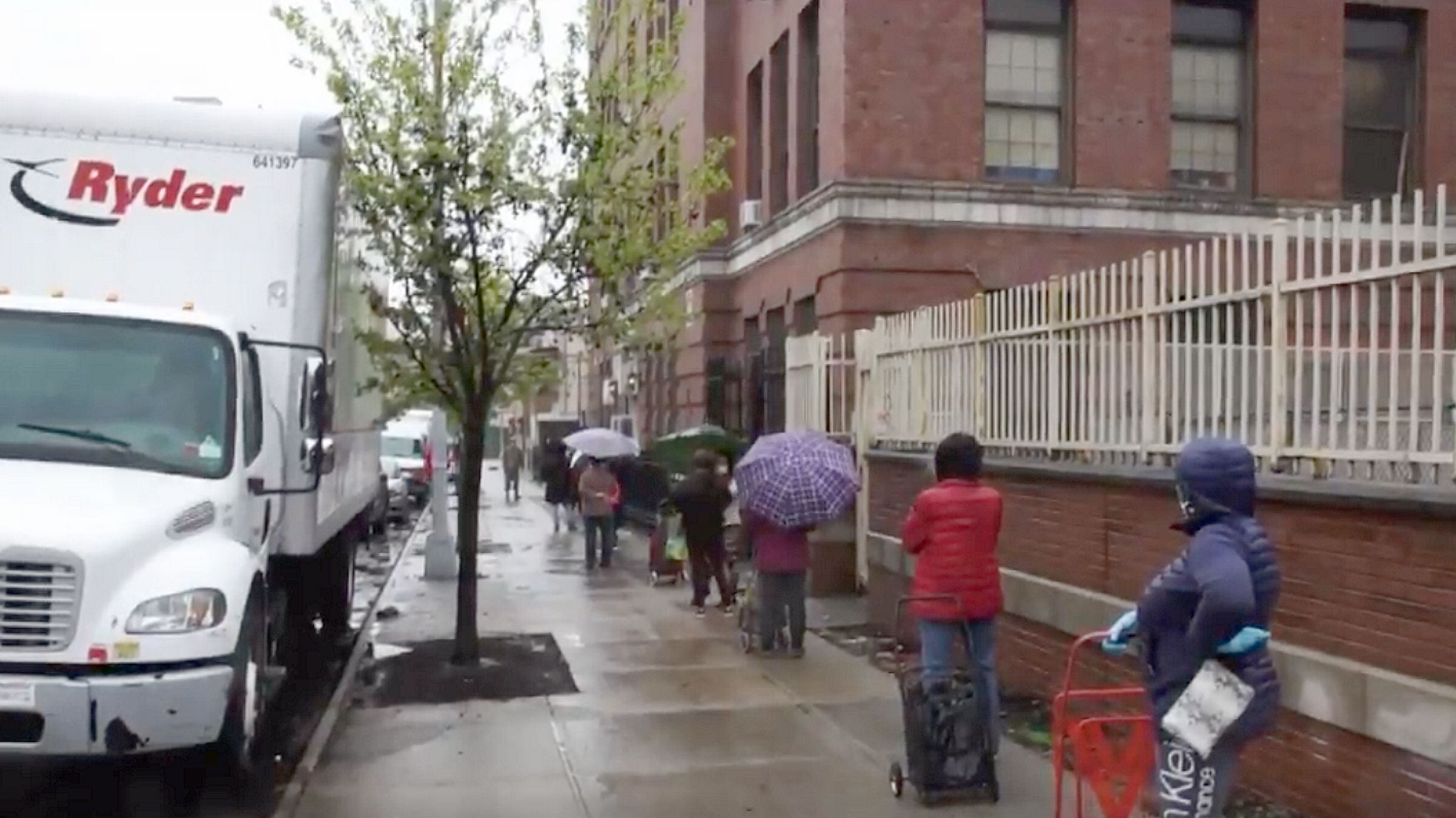
Unprecedented pressure from the coronavirus pandemic has forced the closure of roughly 35 percent of food pantries in New York City, just as the number of residents facing food insecurity has surged by about 800,000 to two million.
To restaurants and bars struggling to stay open for food delivery and pick-up, the ability to add high-margin cocktails and mixed drinks to the check has provided a crucial revenue stream.