*By Justin Chermol*
The daunting task of paying back astronomical student loans may soon be less taxing, California Congressman Scott Peters tells told Cheddar Tuesday.
Rep. Peters (D-Calif.) has received 99 co-sponsors on his bipartisan Employer Participation in Repayment Act, which would allow employers to contribute to their employees' student loan payments, tax-free.
"The idea is this: if you go to work for a company, they can pay off up to $5,250 of your student loans in a year without it being income to you, so it's not taxable to you," Peters told Cheddar's J.D. Durkin.
"If you talk to any young person about ... the big thing on their mind: it's student loan debt. They're not buying a house, they're not getting a car, they're living with their parents, all because they have this burden."
According to a recent [report](https://www.federalreserve.gov/publications/files/consumer-community-context-201901.pdf) from the Federal Reserve, the rise in student loan debt from 2005 to 2014 has contributed to a decline in home ownership.
Nearly one in four American adults are paying off student loans. That amounts to over 44 million citizens who hold collectively almost $1.5 trillion in student debt.
"The average debt now, out of a public university: $30,000 for each kid," Peters said.
Peters also said that the bill could benefit the employer as well ー as educated talent will be attracted to jobs that offer this tax-free incentive.
Peter said he feels good about the bill's chances of at least making it to the House floor for a vote.
"I am more optimistic about that in this Congress with Mrs. Pelosi, rather than Mr. Ryan. I think that we are likely to deal with this issue in a serious way," Peters said. "That's the first step."
Driven by a rare urgency, Senate Republicans are poised to unveil an extensive package of policing changes that includes new restrictions on police chokeholds and other practices.
From Wall Street to Silicon Valley, these are the top stories that moved markets and had investors, business leaders, and entrepreneurs talking this week on Cheddar.
In its semi-annual monetary policy report to Congress, the central bank said that the COVID-19 outbreak was causing “tremendous human and economic hardship across the United States and around the world.”
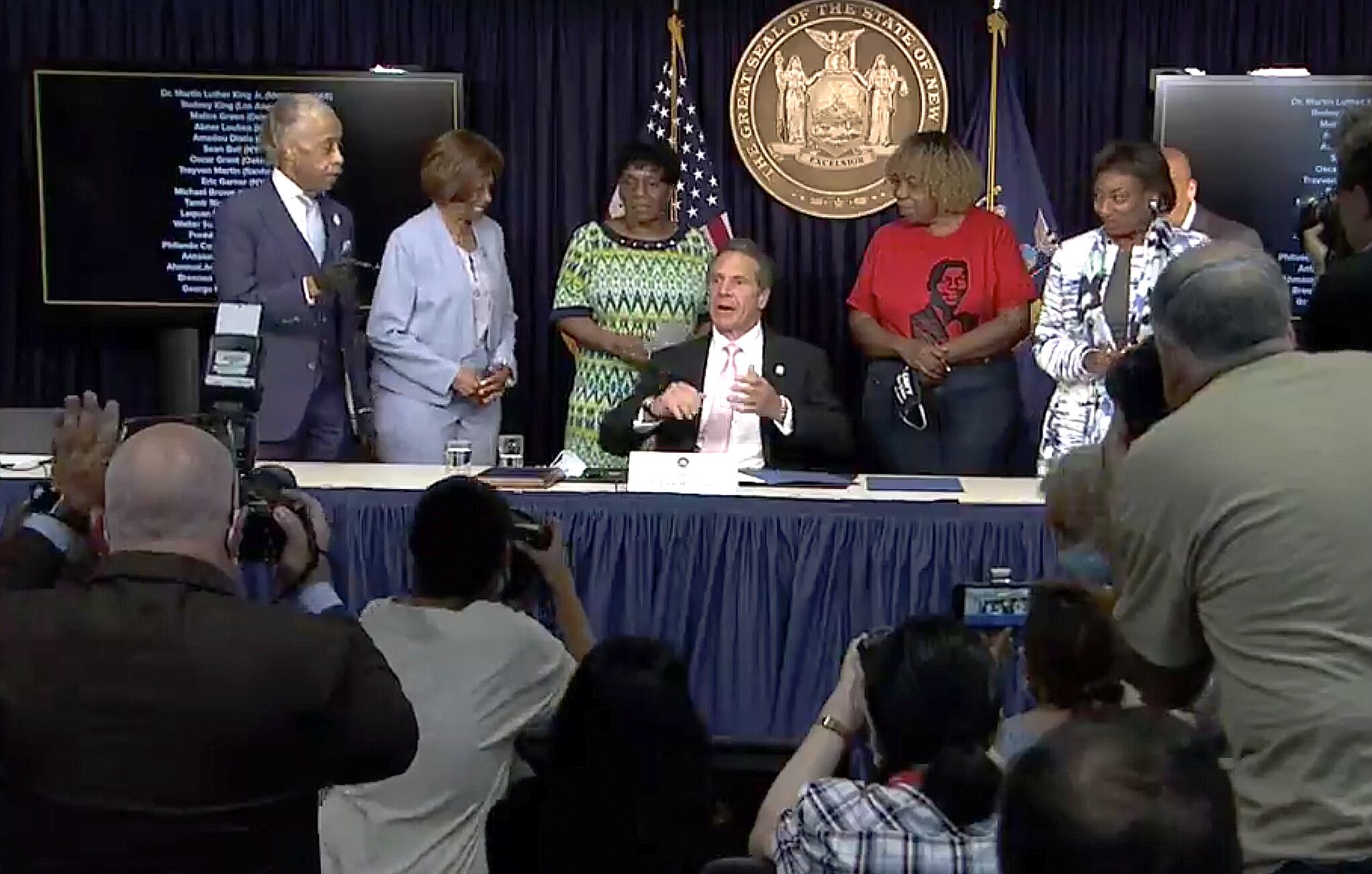
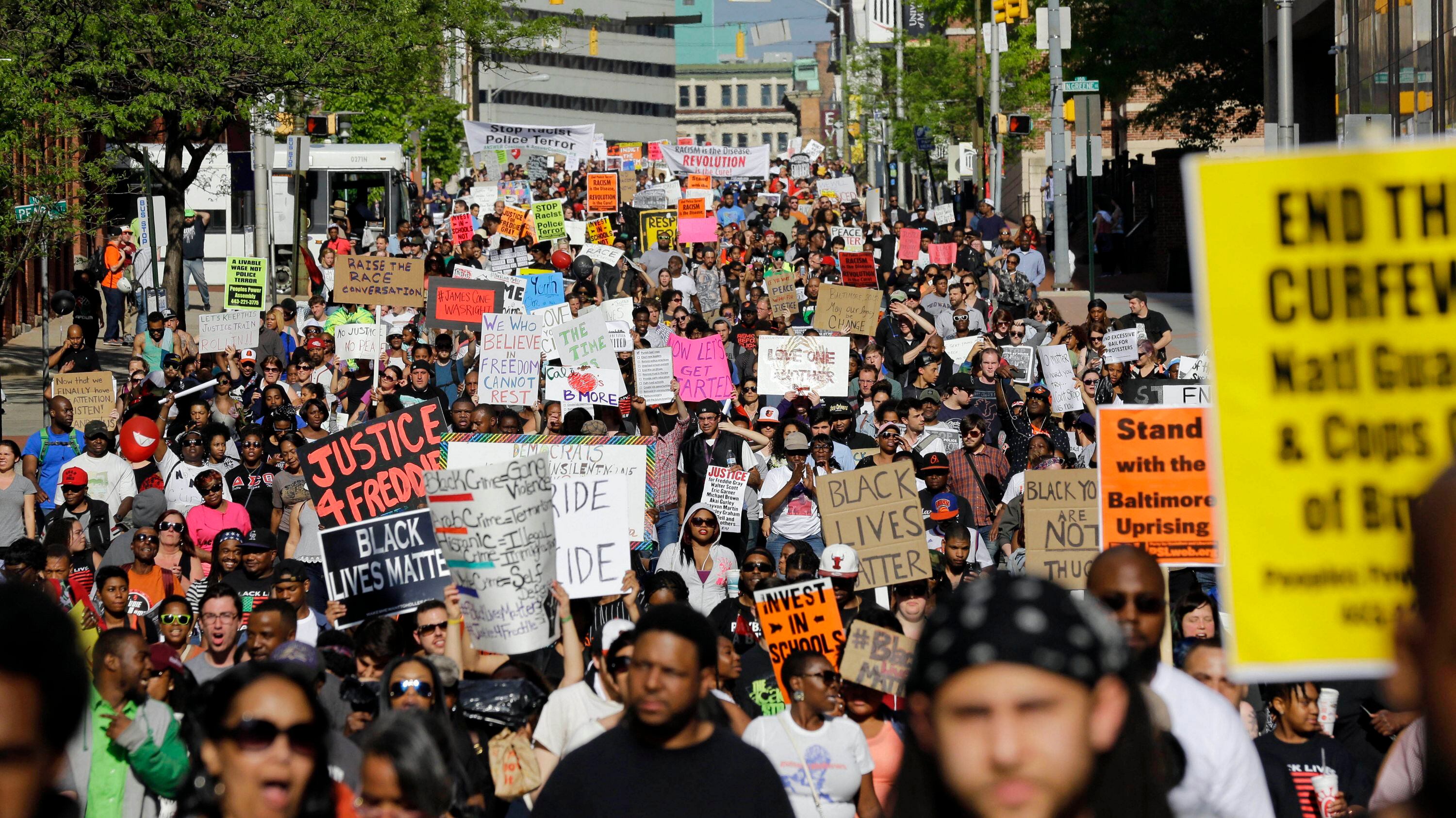
New York Gov. Andrew Cuomo has signed into law a sweeping package of police accountability measures that received new backing following protests of George Floyd's killing.
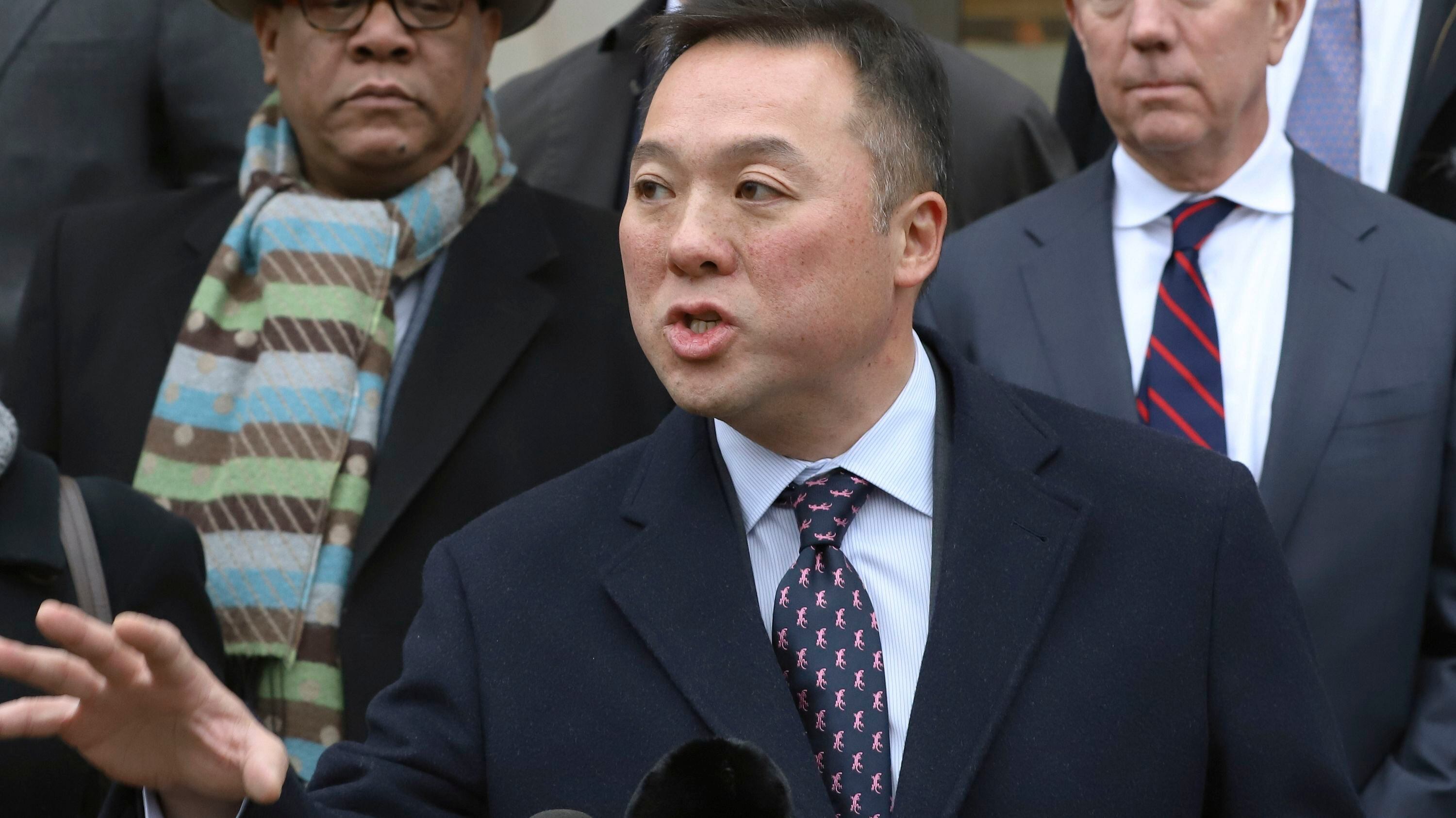
Connecticut Attorney General William Tong joined Cheddar to discuss the details of the investigation into the price-fixing of generic drugs.
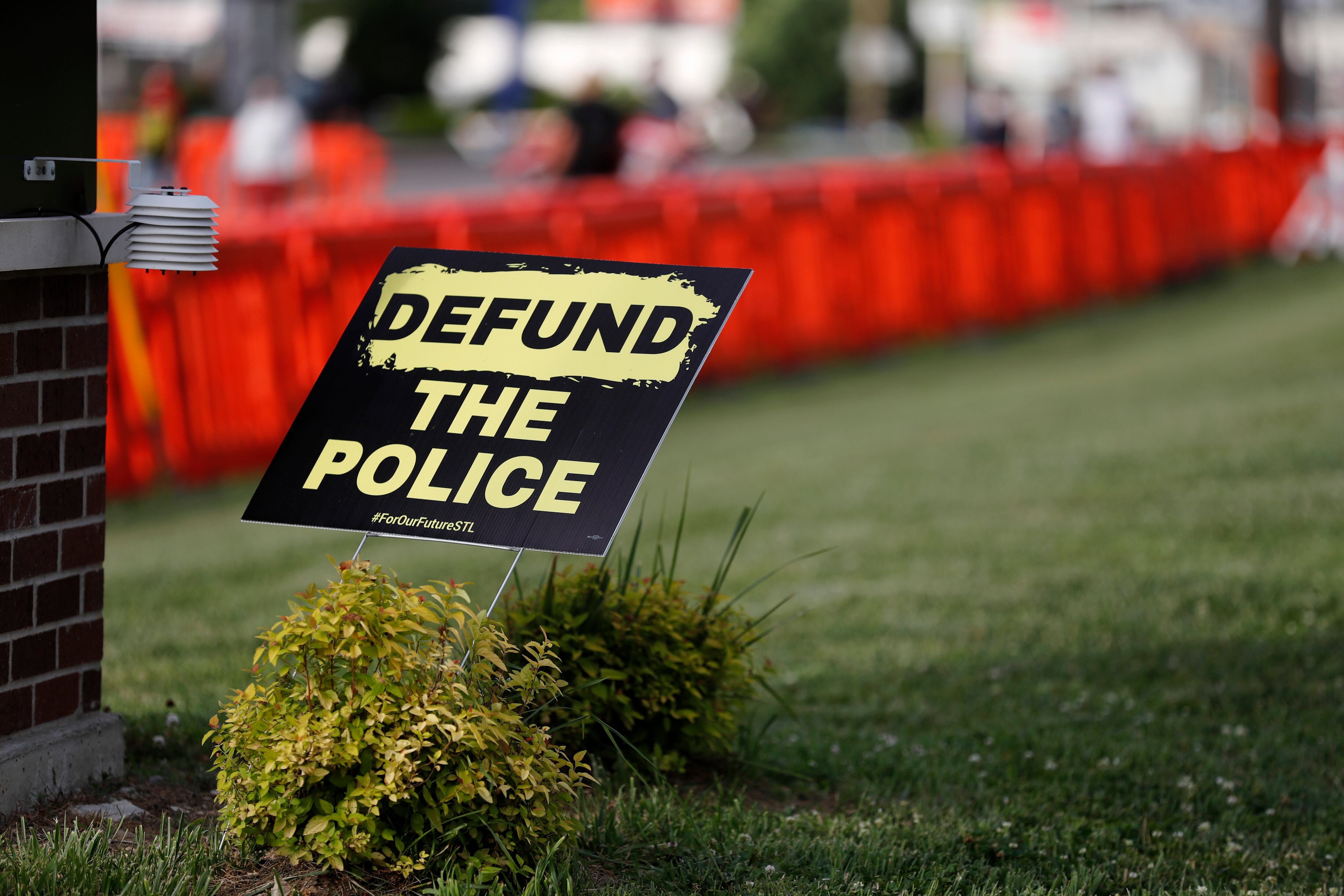
What exactly "defund" means in practice varies depending on who you're asking, but the broader goal is simple: funnel money away from law enforcement into other public programs.
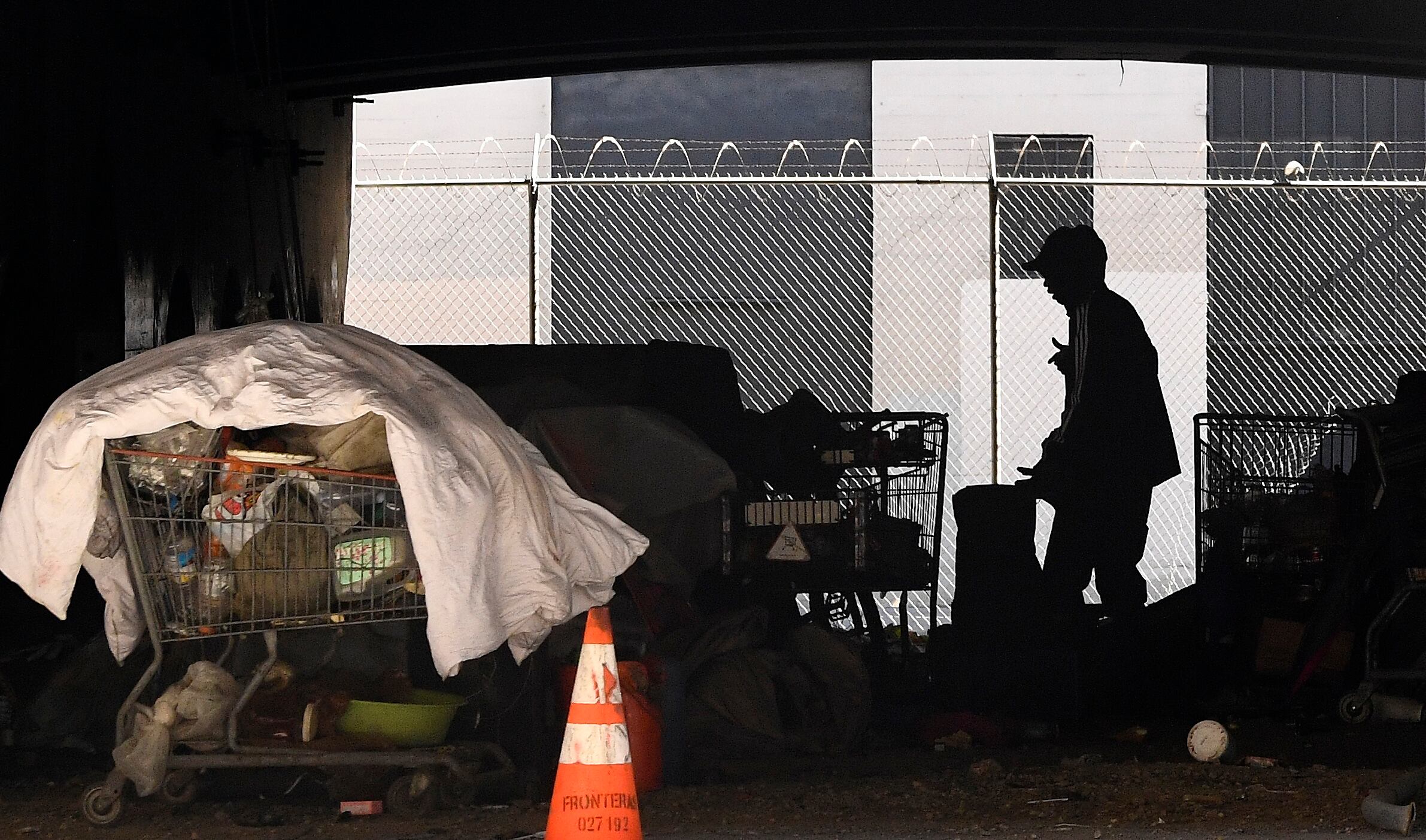
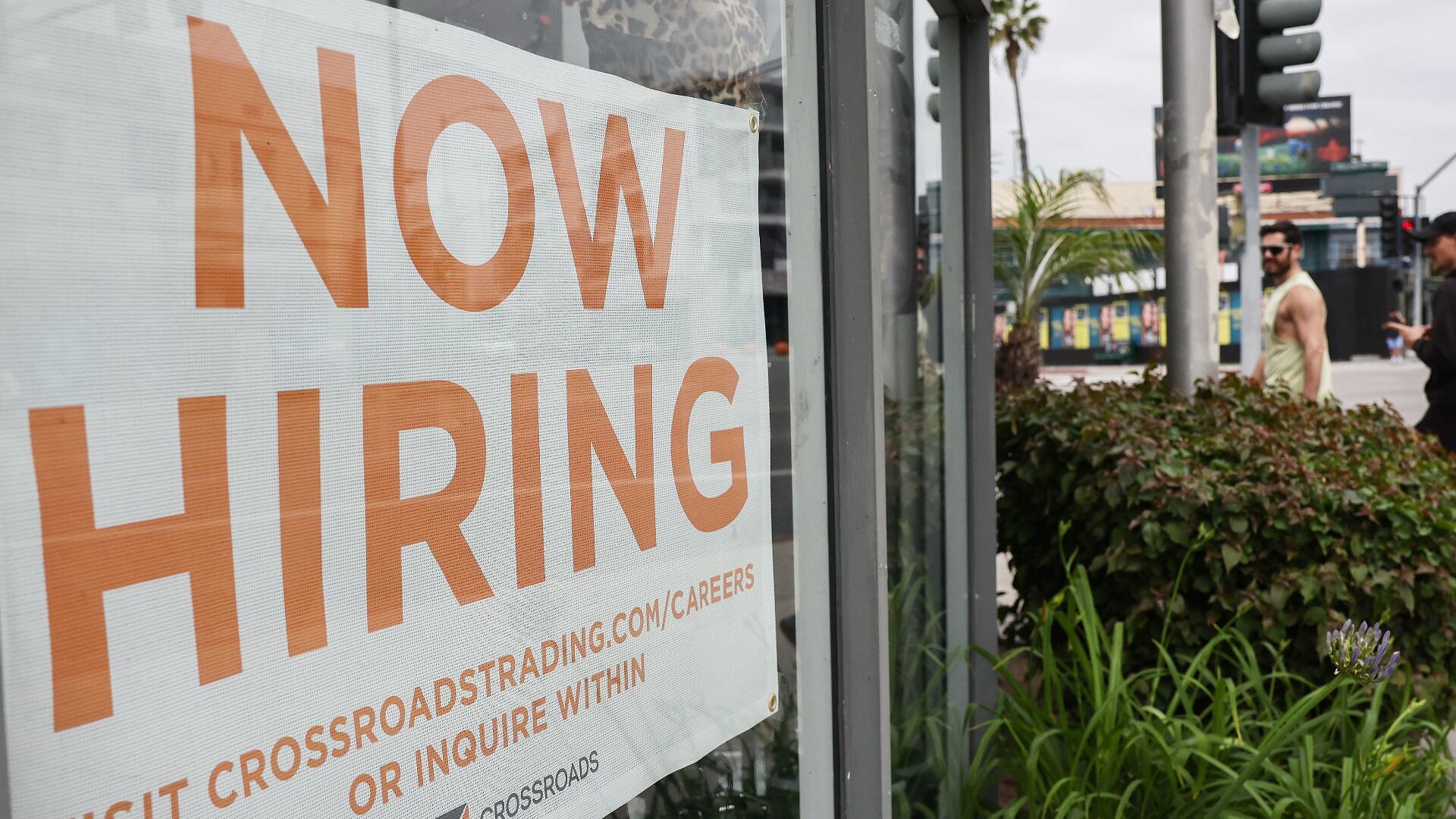
The problem of homelessness continues to get worse in Los Angeles County. The number of homeless people counted over the past year jumped nearly 13% to more than 66,000 and officials fear another spike due to the impact of the coronavirus pandemic.
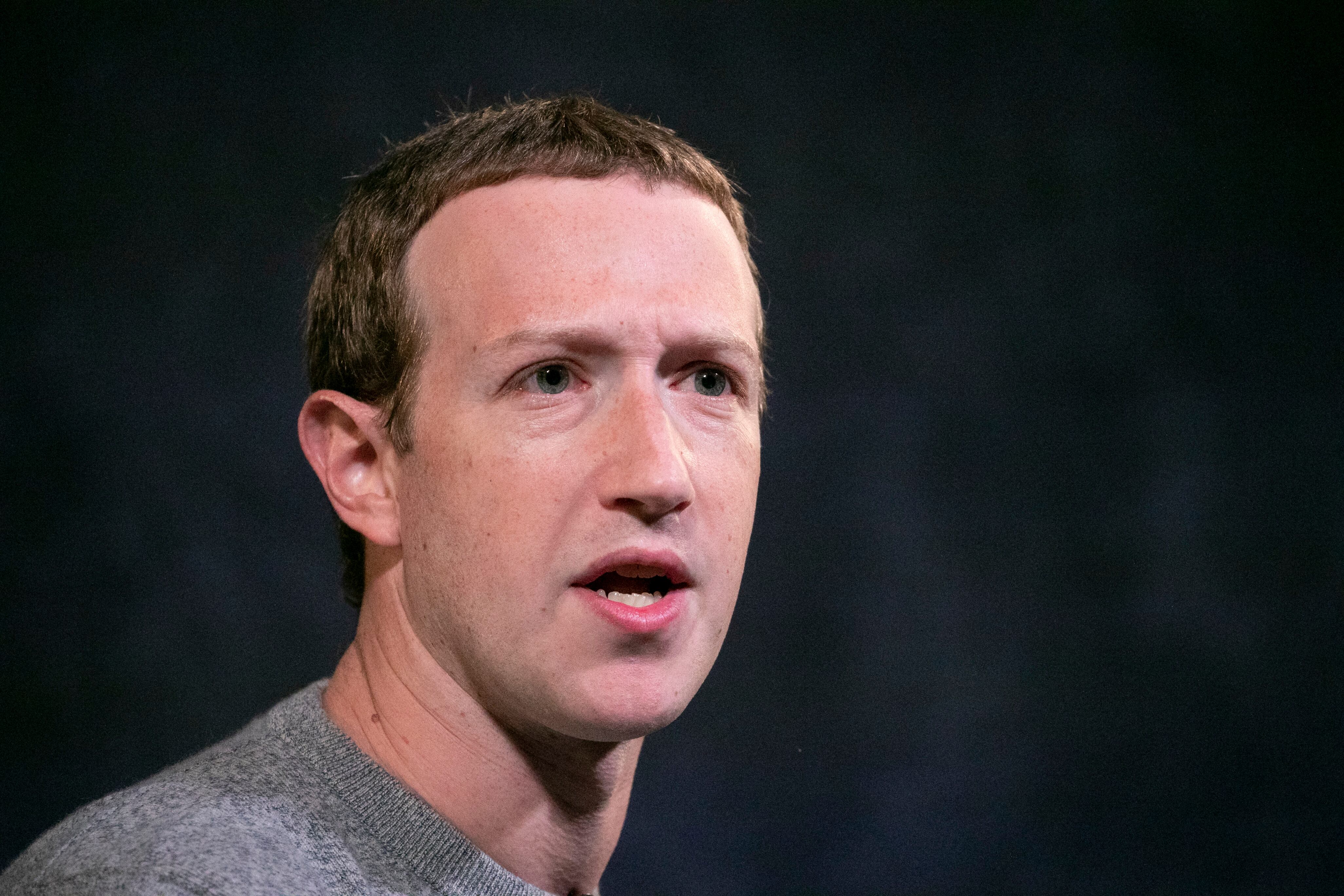
As Twitter waded into controversy for taking steps to fight misinformation and controversial remarks from perhaps its most famous tweeter, President Donald Trump, Facebook has taken the opposite tack, but with no less backlash.
Will Jawando, Montgomery County, Maryland councilmember, has introduced a resolution deeming racism a public health crisis. Jawando explains how systemic racism negatively impacts the black community beyond policing.
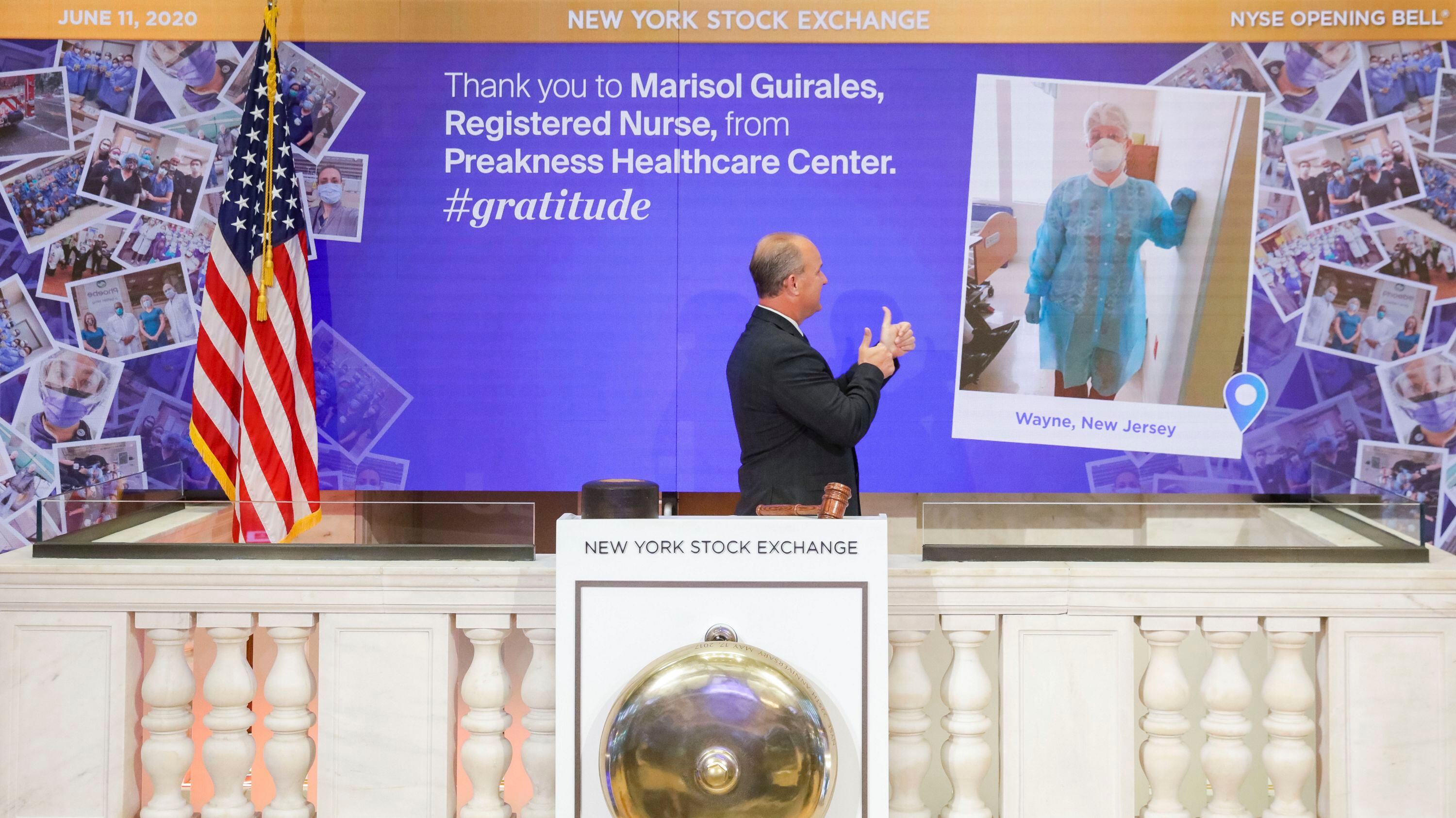
he Dow Jones industrials lost more than 1,800 points, nearly 7%, as increases in coronavirus cases deflated optimism that the economy could recover quickly from its worst crisis in decades.