*By Justin Chermol*
The daunting task of paying back astronomical student loans may soon be less taxing, California Congressman Scott Peters tells told Cheddar Tuesday.
Rep. Peters (D-Calif.) has received 99 co-sponsors on his bipartisan Employer Participation in Repayment Act, which would allow employers to contribute to their employees' student loan payments, tax-free.
"The idea is this: if you go to work for a company, they can pay off up to $5,250 of your student loans in a year without it being income to you, so it's not taxable to you," Peters told Cheddar's J.D. Durkin.
"If you talk to any young person about ... the big thing on their mind: it's student loan debt. They're not buying a house, they're not getting a car, they're living with their parents, all because they have this burden."
According to a recent [report](https://www.federalreserve.gov/publications/files/consumer-community-context-201901.pdf) from the Federal Reserve, the rise in student loan debt from 2005 to 2014 has contributed to a decline in home ownership.
Nearly one in four American adults are paying off student loans. That amounts to over 44 million citizens who hold collectively almost $1.5 trillion in student debt.
"The average debt now, out of a public university: $30,000 for each kid," Peters said.
Peters also said that the bill could benefit the employer as well ー as educated talent will be attracted to jobs that offer this tax-free incentive.
Peter said he feels good about the bill's chances of at least making it to the House floor for a vote.
"I am more optimistic about that in this Congress with Mrs. Pelosi, rather than Mr. Ryan. I think that we are likely to deal with this issue in a serious way," Peters said. "That's the first step."
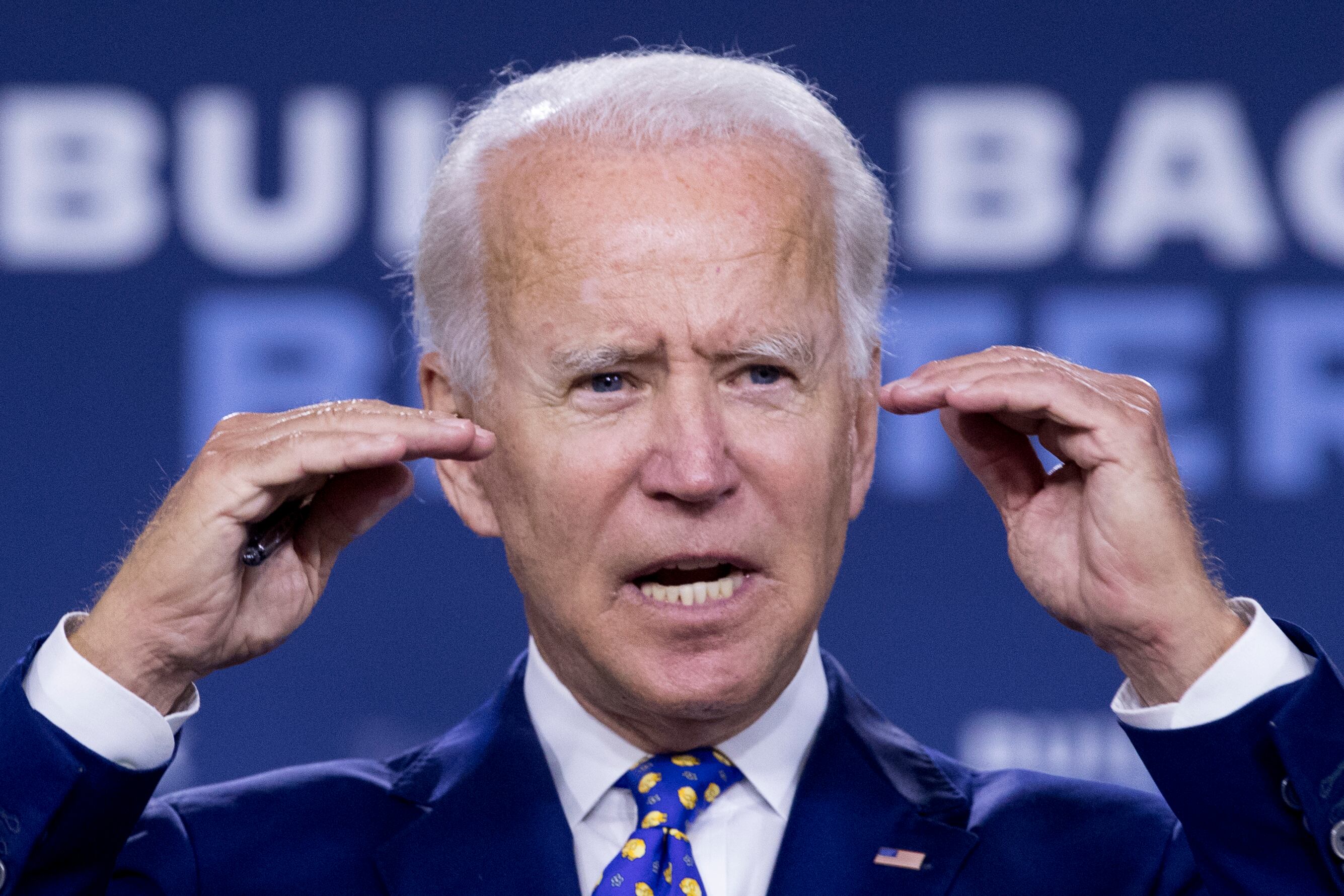
Democratic presidential candidate Joe Biden will not travel to Milwaukee to accept his party's White House nomination because of concerns over the coronavirus.
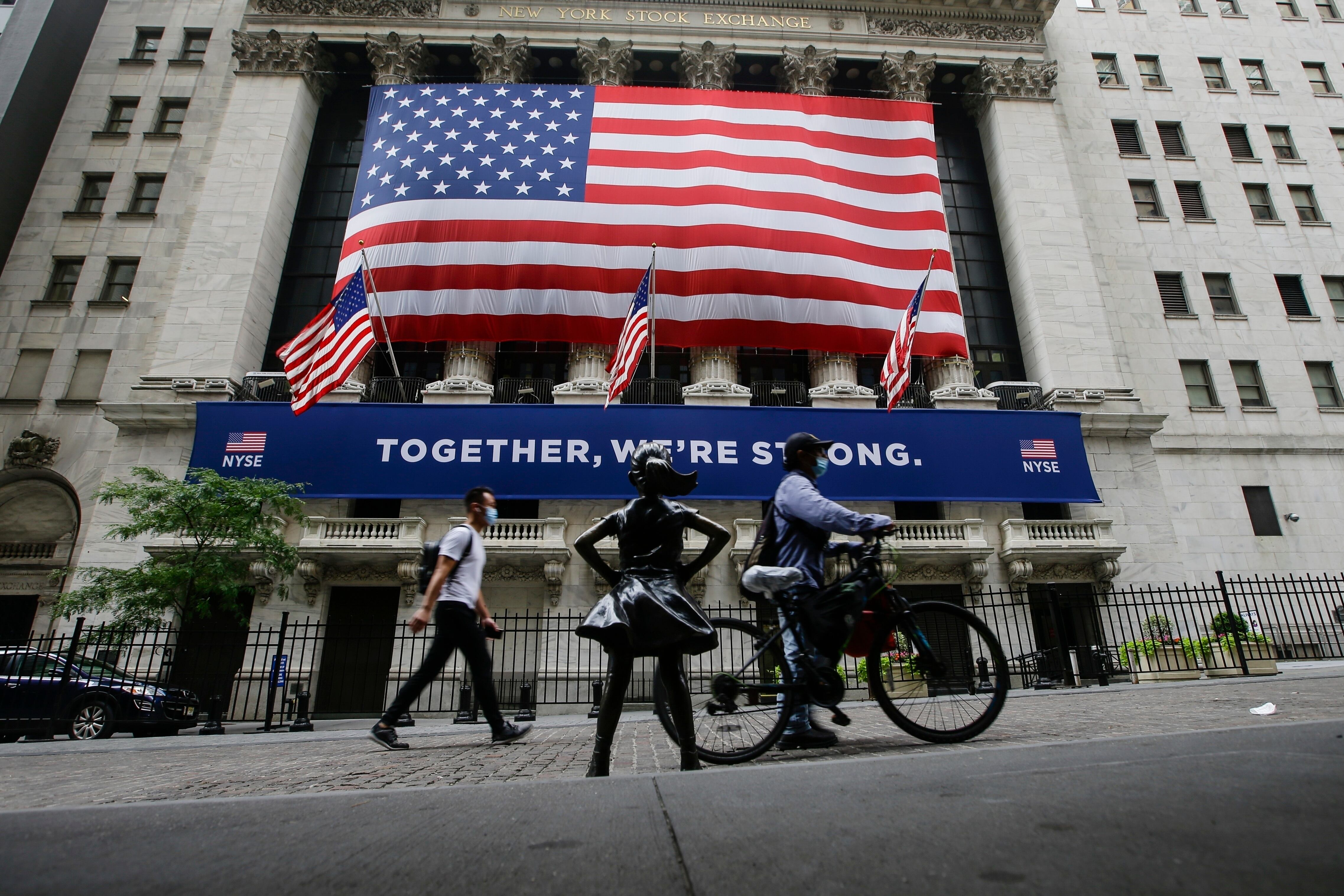
U.S. stock indexes drifted higher Tuesday as Wall Street's big rally eased off the accelerator.
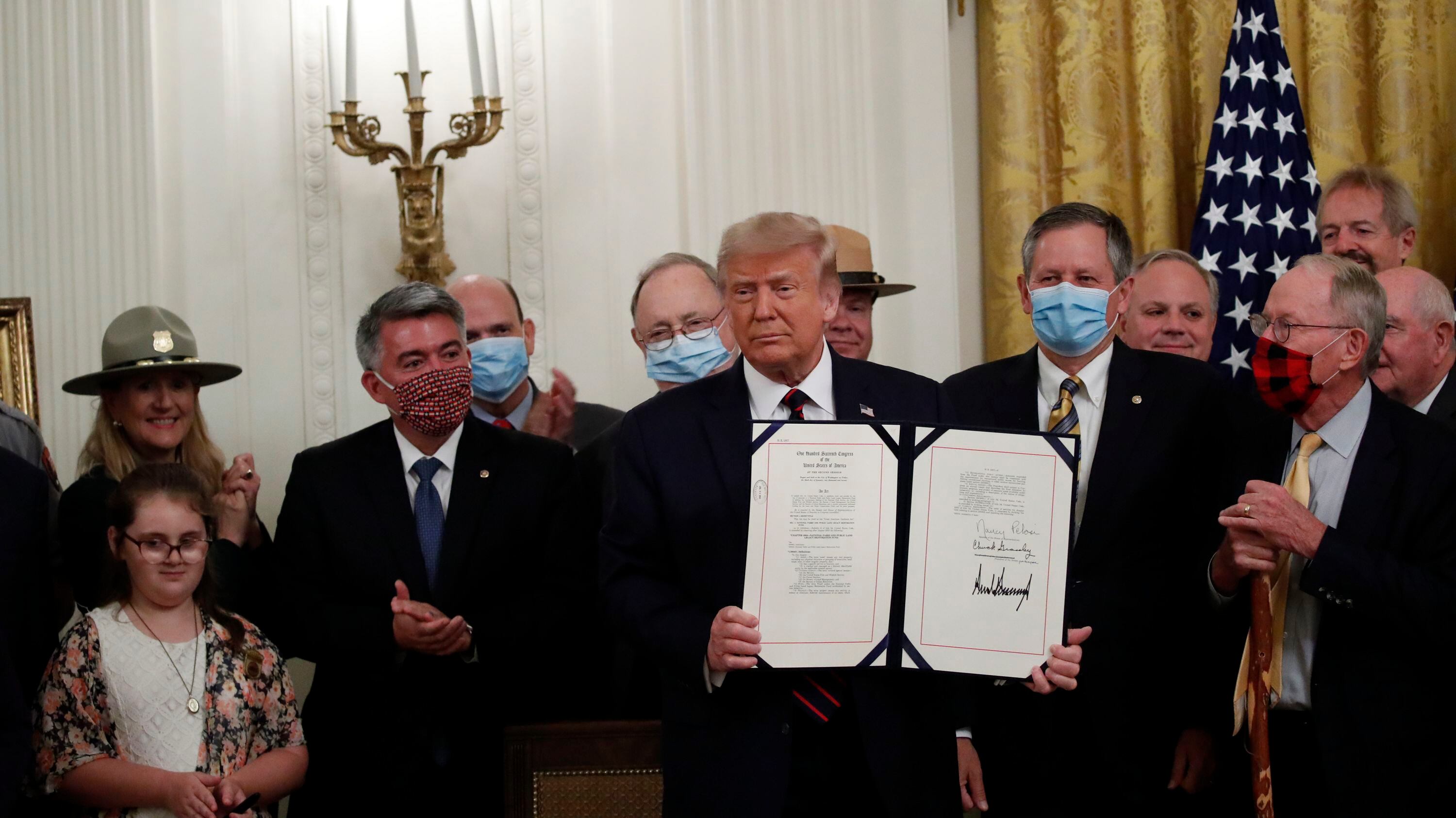
President Donald Trump has signed into law legislation that will devote nearly $3 billion annually to conservation projects, outdoor recreation and maintenance of national parks and other public lands.
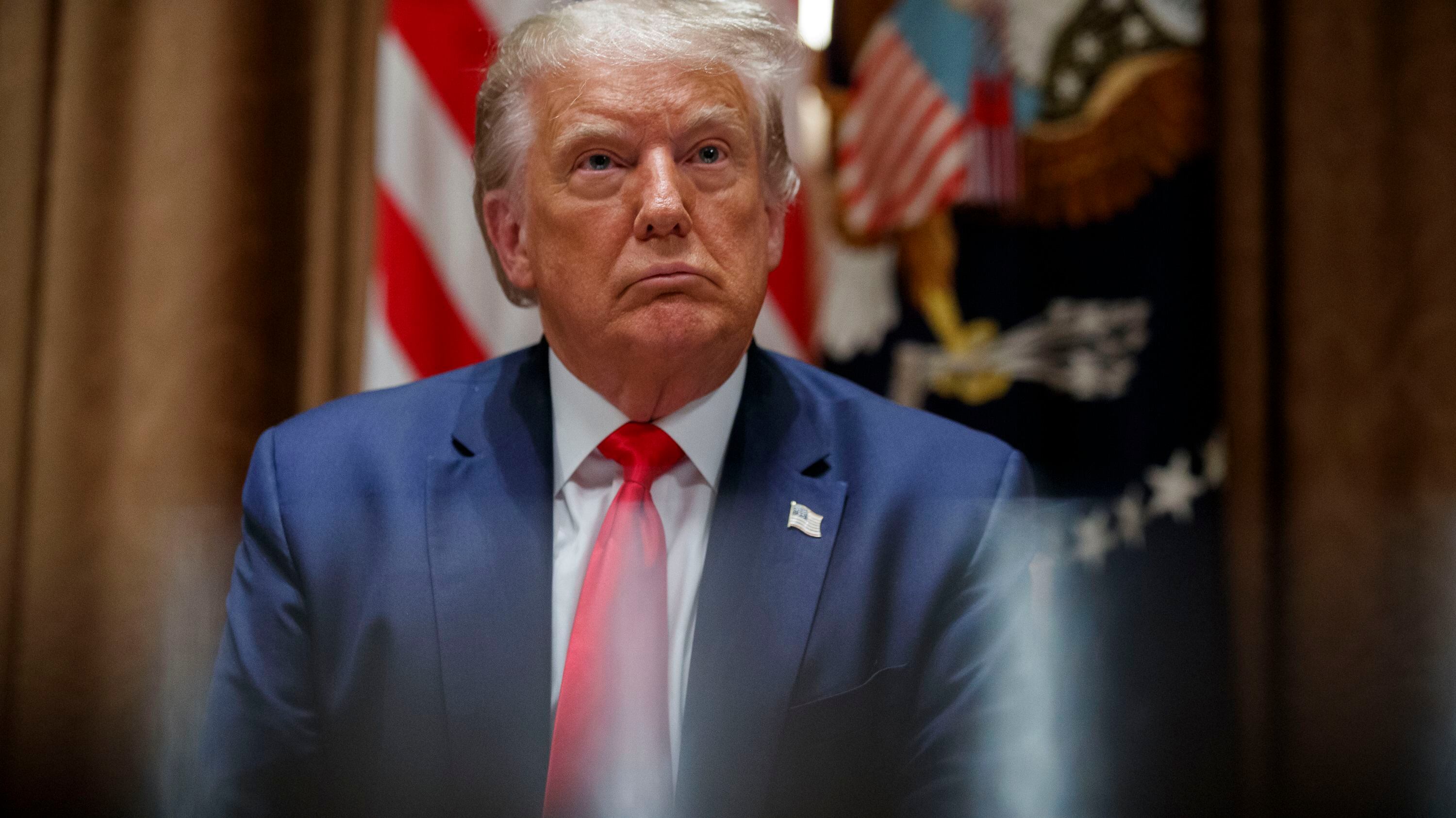
A Manhattan prosecutor trying to get President Donald Trump’s tax returns told a judge that he was justified in demanding them, citing public reports of “extensive and protracted criminal conduct at the Trump Organization.”
Since March, there have been 423 workplace litigation cases related to COVID-19, according to a tracker developed by the law firm Fisher Phillips.
Parents in Georgia, Louisiana, Mississippi and Tennessee are among those who will be the first to navigate the new academic year as schools open up in parts of those states this week.
While the U.S. economy shrank at an annualized rate of 32.9 percent during the second quarter, the downturn didn't seem to affect Facebook at all.
From Wall Street to Silicon Valley, these are the top stories that moved markets and had investors, business leaders, and entrepreneurs talking this week on Cheddar.
Dr. Anthony Fauci has told lawmakers that once a coronavirus vaccine is approved as safe and effective, Americans should have widespread access within a reasonable time.
President Trump has rolled back and an Obama-era fair housing policy, allowing developers to bypass building affordable housing in suburban neighborhoods. David Sanchez, director of research & development at National Community Stabilization Trust, assesses the move as a rallying call to Trump's base ahead of the November election.