*By Justin Chermol*
The daunting task of paying back astronomical student loans may soon be less taxing, California Congressman Scott Peters tells told Cheddar Tuesday.
Rep. Peters (D-Calif.) has received 99 co-sponsors on his bipartisan Employer Participation in Repayment Act, which would allow employers to contribute to their employees' student loan payments, tax-free.
"The idea is this: if you go to work for a company, they can pay off up to $5,250 of your student loans in a year without it being income to you, so it's not taxable to you," Peters told Cheddar's J.D. Durkin.
"If you talk to any young person about ... the big thing on their mind: it's student loan debt. They're not buying a house, they're not getting a car, they're living with their parents, all because they have this burden."
According to a recent [report](https://www.federalreserve.gov/publications/files/consumer-community-context-201901.pdf) from the Federal Reserve, the rise in student loan debt from 2005 to 2014 has contributed to a decline in home ownership.
Nearly one in four American adults are paying off student loans. That amounts to over 44 million citizens who hold collectively almost $1.5 trillion in student debt.
"The average debt now, out of a public university: $30,000 for each kid," Peters said.
Peters also said that the bill could benefit the employer as well ー as educated talent will be attracted to jobs that offer this tax-free incentive.
Peter said he feels good about the bill's chances of at least making it to the House floor for a vote.
"I am more optimistic about that in this Congress with Mrs. Pelosi, rather than Mr. Ryan. I think that we are likely to deal with this issue in a serious way," Peters said. "That's the first step."
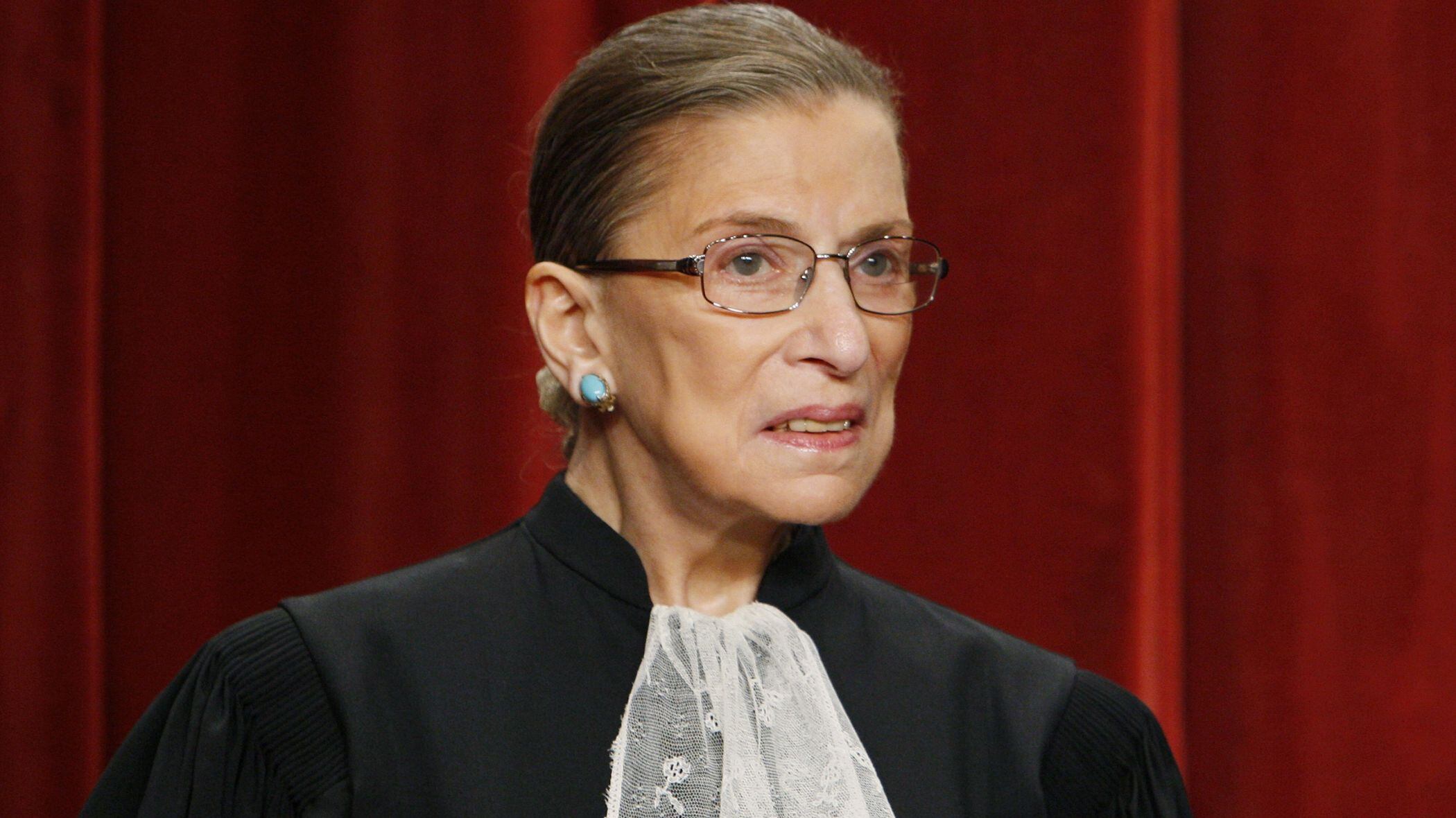
The late Supreme Court Justice Ruth Bader Ginsburg lay in state at the U.S. Capitol on Friday, the first woman in American history so honored at the domed building.
From Wall Street to Silicon Valley, these are the top stories that moved markets and had investors, business leaders, and entrepreneurs talking this week on Cheddar.
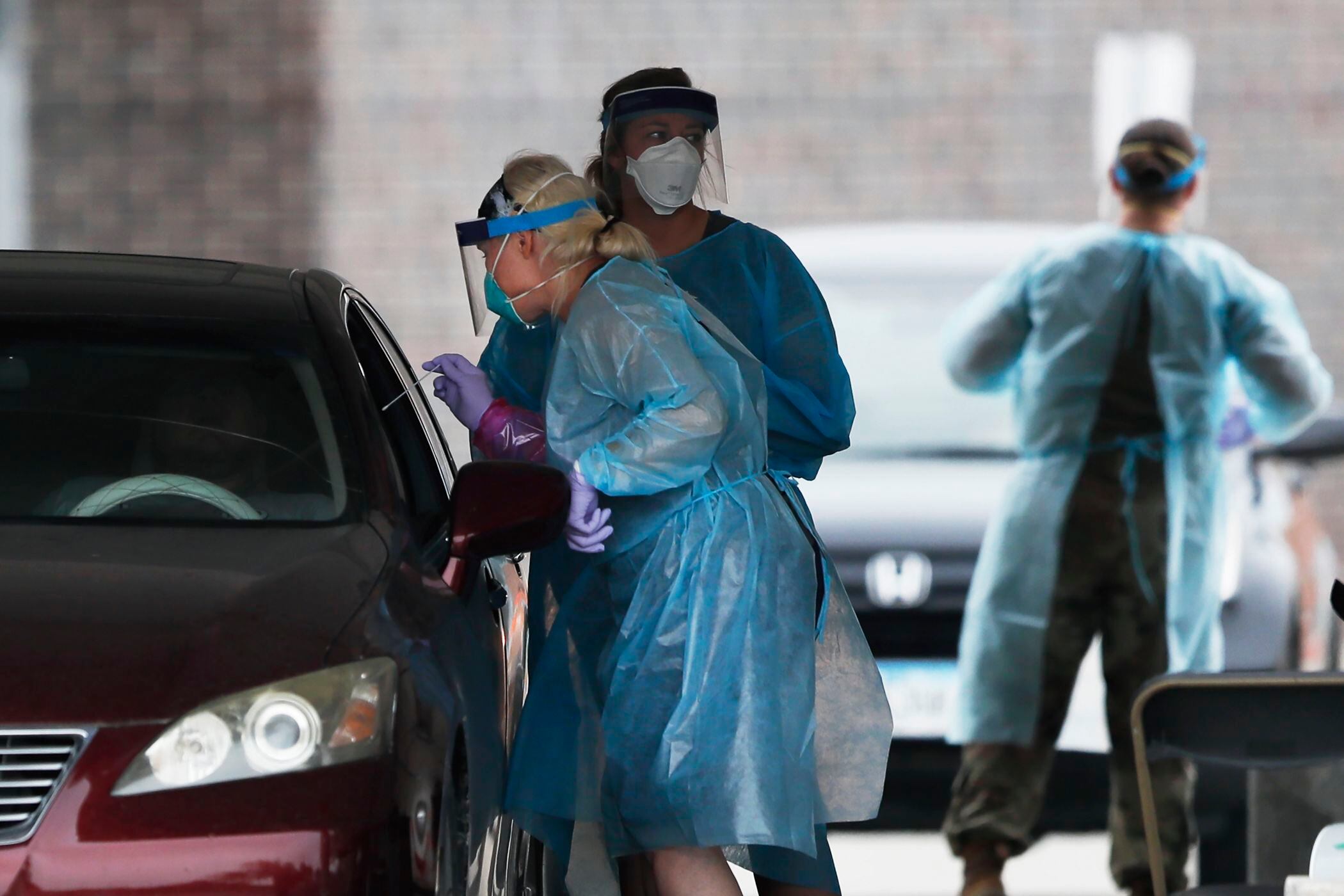
Dr. Paul Stoffels, chief scientific officer at Johnson & Johnson, joined Cheddar to discuss phase three COVID-19 vaccine trials. More than 60,000 people worldwide have volunteered to be part of the study.
A closer look at some key areas where Ginsburg was most influential reveals a jurist who defied easy ideological categories, especially when it came to business.
The pandemic is now striking cities with much smaller populations, often in conservative corners of America where anti-mask sentiment runs high.
Ohio Rep. Bob Latta joined Cheddar to discuss new safety legislation he's introduced for autonomous vehicles. The Self-Drive Act will create a national standard for operation of self-driving cars.
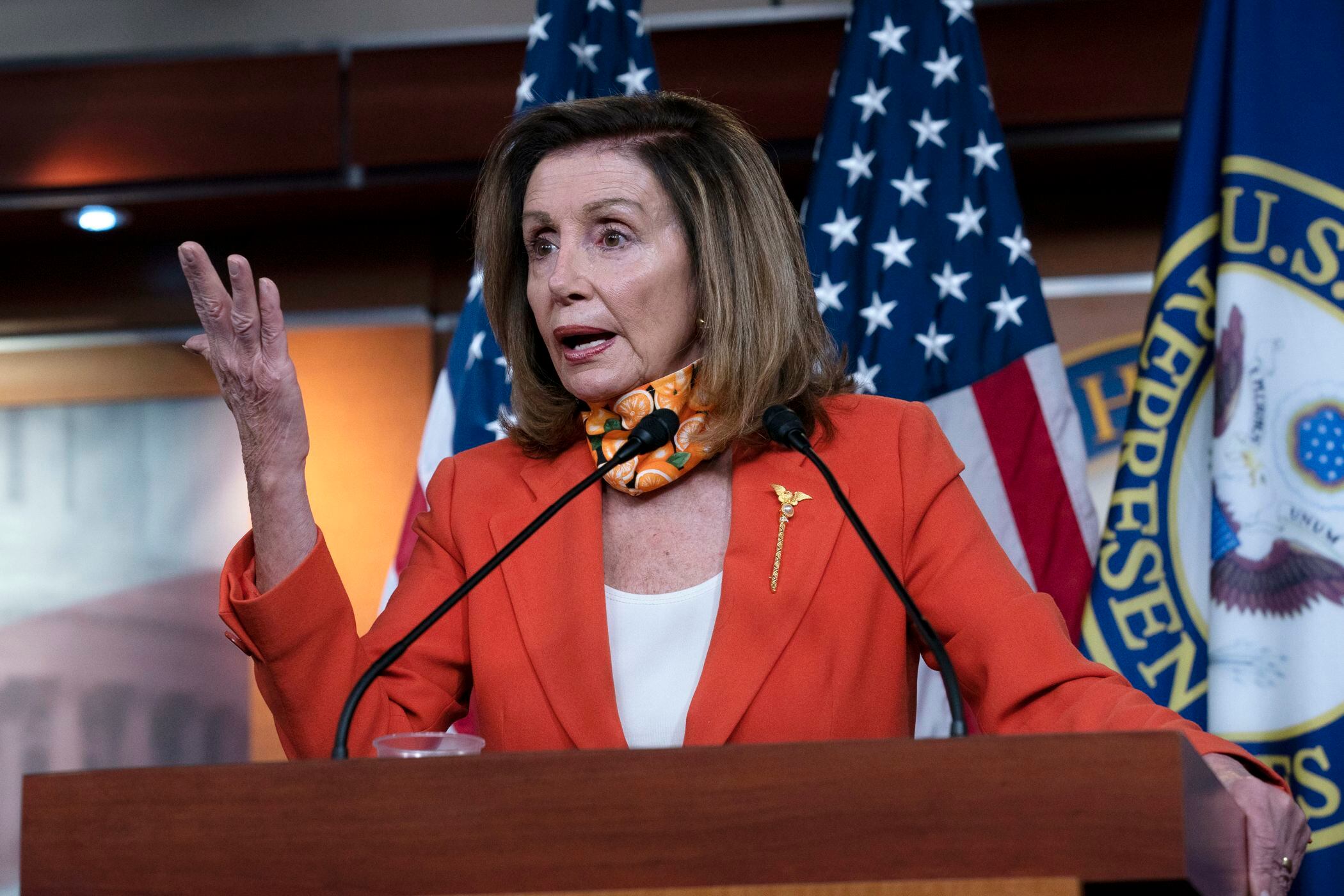
Democrats are going back to the drawing board on a huge virus relief bill. House Democrats say they are paring back their proposal in an attempt to jump-start negotiations with the Trump administration.
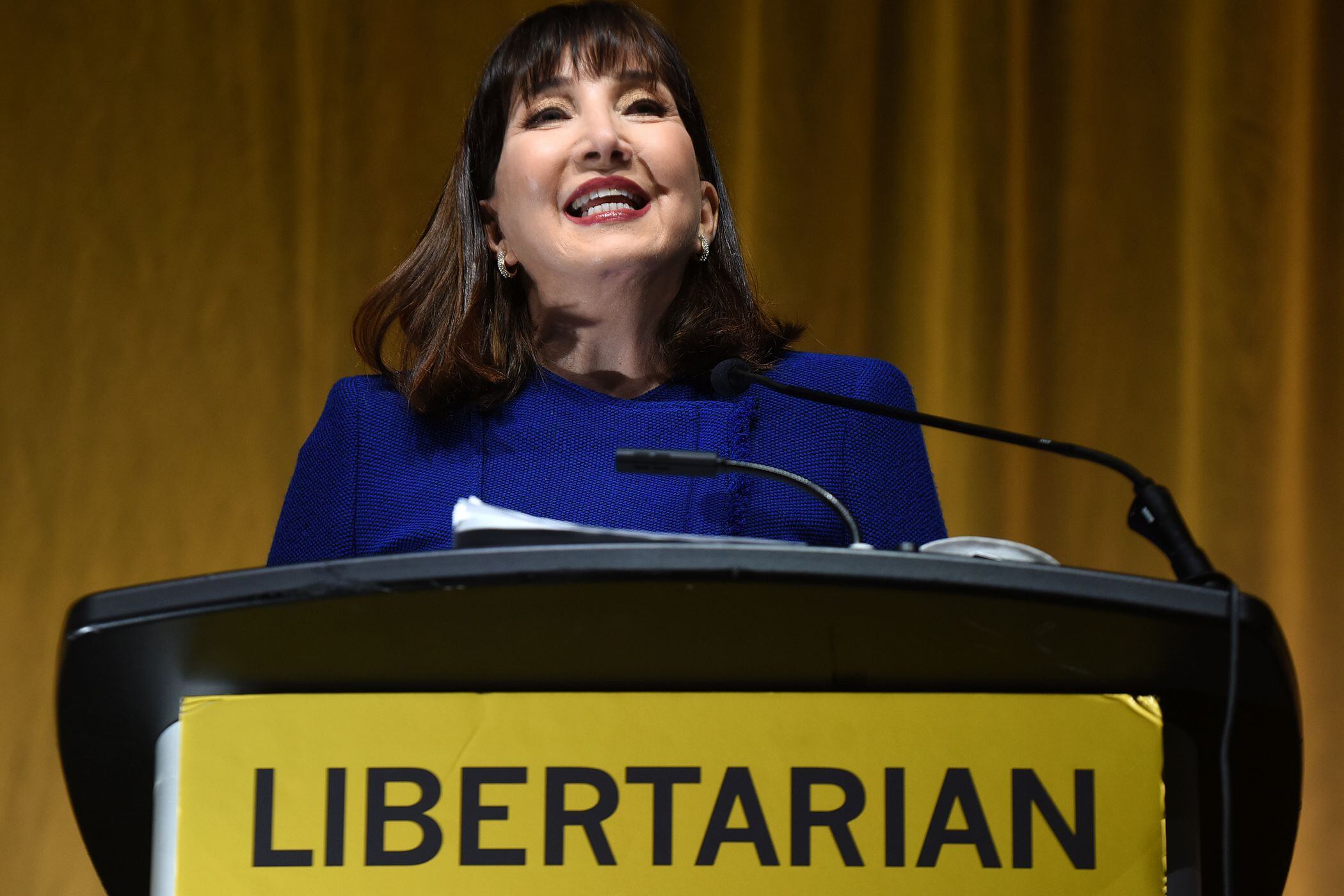
Dr. Jo Jorgensen, the 2020 Libertarian candidate for President, joined Cheddar to discuss her role in this year's election and whether third party candidates dictate the outcome. Jorgensen also provides her position on mask wearing when it comes to mitigating the spread of COVID-19.
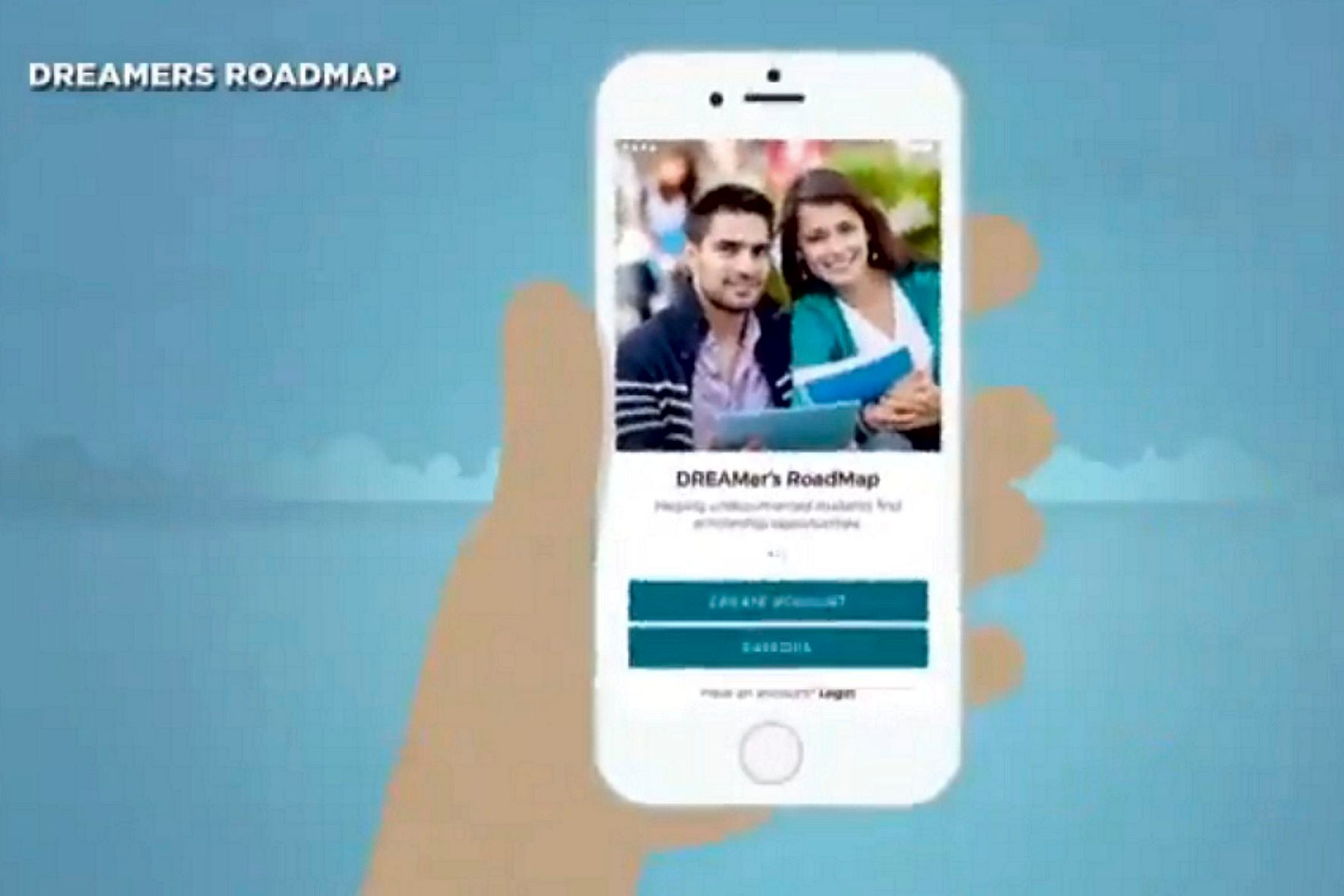
As undocumented immigrants navigate life in America, we're hearing a firsthand account of what it's like seeking higher education while being undocumented. Sarahi Espinoza Salamanca, founder and CEO of DREAMers Roadmap, joined Cheddar to discuss how to app helps other undocumented immigrants find funds to pay for school.
California plans to ban the sale of new gasoline-powered passenger cars and trucks in 15 years.