Cadillac's Subscription-Based Luxury Rental Service
Back in the day, owning a car was part of the American Dream. But things are changing.
That’s according to one Cadillac exec who runs the luxury automaker’s subscription rental service.
“I do think that when you’re looking at Gen X, Gen Y...they’re looking for something a little bit different,” Tara Brannigan, head of marketing at BOOK by Cadillac, told Cheddar. “They’re enjoying the experience over ownership, and this is where BOOK by Cadillac may fulfill a need.”
The company may be trying to appeal to “experience economy”-minded millennials, but with the rise of ride-hailing apps such as Uber and Lyft, automakers are also trying to keep customers from abandoning their vehicles altogether.
BOOK by Cadillac launched in New York last January and has expanded to Dallas and Los Angeles. Members get access to a variety of high-end models and can keep the vehicles for up to a month, with an option to renew. They also get access to a concierge service to drop off and pick up the cars.
The privilege doesn’t come cheap though. Subscribers have to pay $1,800 a month for the service.
Companies like Volvo and Porsche offer similar programs.
For the full interview, [click here](https://cheddar.com/videos/tara-brannigan-explains-how-cadillacs-car-sharing-service-works).
As commercial options tighten, more travelers are turning to private aviation. Wheels Up CEO George Mattson breaks down capacity and demand challenges.
Layoffs, hiring slowdowns, and shifting skill demands dominate this year’s job talk. LinkedIn’s Kory Kantenga explains what workers should watch for next.
Retailers face tariffs and cost challenges this holiday season. Wells Fargo's Lauren Murphy shares insights on pricing, promotions, and shopping trends.
Dateability, founded by sisters Jacqueline and Alexa Child, is the only dating app for disabled and chronically ill communities, fostering love without limits.
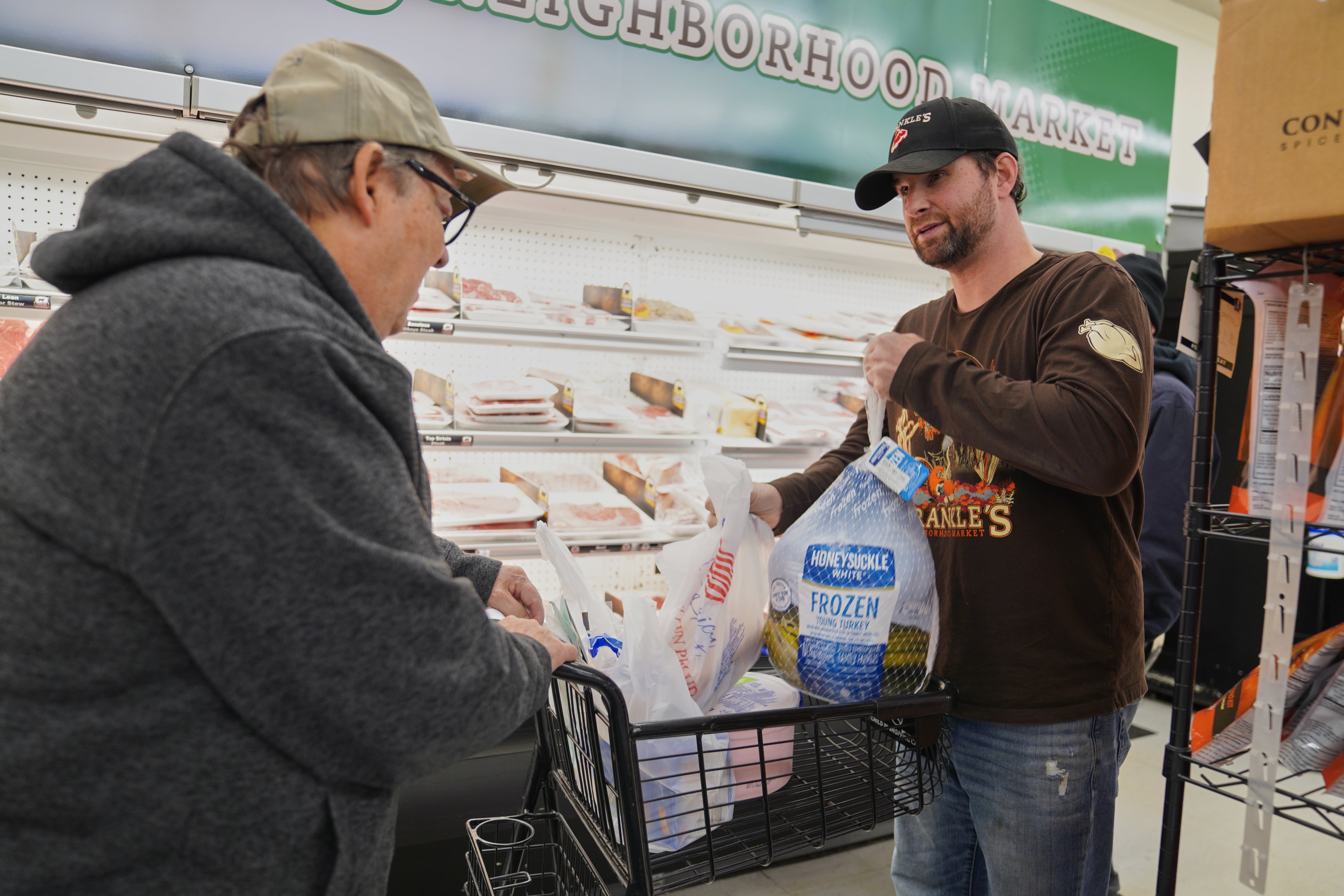
Some small grocery stores and neighborhood convenience stores are eager for the U.S. government shutdown to end and for their customers to start receiving federal food aid again. Late last month, the Trump administration froze funding for the SNAP benefits that about 42 million Americans use to buy groceries. The U.S. Department of Agriculture says about 74% of the assistance was spent last year at superstores like Walmart and supermarkets like Kroger. Around 14% went to smaller stores that are more accessible to SNAP beneficiaries. A former director of the United Nations World Food Program says SNAP is not only a social safety net for families but a local economic engine that supports neighborhood businesses.
Andy Baehr, Head of Product at CoinDesk Indices, breaks down crypto’s Black Friday crash, Bitcoin dipping under $100K, and what’s driving the market rout.