By Banning Alex Jones, Facebook and YouTube Set New Standards
*By Conor White*
The decision by the web's biggest social platforms Monday to [remove content by the conspiracy theorist Alex Jones](https://www.washingtonpost.com/technology/2018/08/06/apple-facebook-spotify-remove-alex-jones-content/?utm_term=.da5ce4fff42e) and bar the Inforwars host from posting may set a new standard for what's appropriate speech on social media, says Sara Fischer, a media reporter for Axios.
Facebook, YouTube, Apple, and Spotify all removed Jones's incendiary podcasts and videos for hate speech and harassment.
In [a statement Monday](https://newsroom.fb.com/news/2018/08/enforcing-our-community-standards/), Facebook said it was removing content from four pages associated with Jones for "glorifying violence" and "using dehumanizing language." Google, which owns YouTube, told the Washington Post on Monday it terminated Jones's video channel for similar reasons.
“All users agree to comply with our Terms of Service and Community Guidelines when they sign up to use YouTube," Google said [according to The Post](https://www.washingtonpost.com/technology/2018/08/06/apple-facebook-spotify-remove-alex-jones-content/?noredirect=on&utm_term=.310b9280a077). "When users violate these policies repeatedly, like our policies against hate speech and harassment or our terms prohibiting circumvention of our enforcement measures, we terminate their accounts."
Jones has repeatedly spread the false claim that the deadly 2012 shooting at Sandy Hook Elementary School that killed 27 people was a hoax. Parents of some of the slain children are [suing Jones](http://www.chicagotribune.com/news/nationworld/ct-infowars-alex-jones-sandy-hook-lawsuit-20180801-story.html). They say they've been harassed by his followers ー at Jones's urging ー and have been forced to move. Jones has said that he was acting as a journalist and that his speech is protected.
"This is really dicey," Fischer said Monday in an interview on Cheddar. "If you're Facebook, you want to create a policy that can scale."
Blocking one person for his false views isn't a sustainable policy, she said. "You need to be able to scale that policy globally to every single viewpoint."
Infowars has also been cited repeatedly for promulgating "fake news," but Facebook said in its statement that misinformation is a different issue that the social network is trying to address separately. Jones's content was removed specifically for speech that violates the social network's community standards.
"The claims he's making have always been dangerous, but they seem particularly paranoid as of late," said Heather Dockray, a culture reporter at Mashable.
Companies wary of accusations of censorship have until now refrained from taking action against Jones, but Dockray said that Jones's increased rhetoric made the decisions to block Infowars an easy call.
"I think with Alex Jones it's the closest thing to a clear-cut case as you're ever going to get," Dockray said. "I mean this is someone who has shared the addresses of Sandy Hook parents a couple of years ago, and this is someone who a lot of critics say has engaged in targeted harassment campaigns."
Despite the actions of Facebook, Apple, and YouTube, one social platform, Twitter, has not removed Jones or InfoWars from its service. According to Bloomberg, a Twitter spokesperson InfoWars and related accounts were not [currently in violation](https://www.bloomberg.com/news/articles/2018-08-06/conspiracy-theorist-alex-jones-booted-from-youtube-other-online-services) of Twitter’s rules.
Still, the decisions by Apple, Spotify and Facebook may clear the way for other platforms to take action, now that a precedent has been established. And Fischer said that Facebook must feel it can apply the new standard universally, or the company would not have acted against one individual.
"This is a very big, massive step for Facebook to be removing some of Alex Jones's pages," Fischer said. "In doing so, they're essentially saying 'we don't think that viewpoint or whatever it is that he's putting out there is accurate, is true and is healthy, is safe."
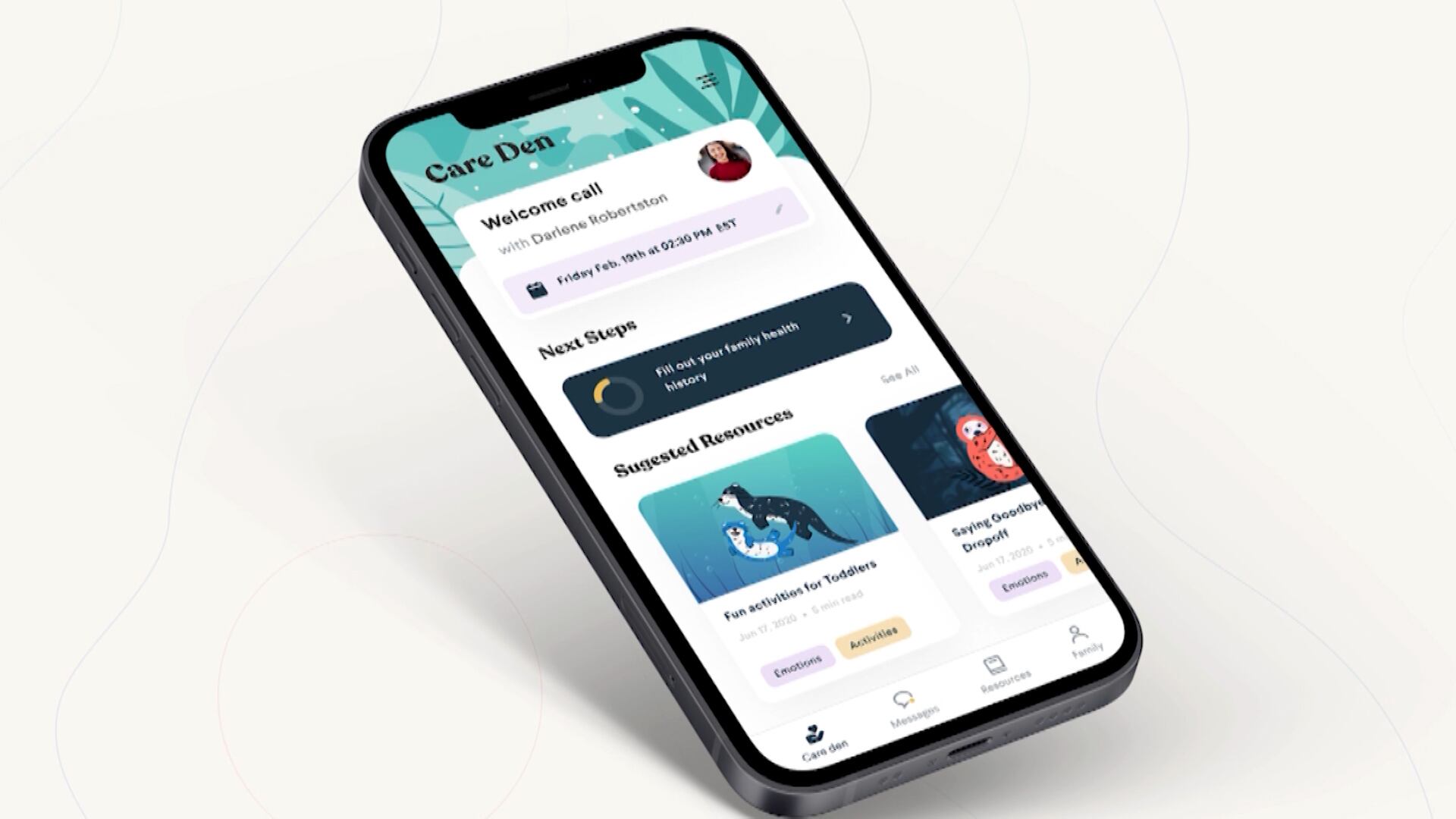
Digital mental health company Little Otter recently announced it closed a $22 million Series A round. Little Otter was founded in 2020 by a mother-daughter team, which based the company on the idea that a child's mental health can only be addressed by treating the whole family through technology available to everyone. Little Otter CEO and co-founder Rebecca Egger and her mother, Little Otter Chief Medical and Scientific Officer and co-founder Dr. Helen Egger joined Cheddar News' Closing Bell to discuss.
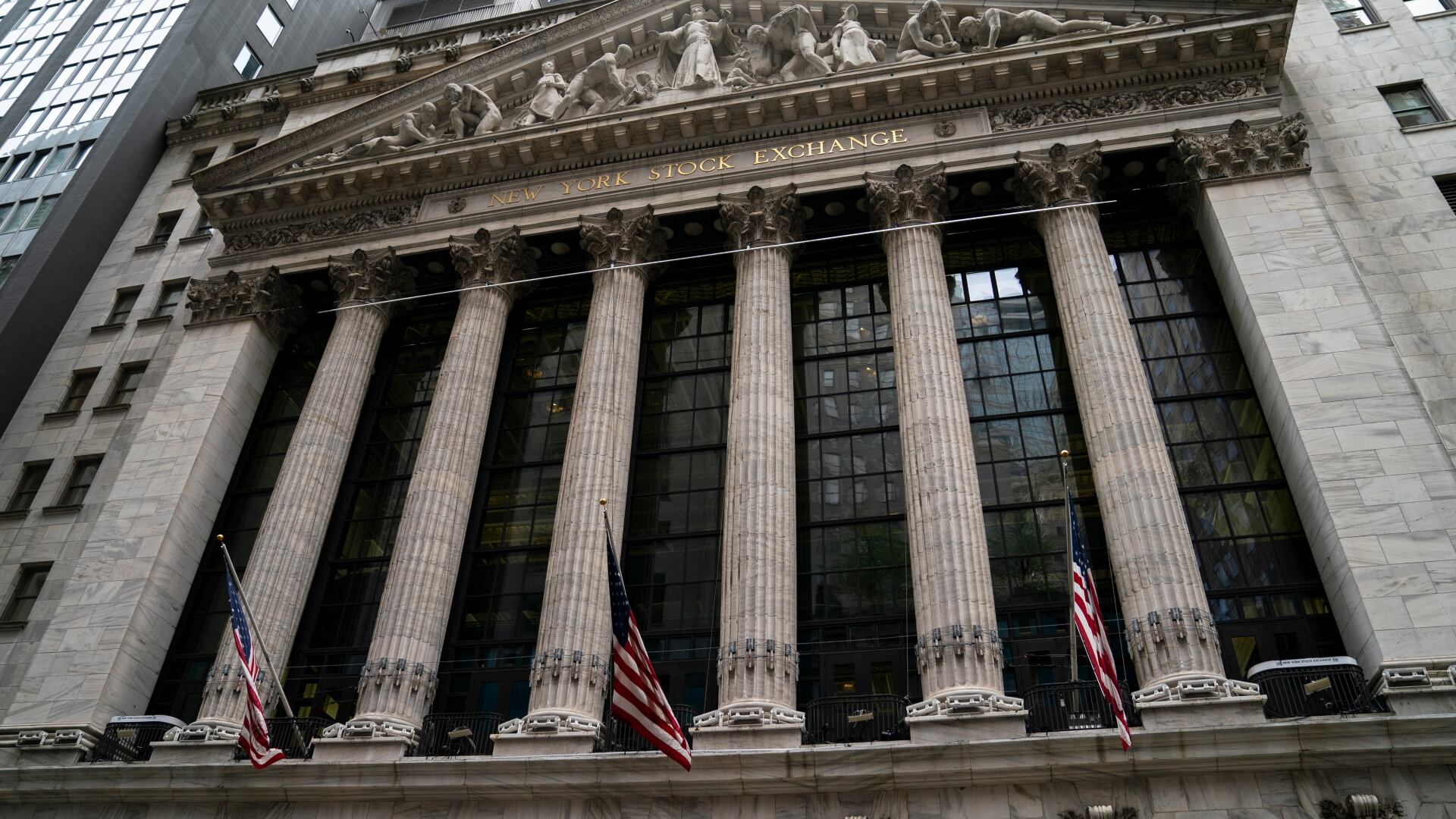
Stocks closed lower Thursday with the tech-heavy Nasdaq in particular under pressure as investors dump tech stocks amid interest rate hike fears. This is the third session in a row that the Nasdaq has slipped. Meanwhile, rate-sensitive stocks gained one day after the Federal Reserve announced its more hawkish policy including three rate hikes this year. Kristina Hooper, Chief Global Market Strategist at Invesco, joins Cheddar News' Closing Bell to discuss today's close, this week's Fed minutes and the central bank's new hawkish policy, and more.
Kim Grauer, Director of Research for Chainalysis, joins Cheddar News' Closing Bell, where she breaks down her recent study and says while scammers took a record $14 billion in crypto in 2021, the share of overall activity of those events are at an all-time low.
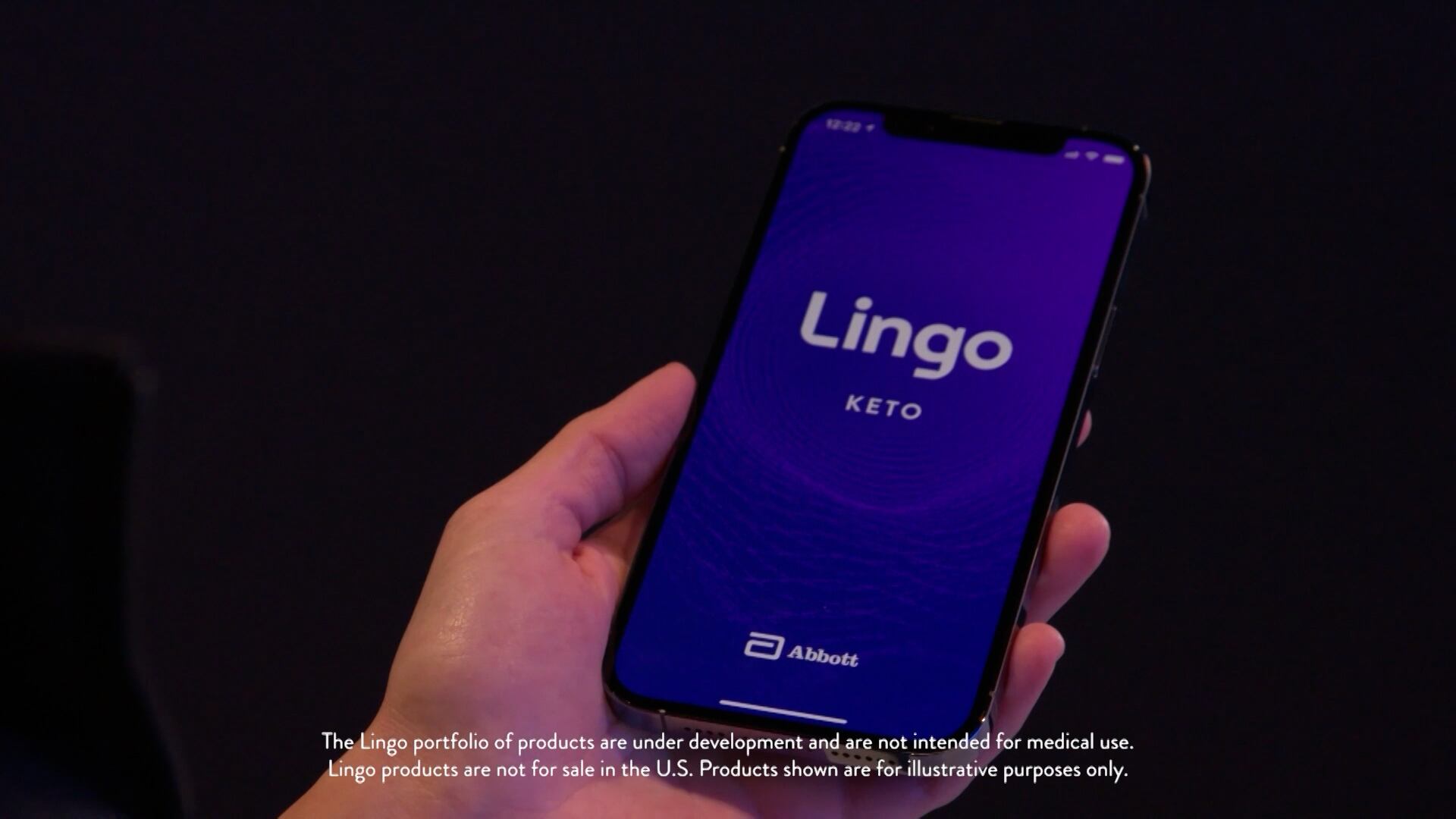
Jared Watkin, senior vice president, diabetes care, at Abbott Laboratories, joined Michelle Castillo from the CES 2022 floor to discuss the future of health tech, including Abbott's consumer-facing biowearable called Lingo. The accessory is supposed to send real-time biomarker information like glucose or ketone levels to the Lingo app for the wearer to review. "The idea is that it's a window into your body," Watkin said. "It gives you insight into what's going on in your body and the certain circumstances that you otherwise wouldn't be able to have."
Aaron Jefferson, VP of product at Luminar, joined Cheddar to discuss partnering with automaker Volvo to bring its LIDAR (light detection and ranging) tech into autonomous cars capable of safely driving on the highway. While companies like Tesla have come under fire due to safety issues with its self-driving technology, Jefferson noted how his company's tech differs. "Our LIDAR, its iris sensor that's really set for production, is able to sense, understand, and give the vehicle confidence to react accordingly such that you don't have these same types of issues," he said. The Ride Pilot technology in Volvo vehicles will be rolled out in California following safety testing.
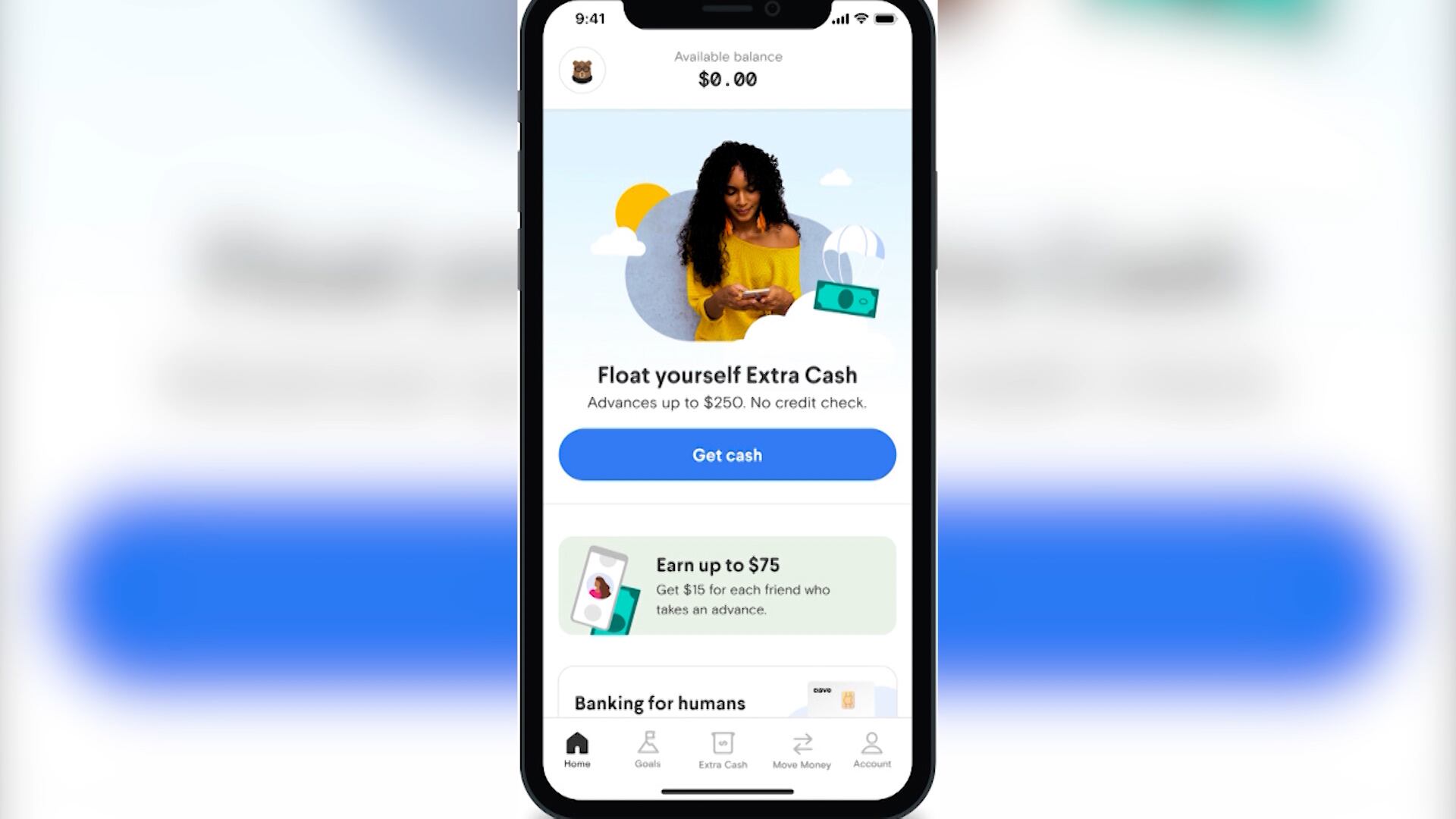
The fintech app backed by billionaire Mark Cuban called Dave made its public debut on the Nasdaq Thursday via a SPAC merger. CEO and co-founder Jason Wilk spoke to Cheddar's Kristen Scholer about the IPO and how his company's services distinguish it from traditional banks. "Customers come to us because they're tired of paying $20 billion of overdraft fees, and they come to Dave, they download our app, and within minutes they can get access to $250 of no interest credit, which we give them through our own proprietary machine learning model," he told Cheddar.
Stephanie Linnartz, president of Marriott International, joined Cheddar's "Closing Bell" to talk about the launch of the Marriott Design Lab, a new facility within its Bethesda, Maryland, headquarters to explore innovative tech offerings for bolstering the guest experience. "It's all around figuring out how we can innovate in the guest room in the public space, looking at how we can use robotics, improve sustainability, etcetera," she said. Some short-term changes in the future Linnartz also noted is an expansion of the chain's mobile capabilities to make check-in and check-out an easier process for guests, as well as mobile room service, from the feedback it received during the pandemic.
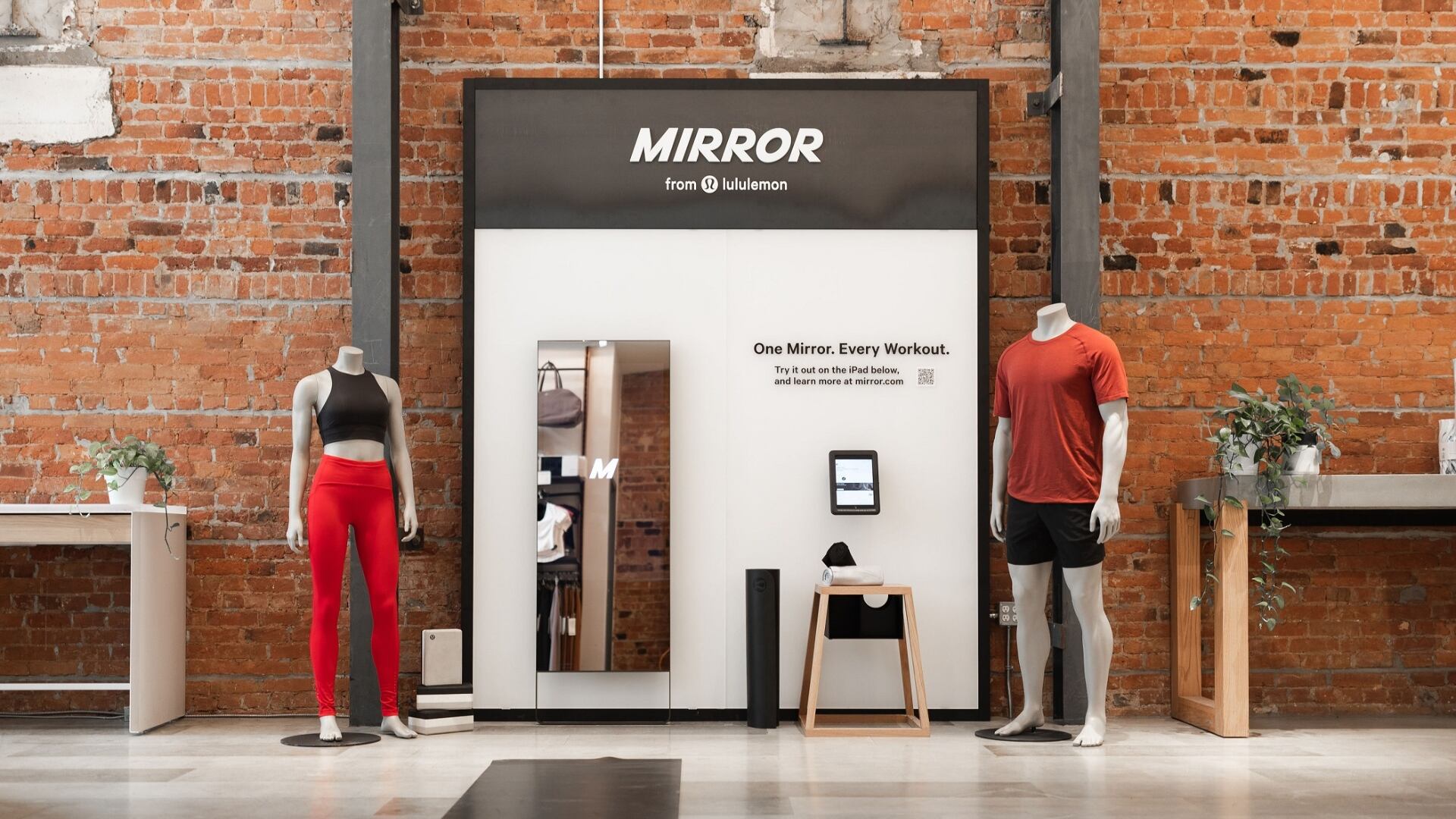
Nike has initiated a lawsuit against athletic apparel retailer and competitor Lululemon over claims of patent infringement. The sneaker giant is claiming the technology in their rival's MIRROR home gym was patented back in 1983.
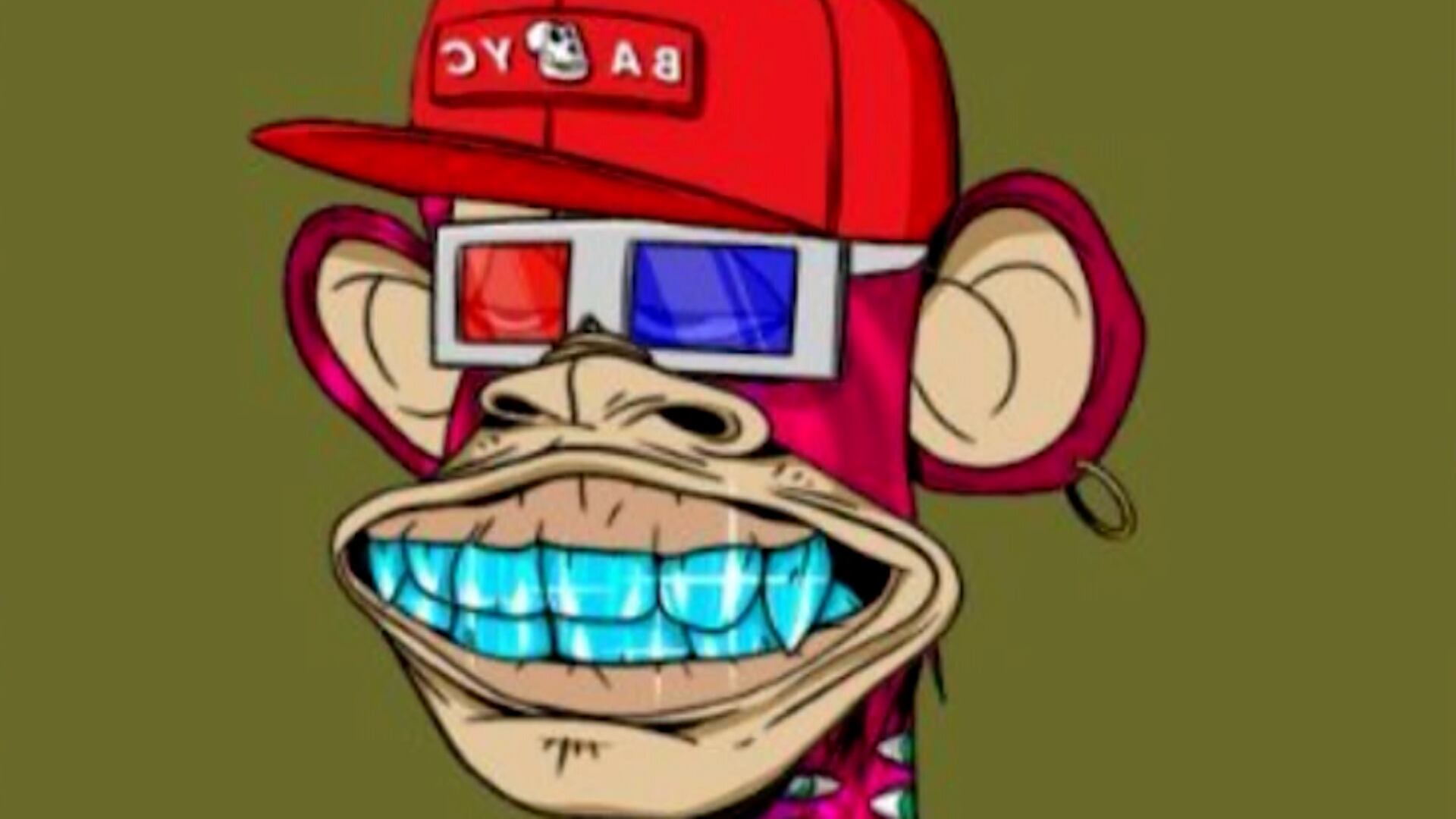
Adi Robertson, senior reporter at The Verge, joins Cheddar News to break down the battle between two NFT collections by Phunky Ape Yacht Club and PHAYC that are selling plagiarized Bored Ape Yacht Club designs.