Buy now, pay later companies must provide consumers with the same legal rights and protections as credit card lenders do, the Consumer Financial Protection Bureau said Wednesday in a new rule.
That includes the right to demand a refund and to dispute transactions. The agency began an inquiry into the short-term lending industry two years ago, and it issued the rule in response to ongoing consumer complaints, it said.
Here’s what you need to know.
WHAT’S BEHIND THE NEW REGULATION?
Buy now, pay later loans are typically marketed as zero-interest, or low interest, and allow consumers to spread out payments for purchases over several weeks or months. They’re marketed as a way to buy expensive products and services over time, and the service is typically offered at checkout for online shopping. It’s often used for big-ticket items, like furniture, clothes and airline tickets.
In a report, the CFPB found that more than 13% of buy now, pay later transactions involved a return or dispute, and, in 2021, people disputed or returned $1.8 billion in transactions at the five companies surveyed.
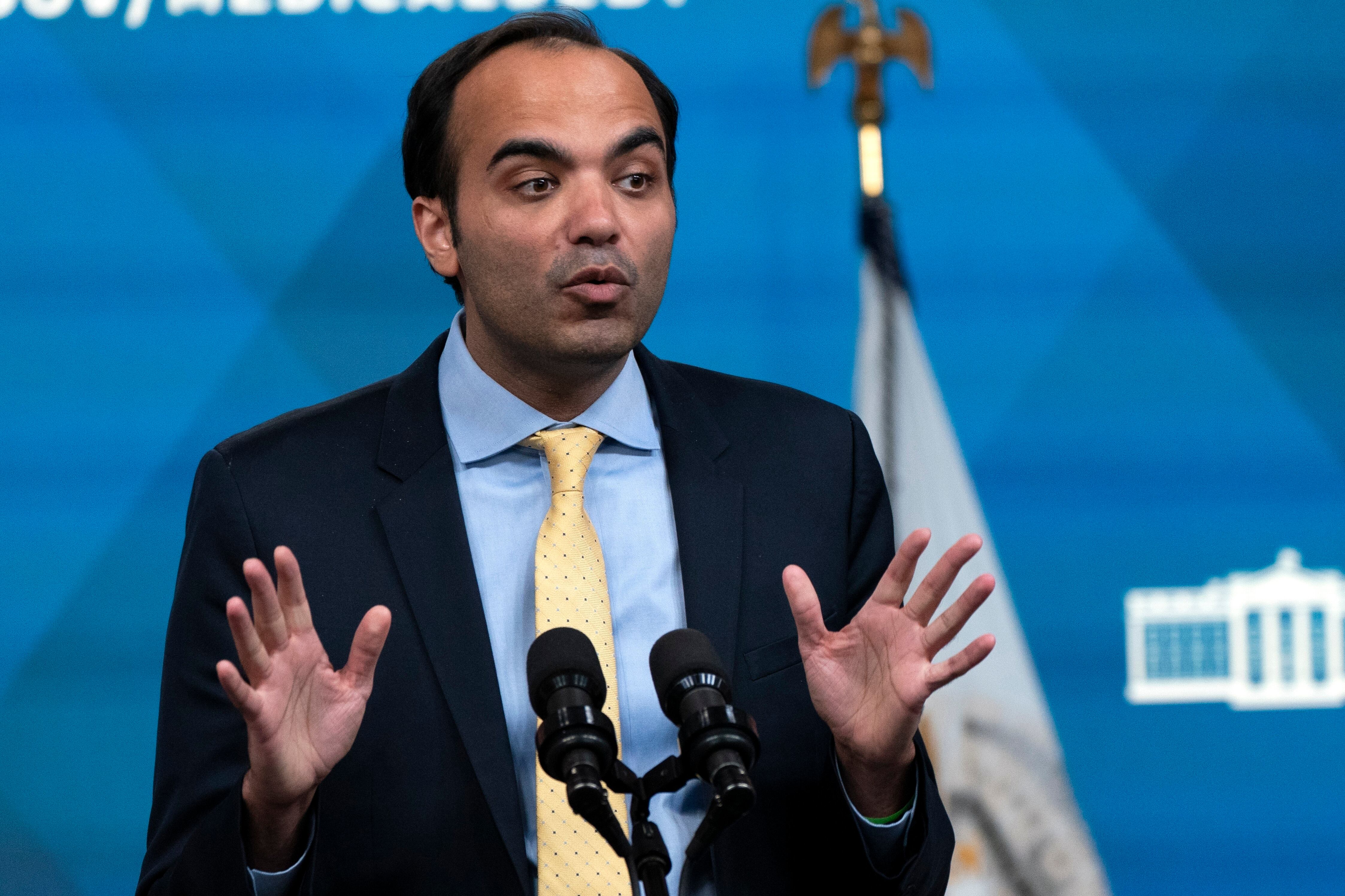
“Regardless of whether a shopper swipes a credit card or uses Buy Now, Pay Later, they are entitled to important consumer protections under longstanding laws and regulations already on the books,” CFPB Director Rohit Chopra said in a statement.
HOW IS THE INDUSTRY RESPONDING TO THE RULE?
Two major buy now, pay later players — Affirm and Klarna — say they welcomed the regulation.
“We are encouraged that the CFPB is promoting consistent industry standards, many of which already reflect how Affirm operates, to provide greater choice and transparency for consumers,” a company spokesperson said in a statement. Affirm currently offers “dispute and error resolution assistance,” the spokesman added.
A spokesperson for Klarna said the company also already investigates consumer disputes and covers related refunds.
The agency’s announcement is a “significant step forward” in regulating the buy now, pay later industry, Klarna said in a statement. It said it has been calling for regulatory oversight “over many years.”
While some in the industry have voluntarily chosen to operate at the standard now mandated by the CFPB’s new rule, there remain significant differences between credit card lending and buy now, pay later loans. For instance, buy now, pay later lenders do not all report their loans to the three major credit bureaus. Some analysts have said this can lead consumers to overextend themselves or take on more debt than they can manage or afford.
WHAT RIGHTS DO CONSUMERS HAVE?
The CFPB said that buy now, pay later lenders need to extend many of the same rights and protections as classic credit card providers. “Importantly, these cover dispute and refund rights,” the agency said.
The agency clarified that, with its new rule, buy now, pay later lenders must:
— Investigate disputes. Lenders must also pause payment requirements during the investigation and sometimes must issue credits.
— Refund returned products or canceled services. Buy now, pay later lenders must credit the refunds to consumers’ accounts.
— Provide billing statements. Consumers must receive periodic statements of money owed similar to the ones received for classic credit card accounts.
“The failure to provide dispute protections can create chaos for consumers when they return their merchandise or encounter other billing difficulties,” the CFPB said.