For most aficionados, a sparkling wine can be called champagne only if it comes from the region of France with that name and is made under certain regulations. A new Russian law makes the counter-claim that the word can be used only for Russian wine.
The law has sparked controversy and the renowned winemaker Moet-Hennessy said Monday it was suspending champagne shipments to Russia. The law that was adopted on Friday allows the term to used only for “Russian champagne.”
Since Soviet times, champagne — “shampanskoye” in Russian — has been used as a generic term for a wide range of sparling wines, some of which contradict champagne’s luxury image by selling for as little as 150 rubles ($2) a bottle.
“These provisions lead to a temporary suspension of deliveries of products to assess the impact of this new law,” Moet-Hennessy spokeswoman Anne Catherine Grimal said, according to state news agency RIA-Novosti.
Even the head of one of Russia’s major winemakers thinks the law goes too far.
”For me, there is no doubt that real champagne comes from the Champagne region in France,” Pavel Titov, president of Abrau-Dyurso, told RIA-Novosti. “It is very important to protect Russian wines in our market and provide them with comprehensive patronage. But the legislative measures taken must be reasonable and not contradict common sense.”
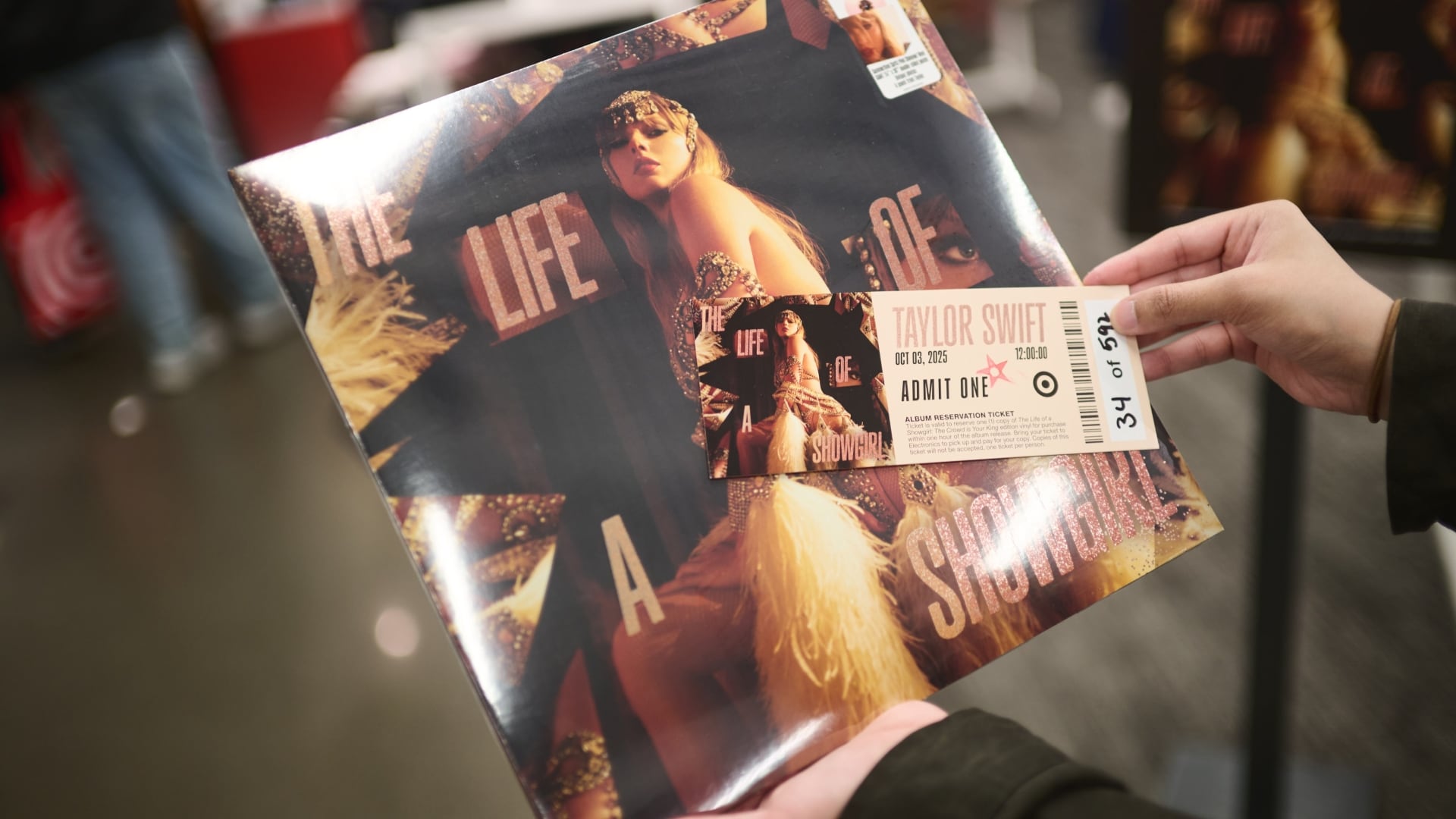
Sinead O’Sullivan breaks down Taylor Swift’s genius marketing for The Life of a Showgirl, which just set the record for most albums sold in a single week.
Markets are emerging from a turbulent Q3. Horizon’s Mike Dickson shares insights on interest rates, small caps, and where investors should look in Q4 and beyond
Bambu Ventures's Kyle Pretsch dives into Lemonaid’s $10M buyout, down from 23andMe’s $400M price tag, and what’s next after Chrome Co.’s dramatic pivot.
Grove Collaborative’s CEO shares how the company is reinventing everyday goods with sustainability at the core and working toward a plastic-free future.
Atlanta Mayor Andre Dickens shares plans for affordable housing, community-led growth, and why private and public grocery stores could be key to food equity.
Tom’s Guide Editor-in-Chief Mark Spoonauer breaks down Apple & Amazon's latest product drops—what's hot, what's hype, and what really matters for users.