It's official. Disney will buy Fox properties for $52 billion in stock. Rich Greenfield, Media & Tech Analyst at BTIG, joins Cheddar soon after the announcement to break down why he thinks this deal cements Disney in the past, rather than projecting it into the future.
Greenfield says if Disney bought Snap, Twitter, Activison, or Spotify it would have been more exciting than this Fox deal. Its mobile strategy is lacking, so although it will have tons of content, it still doesn't have that mobile presence and is taking on a lot of risk by buying Fox. Who are the biggest losers in this deal? Greenfield believes it's the consumer.
As far as how this deal impacts streaming networks: Greenfield thinks this will actually help Netflix in the short-term. Hulu, though, will still be a mess ownership-wise, as no one was able to give a clear answer as to who's in charge of the streaming network.
This deal is not a slam dunk and will have to jump through many regulatory hurdles before it's closed in the projected 12-18 months. Fox shareholders will hold a 25% stake in Disney, and the deal is expected to save $2 billion in costs. Disney CEO Bob Iger will stay at the company through 2021.
With Gamestop and other meme stocks back on the rise, it brings to mind some similarities between 2021 and 2024 economically… and that’s not necessarily good.
After 10 years as a men's wear brand, the popular athleisure brand recently launched its women's line, redefining standards and championing inclusivity.
According to the 2024 Acorns Money Matters Report, nearly a quarter of Americans are worried they could become homeless – and don’t know how easy it is to save.
Even with inflation slightly higher than the Federal Reserve's 2% goal, still expect the central bank to cut rates three times this year, Cetera's CIO says.
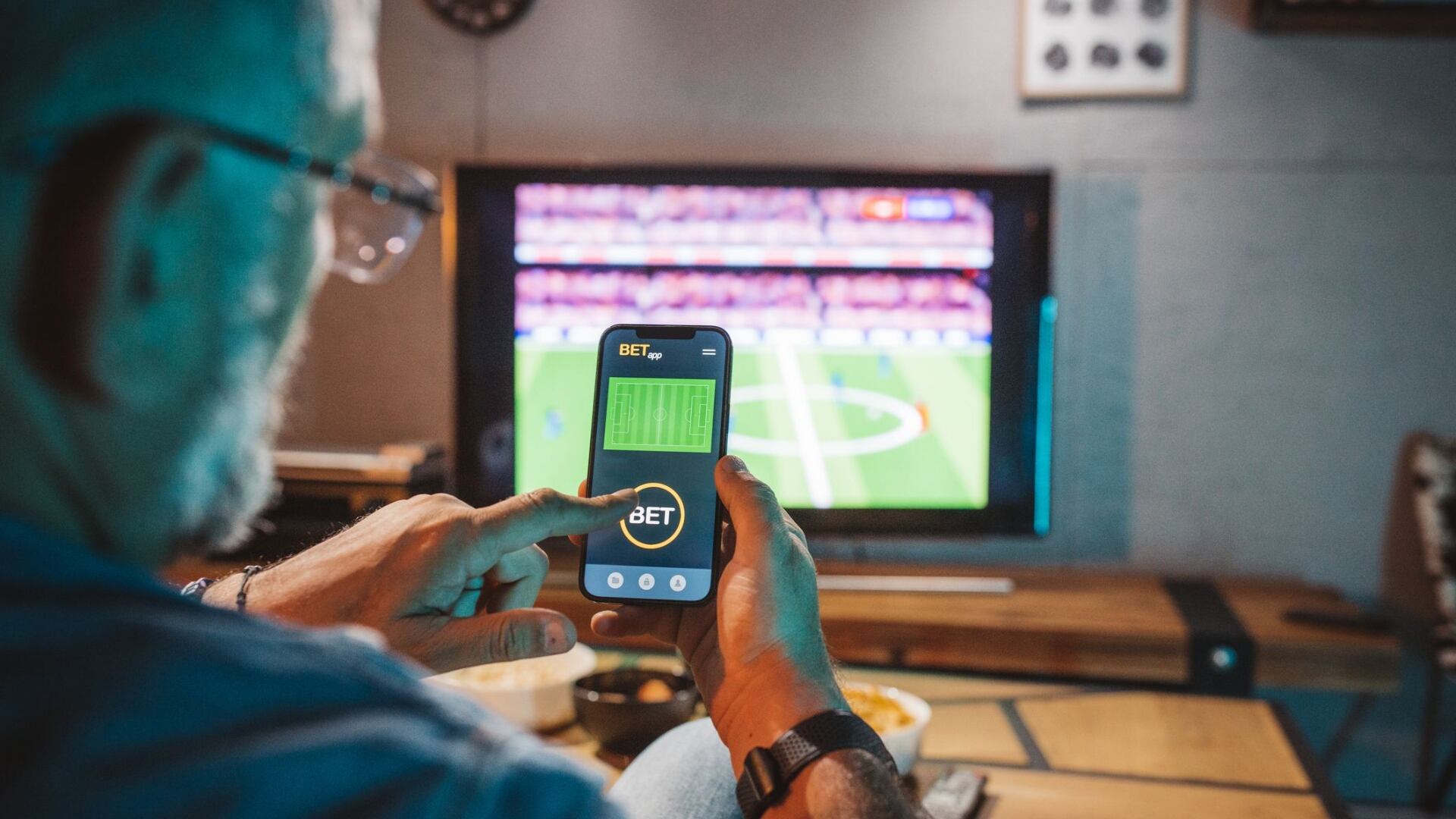
Brian Goodman from Global Matrix Group talks with Dave Briggs about the future of sports betting online and how the popular pastime will evolve. Watch!
For decades, it’s been a trope: you can find a Starbucks on every corner. But proximity is no guarantee of long-term success, even in the coffee industry.