It's official. Disney will buy Fox properties for $52 billion in stock. Rich Greenfield, Media & Tech Analyst at BTIG, joins Cheddar soon after the announcement to break down why he thinks this deal cements Disney in the past, rather than projecting it into the future.
Greenfield says if Disney bought Snap, Twitter, Activison, or Spotify it would have been more exciting than this Fox deal. Its mobile strategy is lacking, so although it will have tons of content, it still doesn't have that mobile presence and is taking on a lot of risk by buying Fox. Who are the biggest losers in this deal? Greenfield believes it's the consumer.
As far as how this deal impacts streaming networks: Greenfield thinks this will actually help Netflix in the short-term. Hulu, though, will still be a mess ownership-wise, as no one was able to give a clear answer as to who's in charge of the streaming network.
This deal is not a slam dunk and will have to jump through many regulatory hurdles before it's closed in the projected 12-18 months. Fox shareholders will hold a 25% stake in Disney, and the deal is expected to save $2 billion in costs. Disney CEO Bob Iger will stay at the company through 2021.
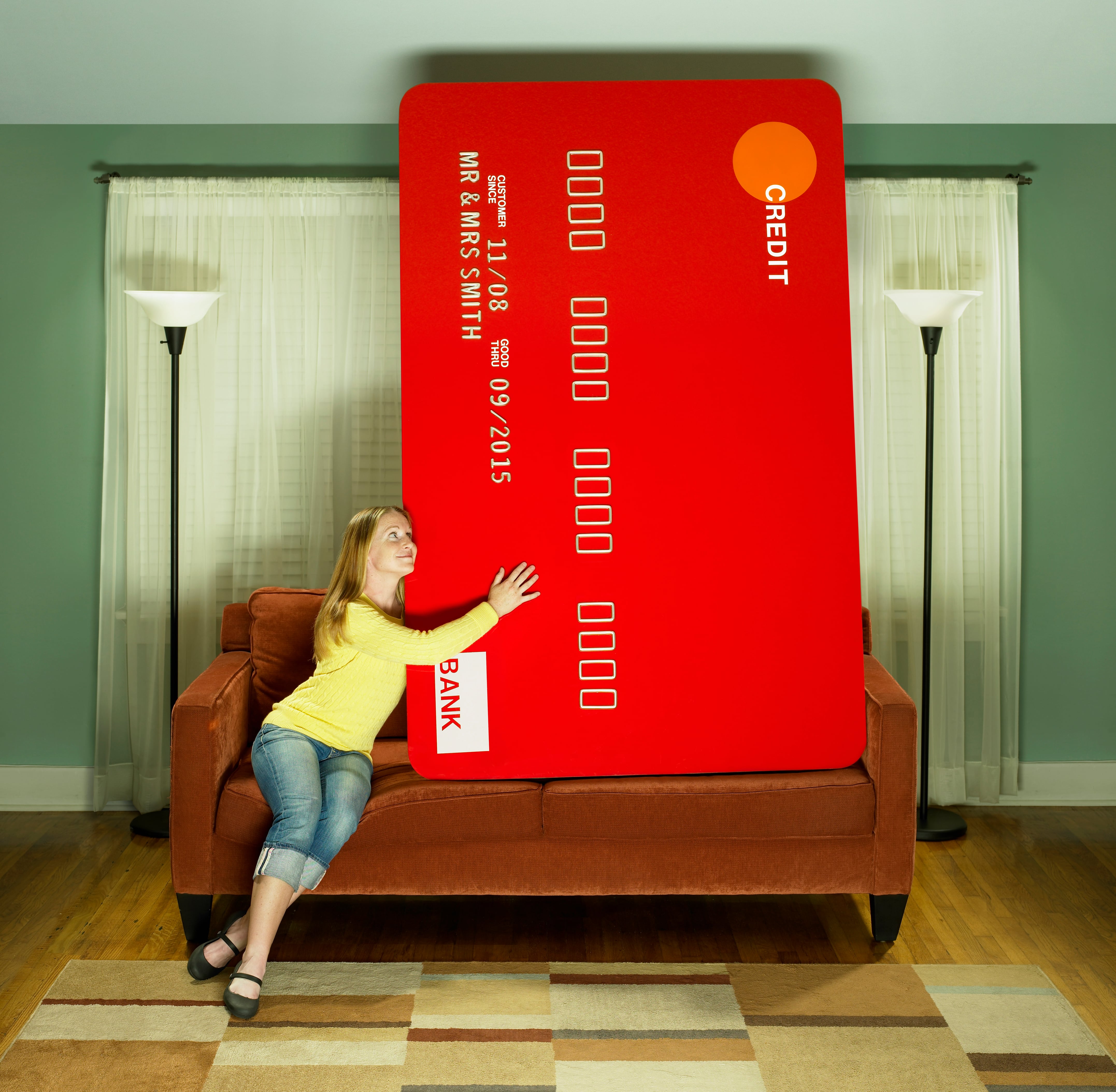
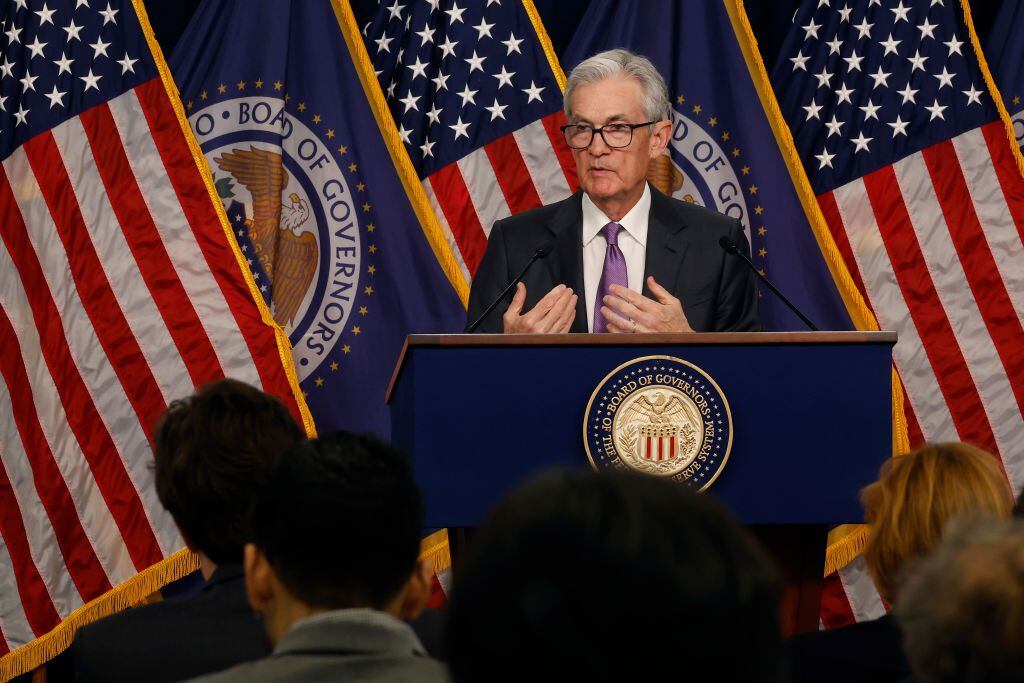
With the Fed likely set to leave rates unchanged, lower and middle income Americans will continue dealing with higher credit card interest and expenses.
Markets soared in May after Nvidia’s Q1 success, but concerns over slowing consumer spending, especially among middle—and lower-income groups, loom large.
The U.S. economy added 272,000 jobs in May, far more than expected. But that number doesn't tell the whole story. Interest rate cuts could still be on the way.