It's official. Disney will buy Fox properties for $52 billion in stock. Rich Greenfield, Media & Tech Analyst at BTIG, joins Cheddar soon after the announcement to break down why he thinks this deal cements Disney in the past, rather than projecting it into the future.
Greenfield says if Disney bought Snap, Twitter, Activison, or Spotify it would have been more exciting than this Fox deal. Its mobile strategy is lacking, so although it will have tons of content, it still doesn't have that mobile presence and is taking on a lot of risk by buying Fox. Who are the biggest losers in this deal? Greenfield believes it's the consumer.
As far as how this deal impacts streaming networks: Greenfield thinks this will actually help Netflix in the short-term. Hulu, though, will still be a mess ownership-wise, as no one was able to give a clear answer as to who's in charge of the streaming network.
This deal is not a slam dunk and will have to jump through many regulatory hurdles before it's closed in the projected 12-18 months. Fox shareholders will hold a 25% stake in Disney, and the deal is expected to save $2 billion in costs. Disney CEO Bob Iger will stay at the company through 2021.
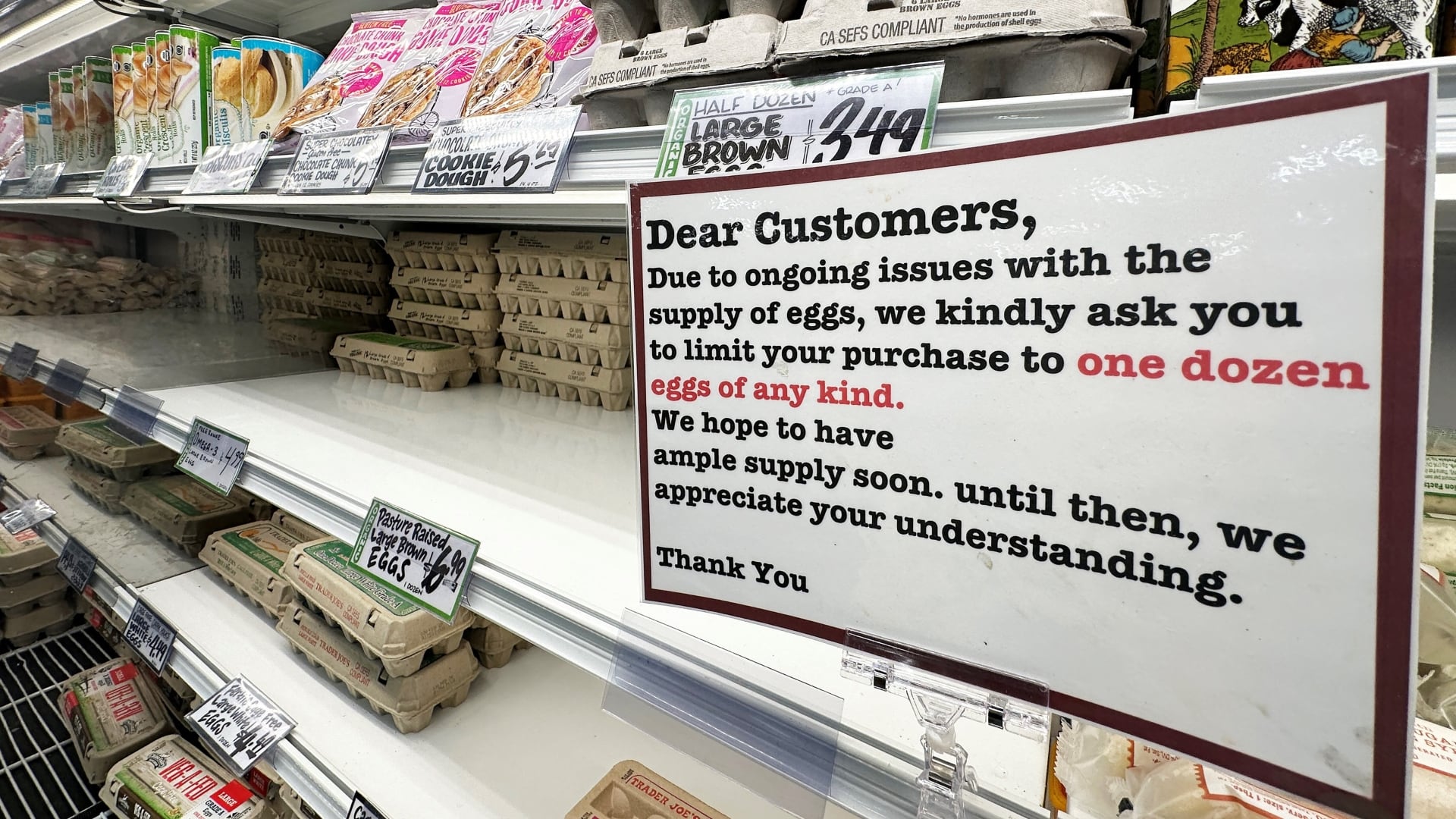
ReturnPro CEO Sender Shamiss to discuss how his company is changing the way we make returns and how Trump's tariffs are affecting the return business. Watch!
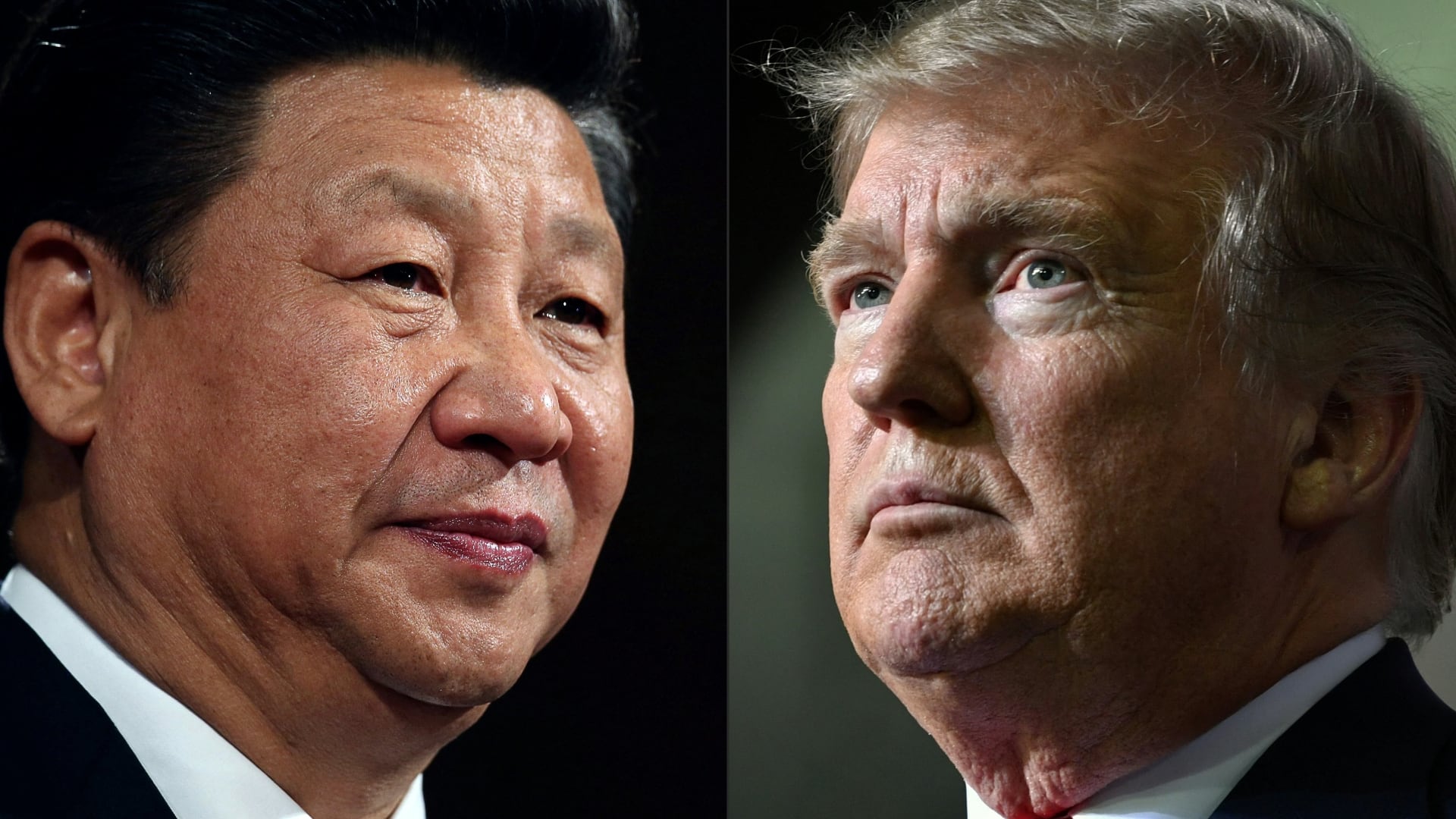
Chris Beauchamp, Chief Market Analyst at IG International, joins J.D. Durkin to give analysis on the recent trade truce between the U.S. and China. Watch!
Shan Aggarwal, VP of Corporate and Business Development at Coinbase, discusses the company's acquisitio of Deribit as it heads into the S&P 500. Watch!
Shopping expert Trae Bodge discusses how talks between the U.S. and China is good news for now, but uncertainty remains for back-to-school and the holidays.
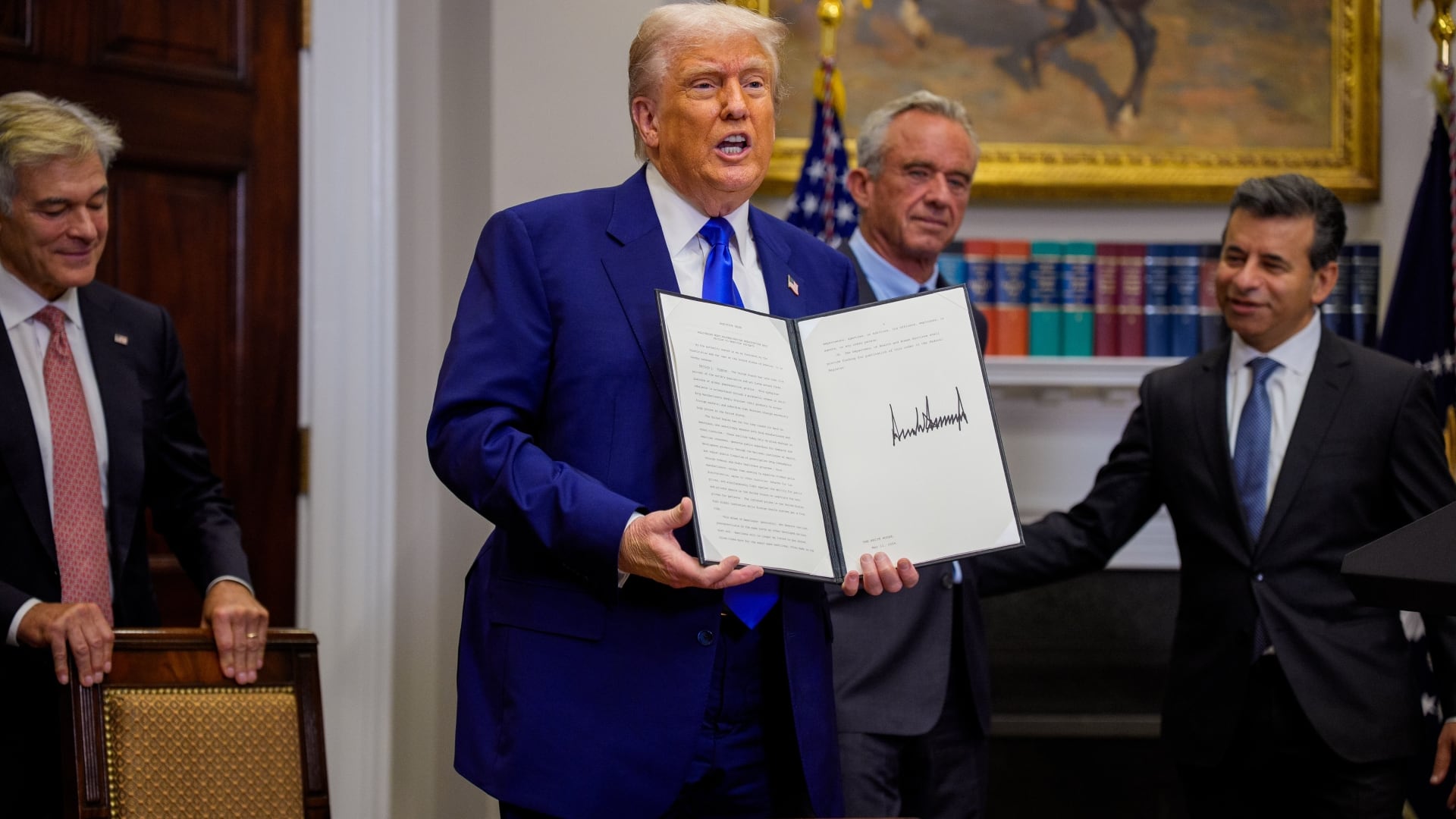
Jake Traylor, White House reporter at Politico, joins Cheddar to discuss how Trump is aiming to lower drug prices and how it differs from Biden's approach.
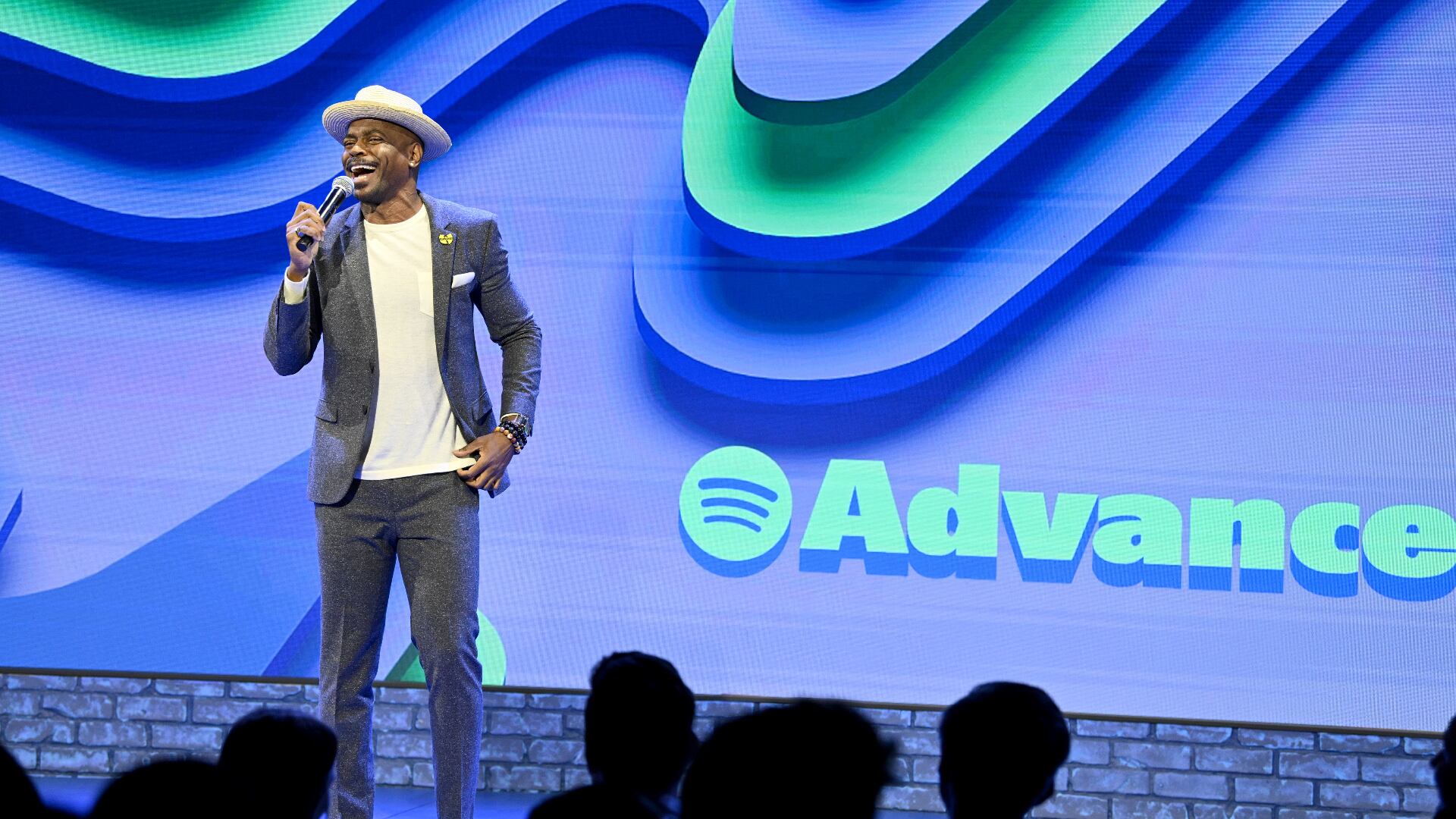
DJ X, alongside Molly Holder, Senior Director of Product Personalization, takes us inside Spotify's A.I. DJ and how it's the best new way to listen to music.
Sheryl Palmer, CEO of Taylor Morrison, talks tariff uncertainty, being a female leader in a male dominated industry and what homebuyers need to know. Watch!