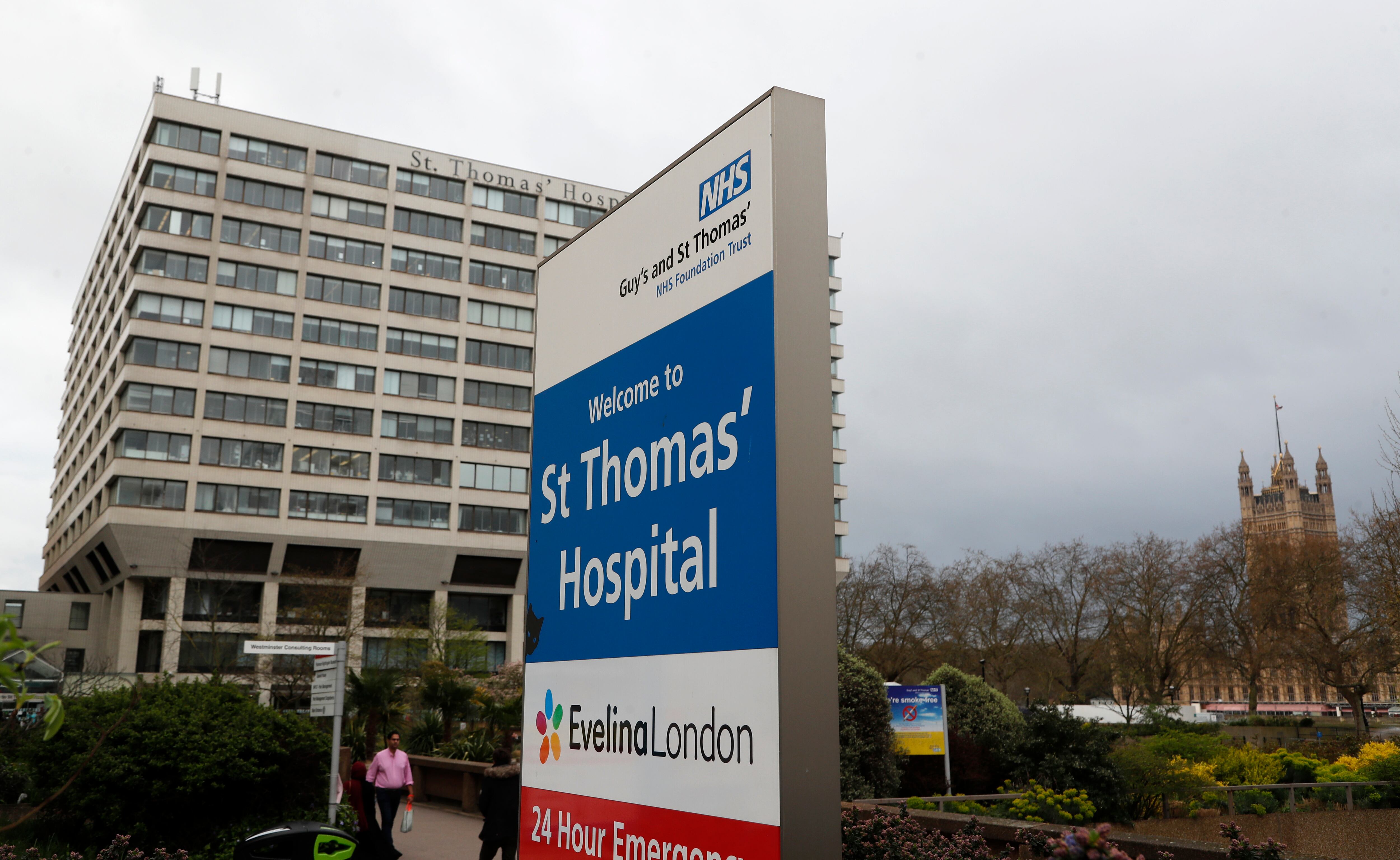
A view of St Thomas' Hospital in Westminster where Britain's Prime Minister Boris Johnson is undergoing tests after suffering from coronavirus symptoms, in London, Monday, April 6, 2020. (AP Photo/Frank Augstein)
British Prime Minister Boris Johnson was moved to the intensive care unit of a London hospital after his coronavirus symptoms worsened Monday, just a day after he was admitted for what were said to be routine tests.
Johnson was admitted to St. Thomas’ Hospital late Sunday, 10 days after he was diagnosed with COVID-19.
“Over the course of this afternoon, the condition of the Prime Minister has worsened and, on the advice of his medical team, he has been moved to the Intensive Care Unit at the hospital,” his office said in a statement.
Downing St, said Johnson was conscious and does not require ventilation at the moment, but was in the intensive care unit in case he needed it later.
It said Johnson has asked Foreign Secretary Dominic Raab to deputize for him.
Hours earlier, Johnson tweeted that he was in good spirits after spending a night in hospital.
The prime minister's spokesman said Johnson had spent a comfortable night and remained in charge of government despite being admitted to St Thomas’ Hospital after COVID-19 symptoms of a cough and fever persisted.
Johnson sent out a tweet thanking the National Health Service for taking care of him and others in this difficult time.
“On the advice of my doctor, I went into hospital for some routine tests as I’m still experiencing coronavirus symptoms,'' Johnson said in the tweet. "I’m in good spirits and keeping in touch with my team, as we work together to fight this virus and keep everyone safe.''.
Johnson's spokesman, James Slack, refused to say what kind of tests Johnson was undergoing. He insisted that "the PM remains in charge of the government.”
“He is receiving updates in hospital and is continuing to receive a (ministerial red) box” of files and briefing papers, Slack said,
The 55-year-old leader had been quarantined in his Downing Street residence since being diagnosed with COVID-19 on March 26 — the first known head of government to fall ill with the virus.
He continued to preside at daily meetings on the outbreak until Sunday and has released several video messages during his 10 days in isolation.Raab chaired the meeting Monday.
Britain has no official post of deputy prime minister, but Raab has been designated to take over should Johnson become incapacitated.
Speaking at the government's daily coronavirus press briefing, Raab said Johnson was being “regularly updated,” but admitted he had not spoken to him since Saturday.
“He's in charge, but he’ll continue to take doctors’ advice on what to do next," Raab said.
Johnson was admitted to the hospital as a message to the nation from Queen Elizabeth II was being broadcast Sunday evening. The 93-year-old monarch urged the public to show resolve and follow advice to stay inside.
Concerns had been growing about Johnson’s welfare ever since he posted a message Friday saying that he was feeling better, though was still feverish.
The virus causes mild to moderate symptoms in most people, but for some, especially older adults and the infirm, it can cause pneumonia and lead to death.
The government said Monday that 51,608 people had been confirmed to have the coronavirus in Britain, 5,373 of whom have died.
One of the advantages of being in the hospital is that it will allow doctors to directly monitor Johnson’s condition.
Derek Hill, a professor of medical imaging science at University College London said that since COVID-19 causes difficulty breathing, one test performed on people with the disease is lung imaging with ultrasound or CT scans to see how badly they might be affected.
“Some people are rapidly discharged,’’ he said. “Some others can quickly deteriorate and need help breathing. We have no reason to believe the PM needs such help.‘’
Hill said there are various types of breathing help, depending on the person and the difficulties.
“The reasons some people get seriously ill with COVID-19 while others have minor symptoms is not yet fully understood,″ Hill said. “But doctors managing these patients report that more men than women have serious problems, and patients who are overweight or have previous health problems are at higher risk.”
The school shooting in Texas that left 19 children and 2 teachers dead has reignited the debate over gun control.
The tragedy in Uvalde is the deadliest school shooting in nearly a decade and marks the latest in a string of mass shootings in the country. Jared Moskowitz, Broward County Commissioner and candidate for Congress in FL-23, joined Cheddar's Opening Bell to discuss why gun control measures are stalled in the Senate, and where legislation can move forward from here.
Police and detectives are still investigating the tragic school shooting in Uvalde, Texas that killed 19 children and two adults. Cheddar News was joined by Kirk Burkhalter, professor at New York Law School and former NYPD detective to gain some insight on what investigators are looking for and what comes next.
Texas authorities say the gunman who massacred 21 people at an elementary school was in the building for over an hour before he was killed by law enforcement officers.
Join Cheddar News as we break down the top headlines for Thursday, May 26 including updates on the Texas school shooting, President Joe Biden's executive order on police reform, and a recount in the Pennsylvania GOP Senate primary.
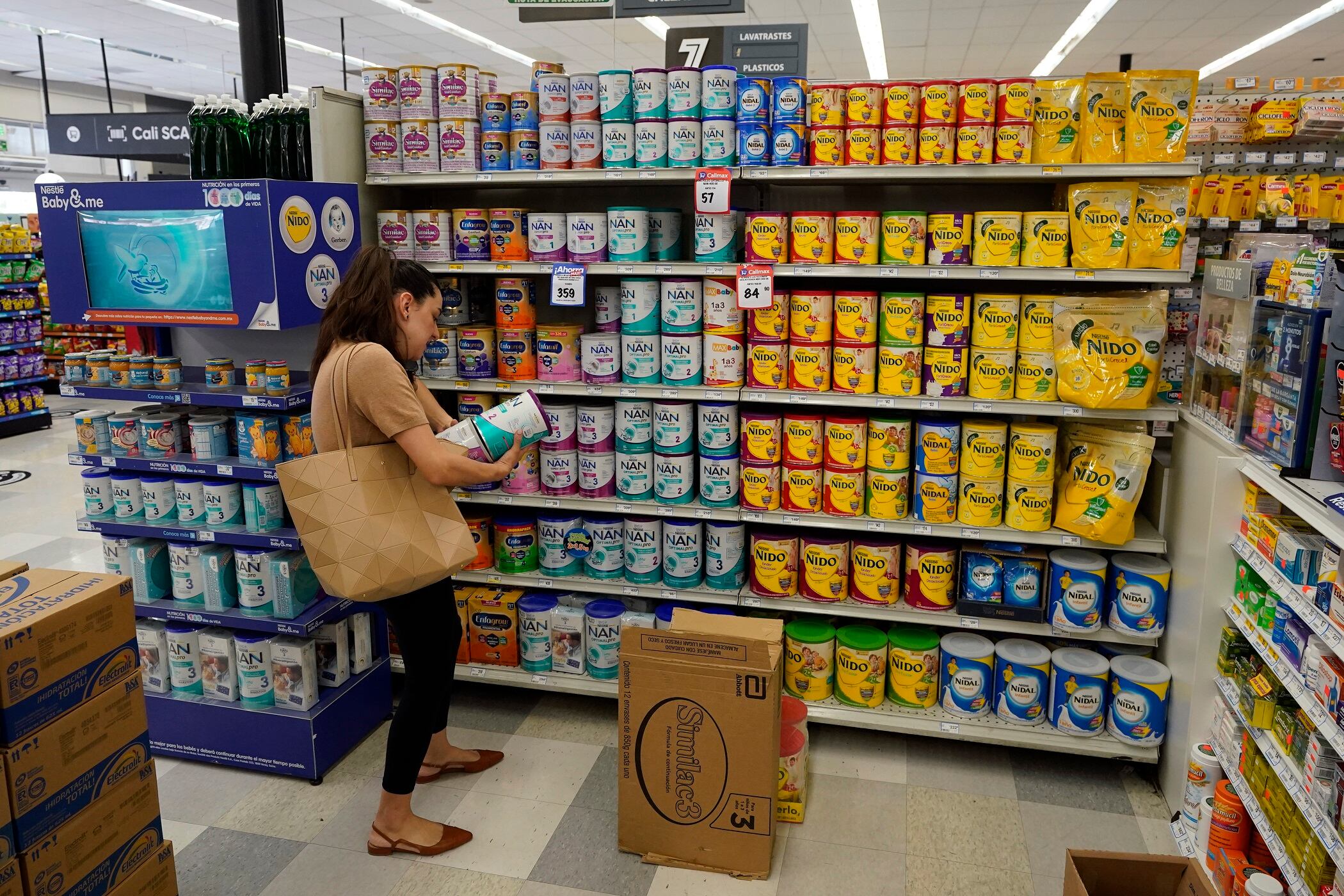
Representative Morgan Griffith of Virginia rebuked words from the FDA commissioner that could have been construed as blaming parents for stockpiling baby formula exacerbating the shortage.
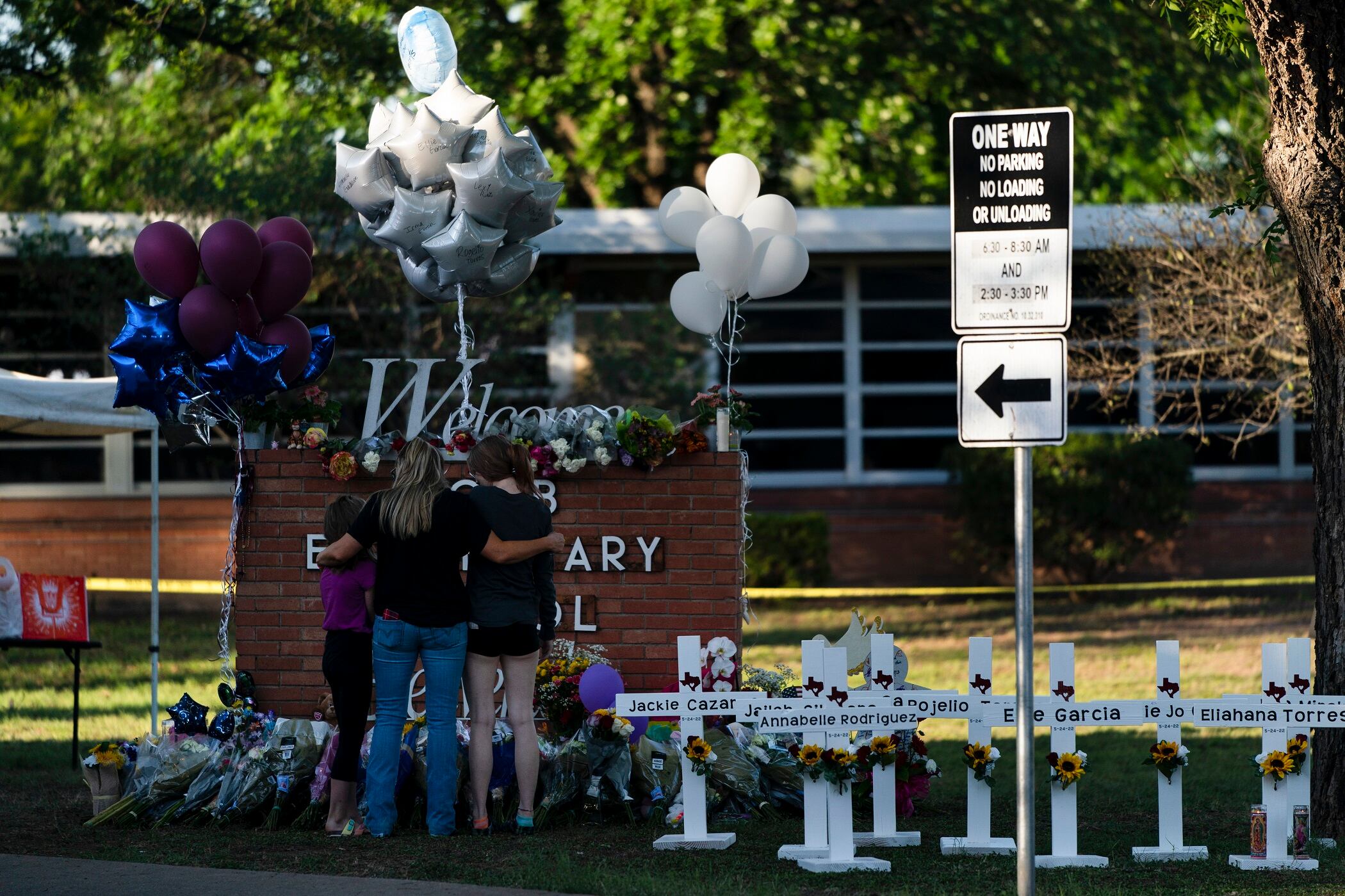
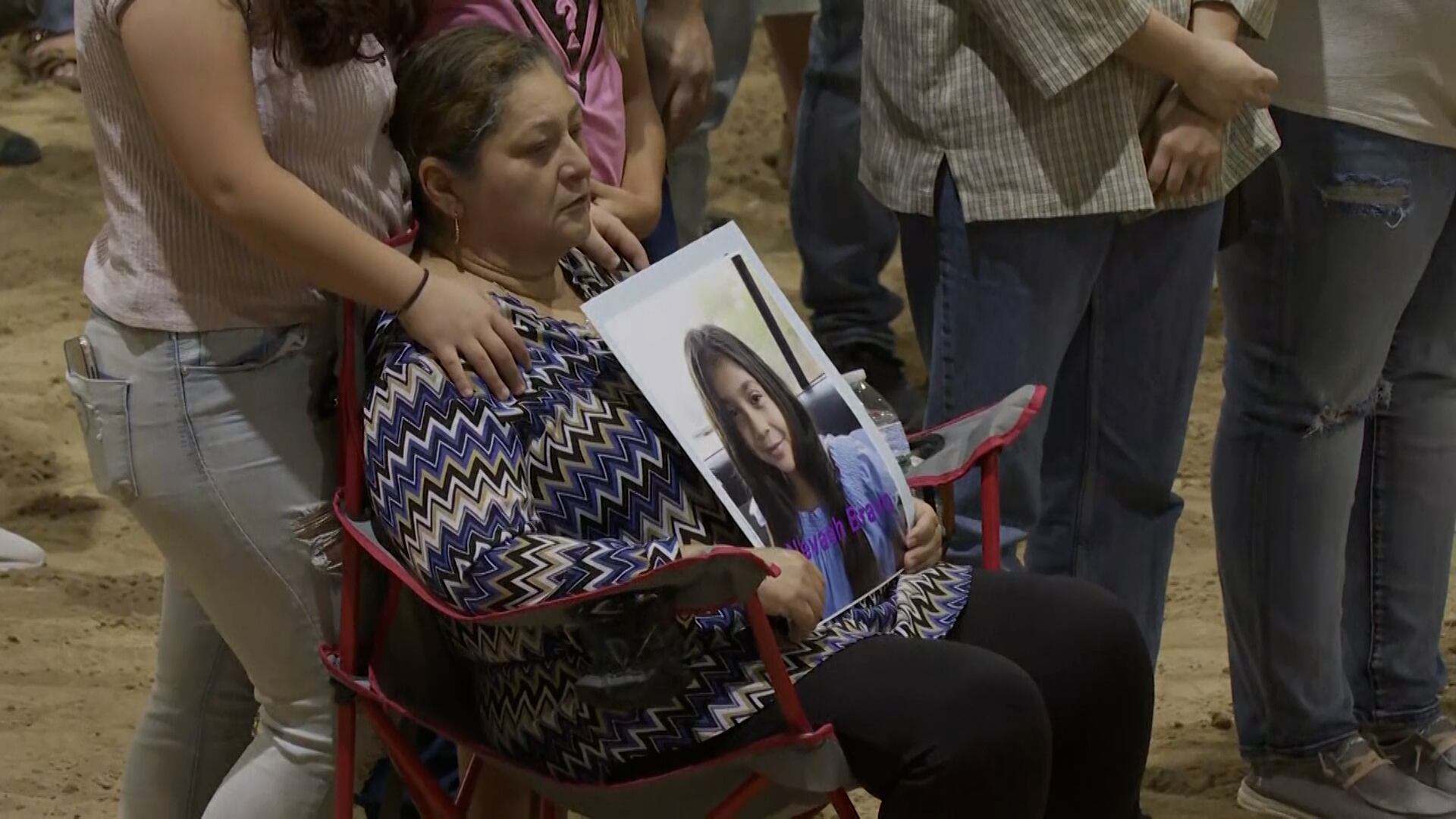
Cheddar News reporter Megan Pratz brings the latest from the scene of yesterday's horrific school shooting at a Robb Elementary School in Uvalde, Texas. Now the second-deadliest school shooting in U.S. history with 19 children and two adults killed, Pratz goes into comments by Texas Gov. Greg Abbott, details about the deceased shooter, and reactions from members of the community.
The Robb Elementary School mass shooting killing 19 children and two adults in Uvalde, Texas pm Tuesday was the deadliest school shooting since the 2012 Sandy Hook massacre in Newtown, Connecticut, and came just 10 days after the grocery store shooting in Buffalo, New York. Nelson Vergara, the founder and CEO of 360 Protective Solutions, joined Cheddar’s Opening Bell to discuss. "Right now what law enforcement is concentrating on is trying to trace his steps as to what motivated the gunman to act the way he did. What it boils down to just trying to figure out what led to his motivation to do such a horrific act.”
An recently conducted AP-NORC poll found that majorities of the Black and Hispanic populations in the U.S. still find themselves either somewhat worried or extremely worried over the pandemic, while more than half of white Americans responded with either being not too worried or not worried at all. Dr. Chris Pernell, the chief strategic integration and health equity officer at University Hospital, joined Cheddar News to talk about how perceptions of COVID-19 differ between groups of Americans. "We’re still seeing people get infected, and because of the toll of the disproportionate impact, we have concerns among the Black and brown community about whether or not they have an increased risk of exposure because of where they work, because of the use of public transportation, because they live in homes that they may not be able to safely quarantine and or isolate in, and because they have at baseline chronic health conditions that may make coronavirus more severe in those persons," she said.
Judith Enck, a former regional administrator for the EPA and the president of Beyond Plastics, joined Cheddar News to talk about the role of plastics in the climate crisis and California's investigation of ExxonMobil and other oil companies for misleading the public on the ability to recycle plastics. "The reason why petrochemical companies like Exxon have gotten away with selling more and more plastic is that they've lied to the public and told us don't worry about all those negative upstream impacts and downstream impacts of plastics. Just be sure to recycle it. Well, guess what? Plastics largely are not recycled," Enck said.