Appellate court judge Brett Kavanaugh is President Donald Trump's pick to fill the soon-to-be vacant spot on the Supreme Court bench. The 53-year-old would replace the retiring Justice Anthony Kennedy, who often served as a swing vote for liberals on social issues like gay marriage and abortion. Critics fear Kavanaugh, who has a long record of conservative-leaning decisions, would vote against those rulings and tilt the nation's top court to the right for decades to come. In accepting the nomination Monday night, Kavanaugh said, "My judicial philosophy is straightforward. A judge must be independent and must interpret the law, not make the law." He is, in many ways, similar to Trump's first Supreme Court pick Justice Neil Gorsuch, said Eric Boehm, reporter at Reason.com. "The two of them attended Georgetown prep together, they were just two years apart in high school," said Boehm. "We now have two guys who may have shared a locker room together in their high school gym class sitting on the Supreme Court, which is kind of crazy and maybe worthy of more criticism than it will get." Kavanaugh's nomination sets up a bitter fight in the Senate that could potentially have a knock-on effect in the midterm elections in November. Democrats have voiced their strong opposition to Kavanaugh's candidacy, with Sen. Chuck Schumer (D-NY) [tweeting](https://twitter.com/SenSchumer/status/1016493013143605248) after Monday's announcement that he'll oppose the nomination "with everything I have." Sen. Cory Booker (D-NJ) raised questions over Kavanaugh's support of presidential immunity, suggesting his candidacy is an attempt by Trump to avoid investigation by Special Counsel Robert Mueller. Booker's concerns stem from Kavanaugh's 1998 [law review article](http://www.minnesotalawreview.org/wp-content/uploads/2012/01/Kavanaugh_MLR.pdf), which he penned after working with independent counsel Kenneth Starr on the investigation into former president Bill Clinton. Though he authored the report that suggested grounds for Clinton's impeachment, Kavanaugh eventually came to reverse course, questioning whether a sitting president should be subject to the burdens of criminal proceedings. "A president who is concerned about an ongoing criminal investigation is almost inevitably going to do a worse job as president," Kavanaugh wrote. The GOP holds only a slight majority in the Senate of 51-49, meaning every Republican senator would have to vote along party lines to confirm the new addition to the Supreme Court. However, Sen. Susan Collins (R-ME) and Sen. Lisa Murkowski (R-AK) are two potential dissenters who could disrupt the equation. Both are pro-choice Republicans who may take issue with the fact that Kavanaugh could help overturn the landmark 1973 decision of Roe v. Wade that established abortion rights. To complicate the math further, with the midterms looming, some Democratic Senators in traditionally Republican states may also cross over and vote in favor of Kavanaugh, said Jon Miller, CRTV's White House correspondent. "We have Joe Donnelly \(D-IN\), Joe Manchin \(D-WV\), and Heidi Heitkamp \(D-ND\) who are up for re-election in really competitive races in deeply red states, so they're probably going to have to come on board too," said Miller. Kavanaugh has been a law and political insider for decades, with some referring to him as the "Forrest Gump of Republican politics." He clerked for the very judge he may end up replacing, Justice Kennedy. He was on President George W. Bush's team during the months-long 2000 recount case against candidate Al Gore. He also served as Bush's White House lawyer and staff secretary, helping Bush navigate legal issues after the 9/11 attack. In 2003, Bush nominated Kavanaugh for his current position as circuit judge for the U.S. Court of Appeals in Washington, DC. He was confirmed to the position in 2006.
Share:
More In Politics
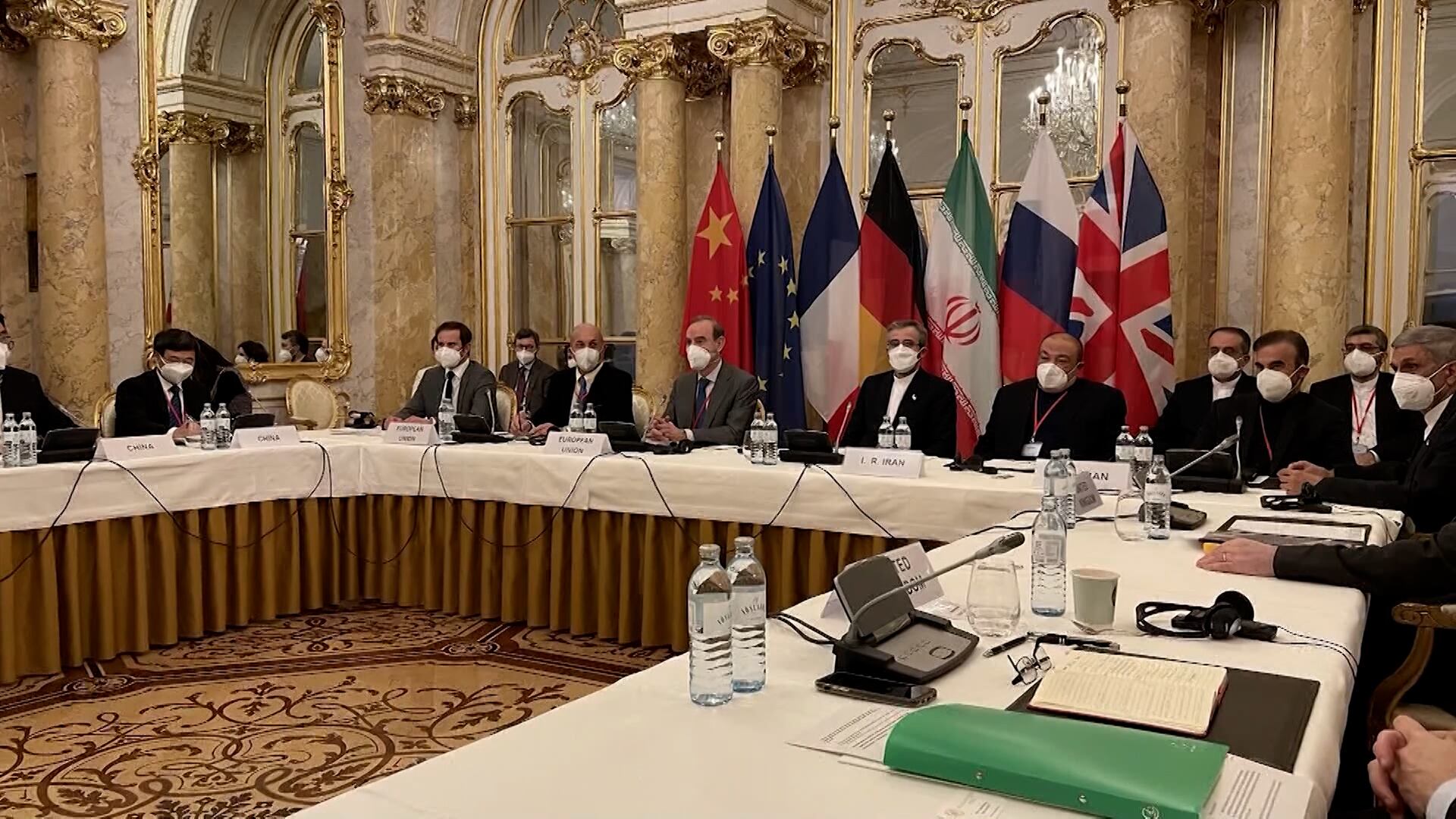
U.S. Back to Negotiating Iran Nuclear Deal After Trump Withdrew in 2018
The U.S. is back in negotiations for a nuclear deal with Iran, years after former President Donald Trump withdrew the country from the Joint Comprehensive Plan of Action (JCPOA), which had been meant to curtail the Middle Eastern nation's nuclear ambitions. Former State Department senior advisor to the George W. Bush and Trump administrations, Christian Whiton, joined Cheddar News Wrap to discuss. “It appears to be very similar to the original JCPOA, which does put some constraints on Iran's nuclear program, but also has sunset provisions, including some that in the original plan were expected to take effect in 2025," he said. "And so, if we just reenter that plan, really it just buys perhaps a few years of slowing down, stopping, whatever you want to say, Iran's nuclear program."
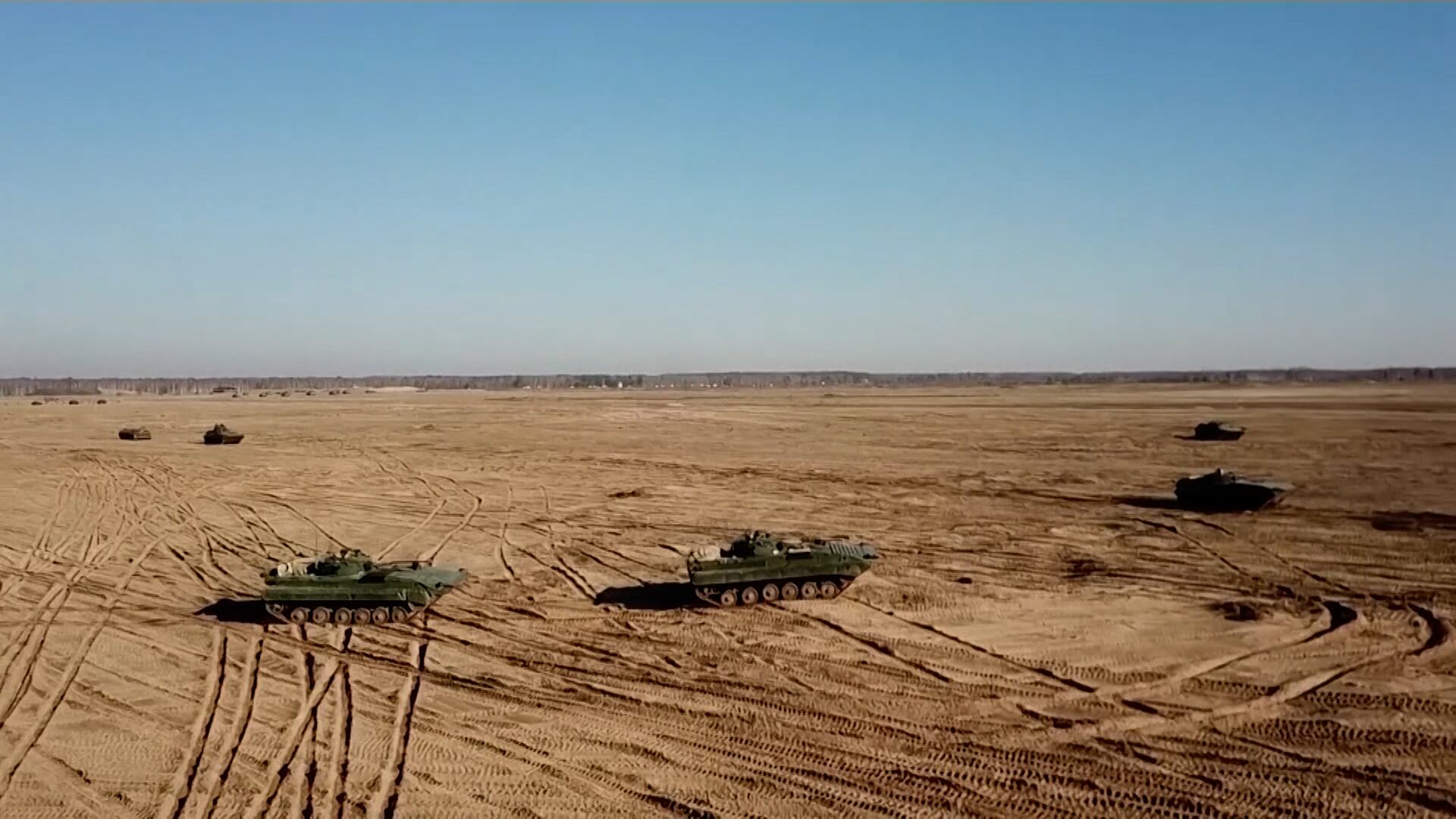
Russia Orders Troops Into Two Ukrainian Regions, White House Calls the Conflict an Invasion
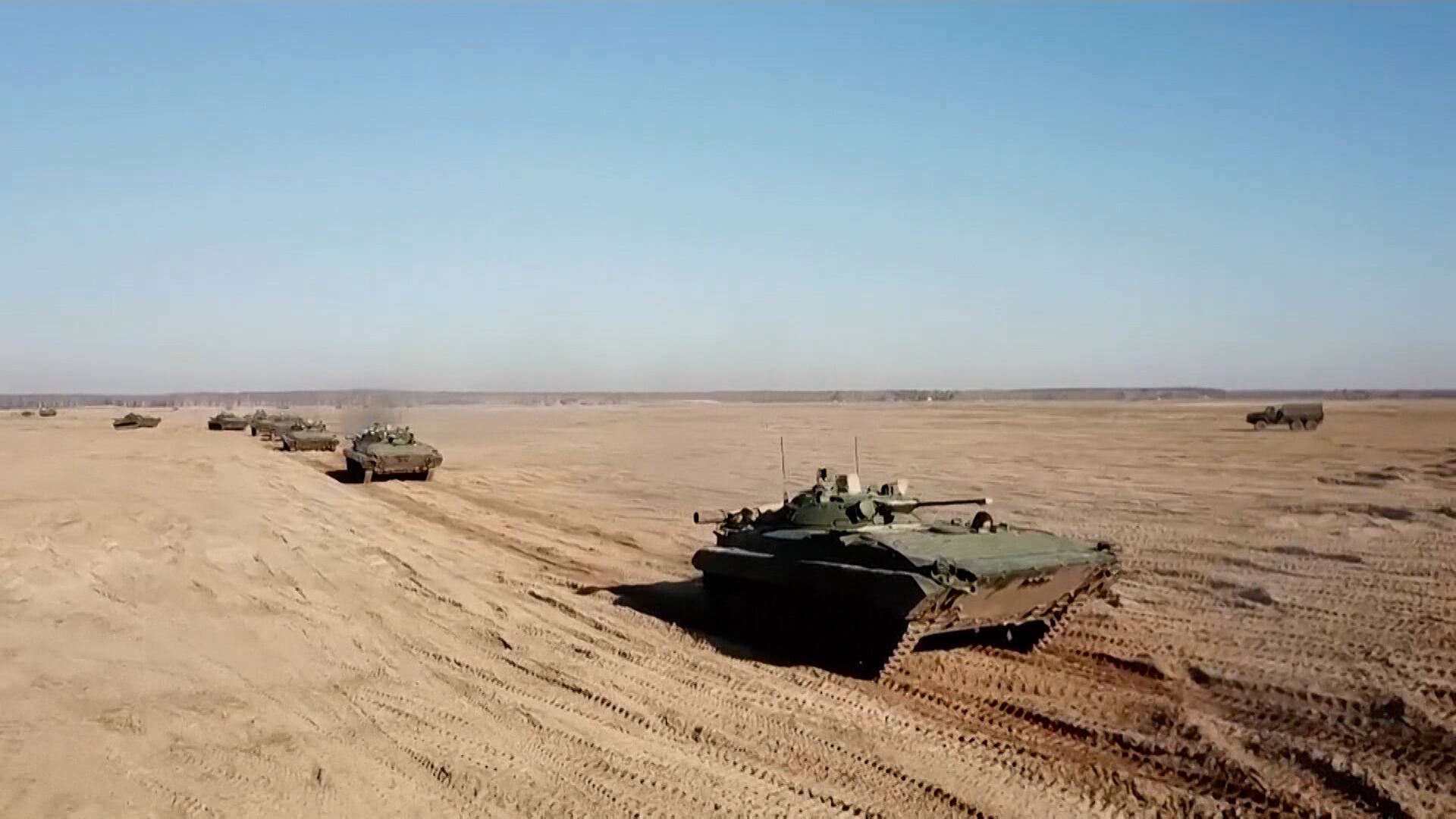
The U.S. has announced the first of what could be multiple levels of sanctions against Russia after Moscow recognized two regions of Ukraine as independent. This comes as Britain imposes sanctions on five Russian banks and two oligarchs, and Germany freezes the Nord Stream gas pipeline. Terrell Star, a foreign affairs reporter at The Atlantic Council, joins from Kyiv to discuss.
Price at the Pump Expected to Rise as Fear of Russian Invasion of Ukraine Grows
Growing tensions in Ukraine might soon be impacting consumers in the United States. With Russia on an invasion footing in the region, gas prices are predicted to go up 10 to 15 cents a gallon in the next coming weeks, according to Robert Sinclair, spokesperson for AAA. Sinclair joined Cheddar to break down what could happen even further. "We've been seeing prices go up, and there's been nothing that's happened to affect supplies," he said. "But it's something known as the fear tax where just the talk of something that might interfere with supplies leads to prices going up speculatively."
End of 3G Networks Expected to Impact Millions of Car Owners
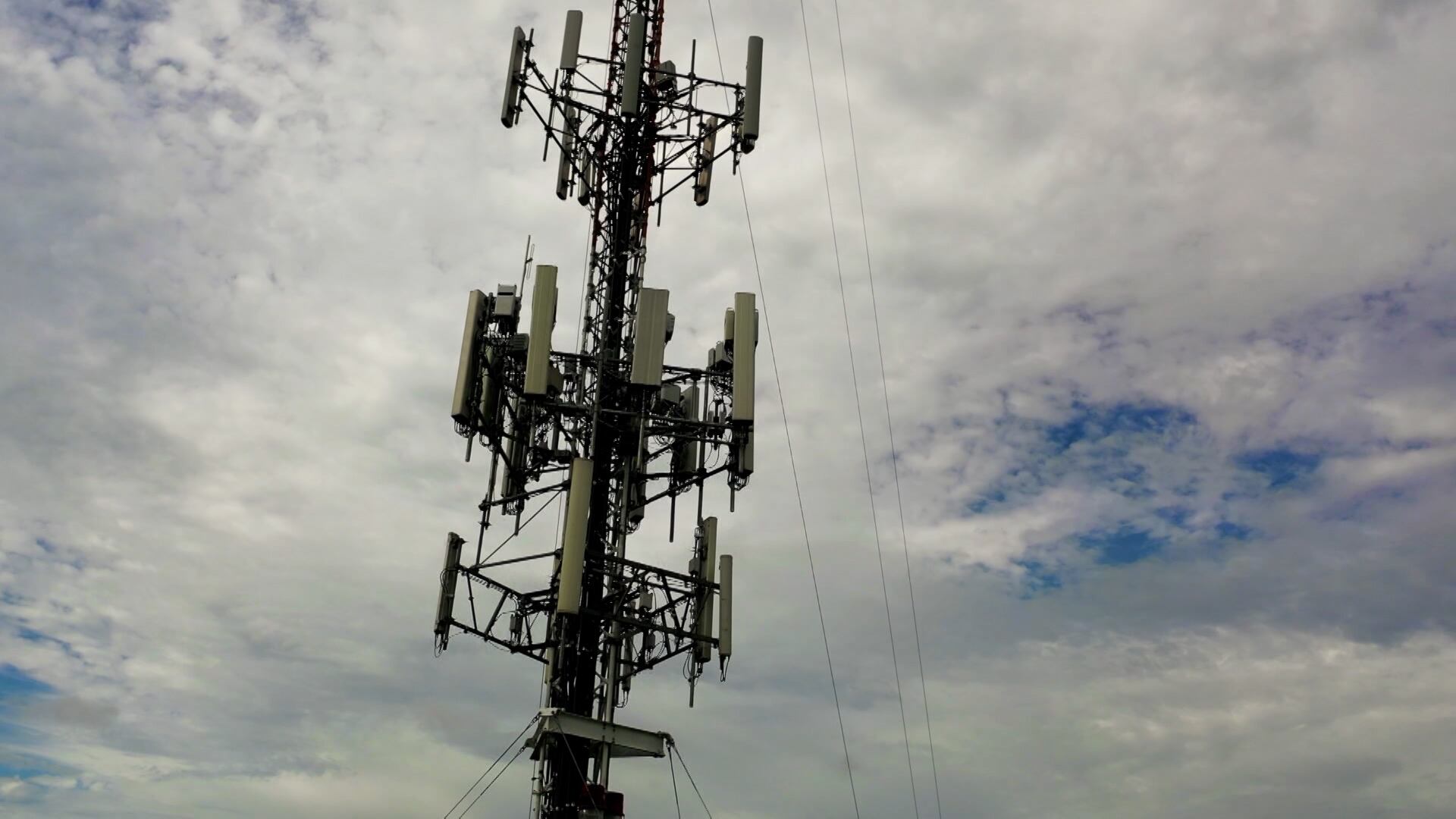
The end of 3G is upon us. On Tuesday, AT&T became the first major provider to disable its 3G services, and T-Mobile and Verizon plan to follow suit later this year. The shutdowns are expected to impact millions of vehicles that use 3G networks for updates, remote connection, and certain emergency and convenience features. Lance Ulanoff, the U.S. Editor-in-Chief of TechRadar, joined Cheddar's Closing Bell to discuss the ramifications of the changeover.
Biden Imposes Economic Sanctions On Russia
President Biden unveiled new economic sanctions on Russia for what he called "the beginning of a Russian invasion". This came one day after Putin sent troops into two breakaway regions of eastern Ukraine. Alex Ward, national security reporter for POLITICO, explains what these sanctions might do to the global economy.
Stocks Close Sharply Lower Amid Russia-Ukraine Tensions
U.S. stocks ended today's session sharply lower on the heels of rising geopolitical tensions between Russia and Ukraine. Melissa Brown, Managing Director of Applied Research at Qontigo, joins Cheddar News' Closing Bell to discuss.
U.S. Will Impose Sanctions on Russia After Troops Entered Ukraine for Alleged Peacekeeping
President Joe Biden said Tuesday that the U.S. will begin to impose sanctions on Russia, calling recent troop movement into Ukraine an 'invasion.' Biden and other government officials including from the State Department have begun to classify the Russian troop movement as an invasion after Russian President Vladimir Putin ordered troops to two independent Ukrainian areas in an alleged "peacekeeping" mission — which the West considers an act of aggression. Biden said Russia will continue to pay 'an even steeper price' if it continues sending troops into Ukraine. What happens next? Will Putin find a way around these sanctions? Ariel Cohen, senior fellow at the Atlantic Council, joins Closing Bell to discuss Biden's remarks, how the West will protect Ukraine since it doesn't belong to NATO, and more.
Load More