Brett Kavanaugh Tapped to Fill SCOTUS Seat, Setting Up Bitter Senate Clash
Appellate court judge Brett Kavanaugh is President Donald Trump's pick to fill the soon-to-be vacant spot on the Supreme Court bench.
The 53-year-old would replace the retiring Justice Anthony Kennedy, who often served as a swing vote for liberals on social issues like gay marriage and abortion.
Critics fear Kavanaugh, who has a long record of conservative-leaning decisions, would vote against those rulings and tilt the nation's top court to the right for decades to come.
In accepting the nomination Monday night, Kavanaugh said, "My judicial philosophy is straightforward. A judge must be independent and must interpret the law, not make the law."
He is, in many ways, similar to Trump's first Supreme Court pick Justice Neil Gorsuch, said Eric Boehm, reporter at Reason.com.
"The two of them attended Georgetown prep together, they were just two years apart in high school," said Boehm. "We now have two guys who may have shared a locker room together in their high school gym class sitting on the Supreme Court, which is kind of crazy and maybe worthy of more criticism than it will get."
Kavanaugh's nomination sets up a bitter fight in the Senate that could potentially have a knock-on effect in the midterm elections in November.
Democrats have voiced their strong opposition to Kavanaugh's candidacy, with Sen. Chuck Schumer (D-NY) [tweeting](https://twitter.com/SenSchumer/status/1016493013143605248) after Monday's announcement that he'll oppose the nomination "with everything I have." Sen. Cory Booker (D-NJ) raised questions over Kavanaugh's support of presidential immunity, suggesting his candidacy is an attempt by Trump to avoid investigation by Special Counsel Robert Mueller.
Booker's concerns stem from Kavanaugh's 1998 [law review article](http://www.minnesotalawreview.org/wp-content/uploads/2012/01/Kavanaugh_MLR.pdf), which he penned after working with independent counsel Kenneth Starr on the investigation into former president Bill Clinton.
Though he authored the report that suggested grounds for Clinton's impeachment, Kavanaugh eventually came to reverse course, questioning whether a sitting president should be subject to the burdens of criminal proceedings.
"A president who is concerned about an ongoing criminal investigation is almost inevitably going to do a worse job as president," Kavanaugh wrote.
The GOP holds only a slight majority in the Senate of 51-49, meaning every Republican senator would have to vote along party lines to confirm the new addition to the Supreme Court. However, Sen. Susan Collins (R-ME) and Sen. Lisa Murkowski (R-AK) are two potential dissenters who could disrupt the equation. Both are pro-choice Republicans who may take issue with the fact that Kavanaugh could help overturn the landmark 1973 decision of Roe v. Wade that established abortion rights.
To complicate the math further, with the midterms looming, some Democratic Senators in traditionally Republican states may also cross over and vote in favor of Kavanaugh, said Jon Miller, CRTV's White House correspondent.
"We have Joe Donnelly \(D-IN\), Joe Manchin \(D-WV\), and Heidi Heitkamp \(D-ND\) who are up for re-election in really competitive races in deeply red states, so they're probably going to have to come on board too," said Miller.
Kavanaugh has been a law and political insider for decades, with some referring to him as the "Forrest Gump of Republican politics." He clerked for the very judge he may end up replacing, Justice Kennedy. He was on President George W. Bush's team during the months-long 2000 recount case against candidate Al Gore. He also served as Bush's White House lawyer and staff secretary, helping Bush navigate legal issues after the 9/11 attack. In 2003, Bush nominated Kavanaugh for his current position as circuit judge for the U.S. Court of Appeals in Washington, DC. He was confirmed to the position in 2006.
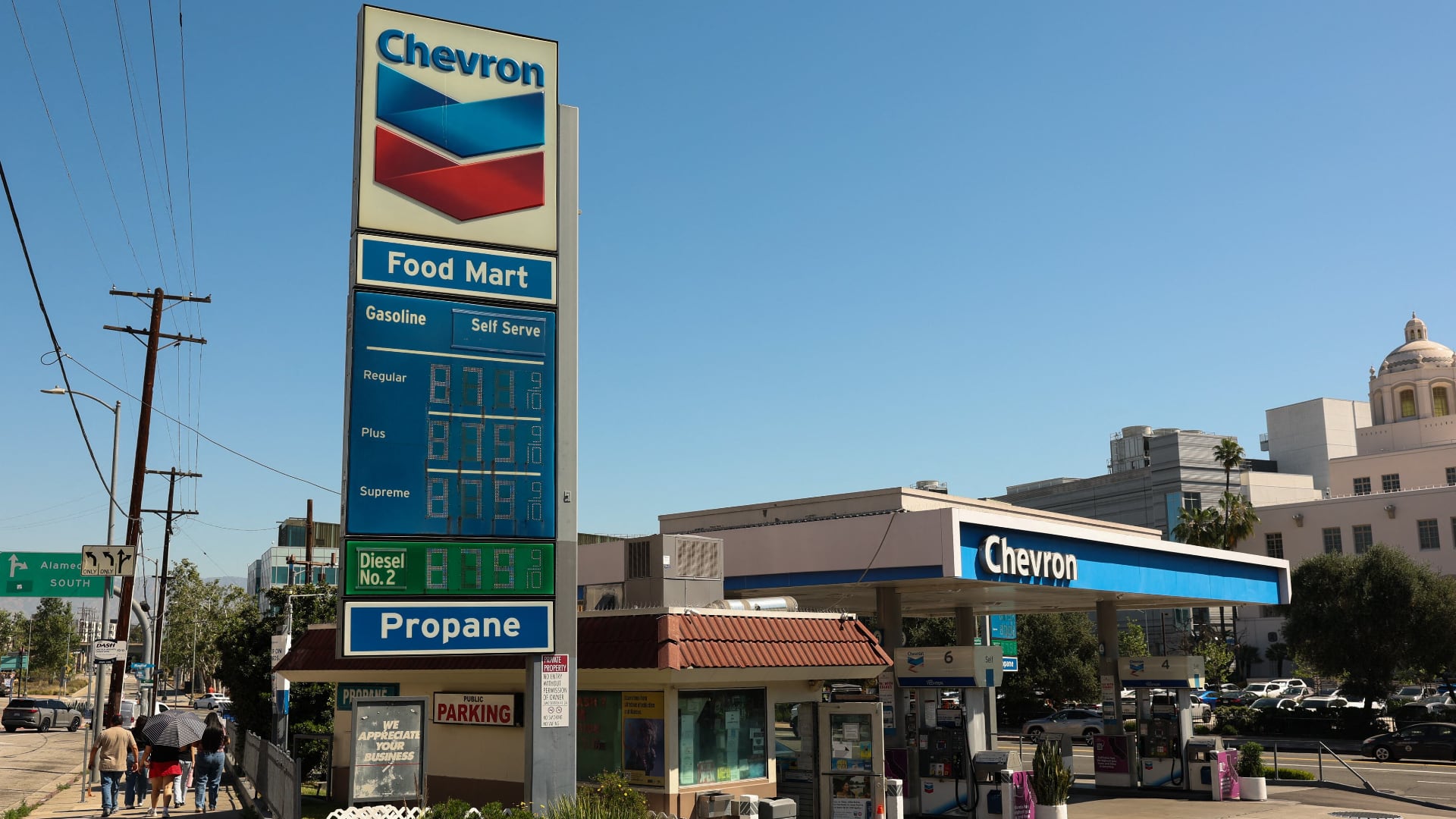
President Biden announced a ban on Russian oil and natural gas imports to the U.S. in response to its invasion of Ukraine, a move he warned could lead to an even greater surge in gas prices. The ban is prompting a conversation about the current oil production levels in the U.S. and whether or not the industry can ramp up production to soften the blow to American families at the gas pump. Clark Williams-Derry, Energy Finance Analyst with the Institute for Energy Economics and Financial Analysis, breaks down the state of the U.S. oil industry and how the ban might impact production levels here at home.
PepsiCo, Coca-Cola, McDonald’s, and Starbucks are the latest American food brands to have halted business operations in Russia after having faced scrutiny and criticism for originally failing to do so amid the country's invasion of Ukraine.
As Russia intensifies its war on Ukraine, President Biden announced a ban on oil imported from the aggressor nation. Critics of Russia have said this would be the best way to force Putin to pull back, but curbs on Russian oil exports are expected to send already skyrocketing oil and gas prices even higher, further impacting consumers, businesses, financial markets, and the global economy. Leslie Beyer, CEO of the Energy Workforce and Technology Council, joined Cheddar News' Closing Bell to discuss. "It's certainly going to increase pricing, but it is the right thing to do," she said. "The industry itself has already pulled out of the significant portion of its operations in Russia."
Sports Betting in the U.S. is booming. According to industry experts, we could see another boom this year as more states move towards statewide legalization of sports wagering. While this comes as huge news for fans, there are some very real concerns as to whether or not sports betting potentially poses a threat to public health. Senior Clinician at the Caron Treatment Centers, Eric Webber, joined Cheddar to discuss more.
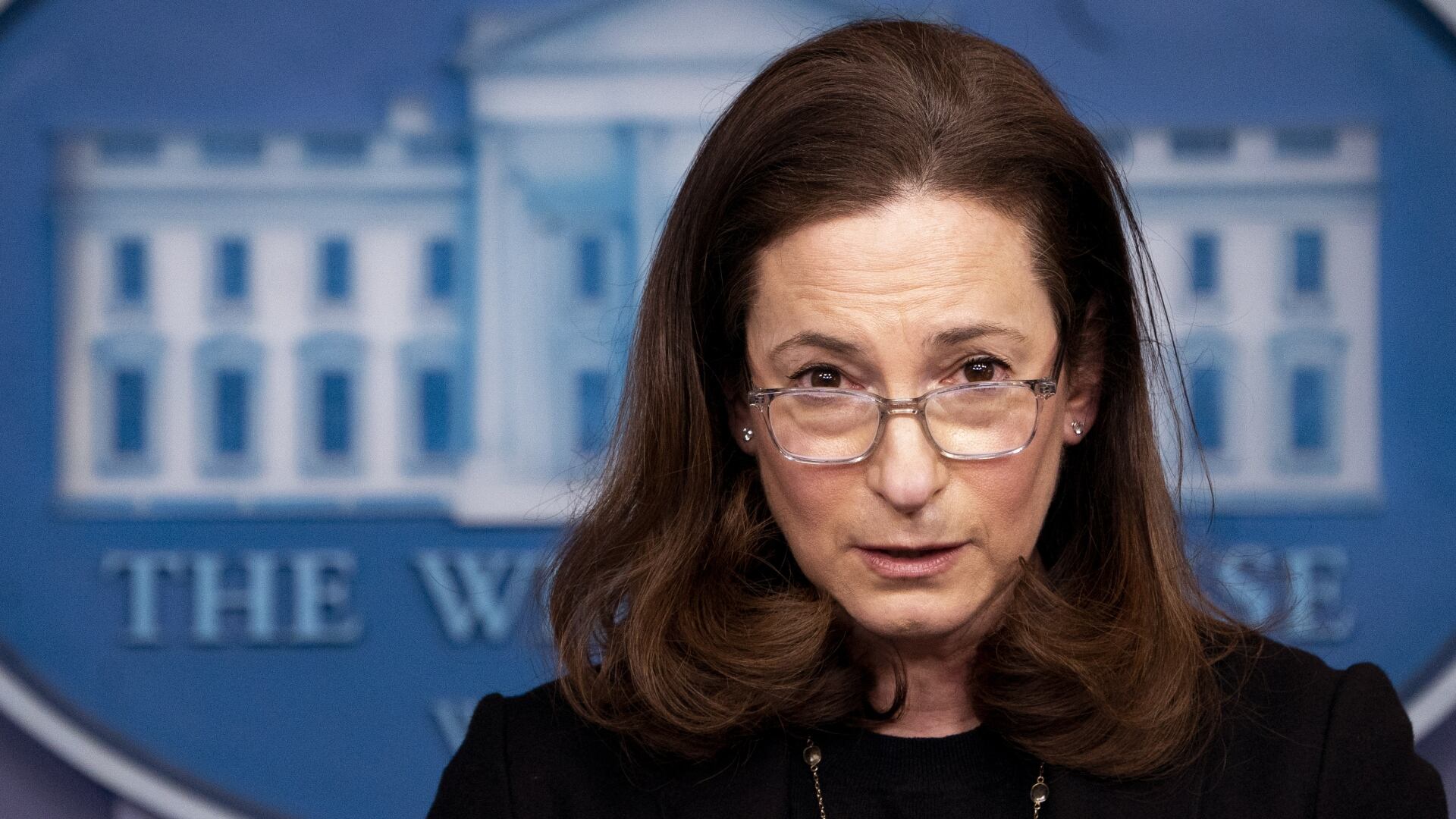
The Biden administration has made gender policy a core part of how it governs. The president established the first Gender Policy Council. It's on the same level as the National Security Council, Domestic Policy Council and National Economic Council, putting the interests of women and other underserved groups at the table for the most important policy discussions.
Cheddar News sat down with Jennifer Klein, executive director and co-chair of the White House Gender Policy Council, to discuss the council's work and its significance during Women's History Month.
State Representative Jessica González, Vice Chair of the Texas House LGBTQ Caucus, joins Cheddar News to discuss the latest Texas anti-transgender directive.
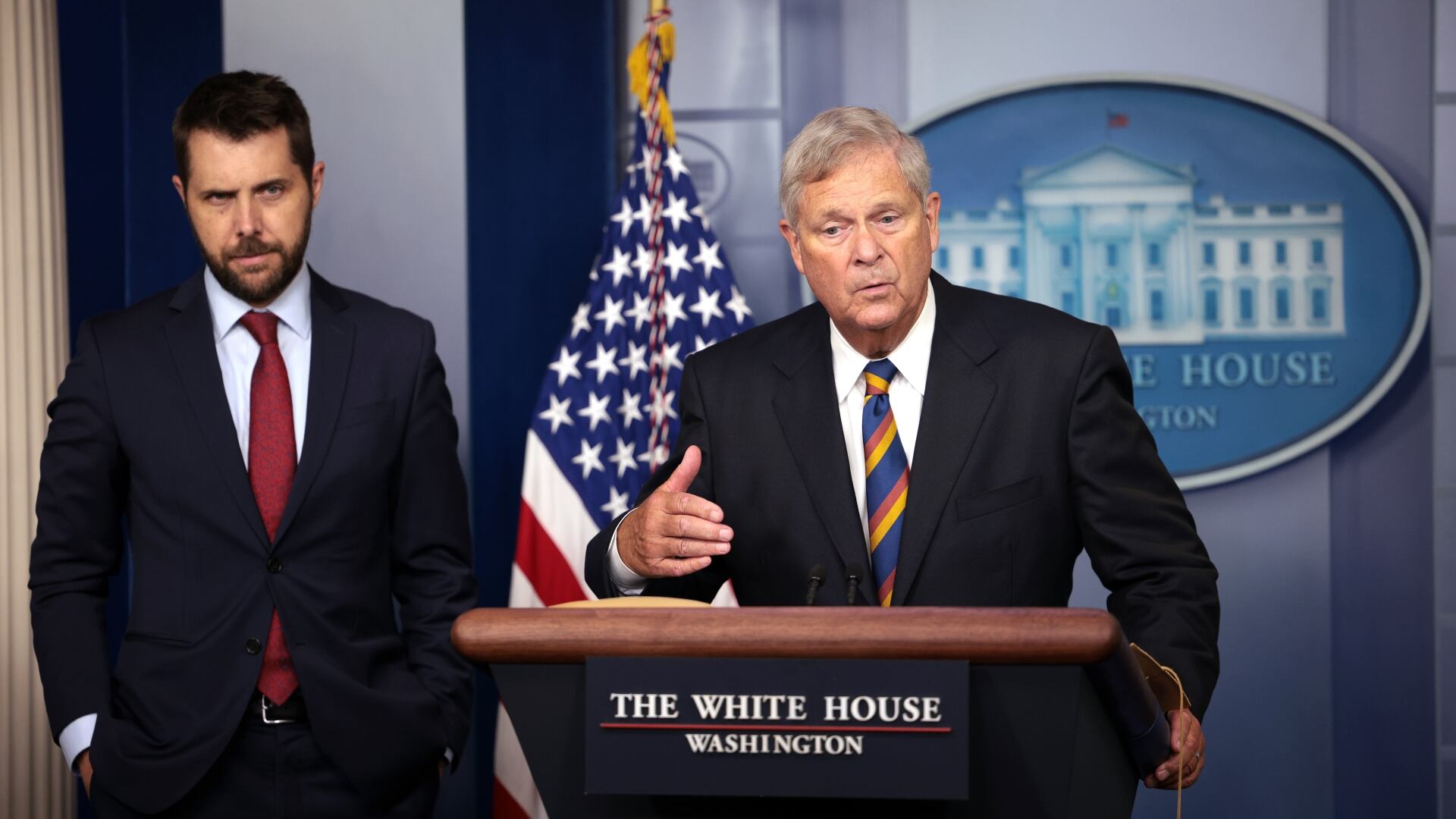
The United States Secretary of Agriculture, Tom Vilsack joins None of the Above to discuss the newly emerging conflict in Europe, what it means for agriculture in the states, dairy and meat consumption, and how the department is planning to promote climate-smart agriculture.
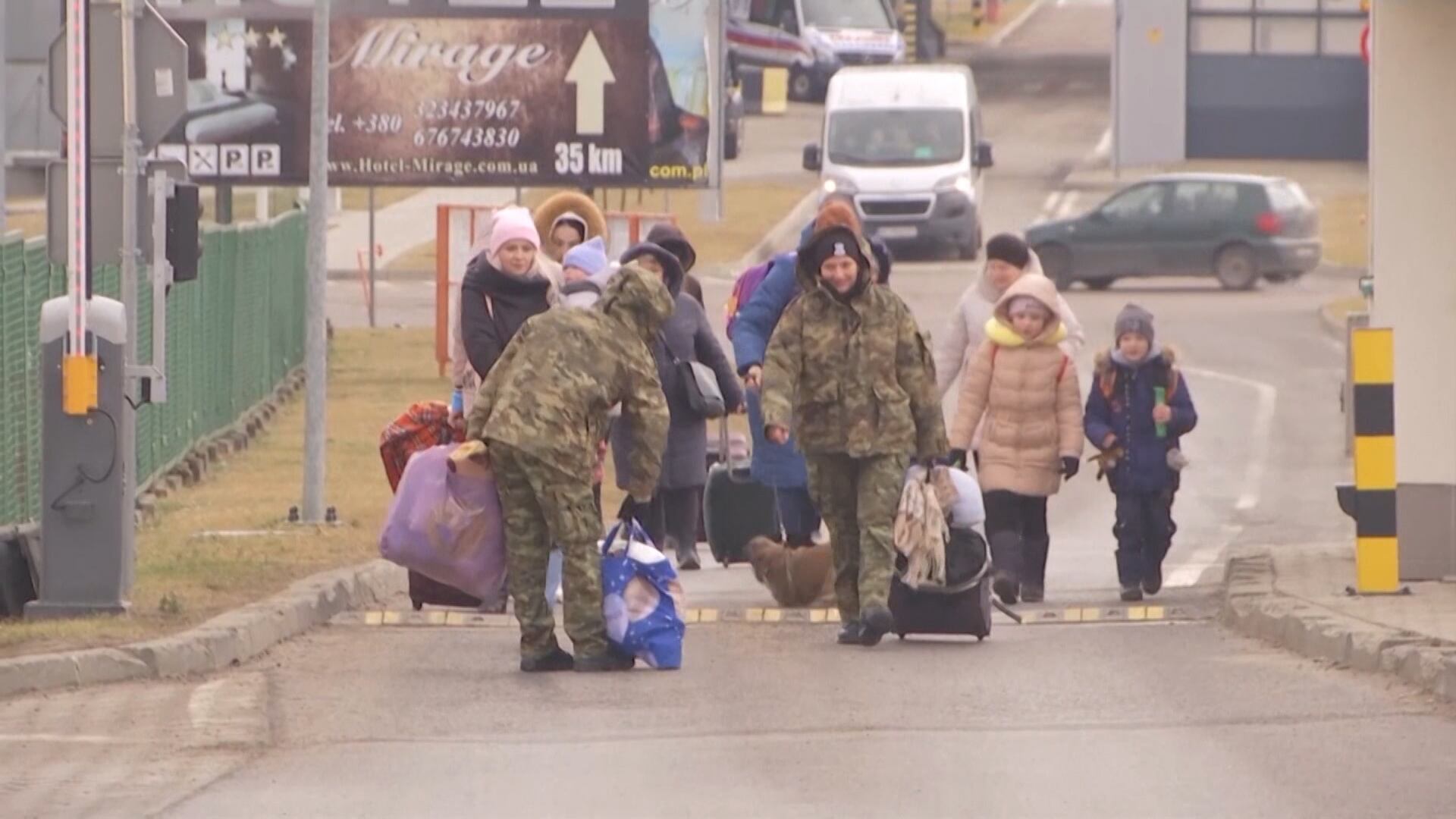
Tens of thousands of people have fled Ukraine in attempts to escape the Russian Invasion. According to the U.N. neighboring countries like Poland, Hungary, and even Romania have seen half a million refugees. While the hospitality is being welcomed by many, it also highlights the mistreatment of migrants and refugees from the Middle East and Africa. Professor of Philosophy and Director of Politics at Northeastern University Serena Parekh, joined Cheddar, to discuss more.
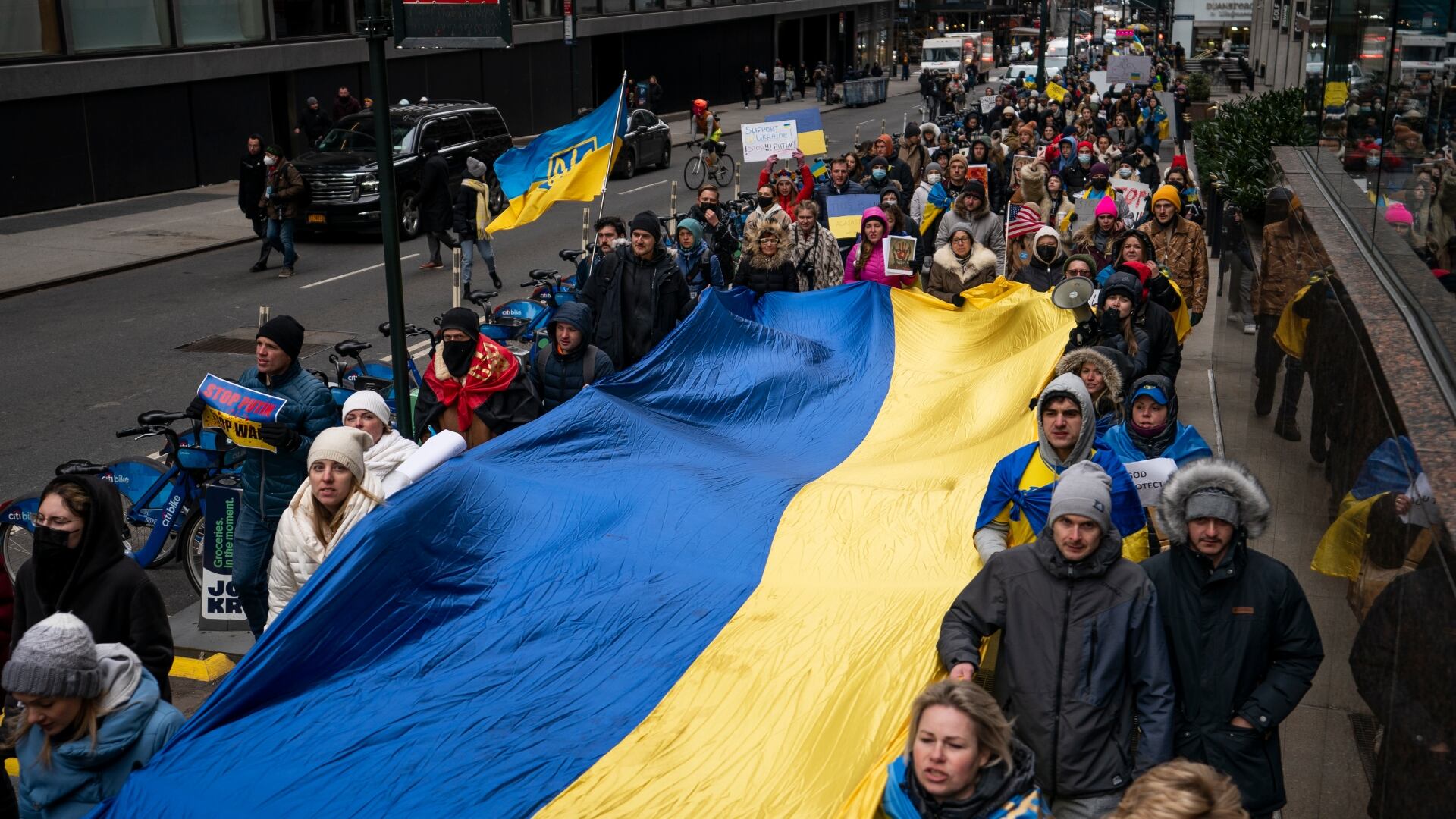
As Russia unleashed war in the country of Ukraine, global leaders have started inflicting punishment on Vladimir Putin's regime via commercial and financial penalties. According to President Joe Biden Putin's aggression is "a flagrant violation of international law and it demands a firm response from the international community".However, the main question is will these sanctions actually work. Partner at Jenner & Block LLP, Rachel Alpert, joined Cheddar to discuss more.