Judge Sides with CNN in Dispute Over White House Access
*By Carlo Versano*
A federal judge made a limited ruling Friday that the White House must immediately restore press access to CNN correspondent Jim Acosta on Fifth Amendment grounds.
Federal Judge Timothy Kelly, who was appointed by President Trump, granted CNN's request for a temporary restraining order, which will allow Acosta to re-join the White House press corps, at least temporarily. Kelly did not issue a formal ruling on the case, which is expected to come after more hearings.
"This case is not over," Joe Concha, a media reporter for The Hill, told Cheddar Friday.
Judge Kelly did not make a decision one way or another on Acosta's First Amendment right to White House access. Rather, his ruling was based on the Due Process Clause of the Fifth Amendment.
The White House responded to the ruling in a statement that interpreted Kelly's decision to bypass the First Amendment issue as a win.
“Today, the court made clear that there is no absolute First Amendment right to access the White House. In response to the court, we will temporarily reinstate the reporter’s hard pass. We will also further develop rules and processes to ensure fair and orderly press conferences in the future."
"There must be decorum at the White House," the statement added.
President Trump expanded in an impromptu Q&A with reporters:
"We want total freedom of the press. It's more important to me than anybody would believe. But you have to act with respect when you're at the White House, and when I see the way some of my people get treated at news conferences, it's terrible.
The White House yanked Acosta's press pass following a series of back-and-forths between President Trump and the reporter that culminated in an explosive exchange at a press conference the day after the midterm elections.
At first, Press Secretary Sarah Huckabee Sanders said they pulled Acosta's pass because he had placed his hands on a White House intern who had attempted to take the microphone out of his hands. After that argument was challenged by Acosta's defenders, the White House's position evolved into a broader complaint about the reporter's overall behavior at press briefings.
Concha told Cheddar that eliminating the live feed of the daily briefing (which has become more of a weekly or biweekly briefing, of late), might limit grandstanding from both reporters and Trump Administration officials at the podium and cut down on confrontations.
That type of broader reform, however, appears unlikely. And with Acosta allowed back into the White House, Concha said the press office is likely to simply "box him out" of asking questions.
"I don't think this is going to change anything," Concha said of the ruling.
For full interview [click here](https://cheddar.com/videos/whats-next-in-the-cnn-trump-saga).
Chris Natividad, CIO of EquBot, joins Cheddar News' Closing Bell, where he elaborates on what ultimately dragged the Dow, S&P, and Nasdaq lower on Tuesday and discusses how investors are reacting to rising oil prices and February CPI data coming out later this week.
Adam Johnson, Portfolio Manager at Adviser Investments, joins Cheddar News' Closing Bell, where he explains why he believes we saw markets jump during Wednesday's session, and adds that investors have already priced in 'every possible kind of bad news we could have.'
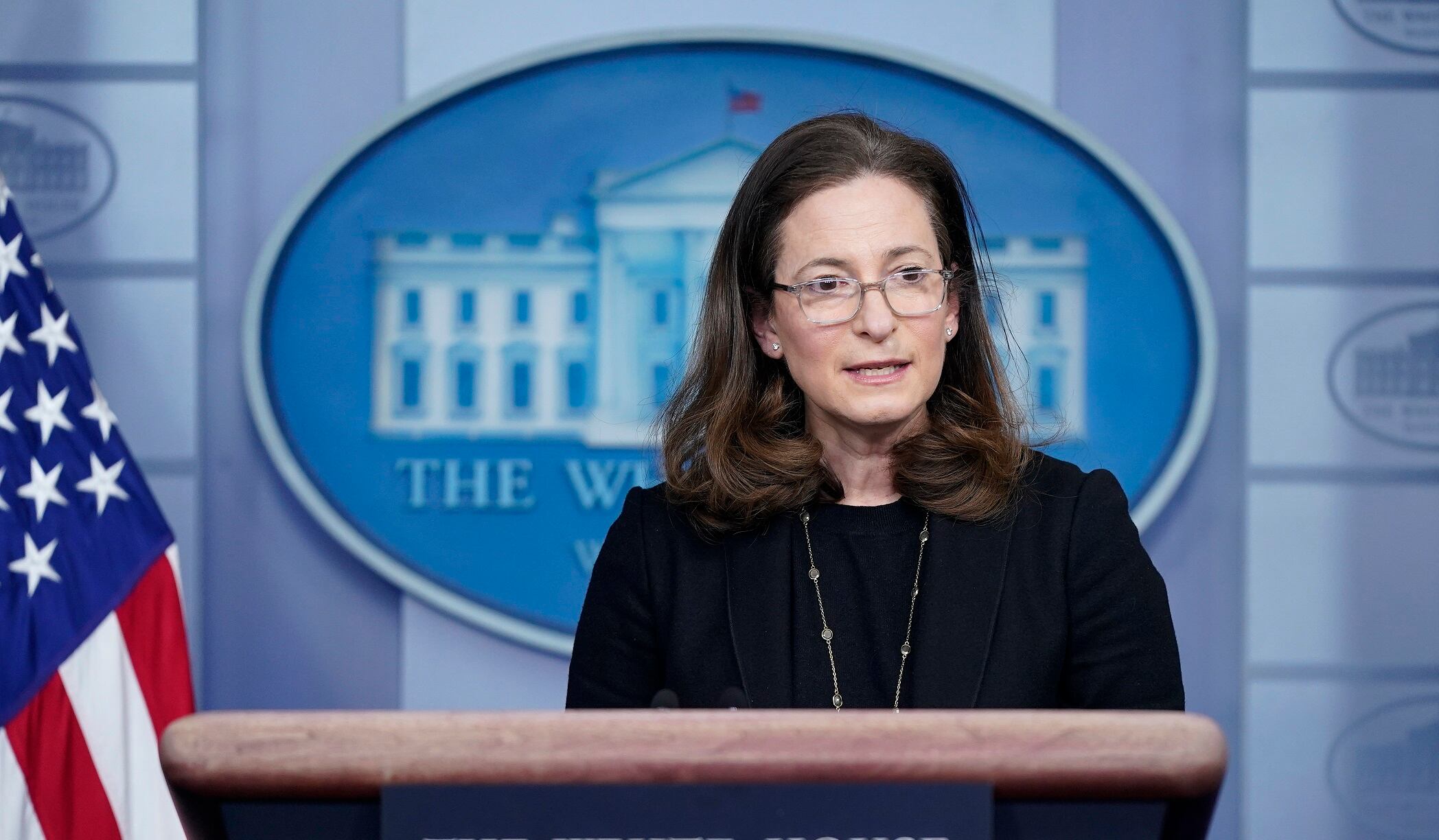
Jennifer Klein, the White House Gender Policy Council's co-chair and executive director, spoke to Cheddar News about the economic impact of the pandemic showing the need for a group like the Gender Policy Council, and the need to address issues that have affected women the most,
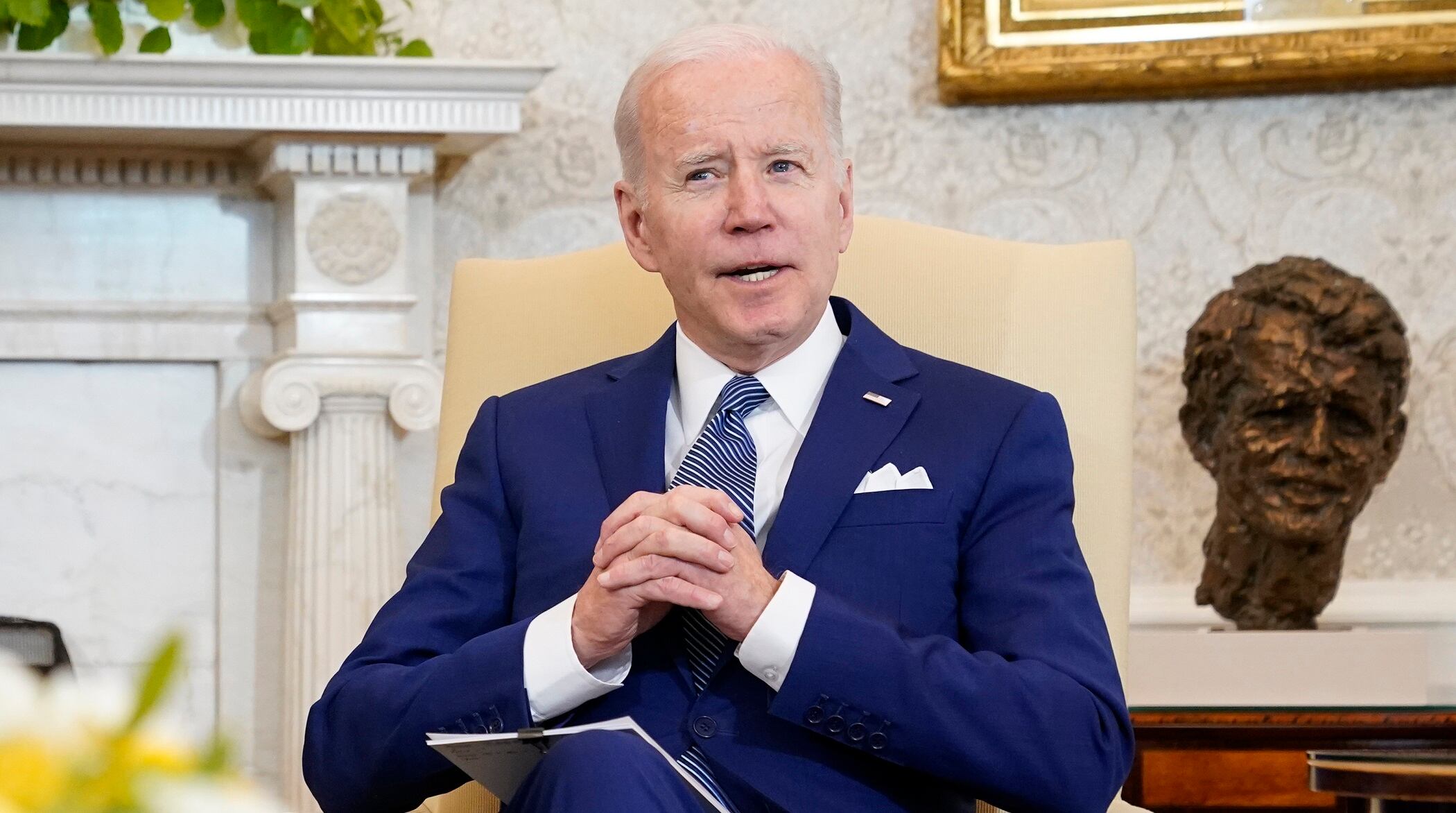
President Joe Biden on Wednesday signed a long-awaited executive order on cryptocurrencies, striking a careful balance between highlighting the risks of digital assets and touting their potential benefits.
McDonald’s said Tuesday it is temporarily closing all of its 850 restaurants in Russia in response to the country's invasion of Ukraine. The burger giant said it will continue paying its 62,000 employees in Russia.
The price of nickel, one of the key minerals needed to produce stainless steel and lithium-ion batteries, saw an unprecedented surge Tuesday amid fears that Western sanctions could cut off Russian supplies of the crucial commodity.
As Western companies cut ties with Russia over its invasion of Ukraine, there's a possibility their Chinese rivals could move in and fill the void. Major corporations such as Apple, Samsung, Dell, and more have halted sales in Russia in hopes of encouraging Putin to back down, but now it seems those sanctions could be presenting a unique opportunity for China. Michael Friedson, Co-founder and Executive Editor of The Media Line News Agency, joined Cheddar's Opening Bell to discuss how these Western boycotts are reshaping geopolitical alignments, the global economy, and international trade.
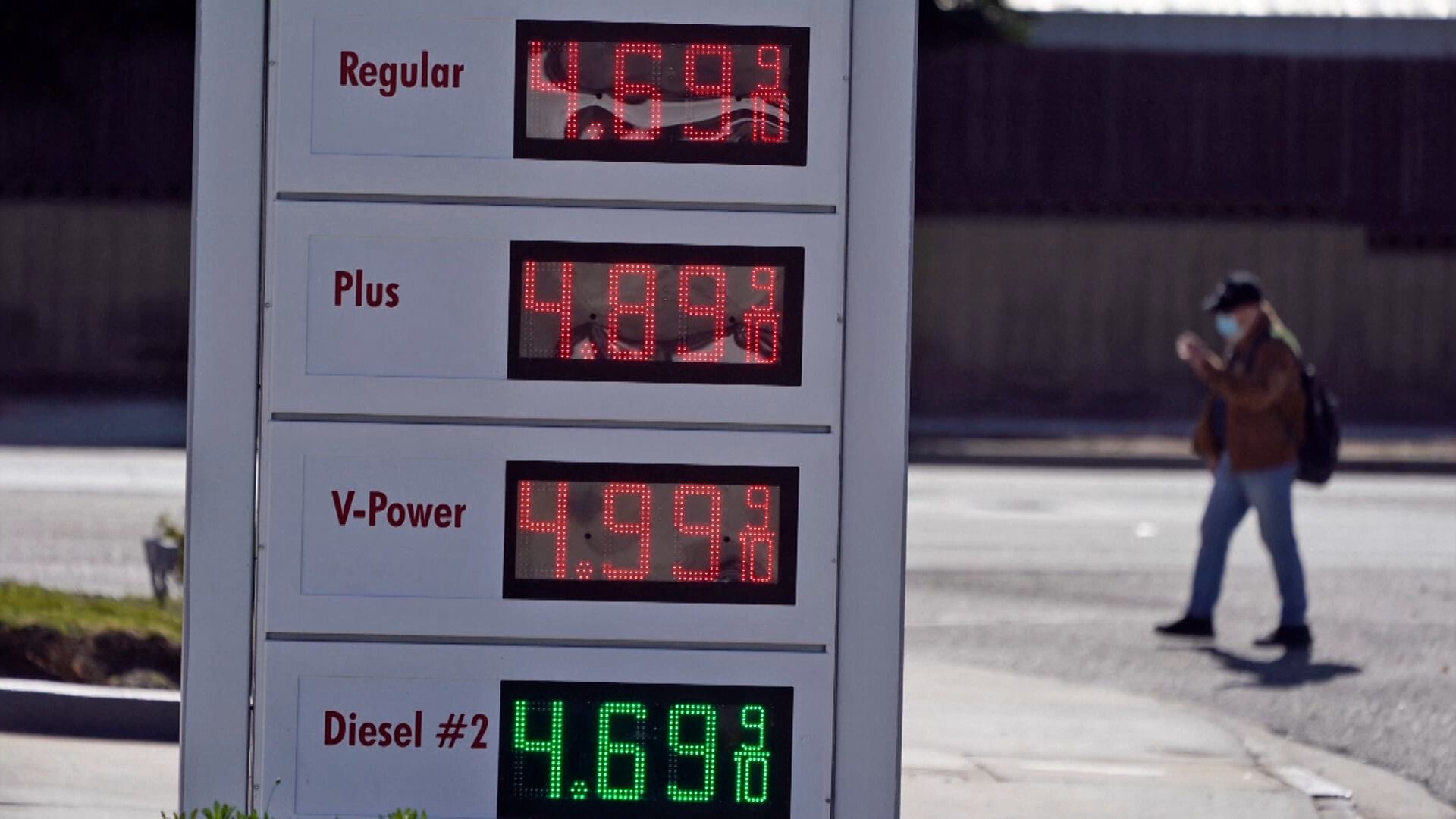
Gas prices have reached their highest level since 2008, topping an average of $4 across the country. The surge comes as Russia's invasion of Ukraine triggers supply concerns in what was already an extremely tight oil market. Jay Hatfield, Chief Investment Officer at ICAP, breaks down why costs at the pump are so high right now, and just how high they could go.
President Joe Biden has announced that the U.S. will ban all Russian oil imports, toughening the toll on Russia’s economy in retaliation for its invasion of Ukraine.
If confirmed, judge Ketanji Brown Jackson could become the first black woman on the bench of the U.S. Supreme Court. Cheddar News speaks with Katie Barlow, Chief Legal Correspondent at Fox 5 to discuss the significance of the nomination.