Judge Sides with CNN in Dispute Over White House Access
*By Carlo Versano*
A federal judge made a limited ruling Friday that the White House must immediately restore press access to CNN correspondent Jim Acosta on Fifth Amendment grounds.
Federal Judge Timothy Kelly, who was appointed by President Trump, granted CNN's request for a temporary restraining order, which will allow Acosta to re-join the White House press corps, at least temporarily. Kelly did not issue a formal ruling on the case, which is expected to come after more hearings.
"This case is not over," Joe Concha, a media reporter for The Hill, told Cheddar Friday.
Judge Kelly did not make a decision one way or another on Acosta's First Amendment right to White House access. Rather, his ruling was based on the Due Process Clause of the Fifth Amendment.
The White House responded to the ruling in a statement that interpreted Kelly's decision to bypass the First Amendment issue as a win.
“Today, the court made clear that there is no absolute First Amendment right to access the White House. In response to the court, we will temporarily reinstate the reporter’s hard pass. We will also further develop rules and processes to ensure fair and orderly press conferences in the future."
"There must be decorum at the White House," the statement added.
President Trump expanded in an impromptu Q&A with reporters:
"We want total freedom of the press. It's more important to me than anybody would believe. But you have to act with respect when you're at the White House, and when I see the way some of my people get treated at news conferences, it's terrible.
The White House yanked Acosta's press pass following a series of back-and-forths between President Trump and the reporter that culminated in an explosive exchange at a press conference the day after the midterm elections.
At first, Press Secretary Sarah Huckabee Sanders said they pulled Acosta's pass because he had placed his hands on a White House intern who had attempted to take the microphone out of his hands. After that argument was challenged by Acosta's defenders, the White House's position evolved into a broader complaint about the reporter's overall behavior at press briefings.
Concha told Cheddar that eliminating the live feed of the daily briefing (which has become more of a weekly or biweekly briefing, of late), might limit grandstanding from both reporters and Trump Administration officials at the podium and cut down on confrontations.
That type of broader reform, however, appears unlikely. And with Acosta allowed back into the White House, Concha said the press office is likely to simply "box him out" of asking questions.
"I don't think this is going to change anything," Concha said of the ruling.
For full interview [click here](https://cheddar.com/videos/whats-next-in-the-cnn-trump-saga).
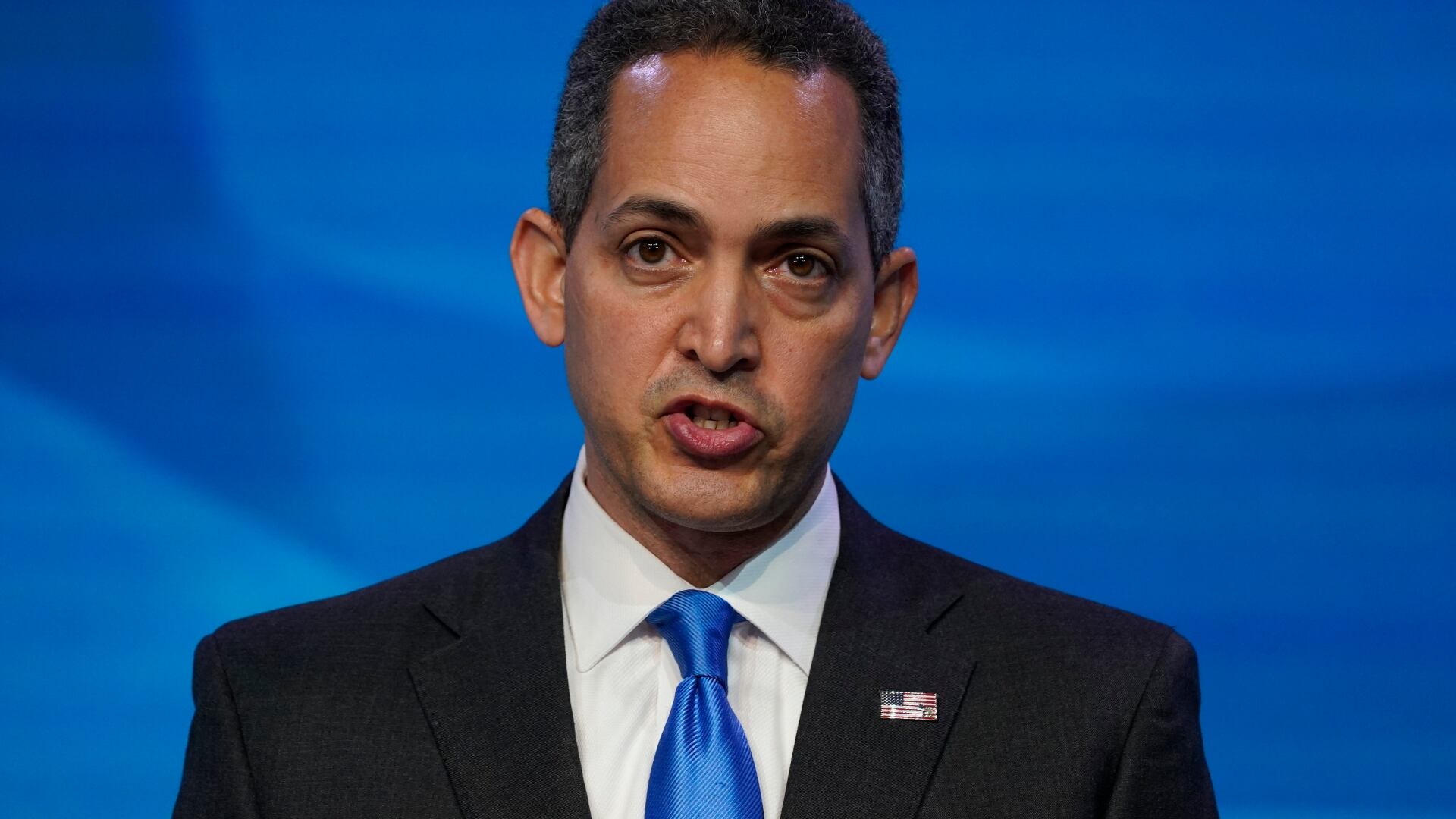
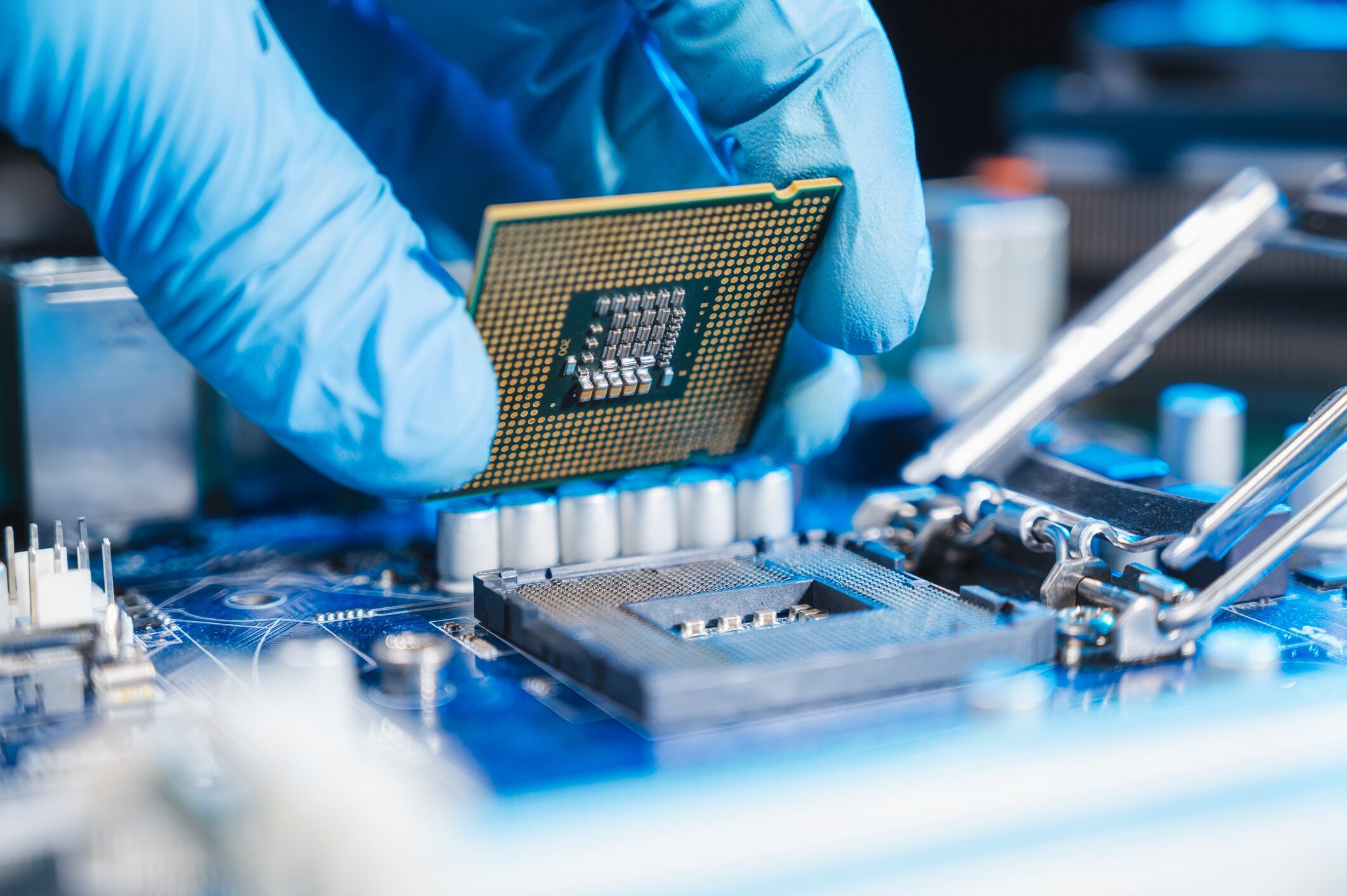
The ongoing semiconductor chip shortage has been impacting everything from the purchase of cars to smartphones. Deputy Commerce Secretary Don Graves spoke with Cheddar about the Biden administration's efforts to combat the issue and if the current crisis in Ukraine will have any impact on the global supply chain problems for semiconductors. "We're working very closely with all of our partners and allies around the globe, just as we have on the export controls and sanctions that we've applied to Russia to deal with that needless aggression," he said. "We're also working with them on the challenges of raw materials for a range of industries, including the semiconductor industry. We believe that we are going to be able to meet the demand for the for the near term."
Deputy Commerce Secretary Don Graves spoke to Cheddar's Alex Vuocolo about the ongoing semiconductor shortages and the push from the Biden administration to cover the supply chain problem as well as look ahead to future-proofing it.
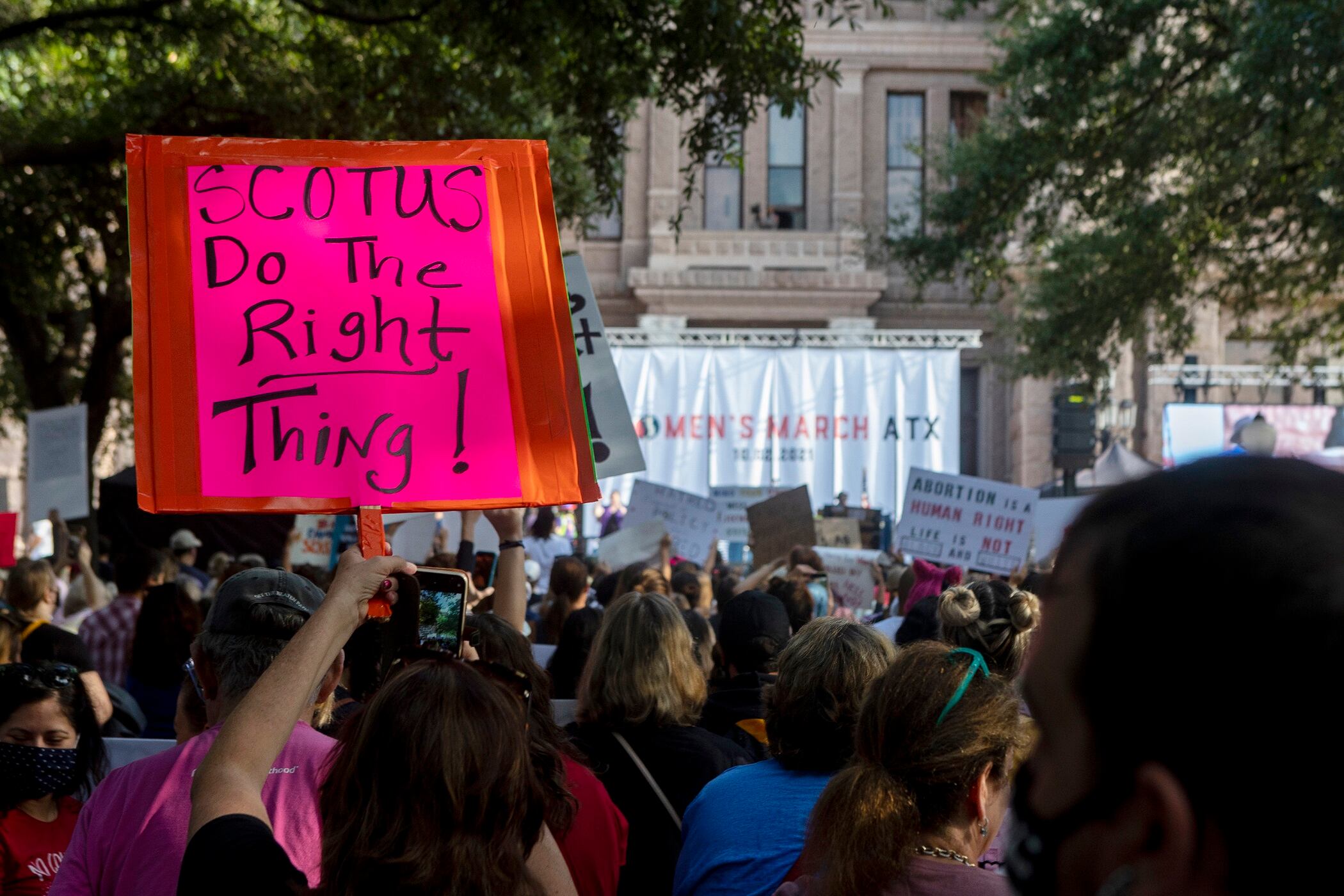
President Maxx Fenning and Vice President CJ Walden of PRISM, a Florida non-profit providing resources for LGBTQ youth, joined Cheddar News to discuss the negative repercussions of a Florida bill banning discussions of sexuality and gender identity in some classrooms.
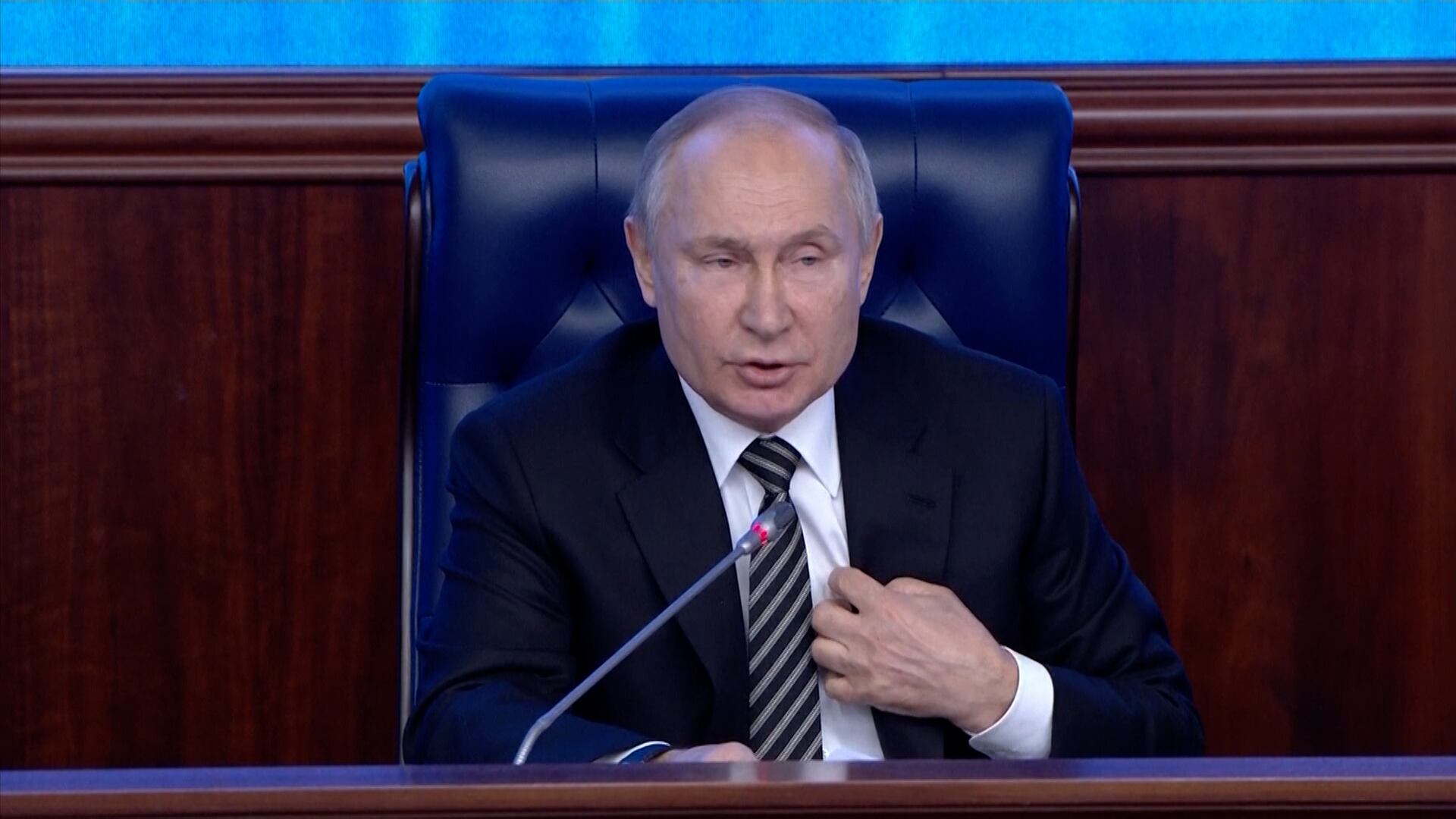
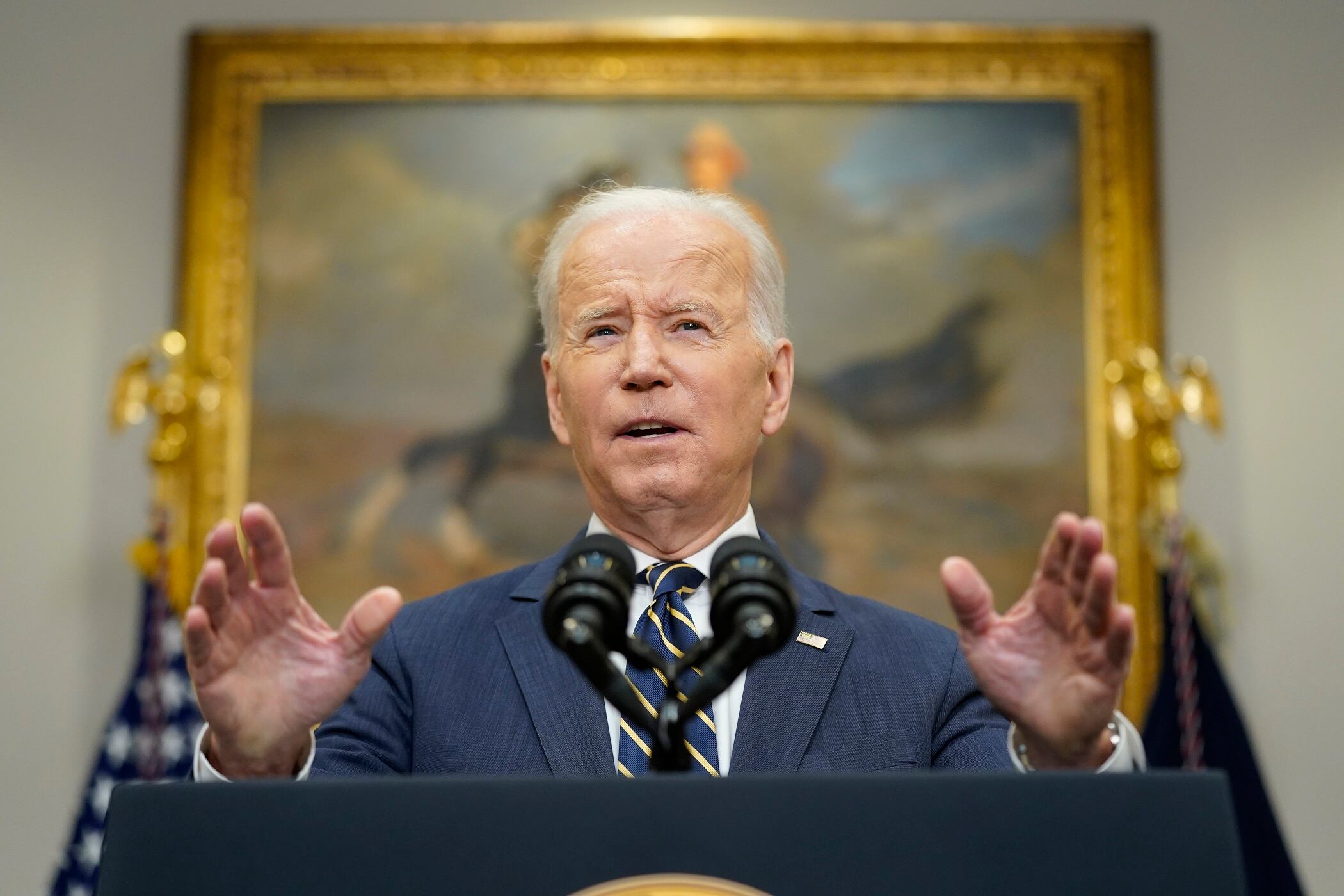
President Joe Biden announced Friday that along with the European Union and the Group of Seven countries, the U.S. will revoke “most favored nation” trade status for Russia over its invasion of Ukraine.
The consumer price index jumped 7.9 percent in February, marking a 40-year high for inflation in the U.S. This report comes less than a week ahead of the Fed's all important meeting. Kayla Bruun, Economic Analyst, Morning Consult, joined Cheddar's Opening Bell to discuss.
Markets opened lower amid hotter-than-expected inflation data, which surged to its highest level in nearly 40 years. Lisa Erickson, Senior Vice President and Co-Head, Public Markets Group, U.S. Bank joined Cheddar's Opening Bell to discuss the significance of this figure ahead of the Federal Reserve's FOMC meeting.
As the Russia-Ukraine war disrupts the global economy, sending markets on a roller coaster ride, gold remains hovering around $2,000 an ounce. Often seen as a safe haven in times of economic crisis, Jason Cozens, founder and CEO of gold-as-currency platform Glint Pay, joined Cheddar’s Opening Bell to discuss the latest gold rush, how the war is impacting prices, and how people can use Glint to trade in the precious metal. “You know the stock markets and cryptocurrencies are risky investments," he stated. "Whereas gold is just reliable money. It's no one else's liability if you own."
As Western sanctions weigh on Russia's economy, the country is at the risk of defaulting on its debt. Fitch ratings agency has downgraded Russia's debt for the second time in a week, warning a "sovereign default is imminent." Jesse Wheeler, Economic Analyst at Morning Consult, explains what that means, and how it could have ripple effects across the global economy.