*By Kavitha Shastry*
Shares of Tesla ($TSLA) dropped more than 10 percent after hours Thursday after the SEC filed securities fraud charges against CEO Elon Musk.
In a complaint filed in federal court in Manhattan, the agency said Musk either "knew or was reckless in not knowing" that a series of statements he made about taking his company private were false or misleading.
Elon Musk responded to the allegations in a statement to Cheddar saying, "This unjustified action by the SEC leaves me deeply saddened and disappointed. I have always taken action in the best interests of truth, transparency and investors. Integrity is the most important value in my life and the facts will show I never compromised this in any way."
The SEC's charges stemmed from a [tweet](https://twitter.com/elonmusk/status/1026872652290379776) by Musk on August 7 that he had "funding secured" for a deal that would value the company at $72 billion. The post sent shares of the stock surging to 11-month highs, but an admission by Musk a few days later that he hadn't quite sealed a deal with a Saudi sovereign wealth fund ー followed by a [withdrawal](https://www.tesla.com/blog/staying-public) of his plans ー brought shares down as much as 35 percent.
Shortly after the first tweet, the SEC launched a probe into whether civil charges should be filed. In the actual lawsuit the agency is looking to bar Musk from serving as an officer or a director of any public company. The agency may also impose civil penalties and force him to pay back any "ill-gotten" gains he received from the stock's price fluctuations.
The Department of Justice is currently investigating whether to file criminal charges as well.
CEOs of social media platforms like Facebook, TikTok, and more meet with lawmakers Wednesday about how they are protecting children from sexual exploitation.
San Francisco 49ers president Al Guido discusses what goes into preparing for Super Bowl LVIII, building a championship-ready team, and how Taylor Swift and streaming are both bringing new fans to the NFL.
A $1 billion loss from a six-week strike did not crash GM's net income last year, which instead rose 12% — and the automaker expects improvement in 2024, too.
Accrue CEO and founder Michael Hershfield explains why Americans' credit card delinquencies are on the rise, advice on what can help, and the key difference between Boomers and Gen Z when it comes to money.
Senior Economist at Morning Consult Kayla Bruun shares thoughts on what to expect from the Fed's January meeting and where monetary policy is headed, as well as how consumers are faring.
Former Medtronic CEO and author of 'True North' Bill George explains the steps Boeing leadership must take to regain client and consumer trust after 737 Max 9 production was stopped.
Amazon blamed "regulatory hurdles" for calling off its proposed acquisition of robot vacuum maker iRobot. Not even a Roomba could clean up the deal's antitrust scrutiny.
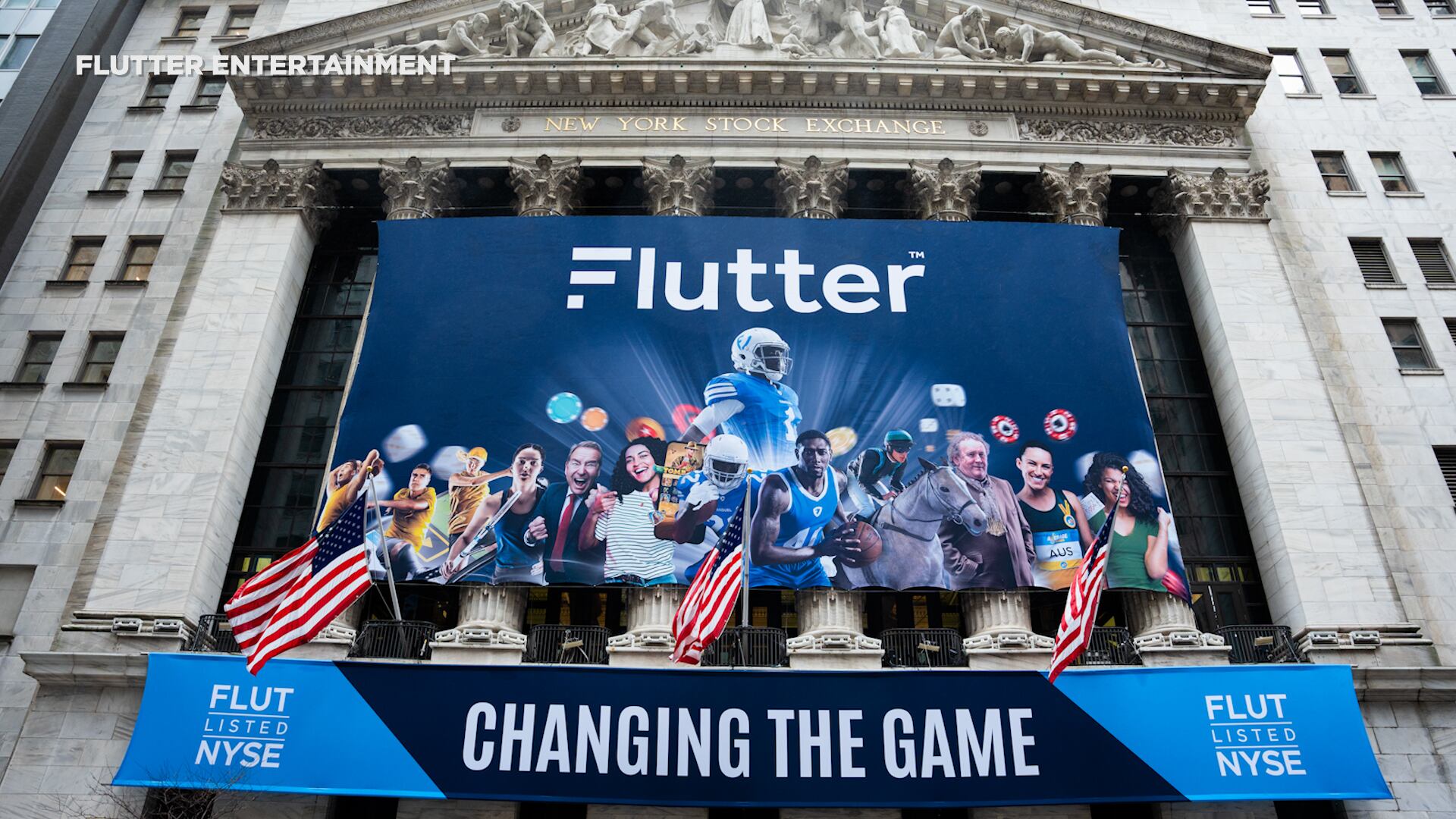
To celebrate Flutter Entertainment's debut on the NYSE, FanDuel CEO Amy Howe shares her thoughts on the company's plans for growth, the future of online sportsbetting, and Super Bowl Sunday.
Investopedia's Caleb Silver shares thoughts on the upcoming Fed meeting, why individual investors are still slightly skeptical, and what he's looking for from mega cap tech earnings.