Michael Simon, staff writer for PC World, discusses Apple's 11.3 iOS announcement, as well as the HomePod which is now available for pre-order. He also explores what China's first ever annual decline in phone shipments could mean.
Simon says iOS 11.3 will finally allow users to check the health of their batteries, a growing issue for customers. The iOS 11.3 will also offer new Animojis. Apple says the update is due out this spring.
Simon also discusses Apple's new HomePod, now available for pre-order. While the company has a loyal following of people who will definitely purchase the product, he doesn't see most people paying $349 when Amazon's Echo is just $99. Concerning China's decline in phone shipments, Simon says Americans will always buy new phones for new features, but China is a different market and Apple will need to learn how to adjust.
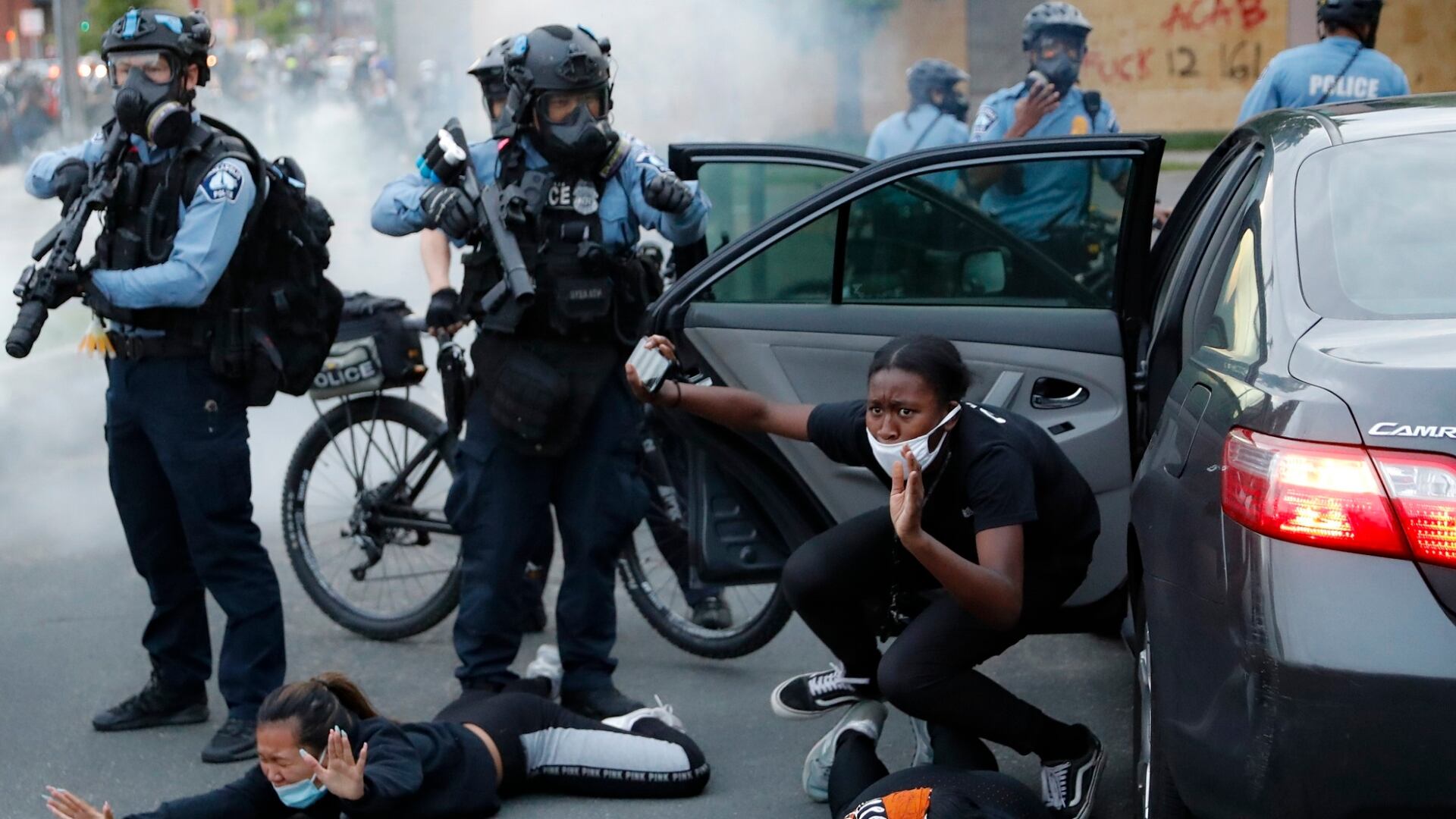
Catching you up on what you need to know on April 28, 2022, with Elon Musk mocking Twitter's top legal exec Vijaya Gadde on the platform itself, a probe in George Floyd's death finding discrimination within the Minneapolis police force, the latest California drought leading to new water restrictions, and more.
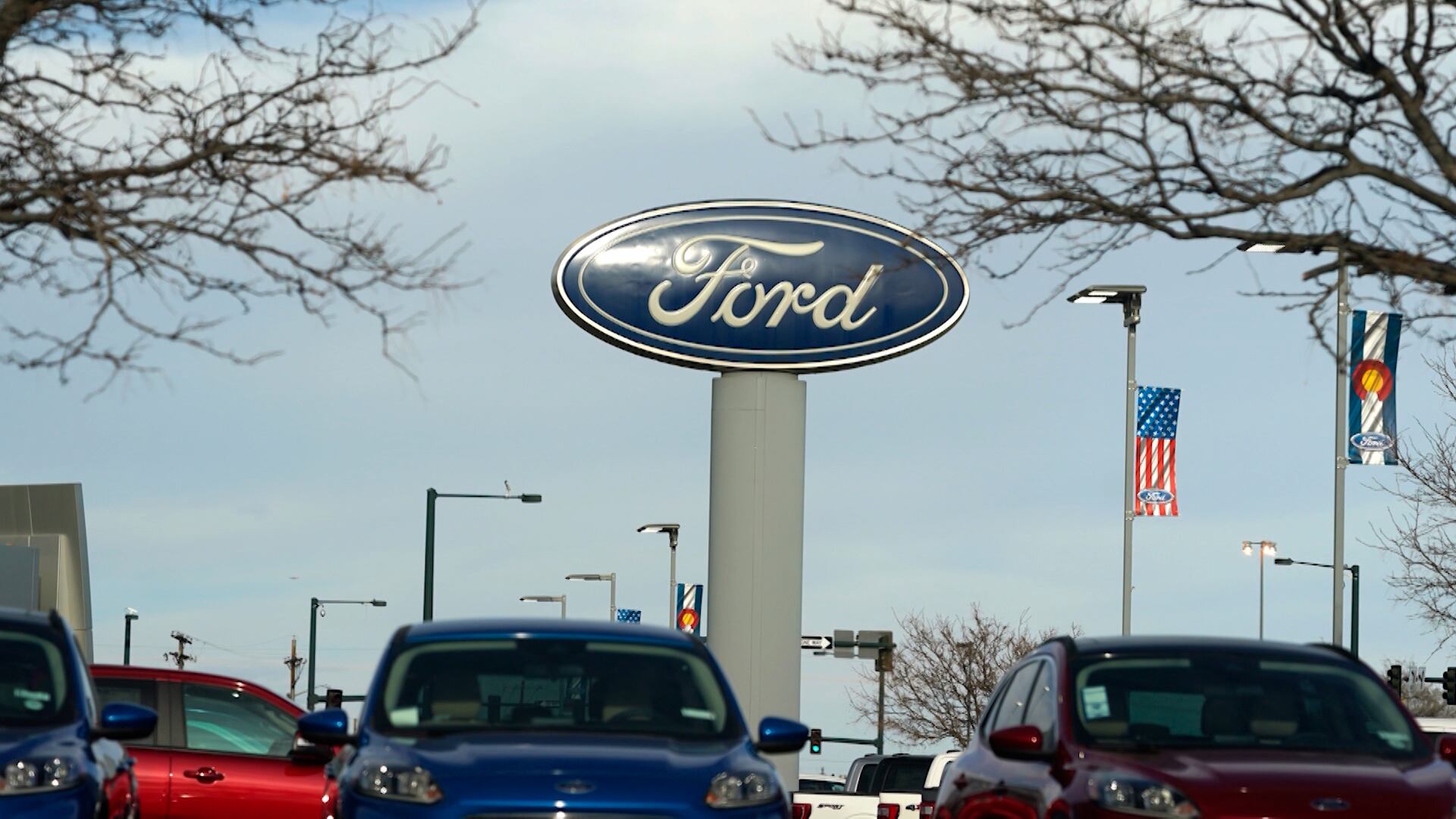
Ford CFO John Lawler joined Cheddar News to talk about the auto giant's Q1 earnings report that beat on revenue and EPS. Despite the good numbers, Lawler spoke to challenges Ford had to navigate. "We also see the continued disruption to the supply chain impacting our production, and that hit us in the first quarter as well. So it kept us from having an even stronger quarter," he said. Lawler noted that chip shortages leading to the supply constraints should ease up throughout the year.
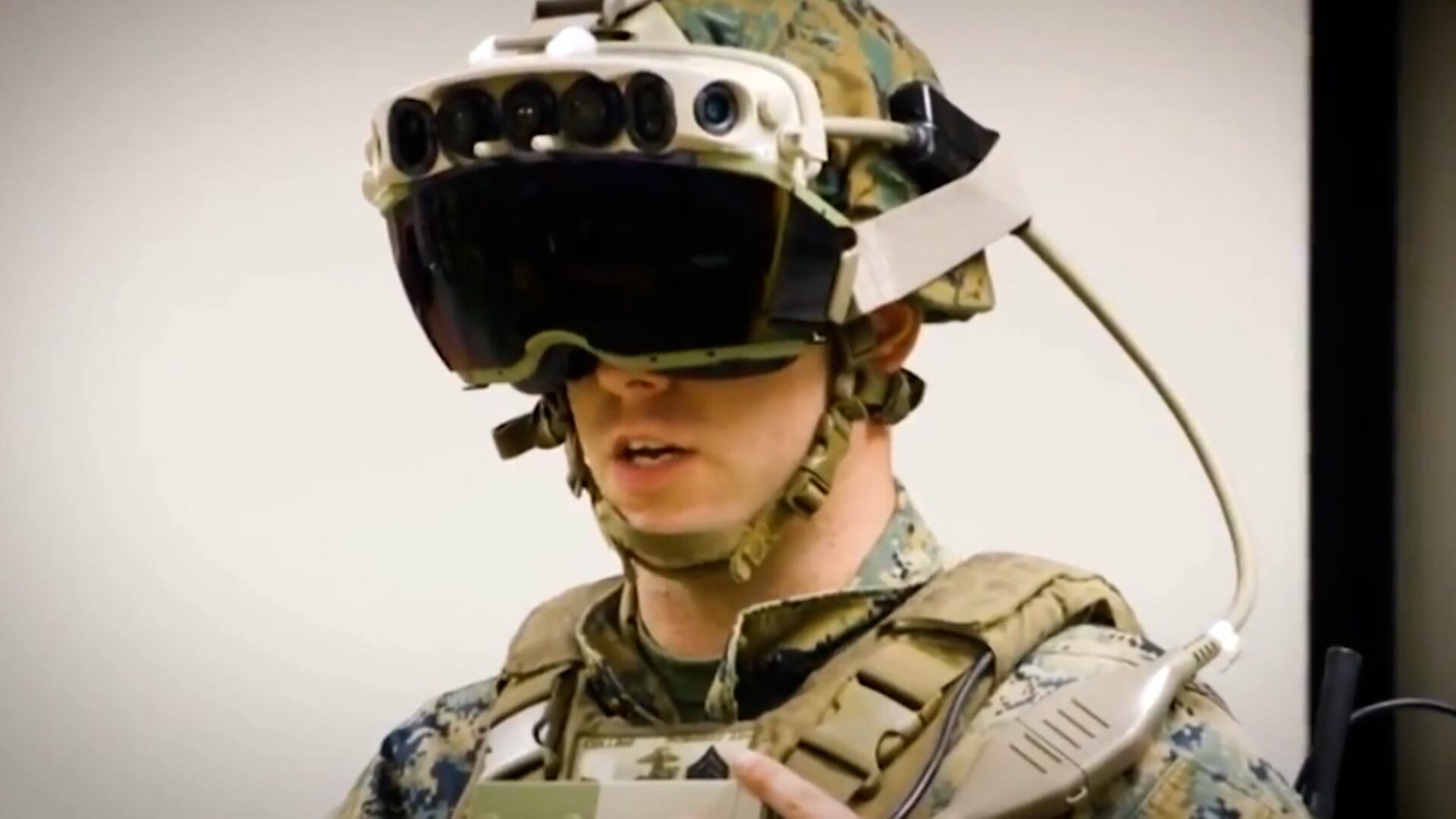
Tech giant Microsoft won a military contract for the production of its IVAS (integrated visual augmentation system) combat goggles, based on its HoloLens ARG tech, worth up to $21.9 billion over 10 years. However, the Pentagon is now saying that the device "has not yet demonstrated the capability to serve as a fighting goggle," and that the Army made mistakes in the program's initial stages by not clearly describing minimum performance standards. While testing continues, concerns have grown outside of the Defense Department to Congress and even within Microsoft itself. Cheddar's Ken Buffa takes a deeper look at the possible boondoggle.