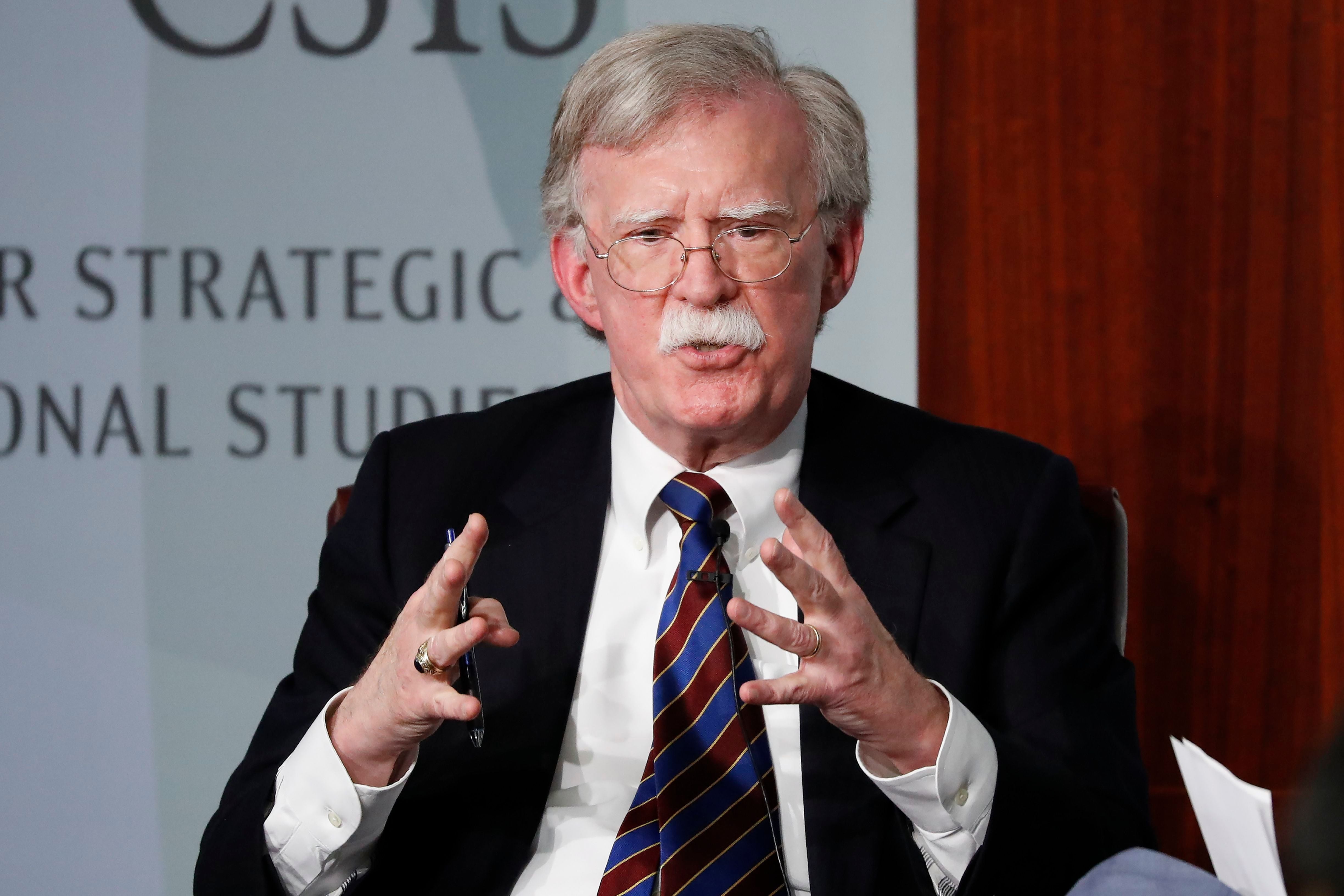
WASHINGTON (AP) — Former Trump national security adviser John Bolton said Monday that he is “prepared to testify” if he is subpoenaed by the Senate in its impeachment trial.
Bolton, who left the White House in September, said that he has weighed the issues of executive privilege and that after “careful consideration and study” decided that he would comply with a Senate subpoena.
“I have concluded that, if the Senate issues a subpoena for my testimony, I am prepared to testify," he said in a statement.
Senate Majority Leader Mitch McConnell has publicly expressed resistance to calling new witnesses in the trial, though Democrats are pressing to hear from Bolton and others who did not appear before the House's inquiry in the upcoming proceedings.
Bolton's statement comes as House Speaker Nancy Pelosi is stalling House-passed articles of impeachment against Trump in a bid to get new witnesses to testify. Senate Democratic Leader Chuck Schumer has proposed calling several witnesses, including Bolton, but McConnell has so far rejected Schumer's terms.
It is unclear when Pelosi will eventually release the articles. If she decides to do so in the coming days, a Senate trial could start as soon as this week.
“We can’t hold a trial without the articles,” McConnell tweeted Monday. “The Senate’s own rules don’t provide for that. So, for now, we are content to continue the ordinary business of the Senate while House Democrats continue to flounder. For now.”
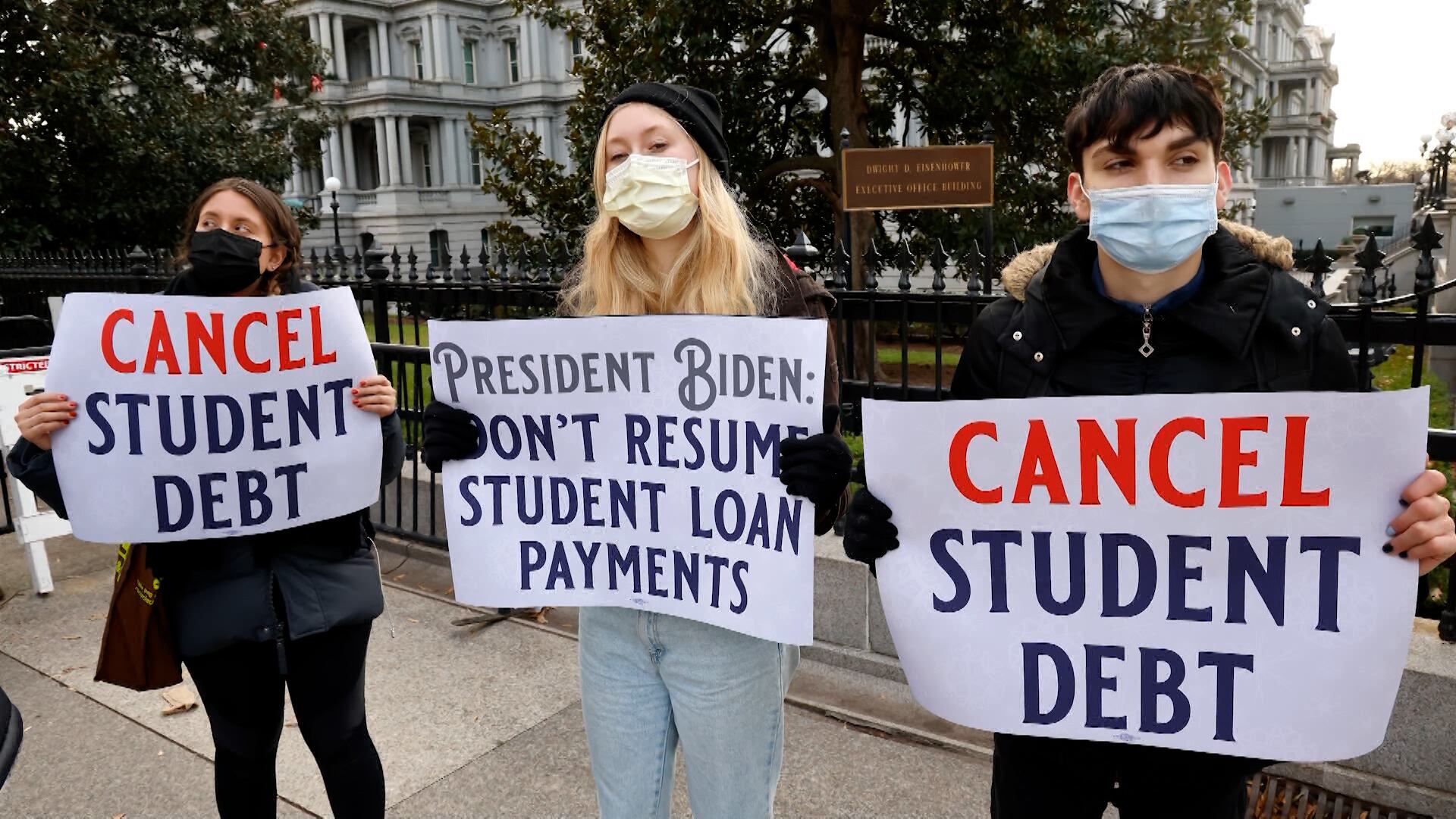
During the pandemic, student loan debt repayment was put on pause amid an unprecedented crisis. However, on February 1, 2022, the schedule is set to resume, and currently it looks as though the Biden administration has no plans to extend it. Cody Hounanian, the executive director of the Student Debt Crisis Center, spoke to Cheddar about why he believes the loan collection pause needs to at least be extended as borrowers are still struggling with the resurgent pandemic and inflation. "There's really no good economic or policy or political reason as far as why they're focused on getting payments started now," Hounanian said. "We surveyed 33,000 people with student loans last month. Nine out of 10 told us that they are not ready to resume payments."
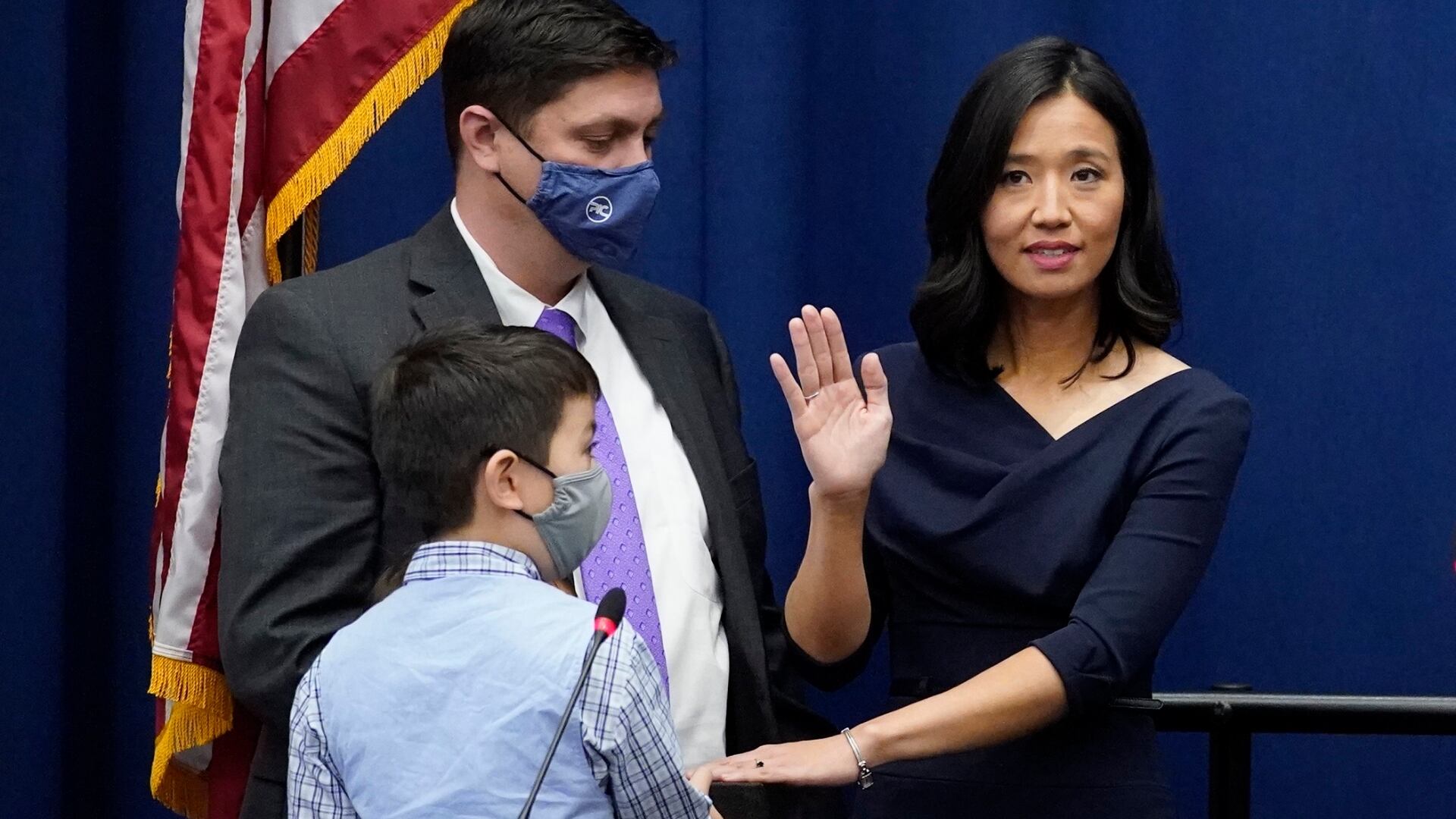
As the 2022 midterm elections fast approach, here are some politicians Americans should be on the lookout for. Democratic Massachusetts state senator Sonia Chang-Diaz, who was the first Latina and Asian American woman to be elected to the state's senate, now has her eye on the governorship with Republican Charlie Baker leaving. New Jersey GOP candidate for Congress, Billy Prempeh also bears watching, and while Boston's newest mayor, Democrat Michelle Wu, was already sworn in last month, all eyes will be on Beantown as the first woman and first person of color to hold the office tries to usher in a new era for the city.
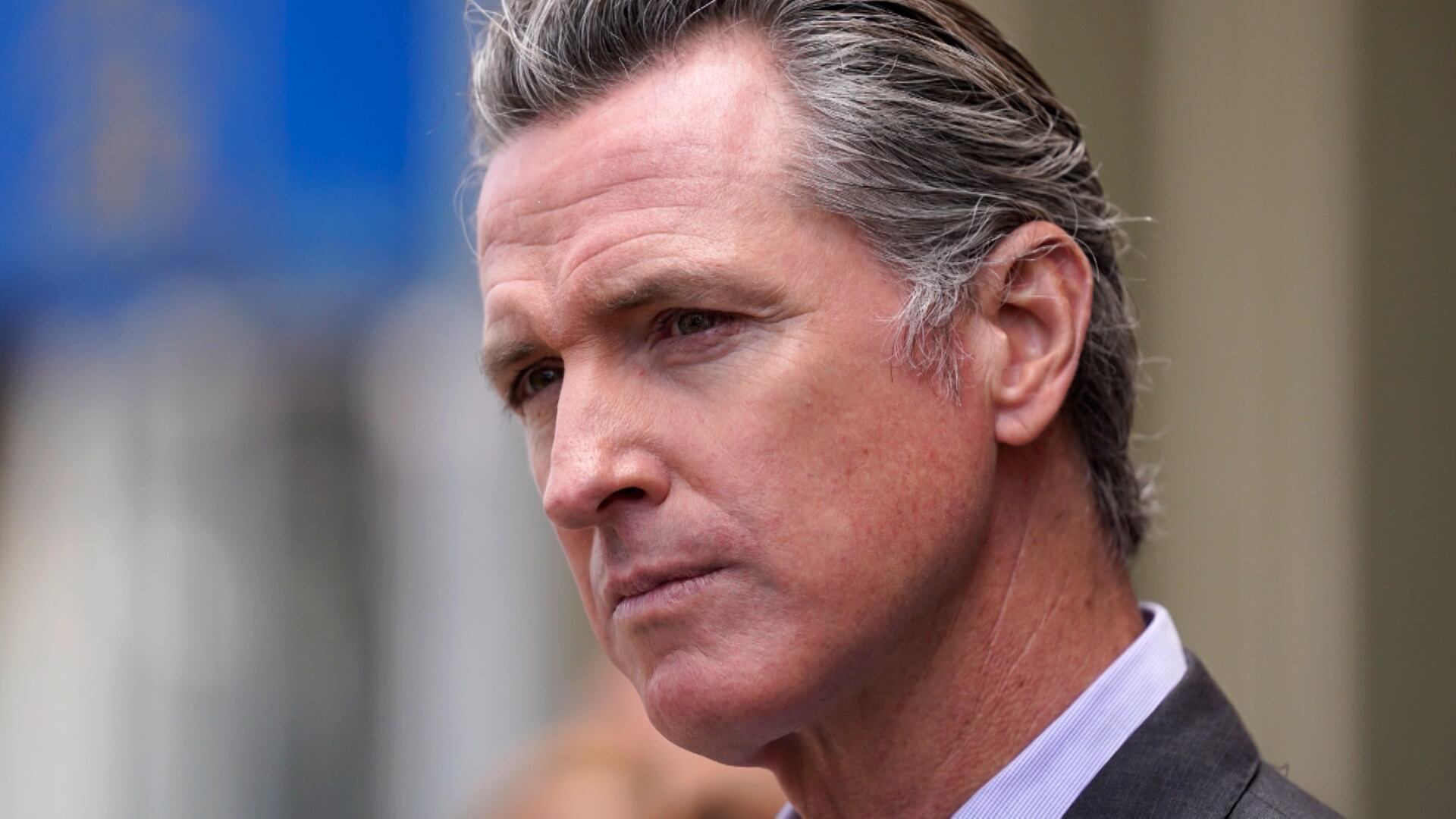
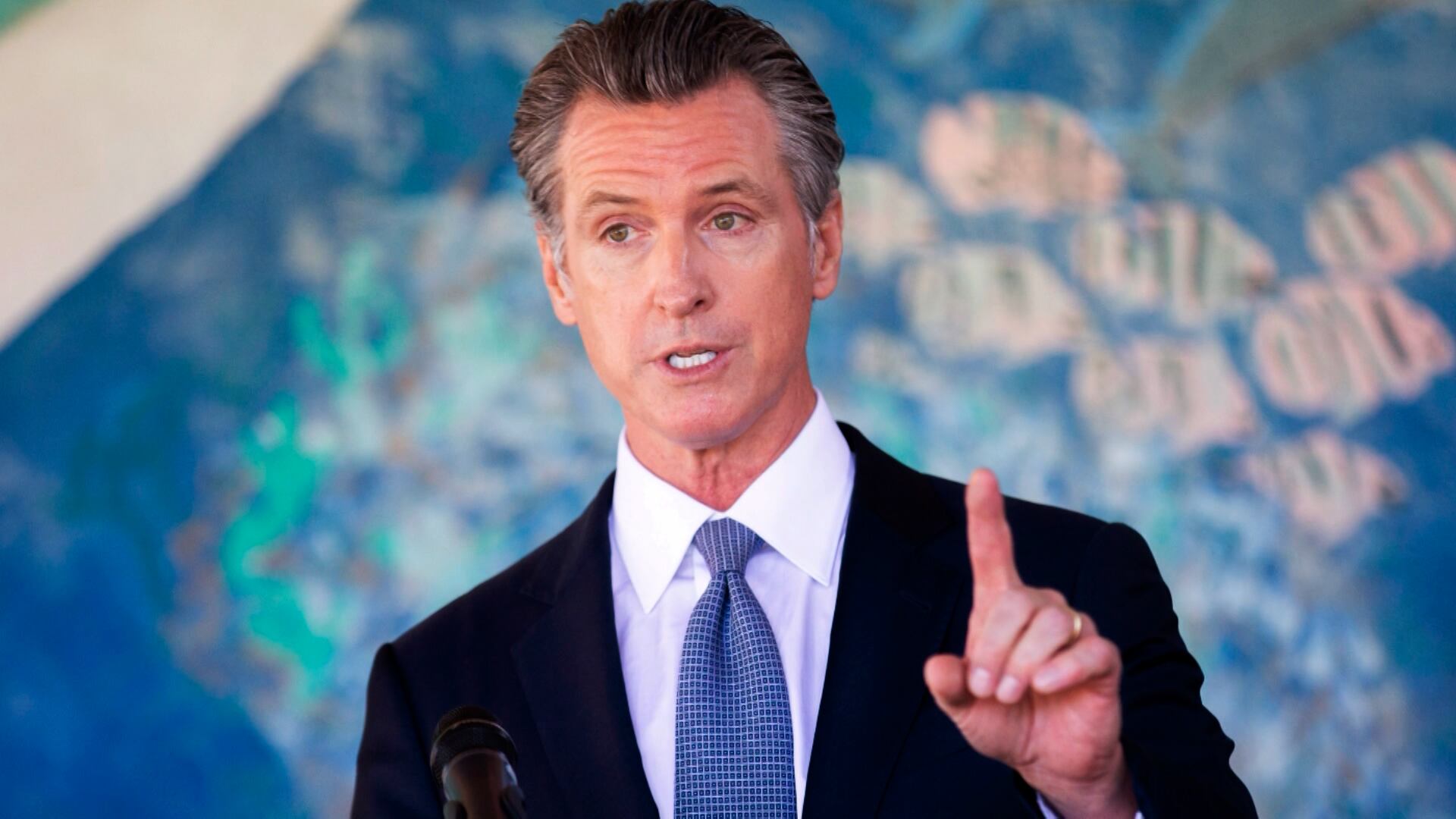
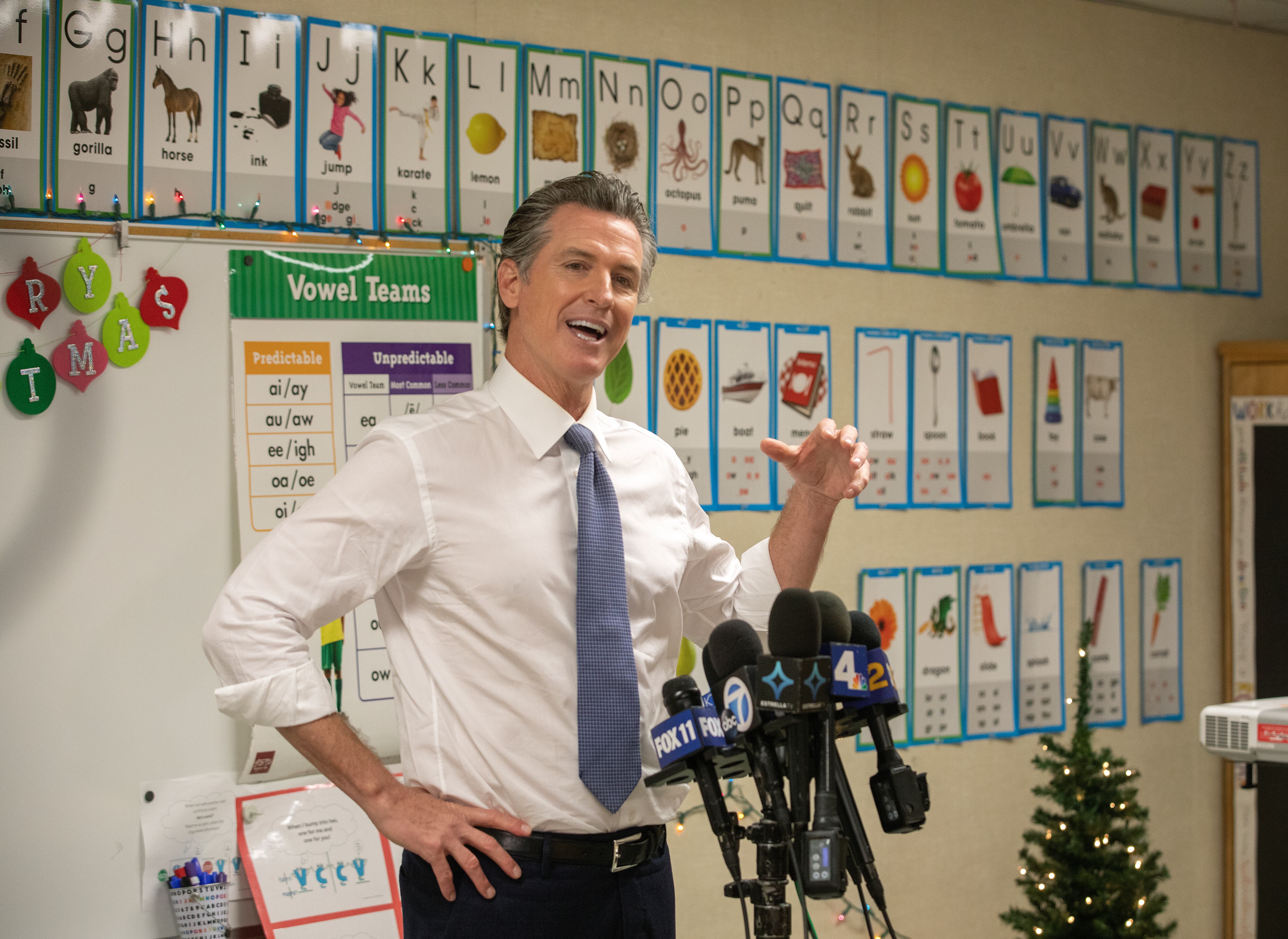
Emily Hoeven, newsletter editor at CalMatters, joins Cheddar News to discuss California Governor Gavin Newsom's gun law modeled after Texas's abortion law.
Chuck Rocha, host of 'Nuestro' podcast and opinion contributor at The New York Times, joins Cheddar News to discuss why Democrats are losing Hispanic voters.
More businesses are requiring workers to return to the office, but there is concern that many employees in the middle class, especially women and people of color, need remote work options for reasons including childcare and financial security. Joan Williams, director of the Center for WorkLife Law at the University of California, joined Cheddar to discuss why office mandates could be detrimental to the middle class. She noted that while companies claim a return to offices would help foster more collaboration and efficiency, reports show that they are successfully able to do their jobs from home.
The U.S. postal service has confirmed that it secretly developed and tested a blockchain-based mobile voting system ahead of the 2020 election. Susan Greenhalgh, senior advisor on election security, Free Speech for People, joins Cheddar News to discuss the cybersecurity complications of a mobile voting system.
The U.S. Supreme Court ruled to allow the controversial Texas abortion law to remain in effect, banning abortion at six weeks and allowing any private citizen to sue a person or doctor aiding or abetting someone seeking an abortion. Outraged at this decision, California Governor Gavin Newsom is working to draft a proposal in line with the law as it relates to guns. Shawn Hubler, California correspondent at the New York Times, joins Cheddar News to discuss.