Boeing has confirmed that in January it will suspend production of its 737 MAX, the jet that has been grounded worldwide after two separate crashes killed 346 people.
Since the grounding in March, the company has continued to produce the planes while working to get approval to fly them once again. It now says it has about 400 planes in storage.
"As a result of this ongoing evaluation, we have decided to prioritize the delivery of stored aircraft and temporarily suspend production on the 737 program beginning next month," the company wrote in a statement. "During this time, it is our plan that affected employees will continue 737-related work, or be temporarily assigned to other teams in Puget Sound."
The jet manufacturer also wrote that there were no layoffs or furloughs expected along with this announcement.
The company’s stock fell Monday after a morning report from the Wall Street Journal said Boeing ($BA) would likely make an announcement today. Boeing’s board met Sunday and Monday to determine the future of the plane.
Boeing was expected to either suspend or curb future production, which are both decisions that could cost the company billions.
Last week, the Federal Aviation Administration warned Boeing its plans to fly the jet in 2019 were unrealistic and that certification of the jet may take longer than Boeing had hoped. Now, the anticipated earliest approval in February 2020 may no longer be relevant.
Production was first reduced in April and a further cut will inflate Boeing’s costs and signal to the public that Boeing is not confident in its aircraft.
Boeing previously said it may halt production if the FAA held its approval into 2020. Its current fleet, to which it has added around 40 planes a month since the jet was grounded in March, is sitting in hangars across the nation, from Tulsa, Oklahoma to Roswell, New Mexico, costing Boeing business and leaving airlines without jets they had already ordered.
After the 2021 boom, IPO activity slowed down significantly, in part due to monetary policy – but things are getting moving again with tech-friendly companies like Iboutta and Rubrik making a public debut.
With an increasing demand for mental health services, one person wanted to change the therapy game. In 2017, CEO Alex Katz founded Two Chairs, a company that uses technology to match patients with the right therapist.
Not only is April Financial Literacy Month, it’s also the kickoff of the spring homebuying season. So now is the time to make sure you have a financial plan in place – and why it might not be wise for that to include buying your first home.
While the U.S. may slowly be on the path to lowering inflation (and therefore interest rates), Europe has thoroughly trounced America, putting it on the path to lower rates by this summer.
April's release of the monthly Housing Starts and Building Permits reports by the Census Bureau provides crucial insights into the construction activity in the housing market. These reports are an economic indicator, shedding light on the current state of the housing market and its broader economic impact.
Caitlin Clark is heading to the Indiana Fever, the number one draft pick and the highest-scoring college basketball player of all time. And while she may not be getting millions from the WNBA, there's a few ways she'll net compensation for her generational talents.
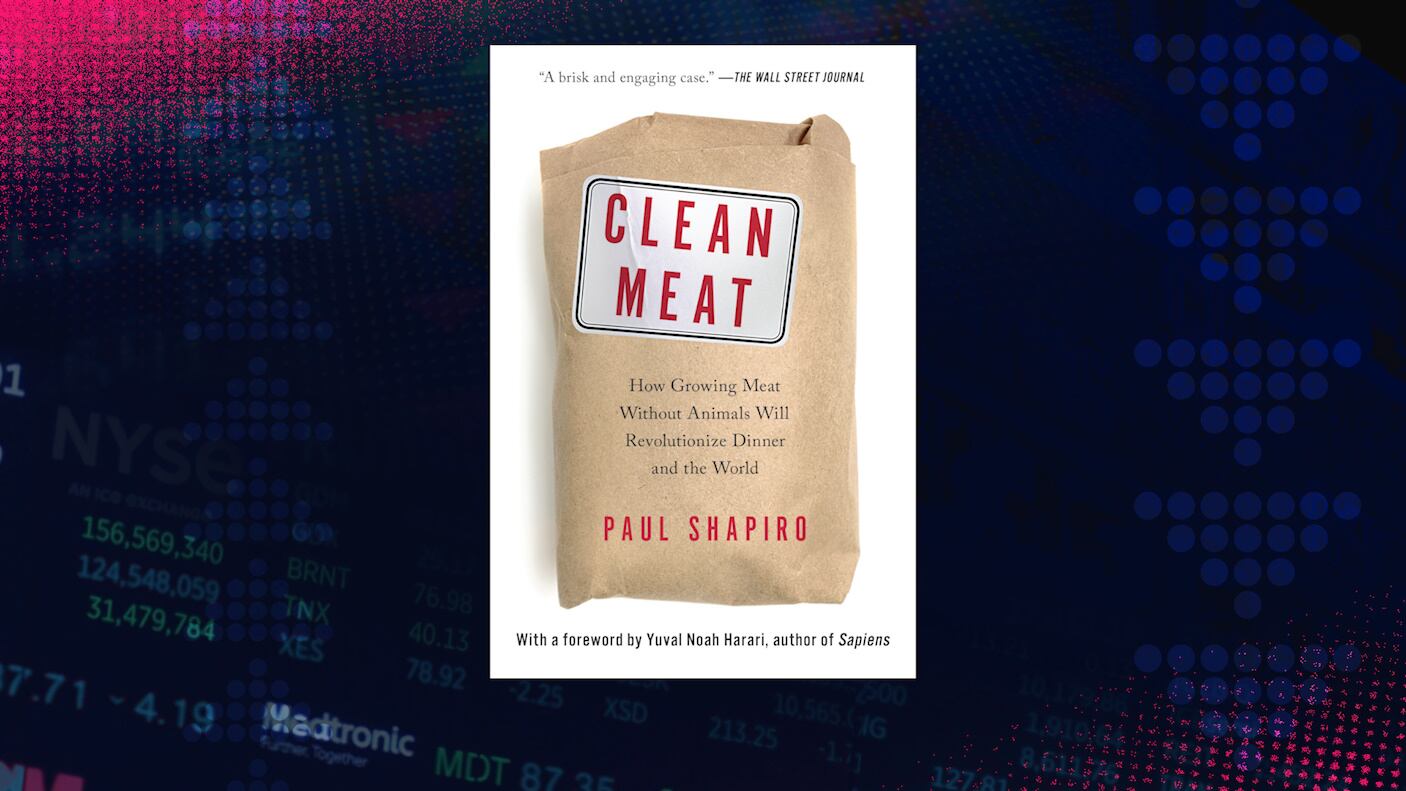
Author of 'Clean Meat,' Paul Shapiro joins Cheddar to discuss how the cellular agricultural revolution helps lower rates of foodborne illness and greatly improves environmental sustainability. Plus, how his company The Better Meat Co. is bringing healthier food options to the table.
Recent headlines might make it sound like World War III is imminent, but when it comes to your finances, it's not the time to panic. The market is coming off its longest winning streak since 2011.