Boeing said Wednesday that it lost $1.2 billion in the first quarter as it and took large write-downs and lost money in both its civilian-airplane and defense businesses.
The loss was bigger than Wall Street had forecast, and the company's quarterly revenue also fell short of expectations. Boeing burned through $3.2 billion in cash.
“Messier quarter than any of us would have liked," CEO David Calhoun acknowledged on CNBC.
Shares of Boeing Co., based in Chicago, fell 10% shortly after the opening bell Wednesday.
Boeing offered some optimism for improvement, however, saying that it has submitted plans to resume deliveries of its 787 airliner and it increased production and deliveries of the 737 Max passenger jet during the quarter.
Calhoun said the company was on track to generate positive cash flow over the entire year "despite the pressures on our defense and commercial development programs.”
The quarterly report brought disappointing news for Boeing shareholders on several fronts.
The company again pushed back the expected first delivery of a new version of its long-range, twin-aisle 777 passenger jet by at least a year until 2025. The move was widely expected, as Boeing adapts to certification standards that have been tightened since regulators approved the Max, then were forced to ground the planes after two deadly crashes.
The delay in expected approval for the 777-9 caused Boeing to forecast $1.5 billion in “abnormal” production costs.
Boeing took a $660 million charge for its program to build new presidential Air Force One jets, which it blamed on higher supplier costs, final technical requirements and schedule delays. It also took $367 million in charges on a military training jet.
Boeing said it submitted plans to the Federal Aviation Administration to resume deliveries of the 787 passenger jet. Those deliveries have been halted for more than a year by production issues that Boeing previously said would add about $2 billion in costs, of which $312 million was recorded in the first quarter.
Airlines are expecting a boom summer, with travelers returning in huge numbers after two years of pandemic. But some of them, like American, have trimmed summer schedules because they haven't received the Boeing 787s that they ordered years ago.
“They have a busy summer schedule. We have already disappointed them with respect to the capacity on that summer schedule," Calhoun said. Just when Boeing will be cleared to resume deliveries of 787s is up to the FAA, but Calhoun said “We will be back in the air sooner rather than later.”
Boeing expects to boost production of the 737 Max to 31 planes a month in the current quarter, which runs through June. That plane was grounded worldwide for nearly two years after two deadly crashes.
And Boeing took $212 million in pretax charges related to Russia’s invasion of Ukraine. The company did not immediately explain the write-down.
In a memo to employees, Calhoun said Boeing is taking steps to improve long-term performance.
“We are a long-cycle business, and the success of our efforts will be measured over years and decades, not quarters,” he said.
Boeing's commercial-airplanes division lost $859 billion, hobbled by the inability to deliver 787 jets while Boeing tries to fix production flaws on the twin-aisle plane.
The defense business, long a bulwark against volatility in aircraft sales to airlines, lost $929 million as revenue fell 24%.
The company reported a loss attributable to shareholders of $1.22 billion, compared with a loss of $537 million a year earlier. The “core” loss was $2.75 a share on revenue of $13.99 billion. Analysts expected a loss of 25 cents per share on revenue of $16.02 billion, according to a FactSet survey.
After three straight days of gains, investors were skittish Thursday ahead of key inflation data out Friday. Markets are expecting consumer price index data to be higher than expected, with some economists expecting a number exceeding 7%. Chance Finucane, Chief Investment Officer at Oxbow Advisors joins Cheddar News' Closing Bell to discuss today's close, CPI predictions, the Fed's recent announcements about inflation and its taper timeline, Lululemon earnings, and more.
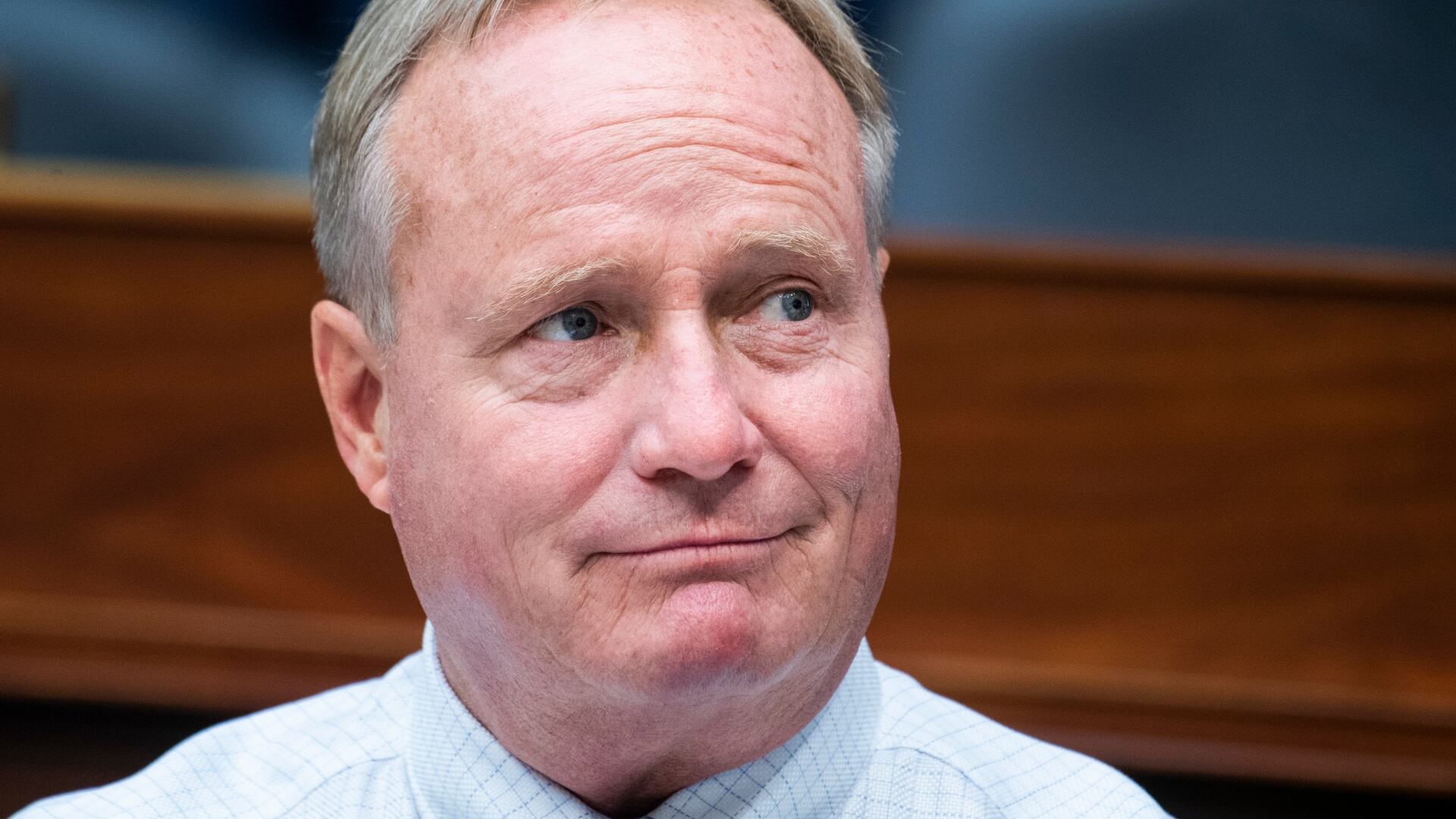
A new bill in Congress shows just how bipartisan cannabis really is. Rep. David Joyce, a Republican from Ohio, teamed up with progressive Rep. Alexandria Ocasio-Cortez on a cannabis expungement bill. Cheddar cannabis reporter Chloe Aiello spoke with the congressman about the legislation.
Rainmaker Games bills itself as a blockchain-based organization founded in the metaverse, built on a new type of gaming ecosystem called play-to-earn. The company announced a $6.5 million seed round after it was founded just this year. Rainmaker Games CEO and founder Will Deane joins Cheddar News' Closing Bell to discuss.
Analysts are all-in on tech giant Apple, issuing bullish ratings this week and calling it a 'safety blanket' and one of the best assets for investors in 2022. This comes as Apple edges closer to a $3 trillion market cap. Mario Stefanidis, Vice President at Roundhill Investments, joins Cheddar News' Closing Bell to discuss why analysts are bullish on the tech giant, how close the company is to hitting a $3 trillion market cap, and more.
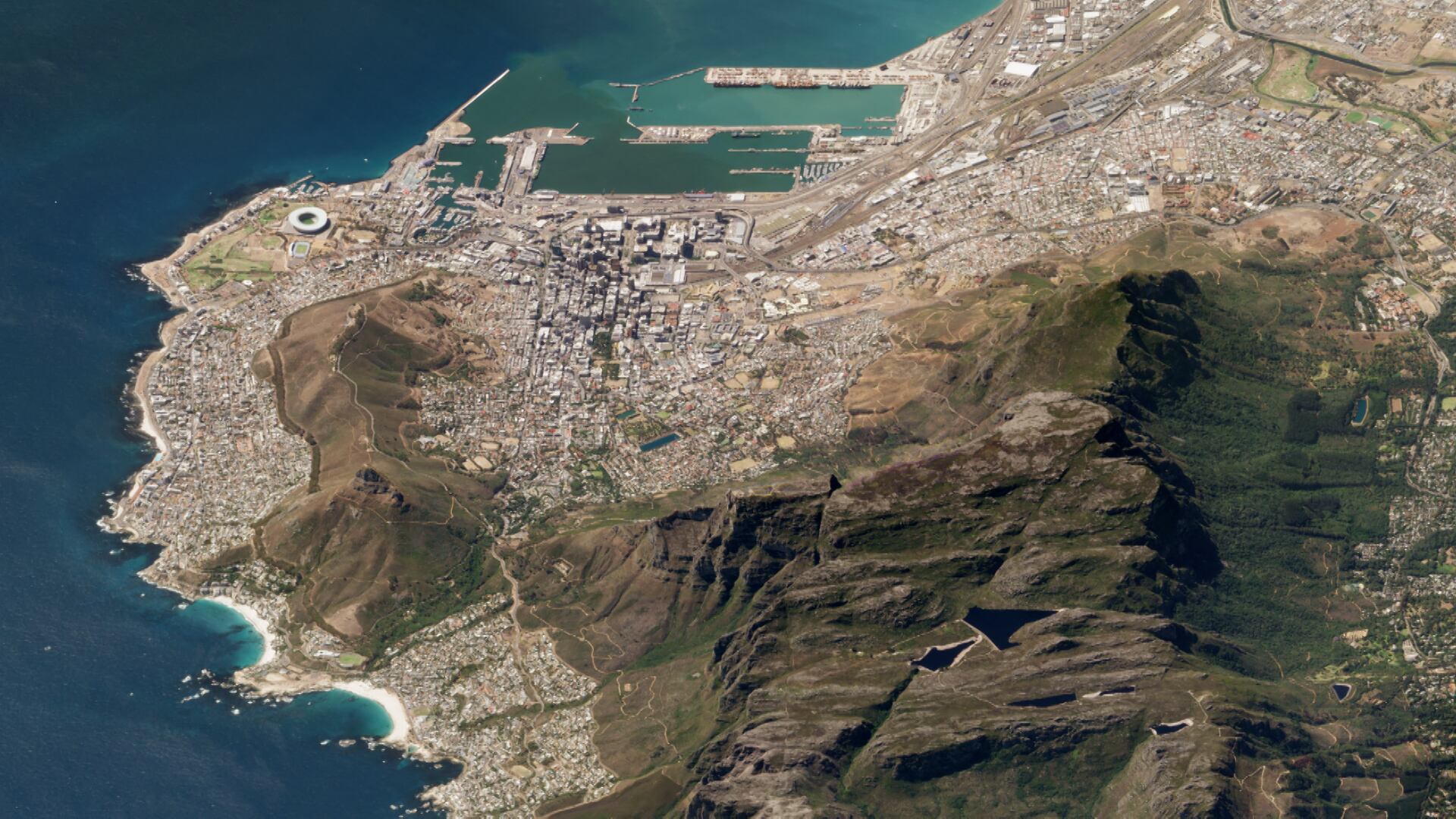
Planet made its public debut on December 8, ringing the opening bell at the NYSE in honor of the occasion. With more than 200 satellites in orbit, the company operates the world's largest constellation of satellites, providing daily scans of the entire earth. This helps with everything from agriculture companies monitoring fields and crop health, to FEMA's disaster response, to marine protection programs. Will Marshall, co-founder and CEO of Planet, explains how this milestone will allow the company fulfill its mission of using space to help life here on Earth.
Lindsey Roeschke, travel and hospitality analyst at Morning Consult, breaks down how COVID-19 is impacting the travel sector and what the future of the industry looks like.
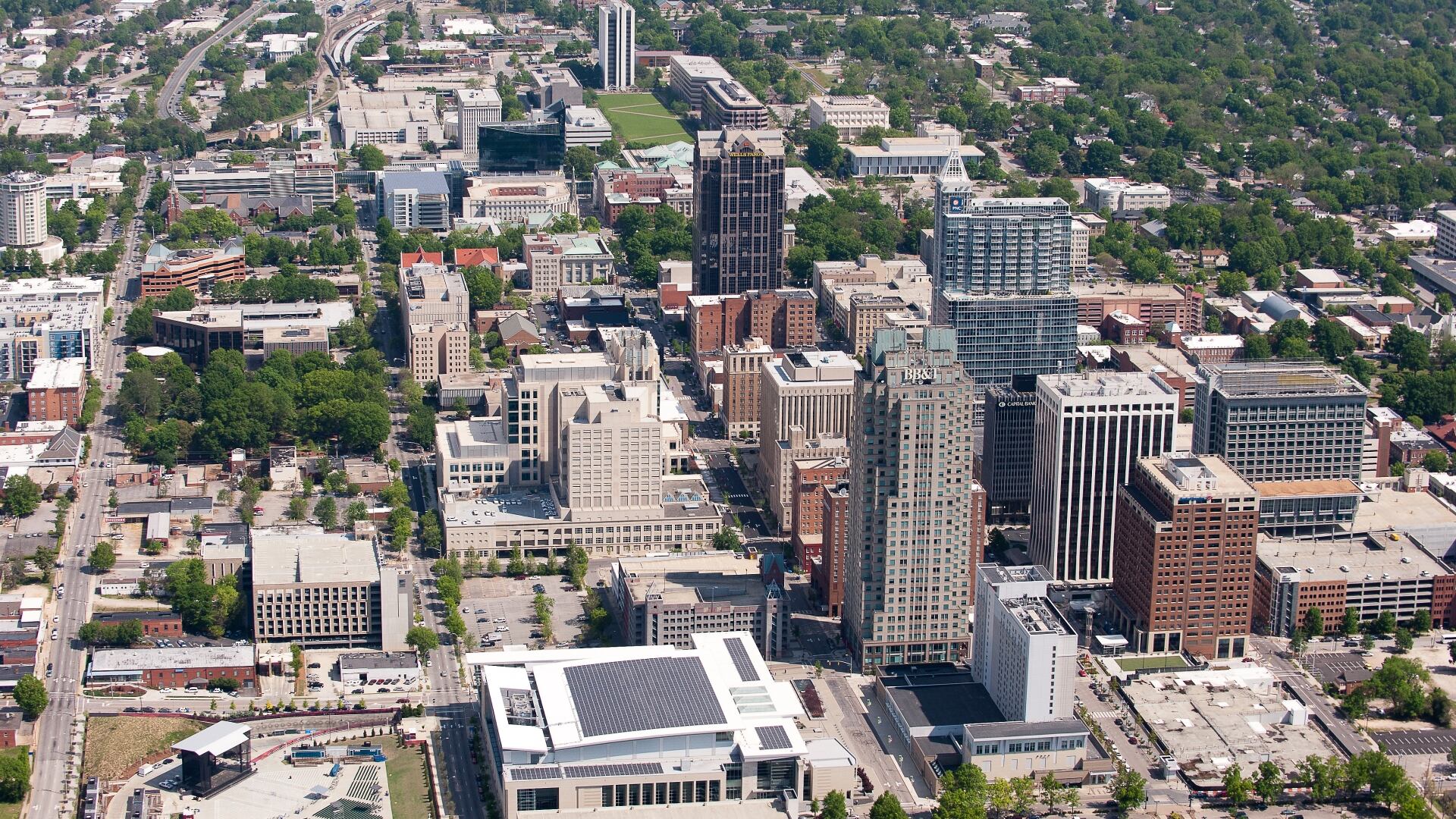
North Carolina is transitioning into an electric vehicle manufacturing hub, as Toyota plans to build its first North American lithium-ion battery plant. Machelle Baker Sanders, secretary of commerce for North Carolina, joined Cheddar to discuss the influx of tech-heavy businesses and what Toyota's 1,750 jobs mean for North Carolina's economy. Sanders said the carmaking giant's $1.29 billion project was contingent on it committing to align with the state's own climate goals for a greener future.
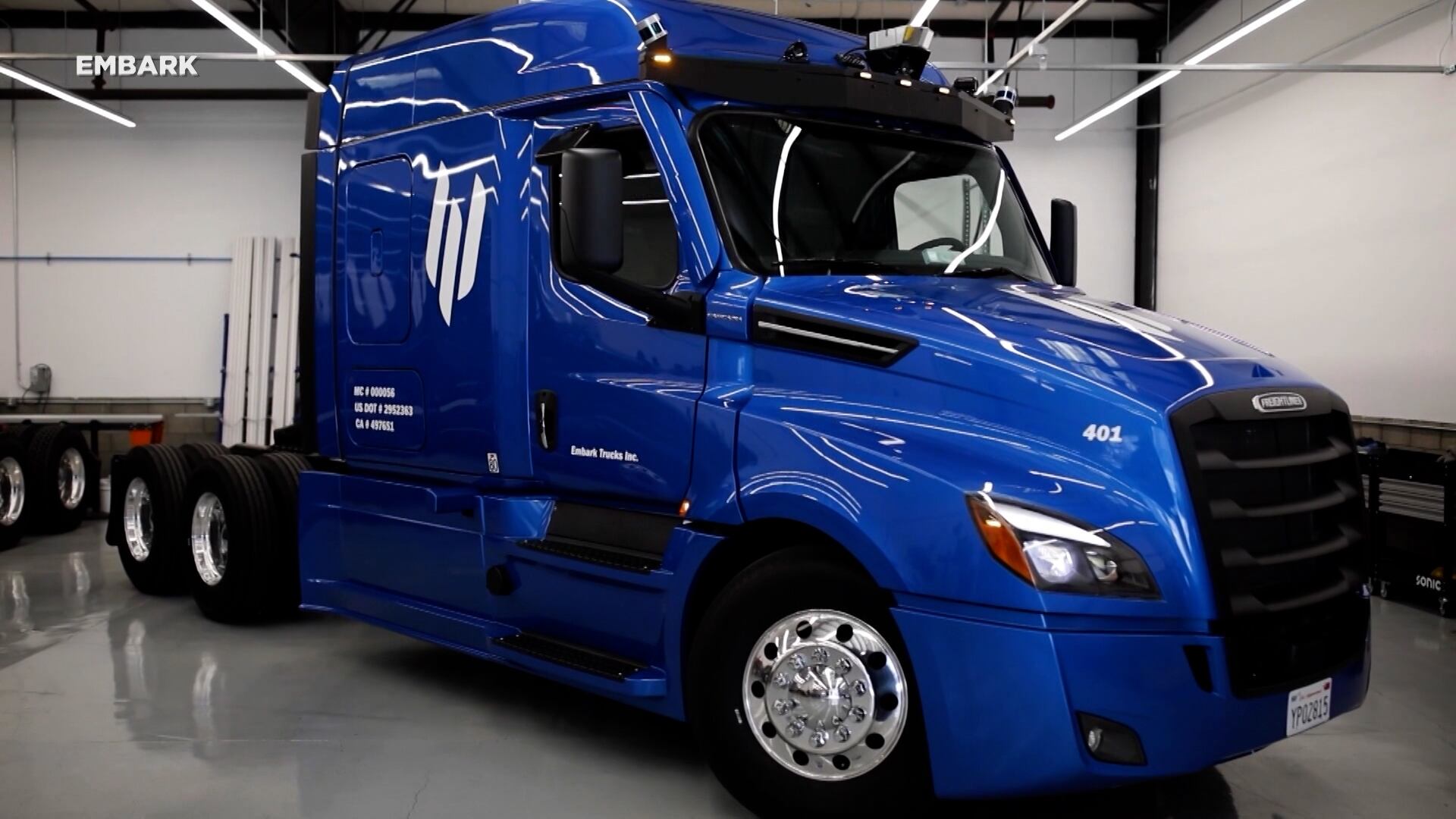
Just weeks after launching its IPO, Embark Trucks is looking to take trucking to the next level by establishing an autonomous truck lane between Houston and San Antonio, Texas. CEO Alex Rodrigues joined Cheddar's "Closing Bell" to talk about the company's expansion into the Lone Star State and the efforts taken to make the driverless vehicles safe for the shipping corridor. "I think the biggest thing you'll notice as a person driving on the road is that they're going to be a little bit more patient, a little bit more law-abiding because they don't have to get there under the same kind of time pressure," he said. "They don't have the hours of service limitations." He also explained that the lane itself isn't a segregated road but a digital route on an existing roadway for the vehicles to follow.