By David Koenig

Boeing said Wednesday that it lost $1.2 billion in the first quarter as it and took large write-downs and lost money in both its civilian-airplane and defense businesses.

The loss was bigger than Wall Street had forecast, and the company's quarterly revenue also fell short of expectations. Boeing burned through $3.2 billion in cash.

“Messier quarter than any of us would have liked," CEO David Calhoun acknowledged on CNBC.

Shares of Boeing Co., based in Chicago, fell 10% shortly after the opening bell Wednesday.

Boeing offered some optimism for improvement, however, saying that it has submitted plans to resume deliveries of its 787 airliner and it increased production and deliveries of the 737 Max passenger jet during the quarter.

Calhoun said the company was on track to generate positive cash flow over the entire year "despite the pressures on our defense and commercial development programs.”

The quarterly report brought disappointing news for Boeing shareholders on several fronts.

The company again pushed back the expected first delivery of a new version of its long-range, twin-aisle 777 passenger jet by at least a year until 2025. The move was widely expected, as Boeing adapts to certification standards that have been tightened since regulators approved the Max, then were forced to ground the planes after two deadly crashes.

The delay in expected approval for the 777-9 caused Boeing to forecast $1.5 billion in “abnormal” production costs.

Boeing took a $660 million charge for its program to build new presidential Air Force One jets, which it blamed on higher supplier costs, final technical requirements and schedule delays. It also took $367 million in charges on a military training jet.

Boeing said it submitted plans to the Federal Aviation Administration to resume deliveries of the 787 passenger jet. Those deliveries have been halted for more than a year by production issues that Boeing previously said would add about $2 billion in costs, of which $312 million was recorded in the first quarter.

Airlines are expecting a boom summer, with travelers returning in huge numbers after two years of pandemic. But some of them, like American, have trimmed summer schedules because they haven't received the Boeing 787s that they ordered years ago.

“They have a busy summer schedule. We have already disappointed them with respect to the capacity on that summer schedule," Calhoun said. Just when Boeing will be cleared to resume deliveries of 787s is up to the FAA, but Calhoun said “We will be back in the air sooner rather than later.”

Boeing expects to boost production of the 737 Max to 31 planes a month in the current quarter, which runs through June. That plane was grounded worldwide for nearly two years after two deadly crashes.

And Boeing took $212 million in pretax charges related to Russia’s invasion of Ukraine. The company did not immediately explain the write-down.

In a memo to employees, Calhoun said Boeing is taking steps to improve long-term performance.

“We are a long-cycle business, and the success of our efforts will be measured over years and decades, not quarters,” he said.

Boeing's commercial-airplanes division lost $859 billion, hobbled by the inability to deliver 787 jets while Boeing tries to fix production flaws on the twin-aisle plane.

The defense business, long a bulwark against volatility in aircraft sales to airlines, lost $929 million as revenue fell 24%.

The company reported a loss attributable to shareholders of $1.22 billion, compared with a loss of $537 million a year earlier. The “core” loss was $2.75 a share on revenue of $13.99 billion. Analysts expected a loss of 25 cents per share on revenue of $16.02 billion, according to a FactSet survey.
Share:
More In Business
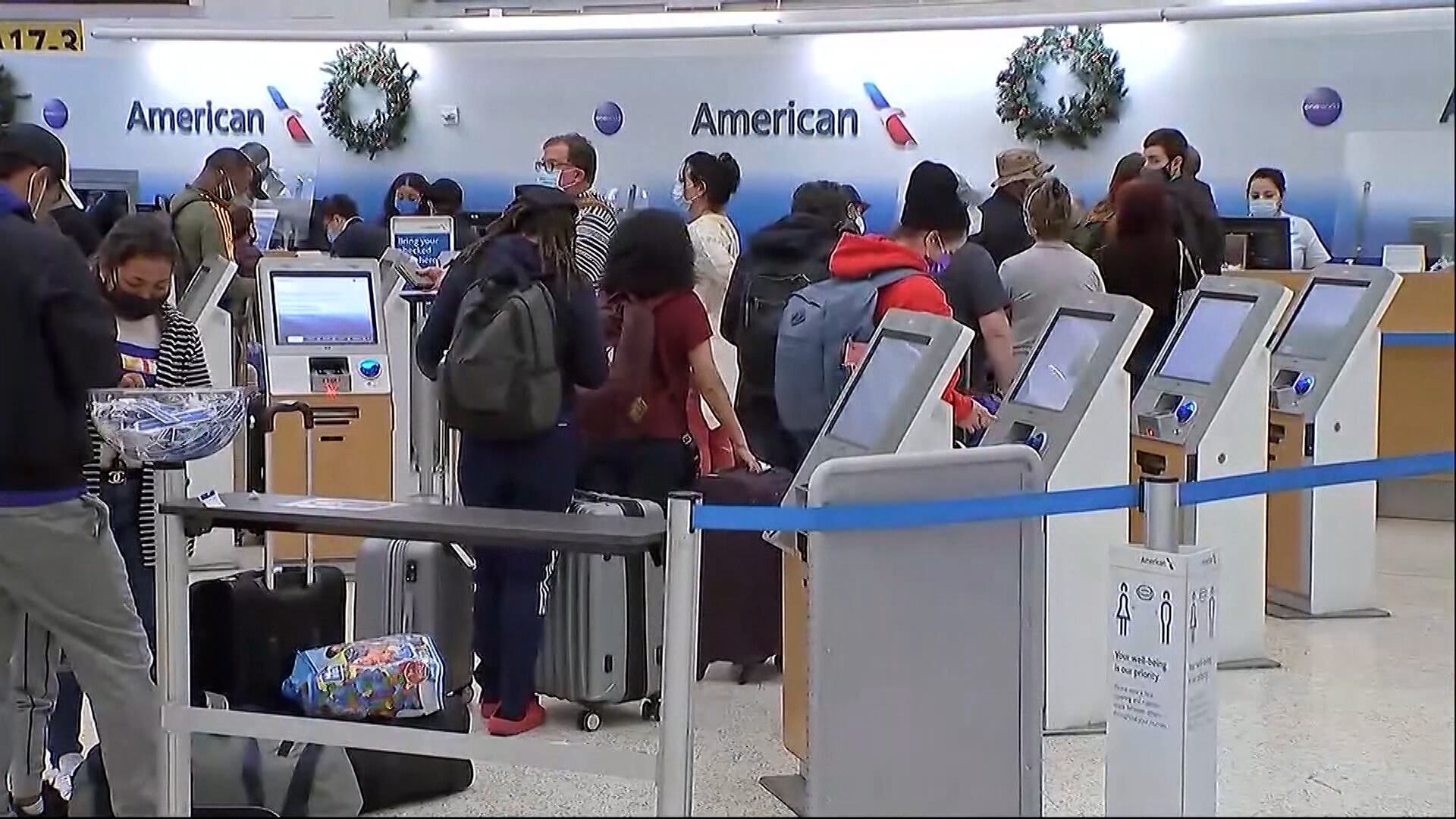
Airlines Caught 'Flat-Footed' as Omicron Continues to Drive Flight Cancellations
Airlines had to ground 2,500 flights in the U.S. on Tuesday, with bad weather and workers out with COVID-19 blamed as the main culprits. Scott Keyes, founder of ScottsCheapFlights.com and author of "Take More Vacations," joined Cheddar News Wrap to discuss how the surge from the omicron variant has been creating havoc in the air travel industry. Keyes noted that a lack of personnel from pilots to gate agents had been exacerbated by the coronavirus, an issue also disrupting labor markets throughout the economy. "Add to that the fact that travel has rebounded far quicker than many analysts and experts predicted, this is why I think you're seeing so many airlines caught a bit flat-footed in having to pare back the schedules they had set months ago," he said.
Barstool Sports CEO on COVID-Related Growth Despite Canceled Arizona Bowl
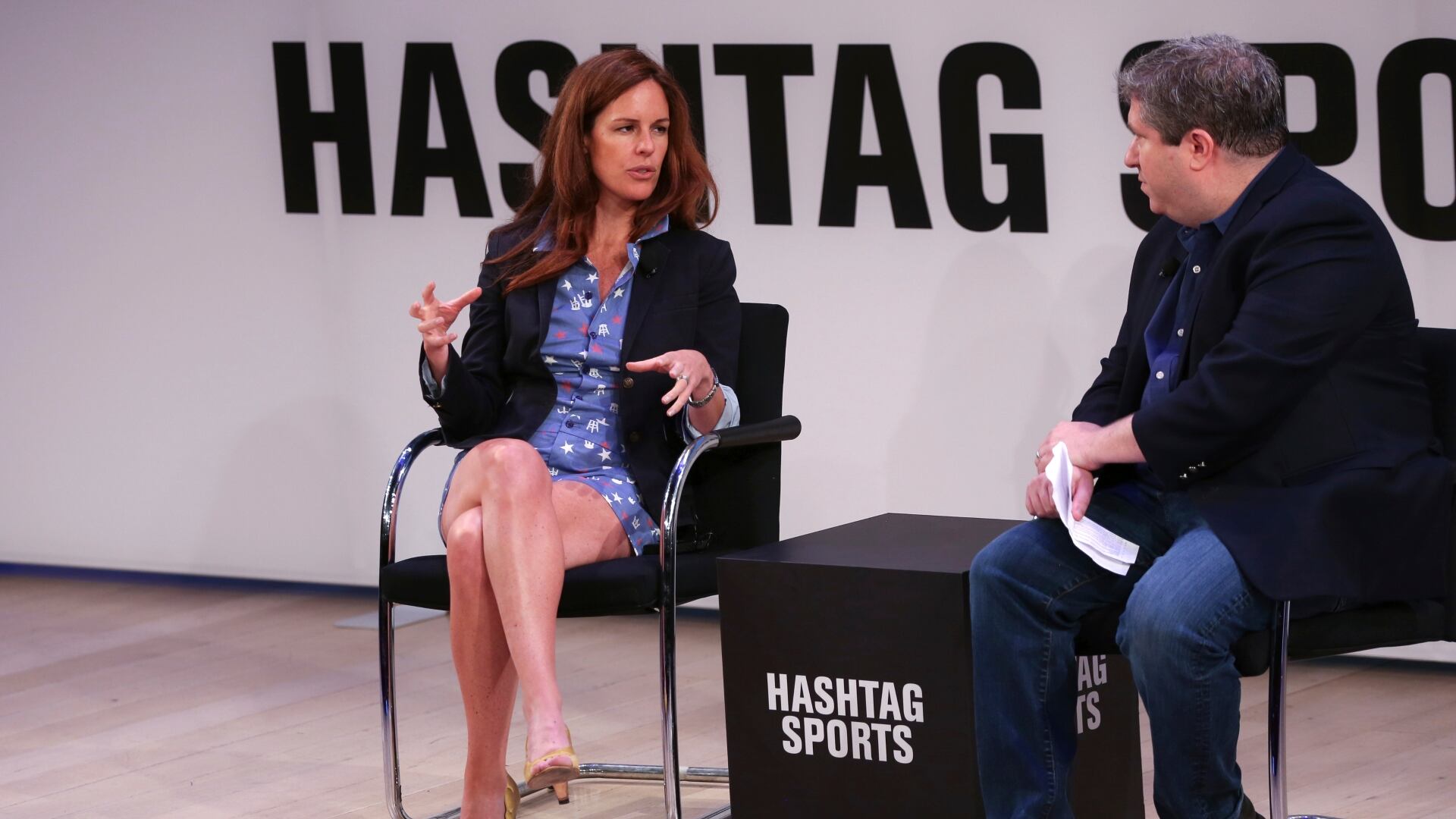
Barstool Sports CEO Erika Nardini joined Cheddar's Kristen Scholer to discuss plans for the future even as COVID-19 upended Barstool's sponsorship of the Arizona Bowl featuring the Boise State Broncos and the Central Michigan Chippewas due to the spreading omicron variant. "In our case as a company, coronavirus has been a big boom for us," she noted. "We've been able to create a lot of new programming, launch a lot of different personalities, and frankly take share from traditional media, and that's what we've done the entire pandemic." While she admitted to taking a hit on the canceled Bowl game, live events aren't completely off the table for Barstool in 2022. Nardini also talked about potential sports betting expansion following its partnership with Penn National Gaming.
Metaverse to Require Big Computing Power Upgrades in 2022
Interest in the concept of the metaverse is heating up as more companies get on board, and Cathy Hackl, CEO of Futures Intelligence Group, a metaverse-focused consultancy, joined Cheddar to talk about trends to watch out for in 2022 and what it will take for it to be more than just a buzzword. Hackl noted that businesses likely will have to consider big technology upgrades in the upcoming year in order to keep up. "We're going to need new levels of computing power to be able to enable shared virtual experiences, both in VR but also in augmented reality," she said.
DC's Grow Golden Links Small Biz Pop-Up Shops With Empty Storefronts
Small businesses in Washington, DC, are getting a visibility boost through the non-profit Grow Golden. The initiative connects local entrepreneurs with empty storefronts to establish pop-up shops in the heart of the DC business district, called the Golden Triangle. Cheddar's Arielle Hixson spoke with the small business owners about their experience building exposure through the program during the holiday season.
Home Flipping Profitability Sinks as Competition Heats Up, Costs Rise
Home flipping is turning into a competitive space and a less profitable one according to the property database ATTOM. Todd Teta, chief product officer at ATTOM Data Solutions, joined Cheddar to break down key findings of the report, why the home-flipping market is raking in fewer returns, and what he thinks may have been behind real estate marketplace Zillow withdrawing from the business.
How the Metaverse Will Shape the Future
The metaverse took the world by storm in 2021 and it is just the beginning of the virtual universe. Consumers are jumping on board and companies like Meta and Roblox are already taking advantage. Entrepreneur Andrew Duplessie joined Cheddar to discuss how the metaverse will impact the future of socialization and business. "If I'm doing anything right now, I'm building an app, I'm jumping into that ecosystem, and I'm testing it. I'm seeing what people think," he said.
Load More