Boeing said Wednesday that it lost $1.2 billion in the first quarter as it and took large write-downs and lost money in both its civilian-airplane and defense businesses.
The loss was bigger than Wall Street had forecast, and the company's quarterly revenue also fell short of expectations. Boeing burned through $3.2 billion in cash.
“Messier quarter than any of us would have liked," CEO David Calhoun acknowledged on CNBC.
Shares of Boeing Co., based in Chicago, fell 10% shortly after the opening bell Wednesday.
Boeing offered some optimism for improvement, however, saying that it has submitted plans to resume deliveries of its 787 airliner and it increased production and deliveries of the 737 Max passenger jet during the quarter.
Calhoun said the company was on track to generate positive cash flow over the entire year "despite the pressures on our defense and commercial development programs.”
The quarterly report brought disappointing news for Boeing shareholders on several fronts.
The company again pushed back the expected first delivery of a new version of its long-range, twin-aisle 777 passenger jet by at least a year until 2025. The move was widely expected, as Boeing adapts to certification standards that have been tightened since regulators approved the Max, then were forced to ground the planes after two deadly crashes.
The delay in expected approval for the 777-9 caused Boeing to forecast $1.5 billion in “abnormal” production costs.
Boeing took a $660 million charge for its program to build new presidential Air Force One jets, which it blamed on higher supplier costs, final technical requirements and schedule delays. It also took $367 million in charges on a military training jet.
Boeing said it submitted plans to the Federal Aviation Administration to resume deliveries of the 787 passenger jet. Those deliveries have been halted for more than a year by production issues that Boeing previously said would add about $2 billion in costs, of which $312 million was recorded in the first quarter.
Airlines are expecting a boom summer, with travelers returning in huge numbers after two years of pandemic. But some of them, like American, have trimmed summer schedules because they haven't received the Boeing 787s that they ordered years ago.
“They have a busy summer schedule. We have already disappointed them with respect to the capacity on that summer schedule," Calhoun said. Just when Boeing will be cleared to resume deliveries of 787s is up to the FAA, but Calhoun said “We will be back in the air sooner rather than later.”
Boeing expects to boost production of the 737 Max to 31 planes a month in the current quarter, which runs through June. That plane was grounded worldwide for nearly two years after two deadly crashes.
And Boeing took $212 million in pretax charges related to Russia’s invasion of Ukraine. The company did not immediately explain the write-down.
In a memo to employees, Calhoun said Boeing is taking steps to improve long-term performance.
“We are a long-cycle business, and the success of our efforts will be measured over years and decades, not quarters,” he said.
Boeing's commercial-airplanes division lost $859 billion, hobbled by the inability to deliver 787 jets while Boeing tries to fix production flaws on the twin-aisle plane.
The defense business, long a bulwark against volatility in aircraft sales to airlines, lost $929 million as revenue fell 24%.
The company reported a loss attributable to shareholders of $1.22 billion, compared with a loss of $537 million a year earlier. The “core” loss was $2.75 a share on revenue of $13.99 billion. Analysts expected a loss of 25 cents per share on revenue of $16.02 billion, according to a FactSet survey.
The markets opened lower on Thursday as investors hold their breath ahead of the May consumer price index, which will give investors a better picture of the state of inflation in the United States. Michele Schneider, a partner and the director of trading research and education for MarketGauge.com, joined Cheddar to discuss. "If the CPI read is softer than what's expected, we actually might get a rally," she said. "If it's more than expected, then I think it will spook the market."
With real estate being a largely male-dominated industry, Stephanie Shojaee, vice president and chief marketing officer at development company Shoma Group, joined Cheddar News to discuss how she took on the gender gap for women to achieve leadership roles, starting at her own company. “It's been very important to teach all the women that work here, especially the younger ones, that they shouldn't change themselves," she said. "You need to be happy with who you are and just keep breaking barriers."
We are already starting to feel the effects of summer. Heat waves in Texas and California are already sending temperatures soaring. That could spell trouble for the nation's power supply. there are new concerns about outages in many areas of the country. Cheddar's Shannon Lanier explains the two main causes of blackouts, and what states are doing to keep the lights on and the air conditioning running.
Pinterest is making a big move as it pushes further into online shopping. The image-focused social media site is acquiring A.I.-powered shopping platform THE YES as it focuses on enhancing the user shopping experience. THE YES's technology gives users a personalized feed of products based on their preferences, and Pinterest is banking on the tech to give it an advantage among other social media apps with built-in shopping features. Julie Bornstein, founder and CEO of THE YES, joins Closing Bell to discuss the company's unique technology, why it agreed to sell to Pinterest, her vision as she takes over shopping initiatives, and more.
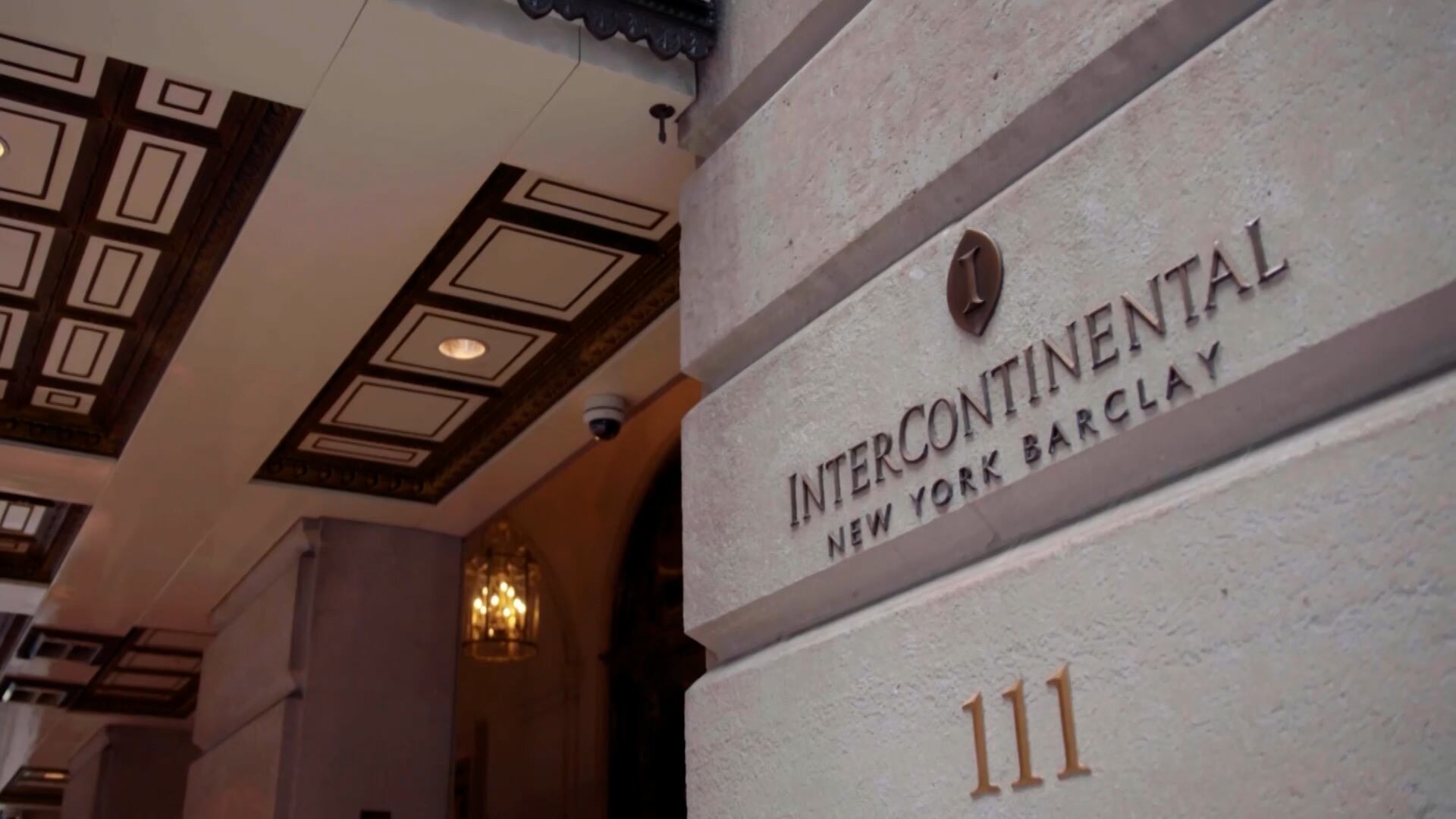
Keith Barr, CEO of InterContinental Hotel Group, says he is expecting an 'incredible' summer for his business as pandemic conditions have normalized and people are ready to travel.
Dann Ryan, Chief Investment Officer at Sincerus Advisory, discusses what drove markets lower on Wednesday, as well as what investors are anticipating when it comes to the upcoming CPI report and Fed decision.
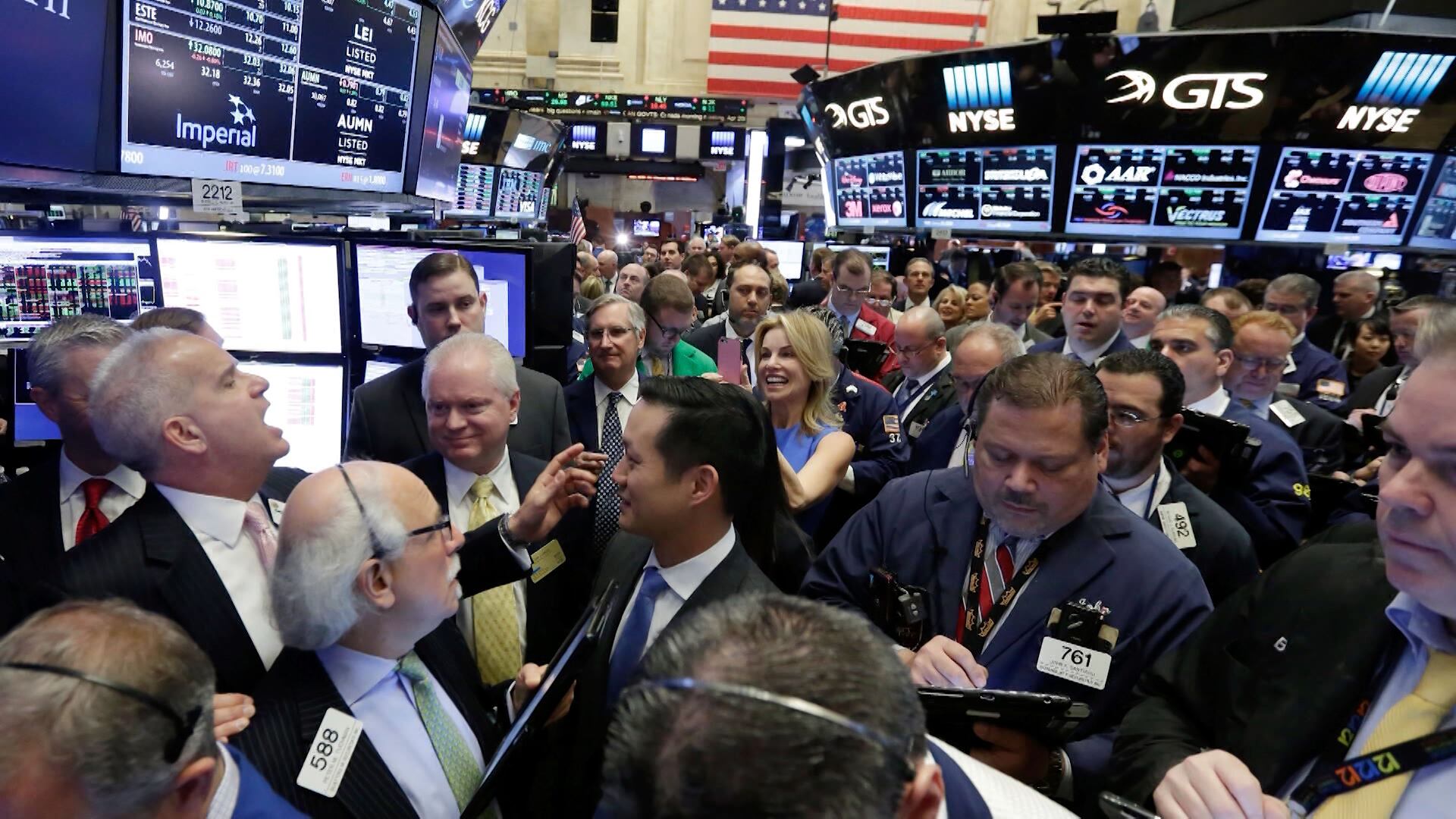
U.S. stocks close Tuesday at session highs after a subpar start to the trading day. Tim Chubb, Chief Investment Officer at the wealth advisory firm, Girard, joins Cheddar News' Closing Bell to discuss. 'We're starting to see the moderation of three core things -- we've seen the moderation of prices, we've seen the moderation of wage growth we've seen in the labor market, and we've also seen a moderation of job openings,' he says.
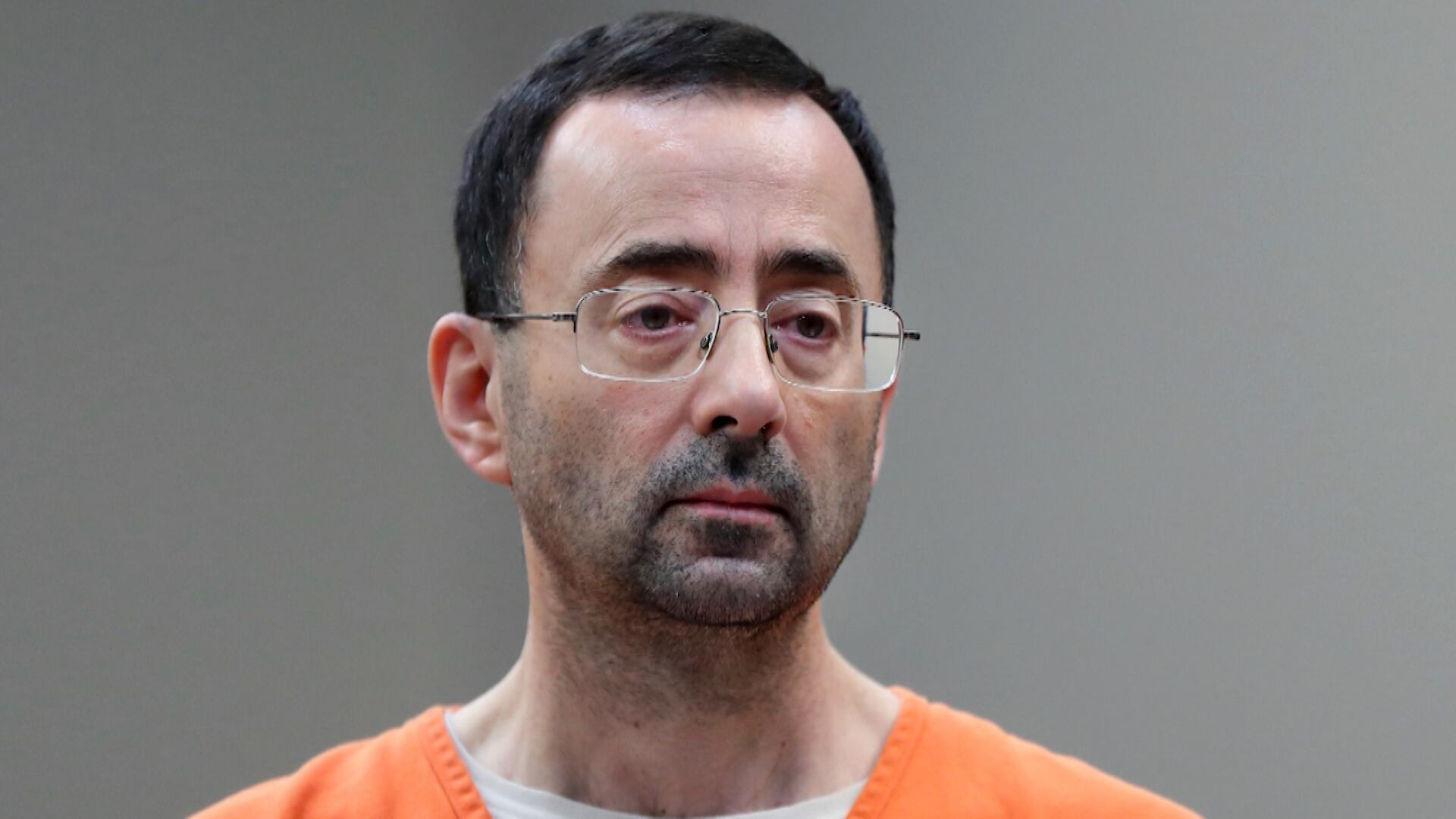
The victims from the USA gymnastics sexual abuse scandal continue to seek justice. Survivors of Larry Nassar are seeking more than one-billion dollars from the FBI for failing to stop the convicted sports doctor when the agency first received allegations. According to a report released by the Justice Department's Inspector General, FBI agents knew
in July of 2015 that Nassar was accused of abusing gymnasts; however, Nassar wasn't arrested until December of 2016. The group that filed the claim includes Olympic medalist Simone Biles and around 90 other women. Louise Radnofsky, sports reporter at The Wall Street Journal, joins Cheddar News' Closing Bell to discuss.
A controversial professional golf tour backed by Saudi Arabia tees off on Thursday. Today, two-time Major winner Dustin Johnson announced he's resigned from the PGA Tour ahead of headlining the Saudi-backed tour, called the LIV Golf Invitation Series. The announcement comes as the PGA tour has threatened disciplinary action for its golfers who take part in the Saudi golf league event, which will also feature notable golf stars like Phil Mickelson and Sergio Garcia; however, LIV Golf's CEO, Greg Norman, told The Washington Post that Tiger Woods rejected a contract worth 'high nine digits' to play in the tour. Chris Bumbaca, reporter for USA Today Sports, joins Cheddar News' Closing Bell to discuss.