By Kathleen Ronayne and Alexandra Jaffe

Billionaire Mike Bloomberg ended his bid for the Democratic presidential nomination on Wednesday and endorsed former Vice President Joe Biden. It was a stunning collapse for the former New York City mayor, who had his 2020 hopes on the Super Tuesday states and pumped more than $500 million of his own fortune into the campaign.

Bloomberg announced his departure from the race after a disappointing finish on Super Tuesday in the slate of states that account for almost one-third of the total delegates available in the Democratic nominating contest. He won only the territory of American Samoa and picked up several dozen delegates elsewhere. Biden, meanwhile, won big in Southern states where Bloomberg had poured tens of millions of dollars and even cautiously hoped for a victory.

Two of his former Democratic rivals, Amy Klobuchar and Pete Buttigieg, dropped out of the race and endorsed Biden as the moderate alternative to Vermont Sen. Bernie Sanders just the day before Super Tuesday.

Bloomberg ran an unprecedented campaign from the start. His late entrance into the race in November prompted him to skip campaigning in the first four voting states of Iowa, New Hampshire, Nevada, and South Carolina. He hung his success on Super Tuesday, spending at least $180 million on advertising in those states, but had planned to continue deep into the primary calendar, already spending millions on advertising in states like Florida, Michigan and Pennsylvania. Before results poured in on Tuesday, he projected confidence while campaigning in Florida, only to have his aides say the campaign would reassess the next day.

Voters ultimately rejected Bloomberg's argument that he was the candidate best poised to take on Republican President Donald Trump. The president, for his part, had paid close attention to the Democratic nominating contest and had been especially fixated on Bloomberg. Trump regularly railed against his fellow New Yorker on Twitter, mocking his short stature by calling him “Mini Mike" and claiming Bloomberg was the candidate he wanted to run against. On Tuesday, he called the results a “complete destruction” of Bloomberg's reputation.

Bloomberg, 78, is one of the world's richest men, worth an estimated $61 billion. His fortune flows from the financial data and media company that bears his name, which he started in the 1980s. In addition to serving 12 years as New York mayor, he endeared himself to progressive groups by pouring hundreds of millions of dollars into fighting climate change and curbing gun violence.

In the early weeks of his campaign, he used his vast fortune to introduce himself to voters outside New York on his own terms, and his rivals accused him of trying to buy the party's nomination and the White House. As voting drew closer, the former Republican was forced to confront his Democratic rivals head-on by appearing alongside them on a debate stage. His first performance was shaky and uneven and caused voters to view him with a more critical eye.

He proved unable to overcome consistent criticism of New York's use of the stop-and-frisk police practice under his tenure as mayor, which disproportionately targeted young black and Latino men for searches aimed at finding weapons. The practice ended after a federal judge declared it unconstitutional, and Bloomberg apologized for using it weeks before announcing his presidential run.

He similarly faced pointed criticism — primarily from rival Elizabeth Warren — about the treatment of women at his company, Bloomberg LP. Under pressure from Warren, he said in mid-February he would release three women who sued him for harassment or discrimination complaints from confidentiality agreements. Women who worked for Bloomberg were featured in a commercial praising Bloomberg's and the company's treatment of women, and his longtime partner Diana Taylor defended him as a champion of women.

Bloomberg was dogged by accusations he was trying to buy the Democratic presidential nomination. His vast fortune proved a perfect foil for Sanders, who has said billionaires should not exist at all. Indeed, Bloomberg had a vast circle of influence from his spending on key causes like gun control as well as his philanthropic efforts to boost American cities and provide leadership training for mayors. Dozens of prominent mayors rallied behind his candidacy.

That, combined with Biden's resurgence in South Carolina and the rallying of the party's moderate wing behind him, doomed Bloomberg's case that he was the best candidate to take on both Sanders and Trump.

What's next for Bloomberg is unclear. He'd pledged to keep campaign offices open in key general election battleground states to help the Democrats defeat Trump even if he lost the party's nomination. But Sanders' campaign has said they do not want the help.

___

Jaffe reported from Palm Beach, Florida.
Share:
More In Politics
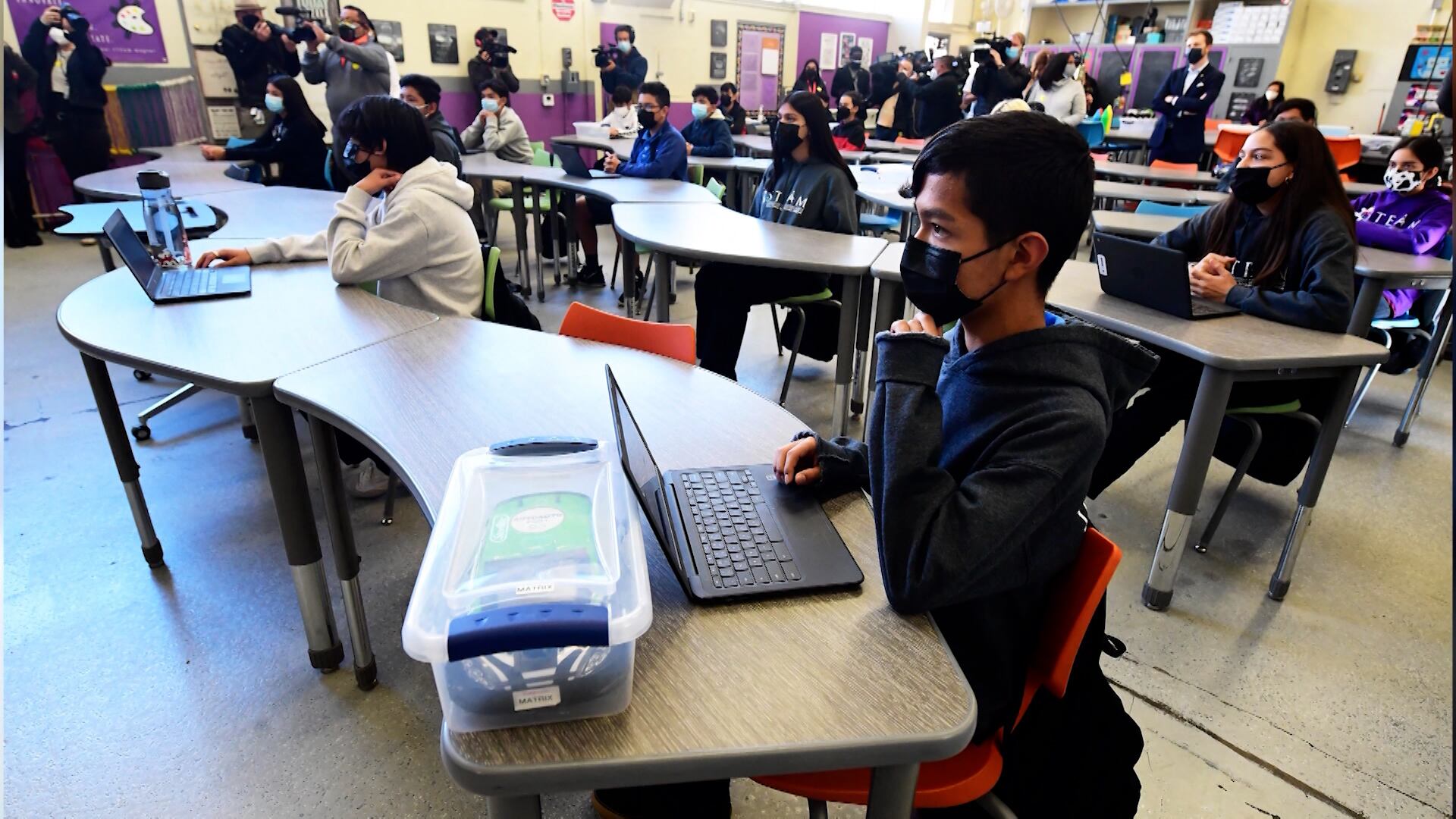
States Turn to Unusual Solutions as Schools Face Staffing Shortages
With an increasing number of teachers and staff calling out sick by the day, the state of Oklahoma is turning to an unusual solution. Republican Governor Kevin Stitt has issued an executive order that permits state employees to work as substitute teachers. Shaily Baranwal, founder and CEO of Elevate K-12, joins Cheddar News to discuss.
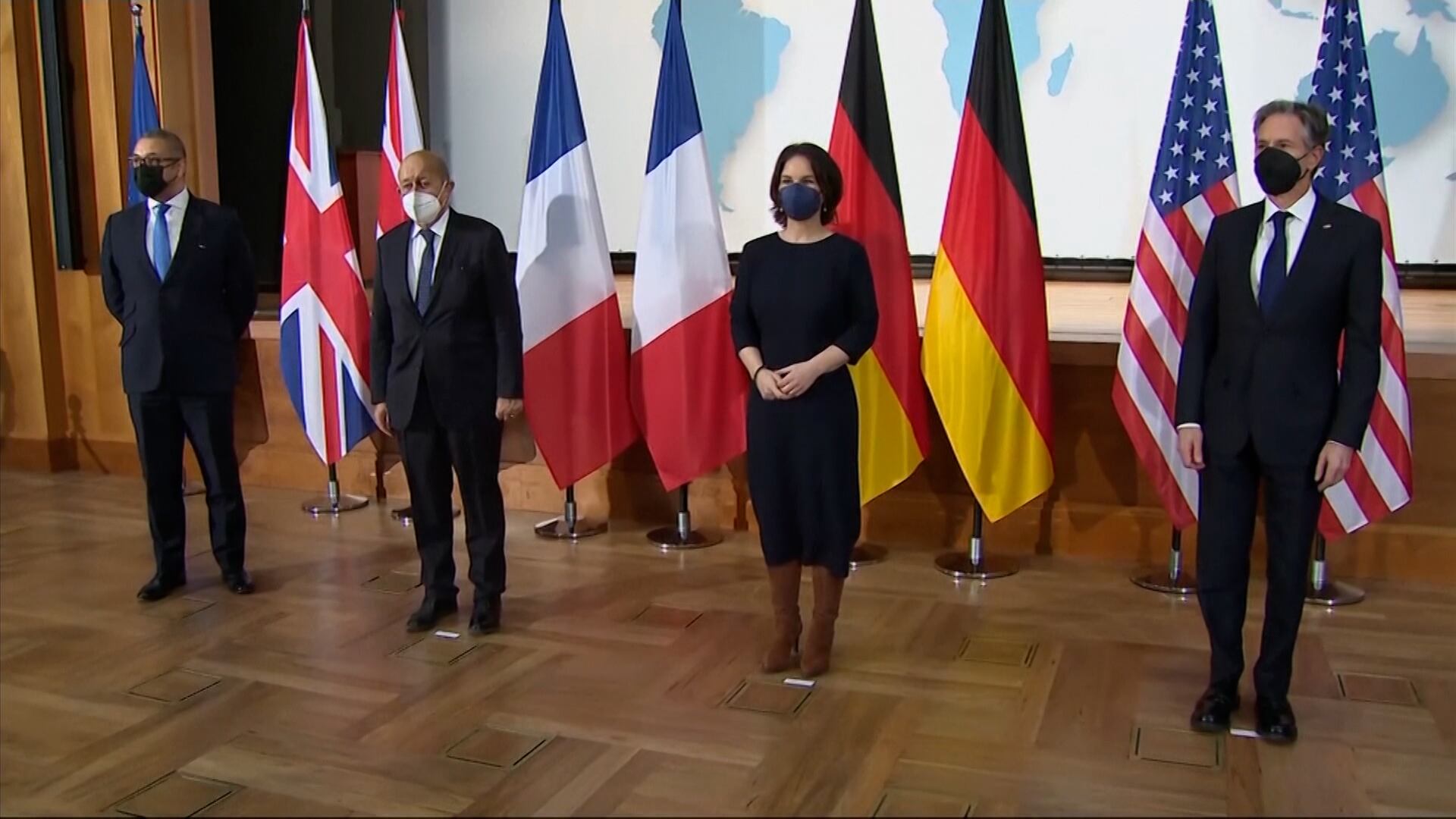
Possible Cracks Between U.S. and Allies on Issue of Ukraine and Russia
On Thursday, Secretary of State Antony Blinken addressed the stance of the U.S. and its allies should Russia make any forays into Ukraine, a seeming response to President Biden's remarks that should Putin engage in something short of a full invasion, there might be some indecision among allied nations regarding what to do. Ariel Cohen, a senior fellow at the think tank Atlantic Council, joined Cheddar to discuss the difficulty faced by Blinken wrangling unity as tensions run high in the region. "There'll be a smaller incursion, and the president implied, there'll be a weaker response because our European allies have created this horrible situation where they are dependent on Moscow for their gas supply," Cohen explained.
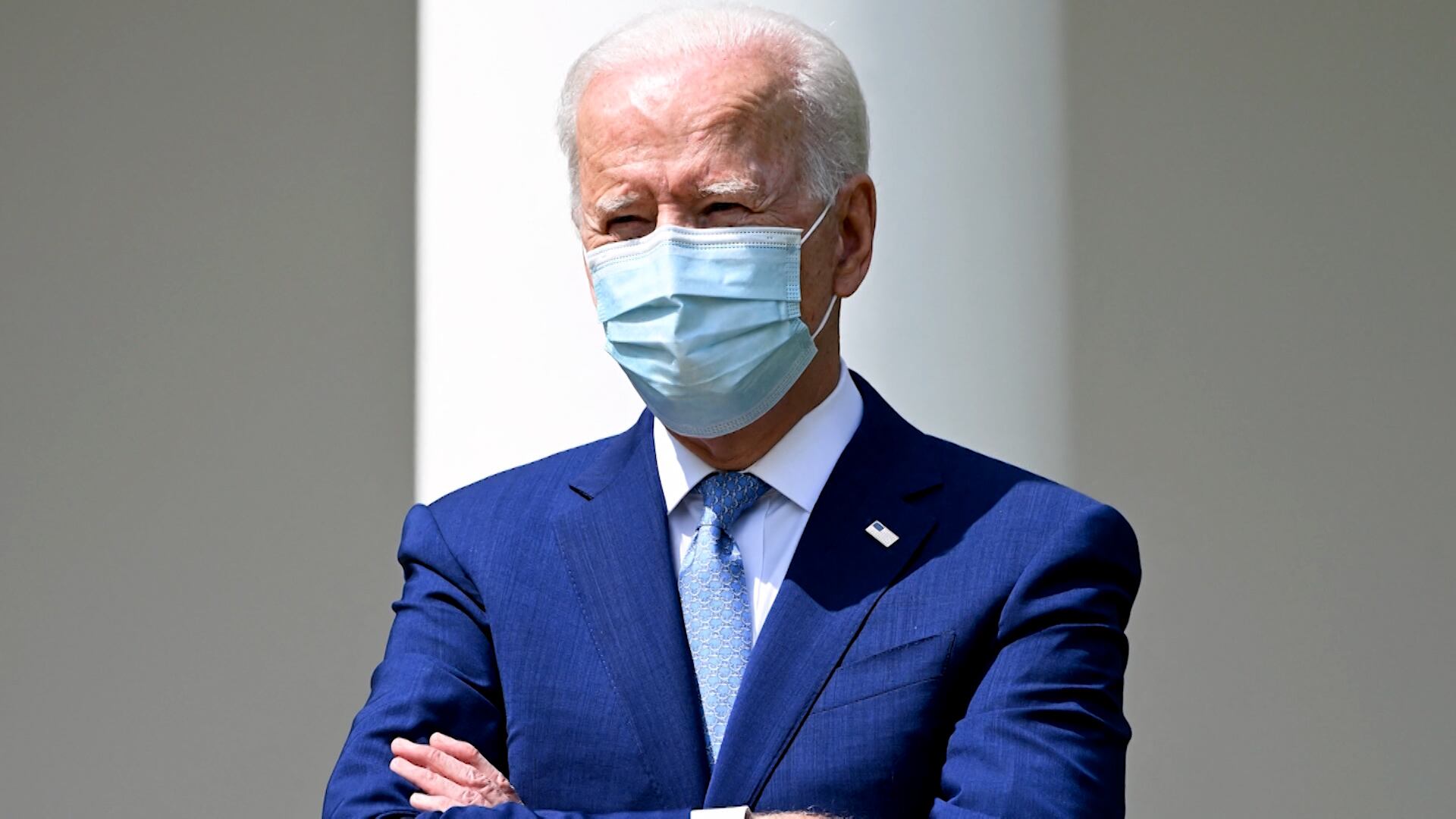
Biden Approval Rating Tanking at One-Year Mark Over Issues Like Inflation
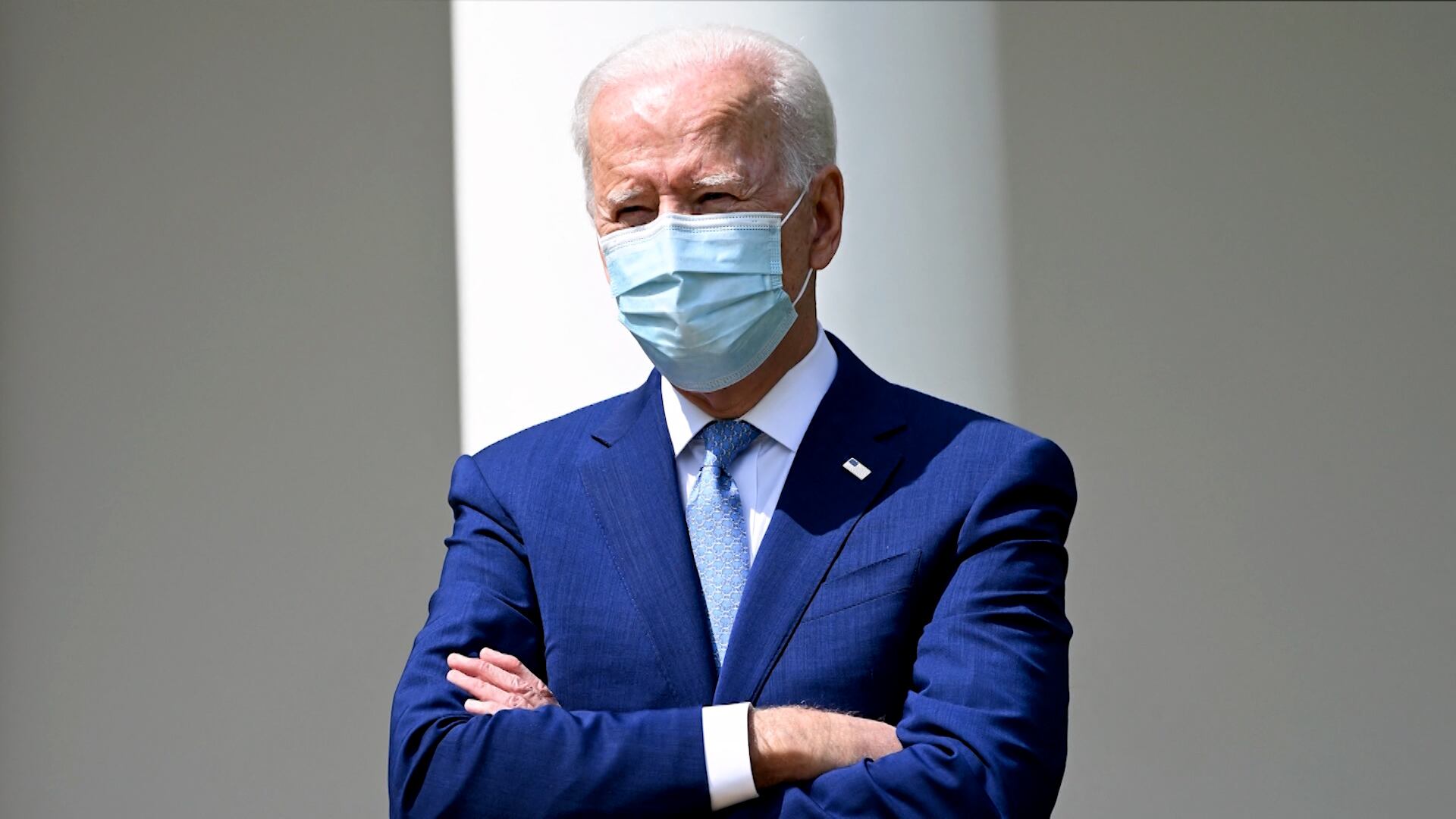
During a nearly two-hour press conference on Wednesday, President Biden spoke on his accomplishments and challenges from the first year of his presidency, and what his administration hopes to accomplish in the coming year. However, his approval ratings are underwater as COVID remains a big concern for voters — as does inflation, noted Tom Bevan, co-founder and president of polling aggregator RealClearPolitics. "The public thinks [inflation] is priority number one, and the administration is concerned about it, they talk about it, but they're not spending enough time on it as far as the public is concerned," said Bevan.
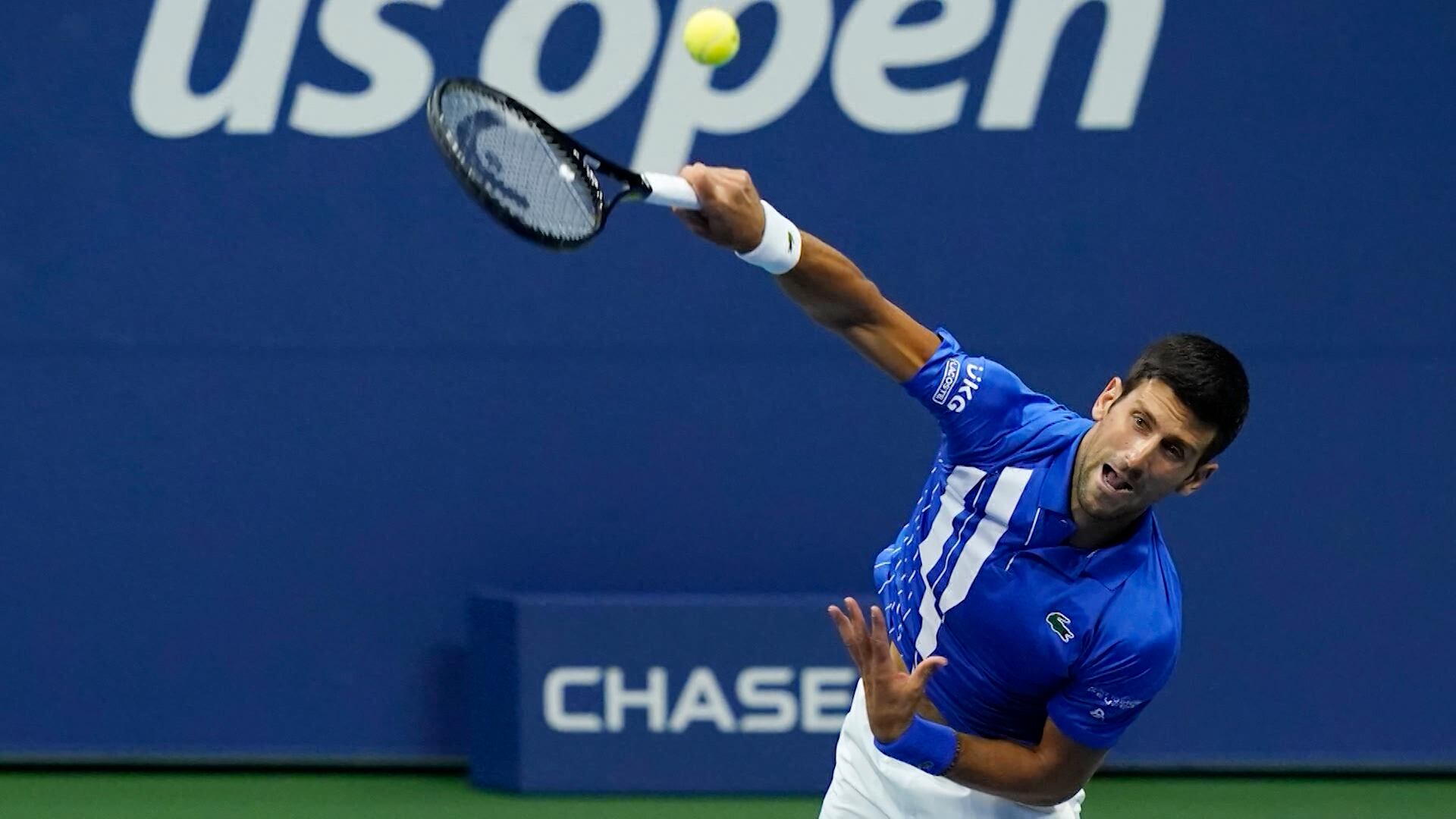
Behind Australian Judges Ruling for Allowing Novak Djokovic Deportation
The drama surrounding tennis star Novak Djokovic continues after he was deported from Australia over the weekend due to the nation's COVID-19 vaccine requirements. Djokovic was forced to leave the country on the eve of what was to be his first match in defense of his Australian Open title after three judges ruled in favor of his removal and revealed their reasoning for doing so. Adding to his woes, a law recently passed in France is putting his chances of defending his French Open title in jeopardy. The director of Marist's Center for Sports Communication, Jane McManus, joined Cheddar to discuss the ongoing fallout.
Louisiana Senate Candidate on Smoking Weed in His Campaign Ad
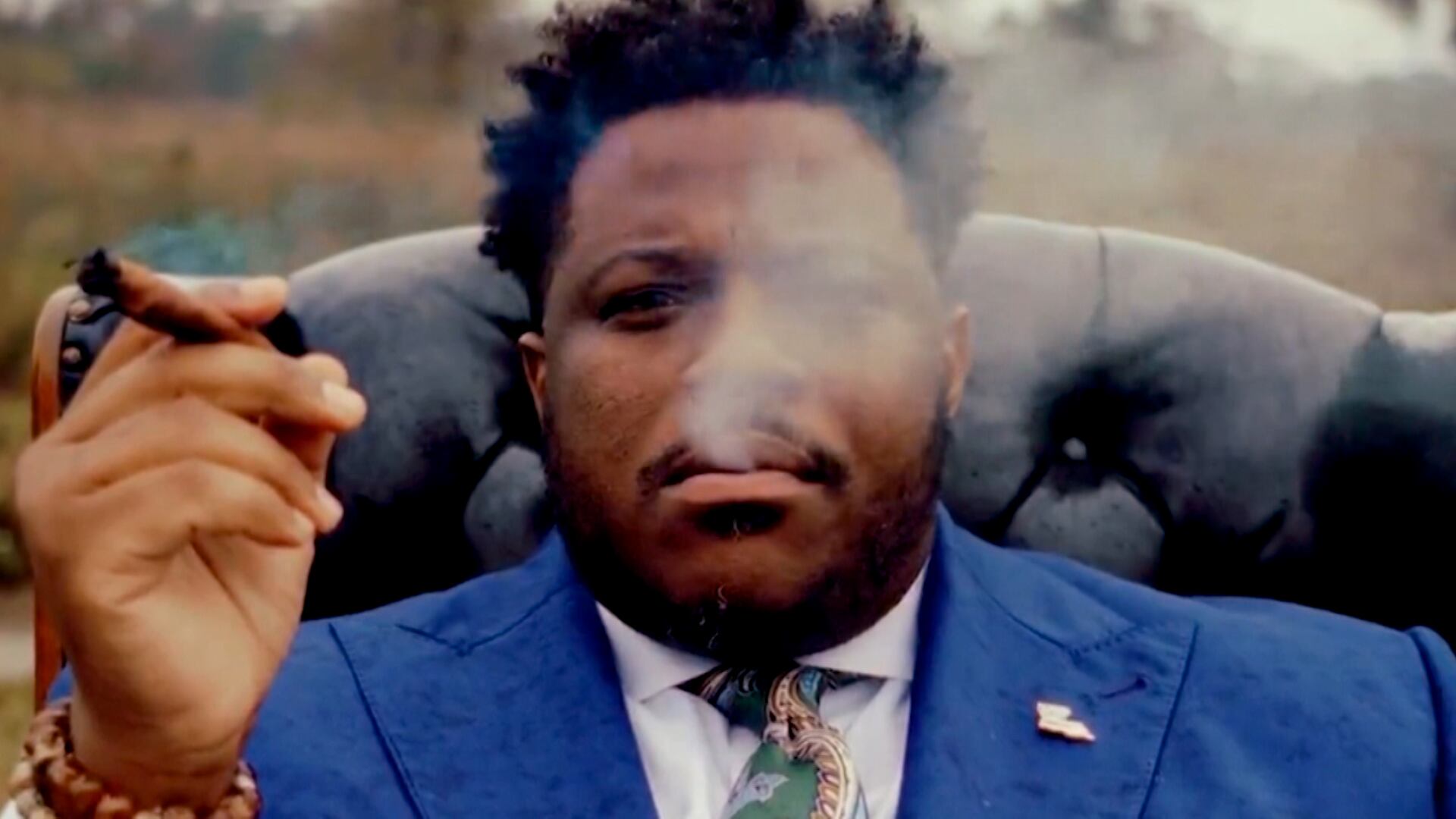
As the midterm elections get ever closer, candidates have been getting creative with their campaigns to stick out and to connect with voters. Gary Chambers, a Democratic candidate for the U.S. Senate from Louisiana, has definitely attracted attention with an advertisement featuring him smoking a blunt, making a point about the inequity of anti-cannabis laws. "We wanted to bring the seriousness of the moment," he said of the ad. "But we also wanted to make sure that people understand that there are 19 states that are legal right now but Black people and brown people are being over-incarcerated in mostly Southern and Midwestern states in America for cannabis possession."
TLDR Act Provides the 'TLDR' on Sites' Terms of Service
If some members of Congress have their way, there might finally be a 'TLDR' on sites' terms of service, introduced by the terms-of-service labeling, design, and readability act – or TLDR for short. With this act, users will actually understand what they're agreeing to or the many ways in which their data is being used before pressing 'accept.' J.D. sat down with co-sponsor of the bill and Senator Bill Cassidy, to discuss.
All Eyes on Biden: Amid Inflation, Pandemic, How Can President Push Agenda While His Party Controls Washington?
President Joe Biden's first year in office is wrapping up. What has he achieved, and what else remains on the table while the Democrats have control of Washington? Amid an ongoing pandemic and rising inflation, Biden's approval rating is at an all-time low and his party is plagued by infighting. Will he be able to continue pushing key parts of his agenda? Paul Glastris, former Bill Clinton speechwriter & Editor-in-chief of 'Washington Monthly,' joins Cheddar News' Closing Bell to discuss the president's achievements in his first year, where he's fallen short, and what he must do in order to get more of his agenda signed into law.
Senate Bills to Reign in Big Tech Anticompetitive Practices Could Hurt Consumers
Tech giants Meta, Amazon, Alphabet, and Apple are faced with a bipartisan antitrust legislation effort underway in the Senate Judiciary Committee. The companies stand accused of promoting their own goods and services over smaller competitors on their platforms, holding too much monopolistic power via their app stores and services. Adam Kovacevich, founder and CEO of Chamber of Progress, a technology industry trade group, joined Cheddar to argue that the bills that are being debated currently could end up hurting consumers, rather than helping.
Load More