Blackberry CEO on Why His Company Beat Earnings Estimates
Blackberry’s turnaround is in full swing, and the company’s CEO told Cheddar he’s expanding its software, cybersecurity, and automotive services to drive growth in 2018.
“Our software are now embedded into a lot of the chipset or optimizers of people like Qualcomm,” John Chen said in an interview Wednesday. “The strength comes in from that.”
Blackberry shares jumped to near three-year highs Wednesday, after the company reported earnings and revenue in the latest quarter above analyst estimates. While sales fell 25 percent from a year ago, the drop wasn’t as bad as expected. And profit came in at 3 cents a share, while analysts were expecting the company to break even.
The company was a pioneer in the smartphone market, but lost ground to rivals like the iPhone and Samsung products. But it’s shifted into new areas.
Chen said that, while Blackberry has been in the auto industry for about a decade, it began making a “major push” into the space four years ago.
“We focused on designing new components of cars like lane-changing, advanced driver assistance, telematics that talk to the internet,” he said.
The chief exec says 60 million cars on the road currently operate on Blackberry software.
Activision Blizzard on Thursday released its first annual report on diversity and inclusion, and the results showed that the company has a long way to go before hitting its goals.
The Federal Trade Commission (FTC) has proposed a new rule that would make it easier for consumers to cancel free subscriptions. The so-called "click to cancel" provision requires sellers to make it as easy for users to cancel subscriptions as it was to subscribe.
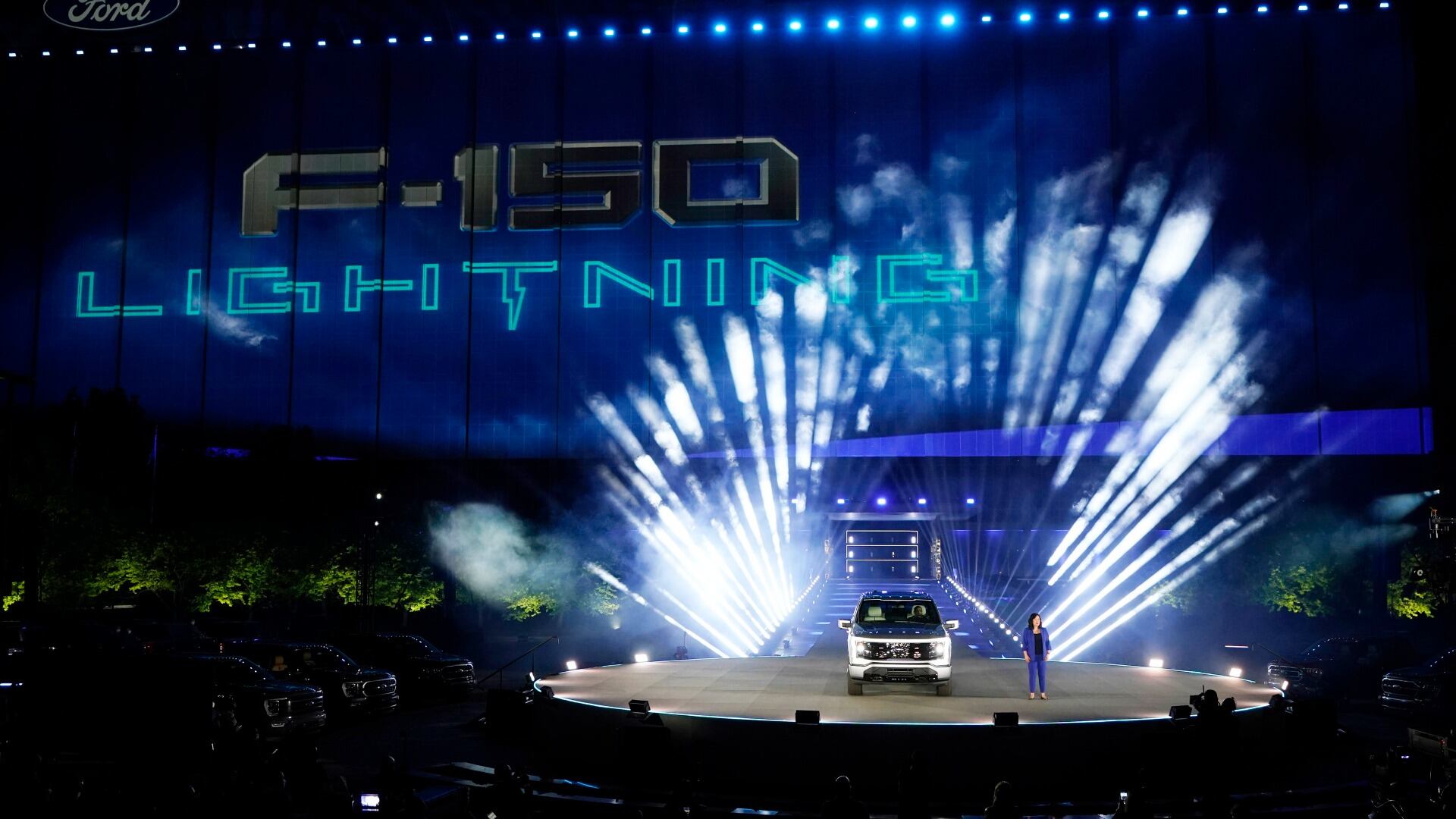
Ford's business will gradually transition from its internal combustion vehicles to battery electric vehicles, but combustion vehicles will continue to grow for the next few years, CFO John Lawler told Cheddar News.
The U.S. Department of Health and Human Services has released a plan to overhaul the nation's organ transplant system, which has long been plagued by sometimes lethal delays and IT failures.
Web browser Mozilla is investing $30 million into launching a startup, called Mozilla.ai, focused on building a "trustworthy, independent, and open-source AI ecosystem."