Here are today's top business headlines you need to know.
AMAZON GO CLOSURES
Online shopping giant amazon continues its cost-cutting efforts with the permanent closure of six of its "go convenience stores." Starting April first--the online giant will close two stores in New York City and four in San Francisco. The stores, introduced in 2016, were designed to offer benefits for both customers and the company. Customers could shop without having to checkout or scan an item. and Amazon didn't need to hire staff. The closures follow Amazon's announcement that it's pausing construction on its second headquarters in northern Virginia.
VERIZON PRICE HIKE
Verizon is raising the prices on some of its older cell phone plans as part of a broader effort to get more of its customer base on 5G plans. Customers who decide to stay on one of Verizon's older unlimited plans will be charged an additional $2 a month. That change will take effect on April 10th. The move comes as Verizon looks to grow its consumer unit.
US CREDIT RATING
A leading financial company said America's credit rating could get downgraded. Fitch ratings said the political back and forth on whether to raise the debt ceiling or to default could lead to a downgrade. The U.S. currently has perfect credit, but Fitch explained that rating is not based on the country's finances but rather the U.S. dollar's reserve currency status and the treatment of U.S. Treasuries as risk-free assets for global investors. Fitch's global head of sovereign ratings said the ongoing debate over raising the debt ceiling is "chipping away at those two things."
DOJ SPIRIT AIRLINES LAWSUIT
The Justice Department is expected to file suit to block Jetblue's pending $3.8 billion takeover of Spirit Airlines. The agency argues the deal would eliminate a critical low-cost carrier and raise prices in an already heavily-consolidated industry. The lawsuit is the latest anti-monopoly move by the Biden administration, which has also shown increasing interest in policing air travel. The lawsuit's likely timing was first reported by Bloomberg News.
MERCK'S NEW CARDIO DRUG
Merck said its experimental cardio therapy helped increase exercise capacity in patients with a deadly disease that causes high pressure in blood vessels of the heart and lungs. Meanwhile, a second experimental heart drug helped reduce levels of low-density lipo-protein cholesterol by 41 percent. Merck has been beefing up its portfolio of cardiovascular drugs as part of its strategy to counter a possible hit to sales to its best-selling drug Keytruda.
BiggerPockets Money podcast is now available on Cheddar Wednesdays at 10am ET! Mindy Jensen shares how her podcast is helping people gain financial freedom.
The social video platform's future remains in doubt, as players scramble to profit from the chaos. Plus: Big oil gets bigger, DOGE downsizes, and tariffs!
Ty Young, CEO of Ty J. Young Wealth Management, joins Cheddar to discuss Trump's moves as he returns to Washington D.C. and how it may affect the U.S. economy.
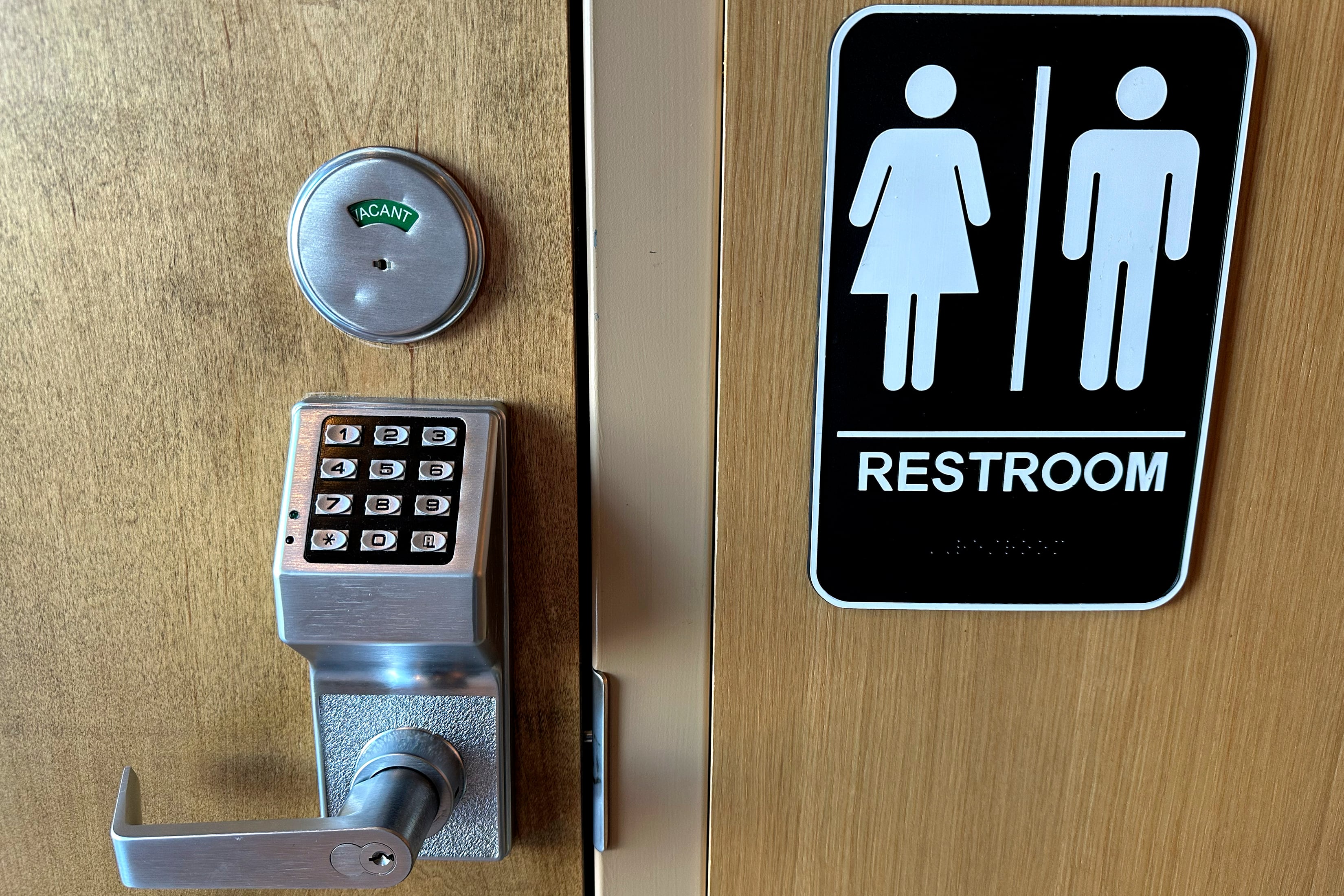
Starbucks’ decision to restrict its restrooms to paying customers has flushed out a wider problem: a patchwork of restroom use policies that varies by state and city. Starbucks announced last week a new code of conduct that says people need to make a purchase if they want to hang out or use the restroom. The coffee chain's policy change for bathroom privileges has left Americans confused and divided over who gets to go and when. The American Restroom Association, a public toilet advocacy group, was among the critics. Rules about restroom access in restaurants vary by state, city and county. The National Retail Federation says private businesses have a right to limit restroom use.
President Donald Trump is talking up a joint venture investing up to $500 billion for infrastructure tied to artificial intelligence by a new partnership formed by OpenAI, Oracle and SoftBank. The new entity, Stargate, will start building out data centers and the electricity generation needed for the further development of the fast-evolving AI in Texas, according to the White House. The initial investment is expected to be $100 billion and could reach five times that sum. While Trump has seized on similar announcements to show that his presidency is boosting the economy, there were already expectations of a massive buildout of data centers and electricity plants needed for the development of AI.
Chris Ruder, Spikeball Founder and CEO, explains how he and his friends put roundnet on the global map, plus, how Spikeball helps people "find their circle."
J.W. Roth, CEO of Venu Holding Corporation, discusses the company's IPO and plans to redefine live music entertainment with their fan founded, fan-owned model.