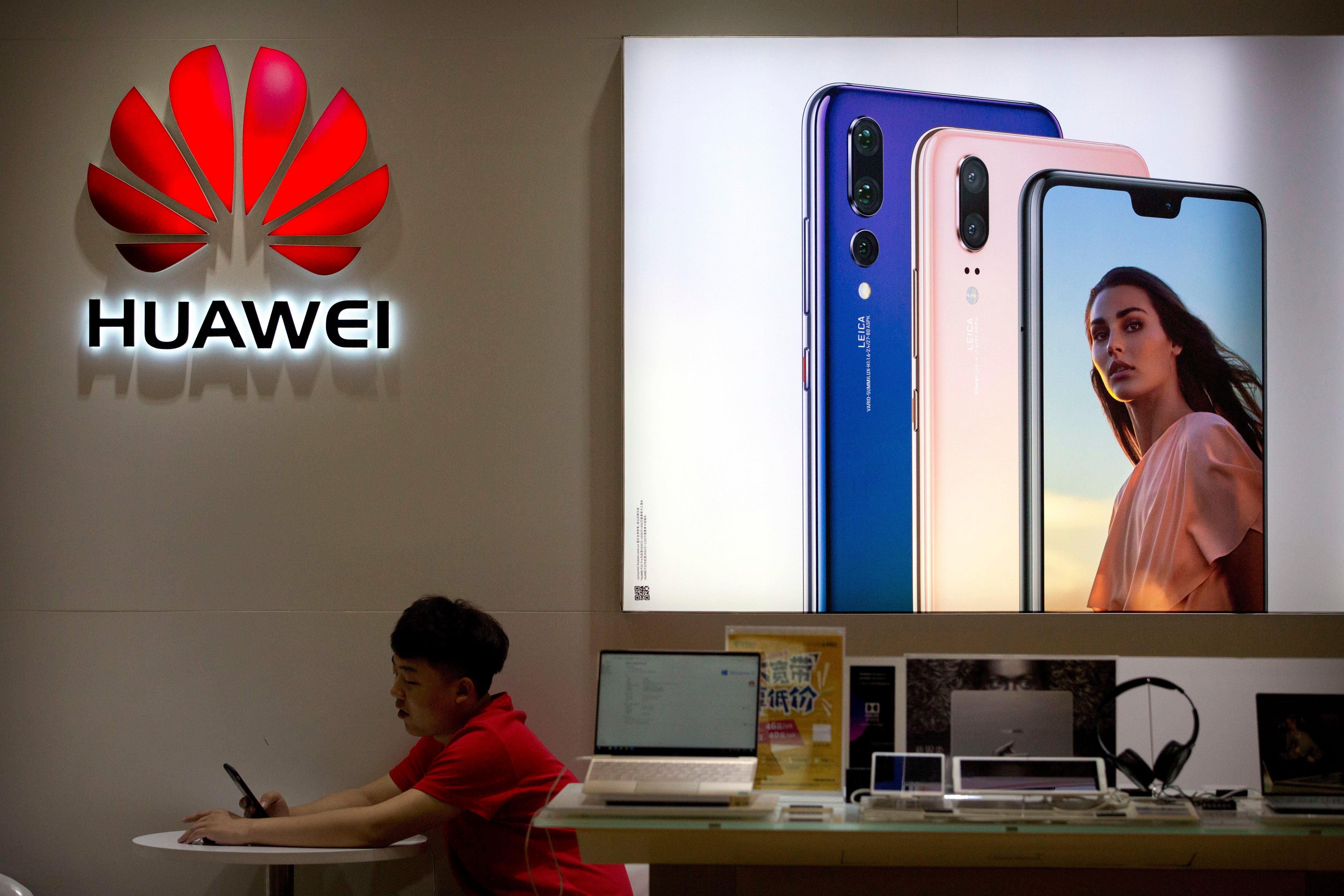
The company's U.S. Chief Security Officer Andy Purdy says there is no evidence to back up the FCC's claims that Huawei is a national security threat. “There is no indication we’ve done any improper things on behalf of the Chinese government."
A study finds male political reporters in Washington, D.C., retweet other men more than women. “Men and women are operating in gender echo chambers in Washington on Twitter,” says Nikki Usher, the lead author of the study.
The Chinese smartphone giant couldn’t live up to the hype in its Hong Kong market debut, with shares down more than a percent. “Investors are really confused about whether to position this company as a hardware company or just a services company,” says Tarun Pathak, a telecom analyst at Counterpoint Research.
The platform aggregates top stories through high-profile curators, which increases the "chance of bringing in the best content that's obviously not fake," says CEO Ian Myers. NewsPicks is owned by a Japanese media company that also acquired Quartz last week.
Twitter suspended 70 million fake accounts in May and June, and some wonder if this will result in a decline in users in Q2. However, this could work in Twitter's favor because many of these accounts aren’t actual users and just end up distorting those numbers, says Matt Binder, tech reporter for Mashable.
The Swiss start-up paid $12 million to obtain the domain name, Cheddar has learned. Previous owner Matt Blaze, a cryptology researcher and professor at the University of Pennsylvania, originally registered the domain in 1993. Cheddar’s Tanaya Macheel gives us the details.
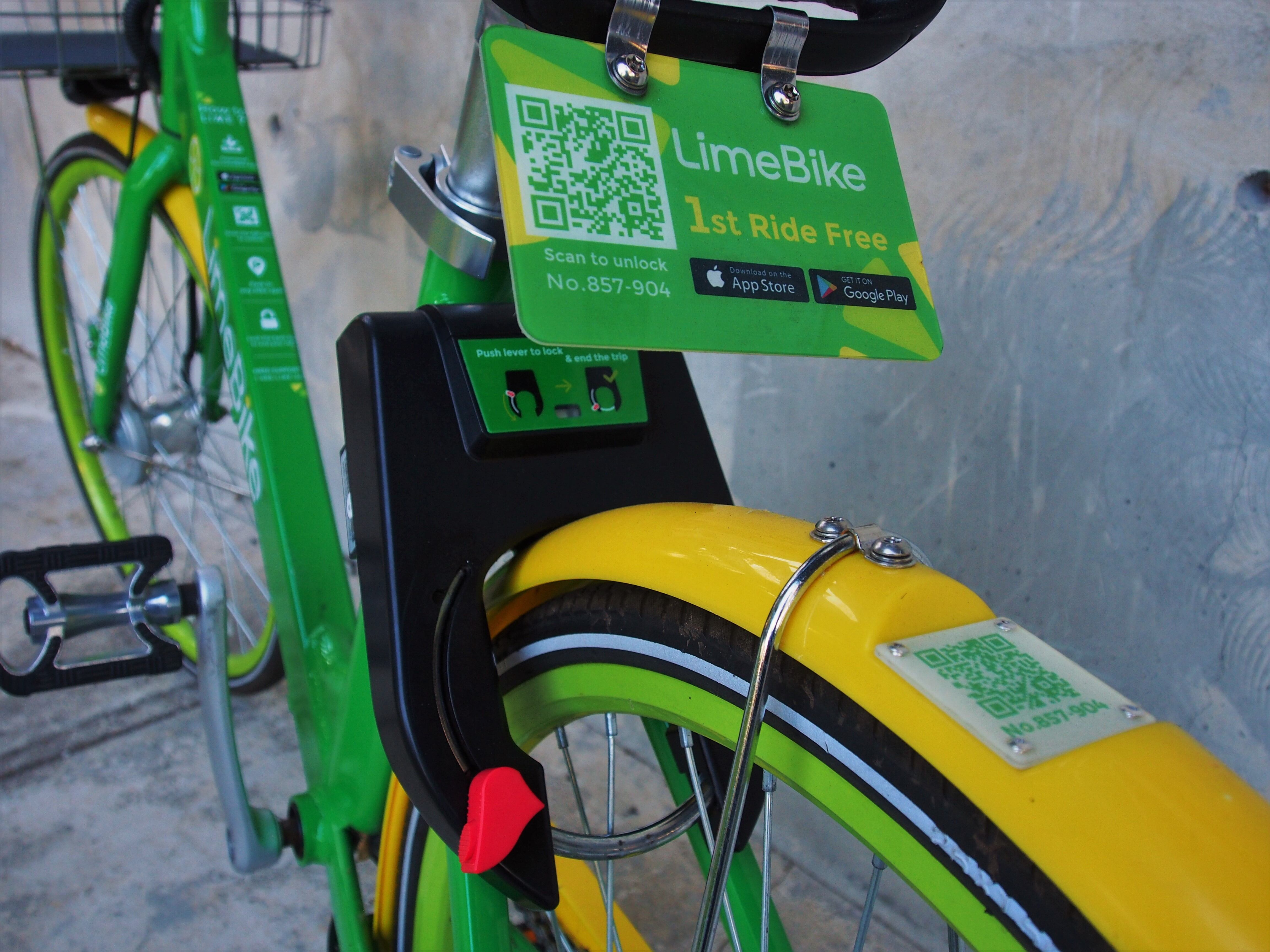
The dockless bike sharing company is partnering with the department of transportation to launch a pilot program in a city that is plagued with bike theft. But Lime's focus on hiring locally and working with communities will help it survive Manhattan, says Caen Contee, vice president of marketing, business development, and expansion.
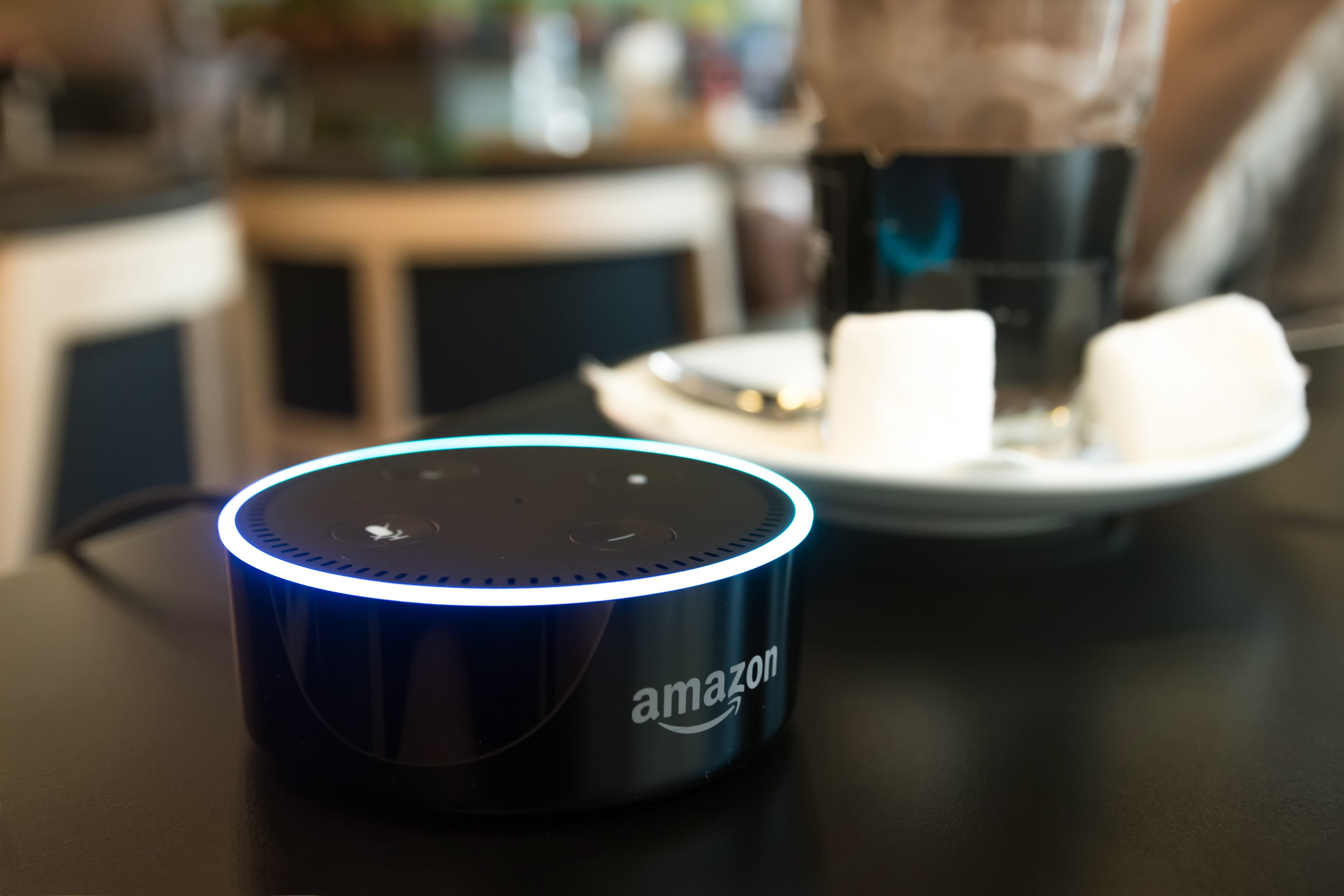
The landscape for IPOs this year has evolved and "it seems like the investors right now are clamoring for anything tech-ish,” says Maureen Farrell, reporter at the Wall Street Journal. The smart speaker company filed for a $100 million IPO on the NASDAQ.
Business, tech and finance headlines exclusively for Hulu subscribers from Cheddar. Today's highlights include Amazon, bitcoin prices and net neutrality.
The U.S. tariffs on Chinese products that kicked in on Friday are specifically targeted at high-tech goods, an attempt to crack down on alleged intellectual property theft. But they could end up raising the cost of products like e-cigarettes, e-bikes, and smart home devices that are overwhelmingly used by millennials, says Axios reporter Erica Pandey.