A group of bipartisan lawmakers are working to celebrate the centennial anniversary of women's suffrage next year with the founding of a new museum dedicated entirely to the accomplishments of women in the U.S.
"It is difficult to empower women, if you don't even recognize them," said Rep. Carolyn Maloney (D-N.Y.), the author of the pending Smithsonian Women's History Museum Act. "What better way of inspiring young women — and men — than by knowing the contributions of those that went ahead."
If passed, the bill will establish a new national museum that showcases and honors women's historical achievements in a variety of fields including art, science, and the military, among others. The legislation currently has 293 co-sponsors in the House.
"Women's contributions to the development of our nation and society are immense," Rep. Brian Fitzpatrick (R-Pa.) said in a statement. "As the first museum in the United States dedicated to the full story of women's history, this museum will tell the diverse story of the women who helped shape America."
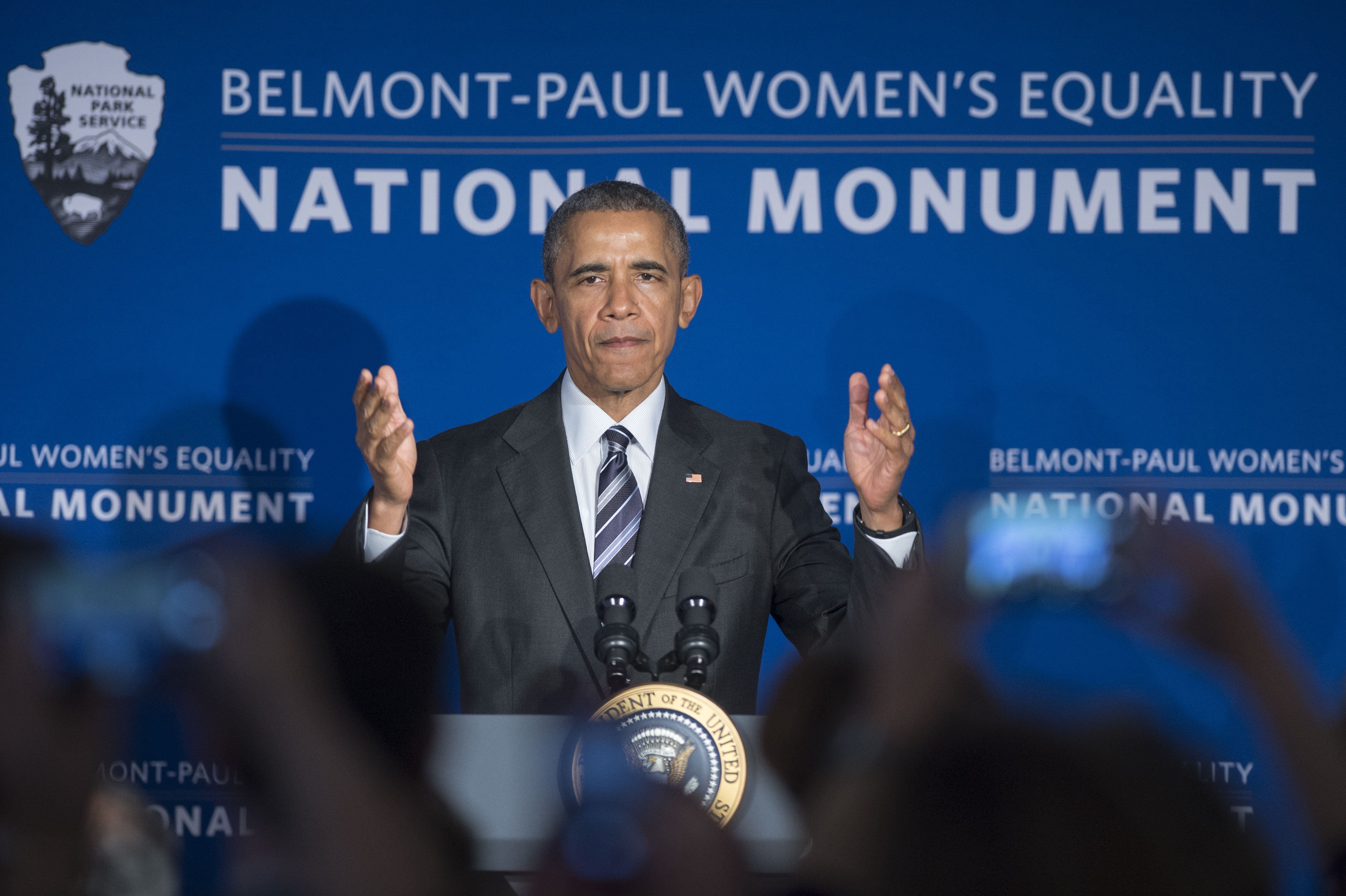
The lawmakers stress that the museum is vital for accurately depicting U.S. history, which is dominated by the achievements of men and ignores those of women. The legislation notes, for instance, that only 9 out of 91 statues in the U.S. Capitol's National Statuary Hall are of women and cites a study that found only 10 percent of American history textbooks detail the contributions of women. The bill also mentions how only one out of the National Park Service's 44 national monuments honor women: the Belmont-Paul Women's Equality National Monument, which President Obama designated in 2016.
"The American people need and deserve a museum dedicated to telling the story of American women," Jane Abraham, the chair of the American Museum of Women's History Congressional Commission, said in a statement. "Women's history is as rich as it is vast and to truly learn about and celebrate our country's history, women's contributions must be showcased in a dedicated museum."
The House bill was also accompanied by a Senate version that was co-sponsored by Sens. Susan Collins (R-Maine) and Dianne Feinstein (D-Calif.). Both bills were introduced in March to coincide with Women's History Month
"American women have made invaluable contributions to our country in every field, such as government, business, medicine, law, literature, sports, entertainment, the arts, and the military," Collins said in a statement. "A museum dedicated to women's history would help ensure that future generations understand what we owe to those American women who have helped build, sustain, and advance our society."
Sen. Feinstein added that a Smithsonian museum "would be a fitting and long-overdue way to properly recognize women's contributions to our nation's narrative."
Neither bill is scheduled for a vote in Congress, yet supporters aim to pass the legislation by the end of 2020 to honor the passing of the 19th Amendment, which granted women the right to vote in the U.S.