A group of bipartisan lawmakers are working to celebrate the centennial anniversary of women's suffrage next year with the founding of a new museum dedicated entirely to the accomplishments of women in the U.S.
"It is difficult to empower women, if you don't even recognize them," said Rep. Carolyn Maloney (D-N.Y.), the author of the pending Smithsonian Women's History Museum Act.
"What better way of inspiring young women — and men — than by knowing the contributions of those that went ahead."
If passed, the bill will establish a new national museum that showcases and honors women's historical achievements in a variety of fields including art, science, and the military, among others. The legislation currently has 293 co-sponsors in the House.
"Women's contributions to the development of our nation and society are immense," Rep. Brian Fitzpatrick (R-Pa.) said in a statement. "As the first museum in the United States dedicated to the full story of women's history, this museum will tell the diverse story of the women who helped shape America."
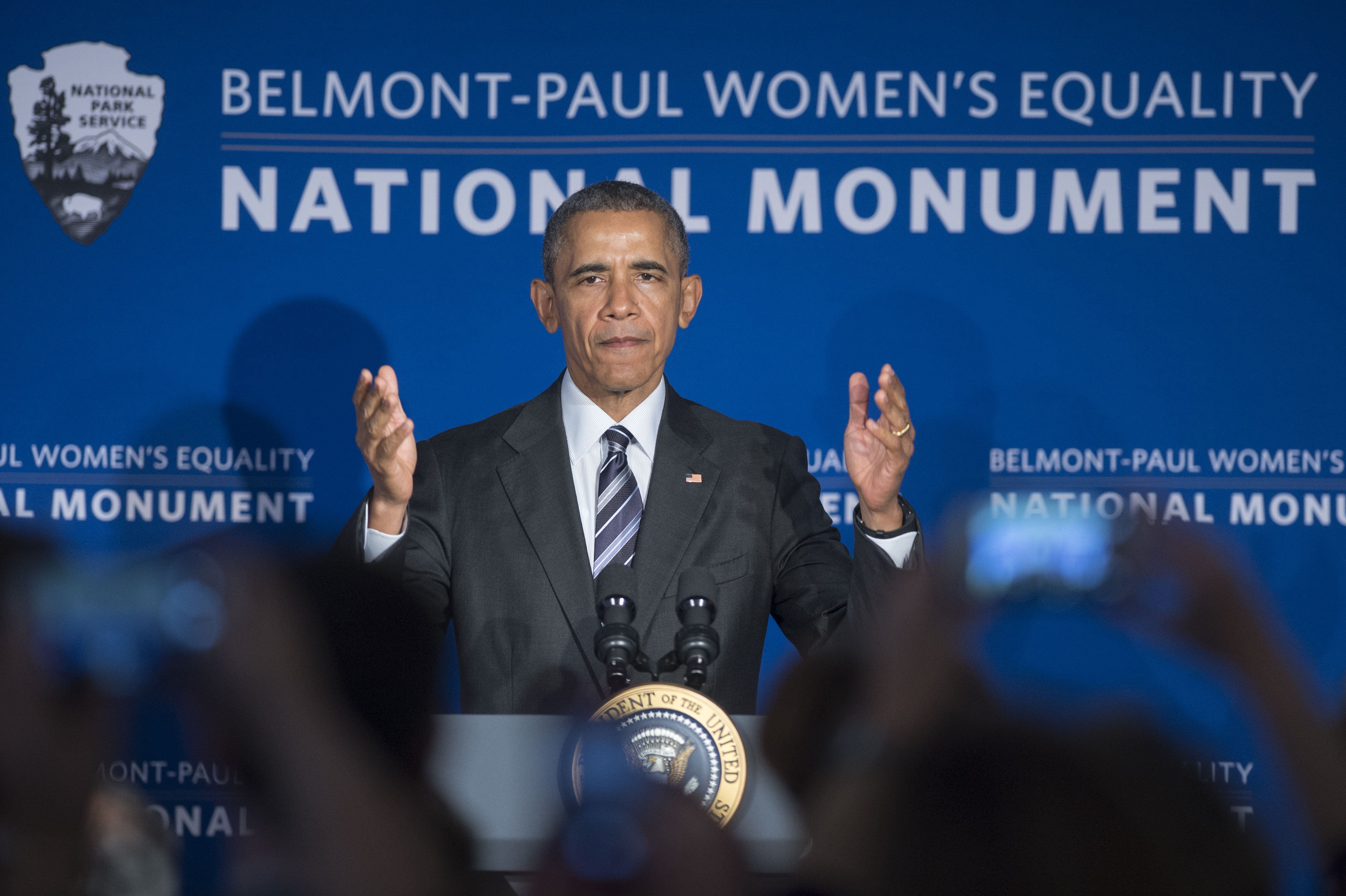
The lawmakers stress that the museum is vital for accurately depicting U.S. history, which is dominated by the achievements of men and ignores those of women. The legislation notes, for instance, that only 9 out of 91 statues in the U.S. Capitol's National Statuary Hall are of women and cites a study that found only 10 percent of American history textbooks detail the contributions of women. The bill also mentions how only one out of the National Park Service's 44 national monuments honor women: the Belmont-Paul Women's Equality National Monument, which President Obama designated in 2016.
"The American people need and deserve a museum dedicated to telling the story of American women," Jane Abraham, the chair of the American Museum of Women's History Congressional Commission, said in a statement. "Women's history is as rich as it is vast and to truly learn about and celebrate our country's history, women's contributions must be showcased in a dedicated museum."
<i>President Obama at the inauguration of the Belmont-Paul Women's Equality National Monument in 2016. The historic house was designated to honor National Woman's Party benefactor Alva Belmont and founder Alice Paul. Photo Credit: Shutterstock</i>
The House bill was also accompanied by a Senate version that was co-sponsored by Sens. Susan Collins (R-Maine) and Dianne Feinstein (D-Calif.). Both bills were introduced in March to coincide with Women's History Month
"American women have made invaluable contributions to our country in every field, such as government, business, medicine, law, literature, sports, entertainment, the arts, and the military," Collins said in a statement. "A museum dedicated to women's history would help ensure that future generations understand what we owe to those American women who have helped build, sustain, and advance our society."
Sen. Feinstein added that a Smithsonian museum "would be a fitting and long-overdue way to properly recognize women's contributions to our nation's narrative."
Neither bill is scheduled for a vote in Congress, yet supporters aim to pass the legislation by the end of 2020 to honor the passing of the 19th Amendment, which granted women the right to vote in the U.S.
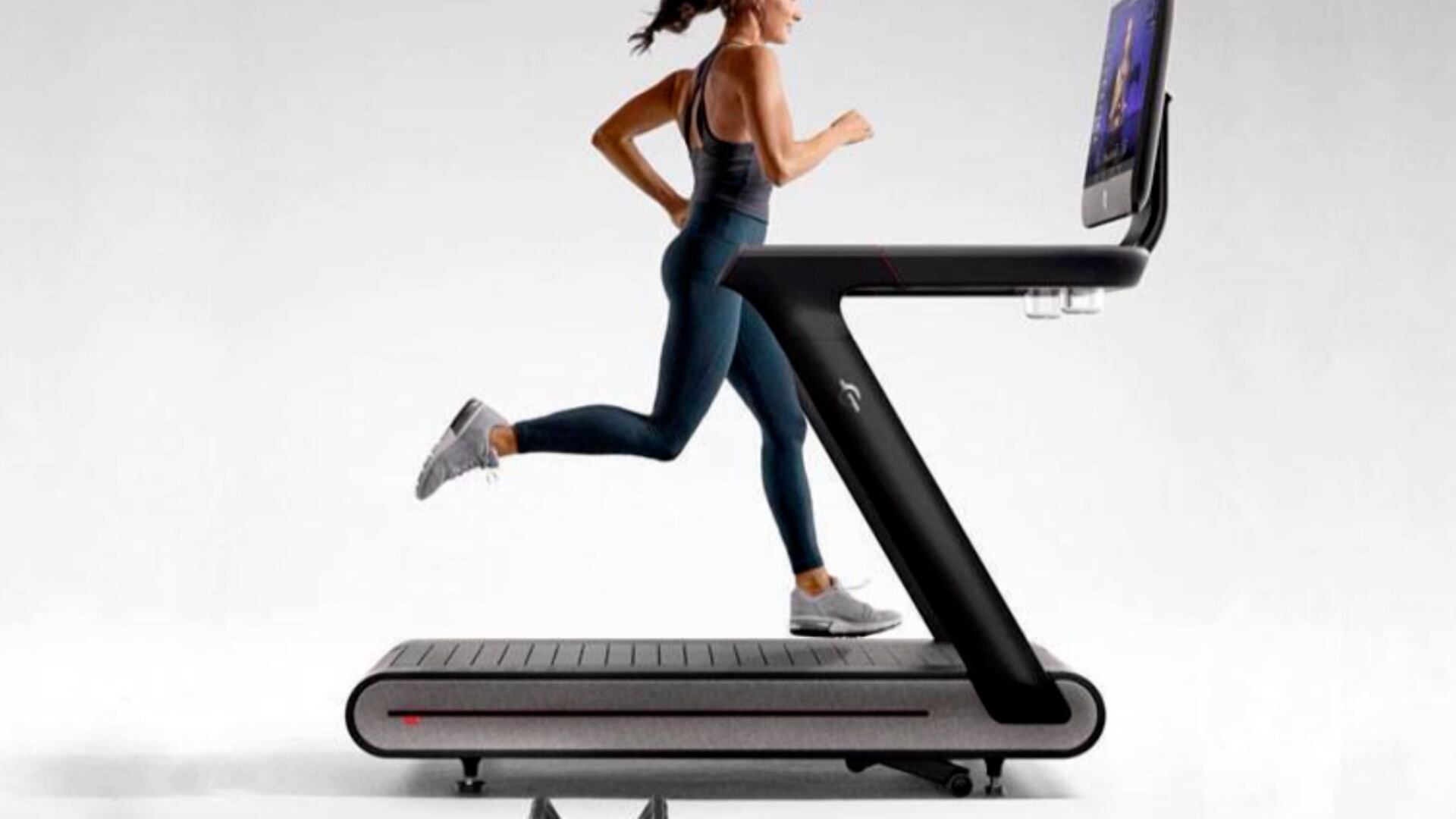
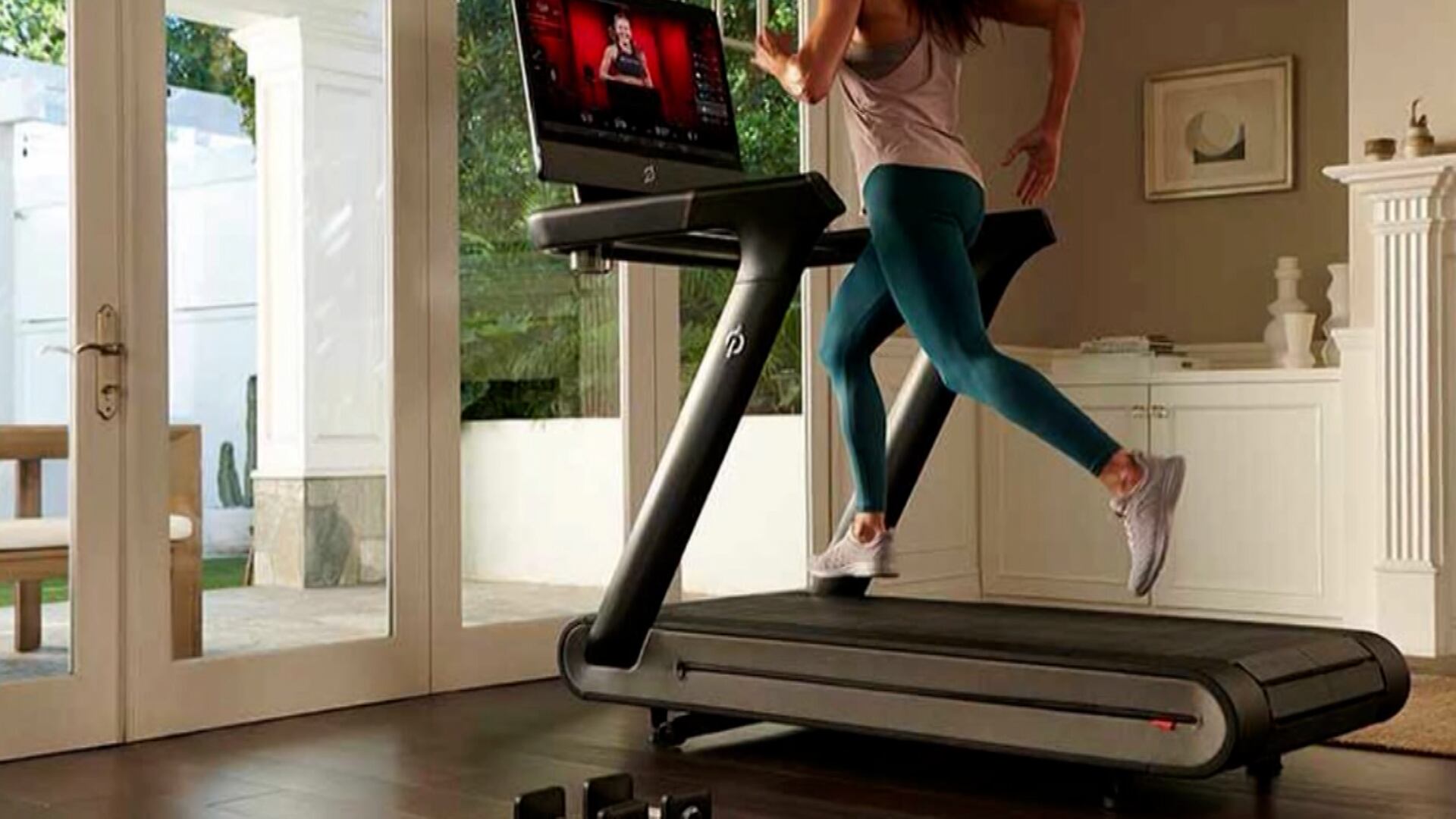
Exercise equipment maker Peloton is attempting to run away from a recent bout of controversy. CEO John Foley published an open letter to employees on Thursday after reports that said Peloton was pausing production of its Bike and Tread products, delaying the opening of a new U.S. factory, and considering job cuts. In the letter, Foley wrote that the information in the reports was 'incomplete,' 'out of context,' and not reflective of Peloton's strategy. Peloton's stock responded on Friday, with shares bouncing back after falling nearly 24% in the regular session on Thursday. CFRA Research's Director of Research Ken Leon joined Cheddar News' Closing Bell to discuss.
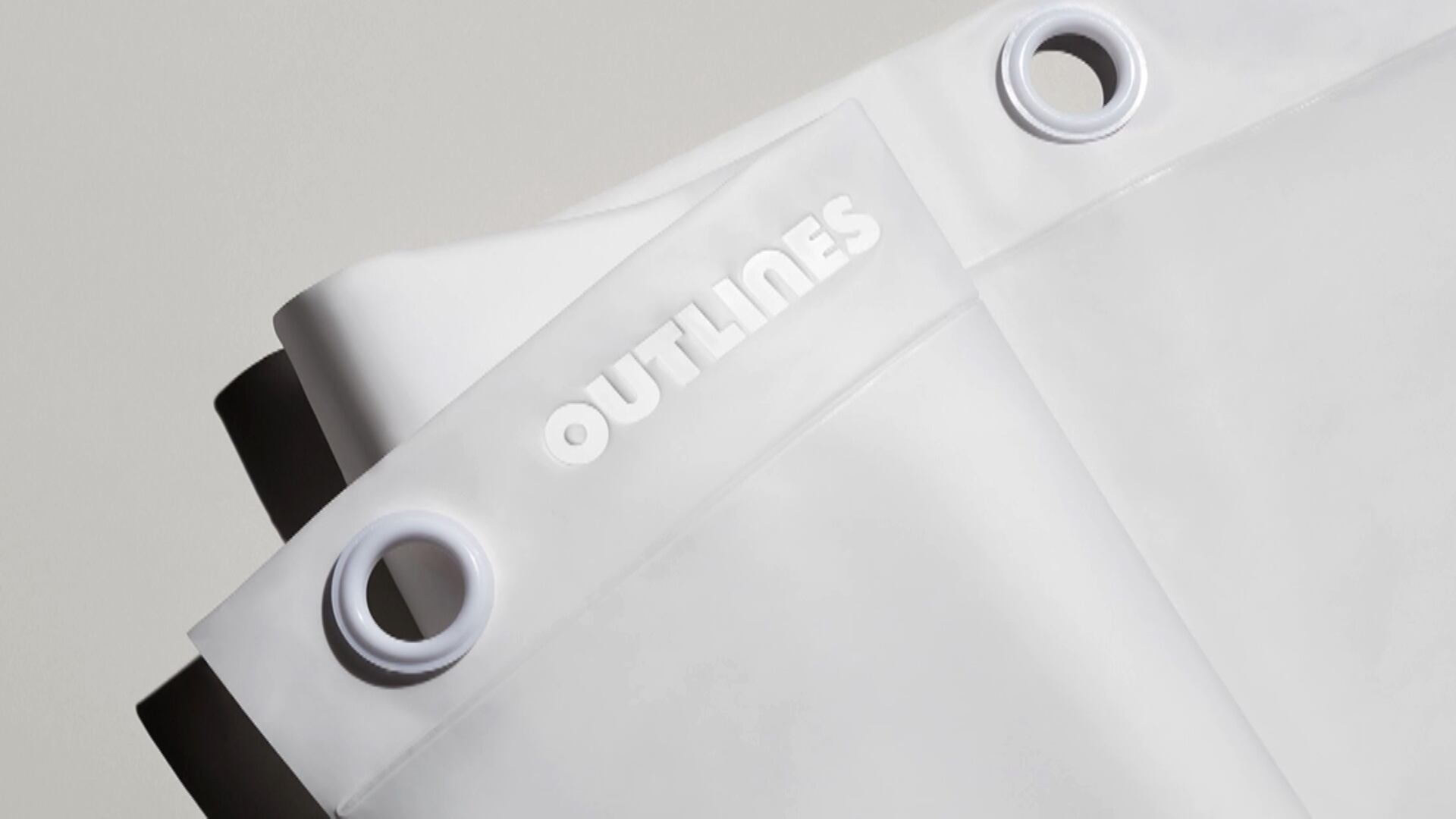
Home essentials maker Outlines announced its launch at the beginning of 2022, along with $1 million in pre-seed funding led by Social Impact Capital. Outlines says it is re-imagining how we keep our homes clean while also reducing plastic waste. The company's debut product, the Shower Liner System, is made of long-lasting materials, including easy-to-recycle plastic. Outlines co-founder and CEO Luke Young and co-founder and COO Megan Ceryanec joined Cheddar News' Closing Bell to discuss.
Simeon Siegel, managing director and senior analyst at BMO Capital Markets joins Cheddar News to discuss CNBC's report that Peloton plans to halt production, despite the company's CEO denying those claims.
Mona Zhang, states cannabis policy reporter at POLITICO Pro joins Cheddar News to discuss major factors that caused Canada's retail marijuana sales to drop last year.
Jackie Rotman, founder and CEO of the Center for Intimacy Justice joins Cheddar News to talk about why Facebook is banning ads by companies targeting women's sexual health but not ads catered to men.
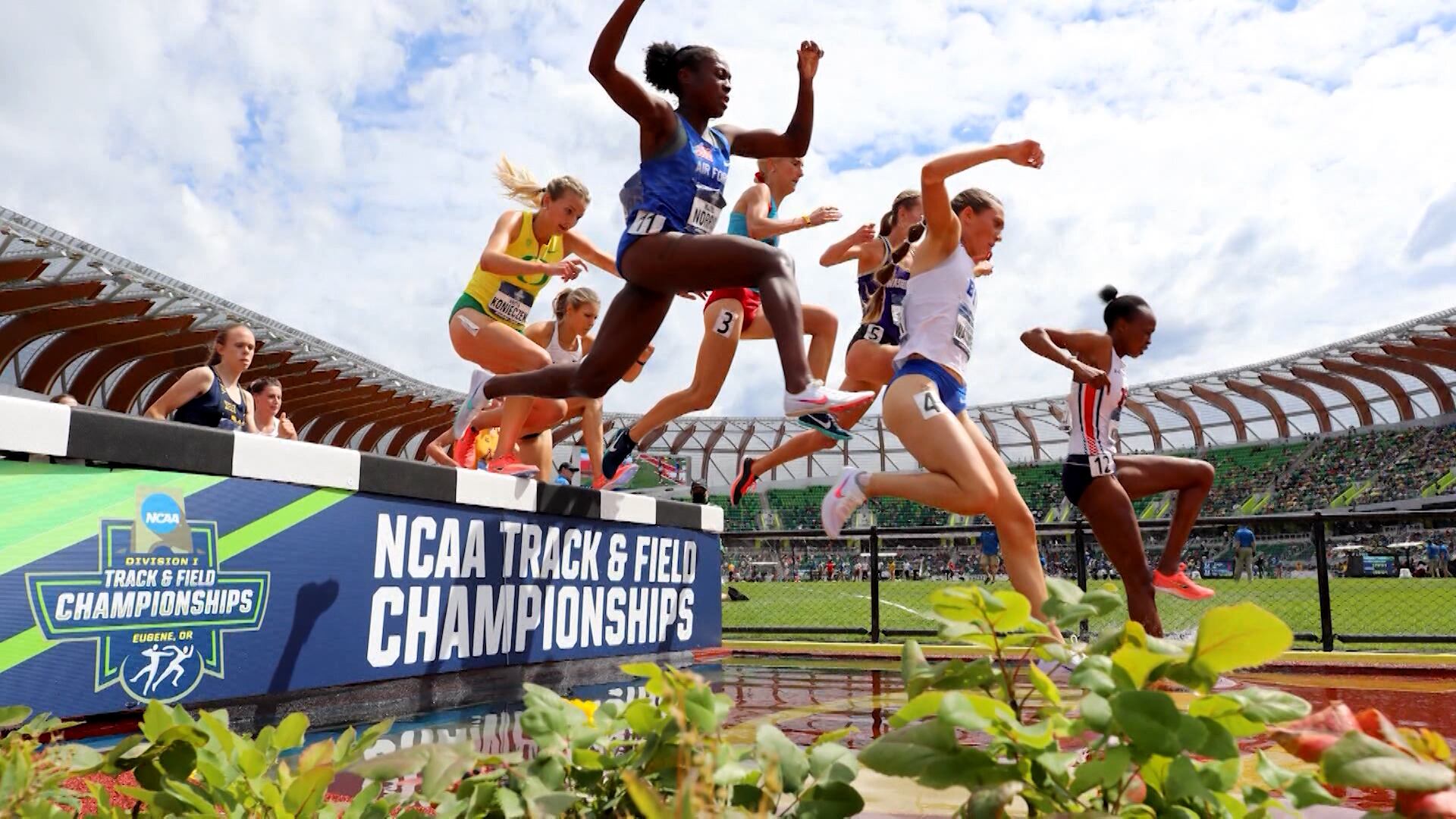
The NCAA has updated its policy on transgender athletes, allowing each sport’s national governing body to make its own decisions for transgender participation. The new rule is in line with recent changes from the U.S. and International Olympic and Paralympic Committees. Joanna Hoffman, communications director of Athlete Ally, joined Cheddar News to discuss the potential impact of the new rule on the transgender community.
"Saturday Night Live" alum Will Forte is hosting the late-night comedy show this weekend alongside musical guest, Måneskin. Forte, who spent a decade working on the iconic NBC show, is currently starring in "MacGruber," the SNL-sketch-turned-movie that is now streaming on Peacock as a tv series.
TikTok recently announced that it is testing a paid subscription model. The news comes days after Instagram publicized a similar service. TikTok has made $2.3 billion from in-app purchases, but mostly through tips, in 2021, showing that its users may be open to spending money on the platform.
The NCAA voted to streamline their constitution at their annual convention on Thursday. Each of the three college divisions can decide how student-athletes can make money from outside sources but still restricts schools from directly paying its players.