By Lisa Mascaro
With a robust vote after weeks of fits and starts, the Senate approved a $1 trillion infrastructure plan for states coast to coast on Tuesday, as a rare coalition of Democrats and Republicans joined together to overcome skeptics and deliver a cornerstone of President Joe Biden’s agenda.
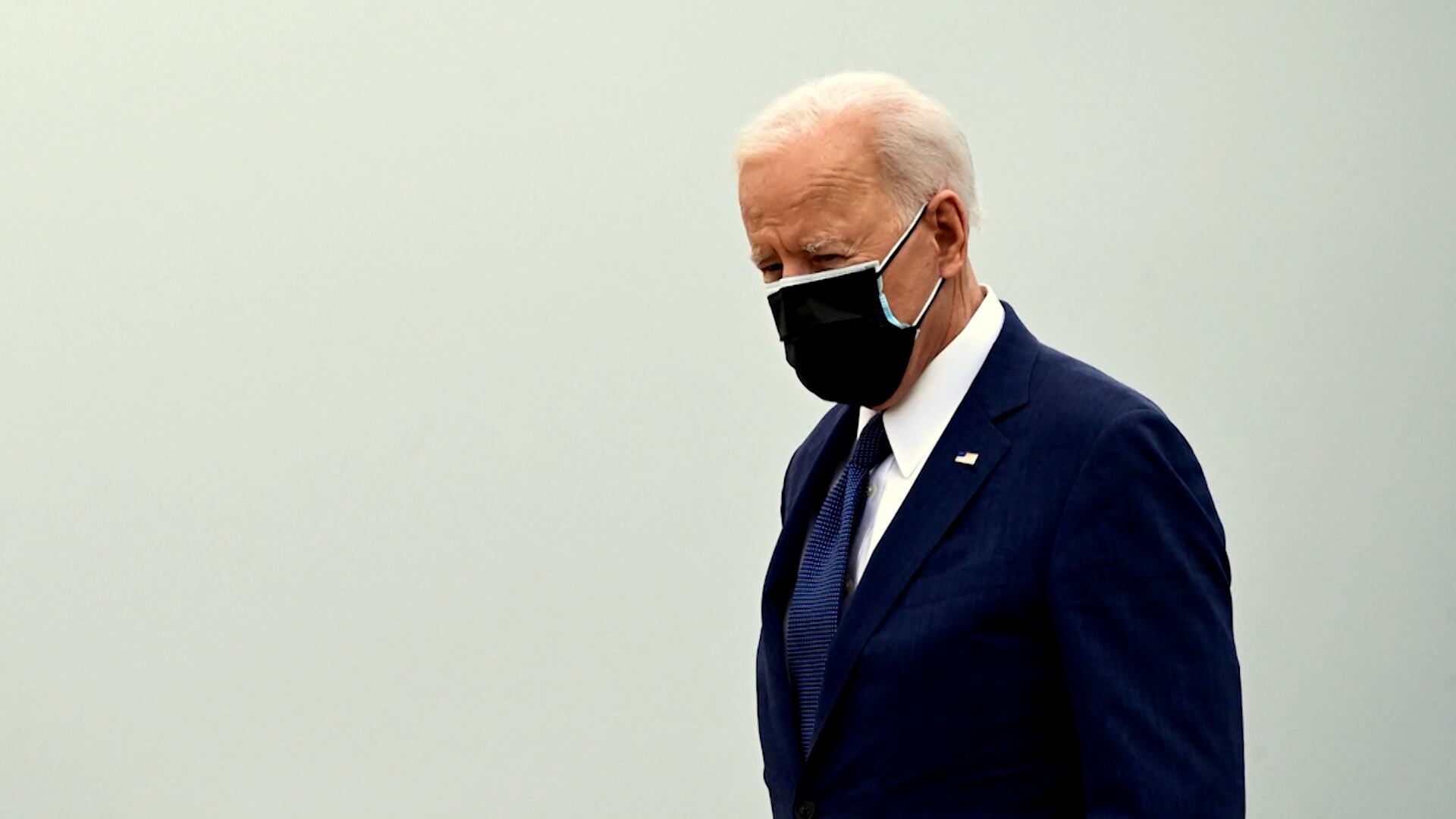
“Today, we proved that democracy can still work,” Biden declared at the White House, noting that the 69-30 vote included even Senate Republican leader Mitch McConnell.
“We can still come together to do big things, important things, for the American people,” Biden said.
The overwhelming tally provided fresh momentum for the first phase of Biden’s “Build Back Better” priorities, now heading to the House. A sizable number of lawmakers showed they were willing to set aside partisan pressures, at least for a moment, eager to send billions to their states for rebuilding roads, broadband internet, water pipes and the public works systems that underpin much of American life.
The vote also set the stage for a much more contentious fight over Biden's bigger $3.5 trillion package that is next up in the Senate — a more liberal undertaking of child care, elder care and other programs that is much more partisan and expected to draw only Democratic support. That debate is expected to extend into the fall.
With the Republicans lockstep against the next big package, many of them reached for the current compromise with the White House because they, too, wanted show they could deliver and the government could function.
“Today’s kind of a good news, bad news day,” said Alaska Sen. Lisa Murkowski of Alaska, one of the negotiators. “The good news is that today we really did something historic in the United States Senate; we moved out an infrastructure package, something that we have talked about doing for years.” The bad news, she said, is what’s coming next.
Infrastructure was once a mainstay of lawmaking, but the weeks-long slog to strike a compromise showed how hard it has become for Congress to tackle routine legislating, even on shared priorities.
Tuesday's Infrastructure Investment and Jobs Act started with a group of 10 senators who seized on Biden’s campaign promise to draft a scaled-down version of his initial $2.3 trillion proposal, one that could more broadly appeal to both parties in the narrowly divided Congress, especially the 50-50 Senate.
It swelled to a 2,700-page bill backed by the president and also business, labor and farm interests. Over time, it drew an expansive alliance of senators and a bipartisan group in the House.
In all, 19 Republicans joined all Democrats in voting for Senate passage. Vice President Kamala Harris, as presiding officer, announced the final tally.
While liberal lawmakers said the package doesn’t go far enough as a down-payment on Biden’s priorities and conservatives said it is too costly and should be more fully paid for, the coalition of centrist senators was able to hold. Even broadsides from former President Donald Trump could not bring the bill down.
The measure proposes nearly $550 billion in new spending over five years in addition to current federal authorizations for public works that will reach virtually every corner of the country — a potentially historic expenditure Biden has put on par with the building of the transcontinental railroad and Interstate highway system.
There’s money to rebuild roads and bridges, and also to shore up coastlines against climate change, protect public utility systems from cyberattacks and modernize the electric grid. Public transit gets a boost, as do airports and freight rail. Most lead drinking water pipes in America could be replaced.
Sen. Rob Portman of Ohio, the lead Republican negotiator, said the work “demonstrates to the American people that we can get our act together on a bipartisan basis to get something done.”
The top Democratic negotiator, Sen. Kyrsten Sinema, said rarely will a piece of legislation affect so many Americans. She gave a nod to the late fellow Arizona Sen. John McCain and said she was trying to follow his example to “reach bipartisan agreements that try to bring the country together.”
Drafted during the COVID-19 crisis, the bill would provide $65 billion for broadband, a provision Sen. Susan Collins, R-Maine, negotiated because she said the coronavirus pandemic showed that such service “is no longer a luxury; it is a necessity.” States will receive money to expand broadband and make it more affordable.
Despite the momentum, action slowed last weekend when Sen. Bill Hagerty, a Tennessee Republican allied with Trump, refused to speed up the process.
Trump had called his one-time Japan ambassador and cheered him on, but it’s unclear if the former president’s views still carry as much sway with most senators. Trump issued fresh complaints hours before Tuesday's vote. He had tried and failed to pass his own infrastructure bill during his time in the White House.
Other Republican senators objected to the size, scope and financing of the package, particularly concerned after the Congressional Budget Office said it would add $256 billion to deficits over the decade.
Rather than pressure his colleagues, Senate Republican leader McConnell of Kentucky stayed behind the scenes for much of the bipartisan work. He allowed the voting to proceed, and may benefit from enabling this package in a stroke of bipartisanship while trying to stop Biden’s next big effort.
Unlike the $3.5 trillion second package, which would be paid for by higher tax rates for corporations and the wealthy, the bipartisan measure is to be funded by repurposing other money, including some COVID-19 aid.
The bill’s backers argue that the budget office’s analysis was unable to take into account certain revenue streams that will help offset its costs — including from future economic growth.
Senators have spent the past week processing nearly two dozen amendments, but none substantially changed the framework.
The House is expected to consider both Biden infrastructure packages together, but centrist lawmakers urged Speaker Nancy Pelosi to bring the bipartisan plan forward quickly, and they raised concerns about the bigger bill in a sign of the complicated politics still ahead.
After the Senate vote, she declared, “Today is a day of progress ... a once in a century opportunity.”
Updated on August 10, 2021, at 5:23 p.m. ET with the latest details.