By Ralph D. Russo
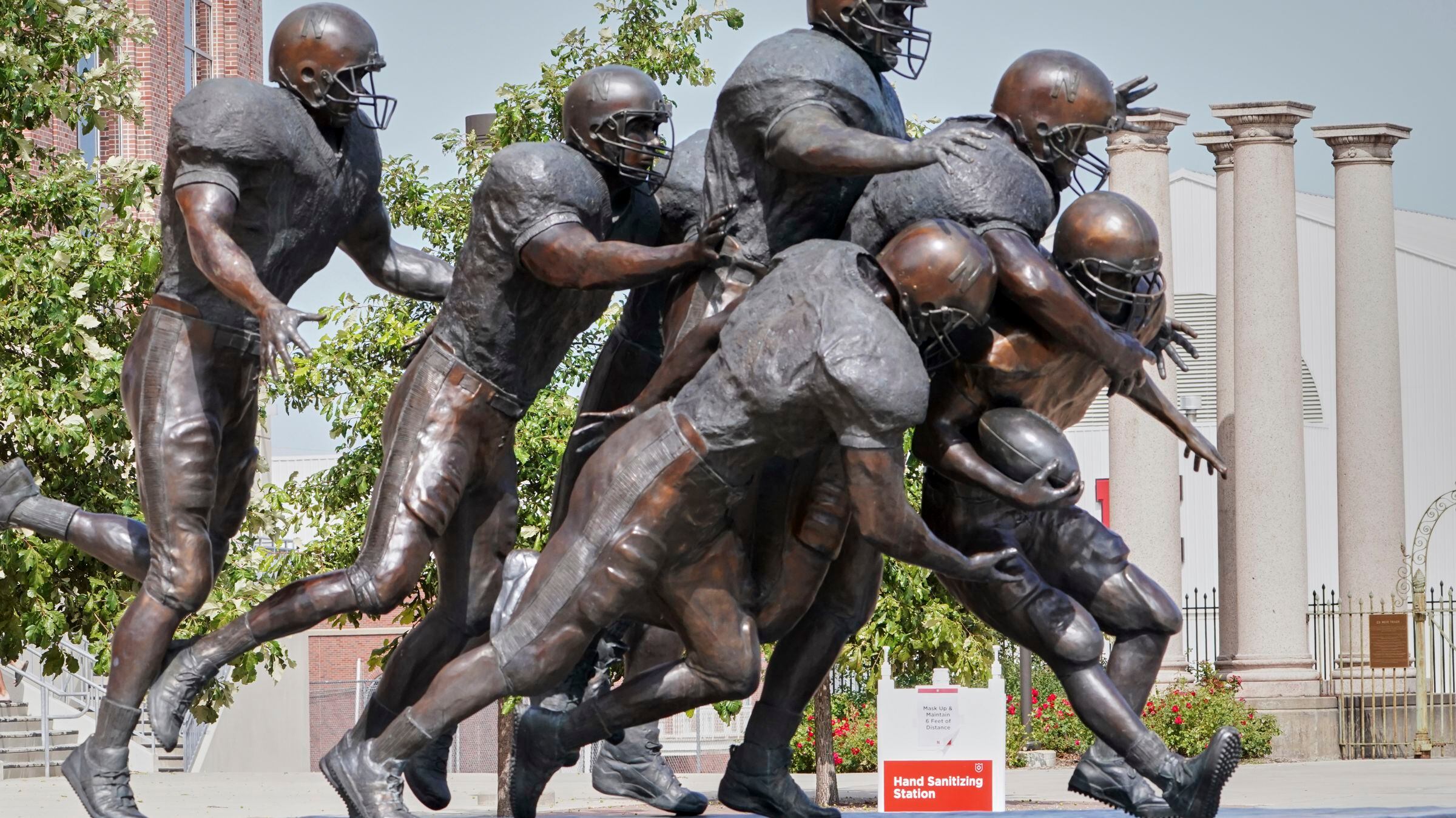
Big Ten is going to give fall football a shot after all.
Less than five weeks after pushing football and other fall sports to spring in the name of player safety during the pandemic, the conference changed course Wednesday and said it plans to begin its season the weekend of Oct. 23-24.
Each team will play eight games in eight weeks and the conference championship game will be held Dec. 19 — if all goes well. That should give the Big Ten an opportunity to compete for the national championship.
The Big Ten said its Council of Presidents and Chancellors voted unanimously Tuesday to restart sports. The vote last month was 11-3 to postpone, with Ohio State, Iowa, and Nebraska voting against.
The decision to play came after sharp pressure from coaches, players, parents, and even President Donald Trump, all of them pushing for a Big Ten football season. The conference is home to a number of battleground states in the November election, and Trump swiftly applauded the move in a tweet.
The emergence of daily rapid-response COVID-19 testing, not available when university presidents and chancellors decided to pull the plug on the season, helped trigger a re-vote. The Big Ten said it will begin daily antigen testing of its athletes, coaches, and staff on Sept. 30.
Team positivity rates and population positivity rate thresholds will be used to determine whether teams must halt practice or play. The earliest an athlete will be able to return to game competition would be 21 days following a COVID-19 positive diagnosis.
"Everyone associated with the Big Ten should be very proud of the groundbreaking steps that are now being taken to better protect the health and safety of the student-athletes and surrounding communities," said Dr. Jim Borchers, team physician for Ohio State.
The Big Ten will take a bow, but the conference has been battered for a month.
First-year Commissioner Kevin Warren was the main target, criticized for a lack of communication within the conference, and not providing enough information to back the initial decision.
The Big Ten postponed Aug. 11, indicating it would try to make up the season in the spring. But there was no plan in place.
The Pac-12 followed the Big Ten in postponing, but was far more detailed in its explanation and also had more obvious hurdles to clear. Half the Pac-12 schools are still operating under statewide restrictions that make it impossible for teams to practice.
Meanwhile, as the Big Ten and Pac-12 bailed, the three other Power Five conferences forged ahead, along with three other major college football leagues. Games have started, with the Big 12 and Atlantic Coast Conference kicking off last week. The Southeastern Conference is scheduled to start playing games on Sept. 26.
Meanwhile, the Big Ten was on the sideline, with coaches struggling to explain to players why other teams could play but they could not.
"We're excited and we can't wait to get started," Michigan State linebacker Antjuan Simmons said.
In Nebraska, eight players had filed a lawsuit against the Big Ten over its decision to postpone. Glen Snodgrass, the father of one of the players, Garrett Snodgrass, was teaching a class at York (Nebraska) High School when he received word of the reversal.
"This is what a lot of people have been fighting pretty hard for," he said. "I can't say enough about those eight boys and what they had the courage to do. They worked their entire lives to get where they are, and they just wanted to play."
Nebraska was at the forefront in opposing the Big Ten's original decision. The university had put out a joint statement from the school president, athletic director and coach Scott Frost expressing disappointment. Frost had also suggested Nebraska might look outside the Big Ten to play games.
—-
AP Sports Writers Larry Lage and Eric Olson contributed.