After a year of unprecedented government spending amid the coronavirus pandemic, how revenue will be collected to pursue future aid and to keep running the United States is under scrutiny. Republican incumbent Donald Trump and Democratic challenger Joe Biden have significantly disparate views on tax collection in their platforms for the presidency.
Top Earners
Largely, the president would like to keep in place his 2017 income tax cuts (set to expire in 2025) that provided a reduction on the top marginal rate from 40 to 37 percent for the wealthiest earners.
Biden plans to return the rate back to near 40 percent and eliminate the $10,000 cap on state and local deductions that had the effect of raising taxes on households in high-tax states such as New York and California.
Middle-Income Earners
Both candidates say they want to cut taxes on households in the middle brackets. President Trump made a proposal prior to COVID-19 that would have lowered the 22 percent tax bracket down to 15 percent.
Meanwhile, Biden offers more incentivized tax breaks to encourage retirement savings, child care spending, and first-time home buying.
Corporate Taxes
Trump is sticking to the reduction made by his 2017 tax law that lowered corporate taxes to 21 percent from 35 percent.
Challenger Joe Biden would like that rate to be bumped up to 28 percent.
Both men offer plans to create tax incentives for domestic manufacturing.
Capital Gains
The 2020 presidential candidates differ particularly in taxing profits on stocks. President Trump would like to drop the top current rate from 20 percent to 15 percent and has even considered a temporary capital gains tax holiday.
Former Vice President Biden, however, plans to change existing rules in order to tax profits as ordinary income, which could potentially lead to a 40 percent tax on top earners on profits of more than $1 million.
The Supreme Court will reconsider race-based affirmative action in college admissions. The court will examine admissions policies at Harvard University and The University of North Carolina Chapel Hill, which count the race of applicants as a factor in admissions. The court has upheld affirmative action policies in the past, saying it helps to create more diverse student bodies. However, the conservative Supreme Court could be skeptical and even possibly hostile to such policies. Nick Anderson, Higher Education Writer, Washington Post joined Cheddar's Opening Bell to discuss.
Stephanie Akin, Politics Reporter for CQ Roll Call, breaks down
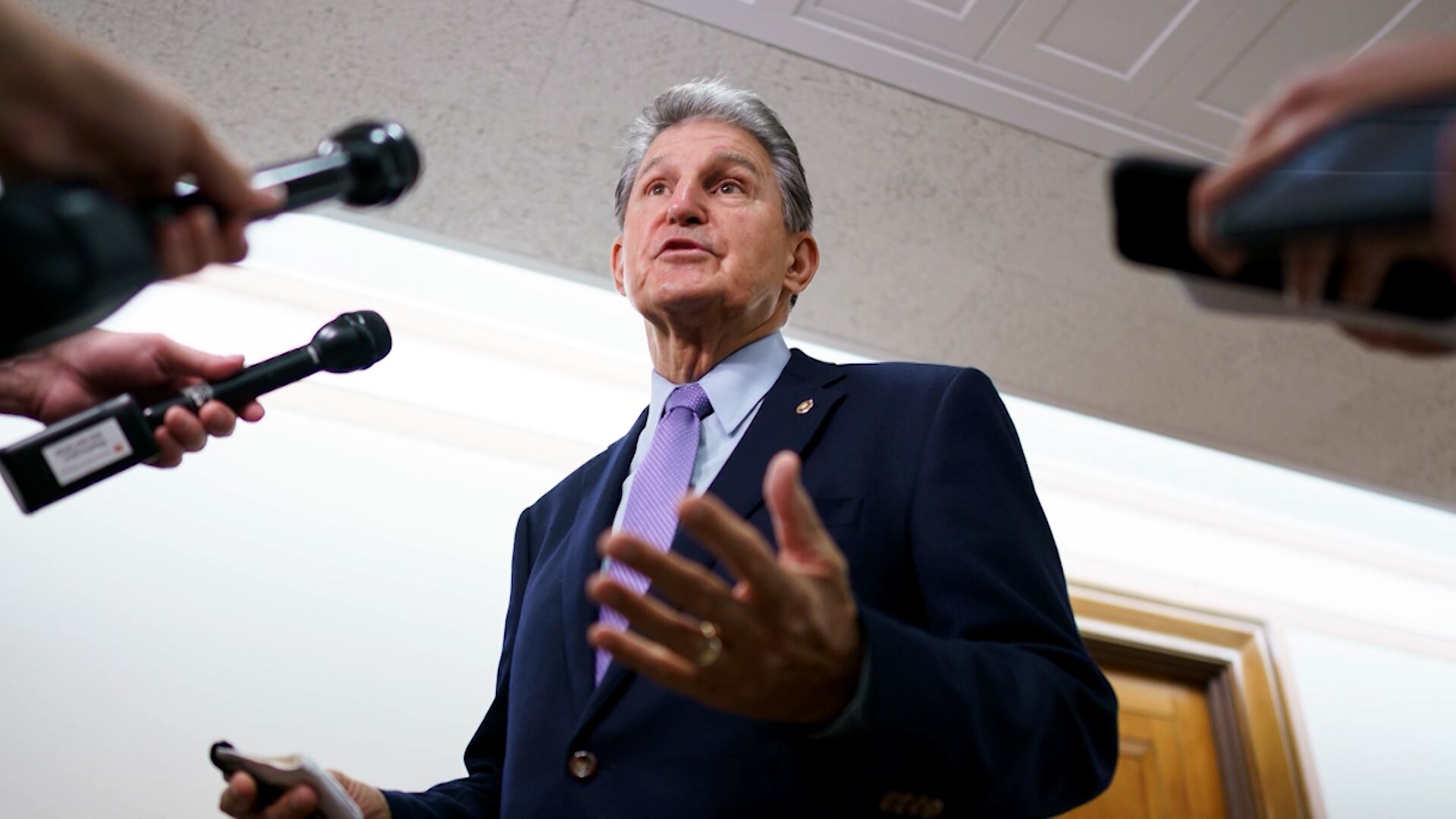
Senator Manchin's donation pool, and highlights what this support means for the conservative Democrat as well as the Republican party.
The global oil benchmark surpassed $90 for the first time in more than seven years. This comes as growing tensions between Russia and Ukraine add to concerns about the already-tight market. Jay Hatfield, Chief Investment Officer at ICAP, joined Cheddar to discuss what this benchmark means for the oil industry, and what might happen if Russia does invade its neighbor.
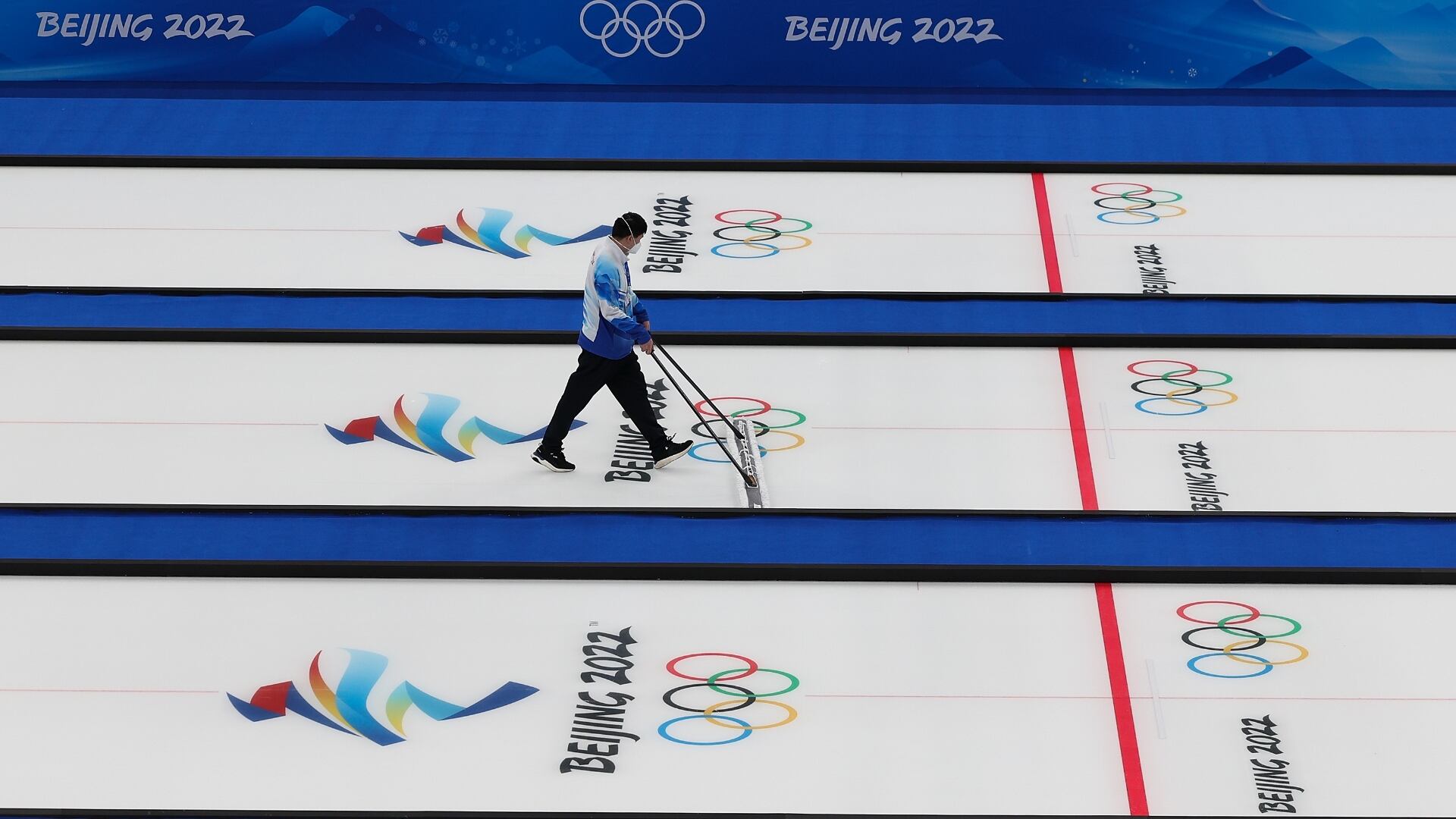
With the Beijing Winter Olympics set to get underway on Friday, Dan Wolken, a national columnist for USA Today, joined Cheddar News to break down the big storylines as the pandemic and international conflicts threaten to cast a cloud over the event that is aspirationally seen as a beacon of international cooperation. Wolken noted specific issues over cybersecurity for visiting athletes and disputes over human rights leading to a diplomatic boycott have been making waves even before the opening ceremony. "So you've got sort of these barbs going back and forth already between the Americans and the Chinese, and things haven't even started yet," he said. "We don't even know what's going to happen once the games start and people actually start winning medals."
We are a week away from the 2022 Beijing Olympics, and China has already faced a host of problems leading up to the opening ceremony of the Beijing games. DJ Peterson, president of Longview Global Advisors, joins Cheddar News to discuss the many concerns and controversies surrounding the event.
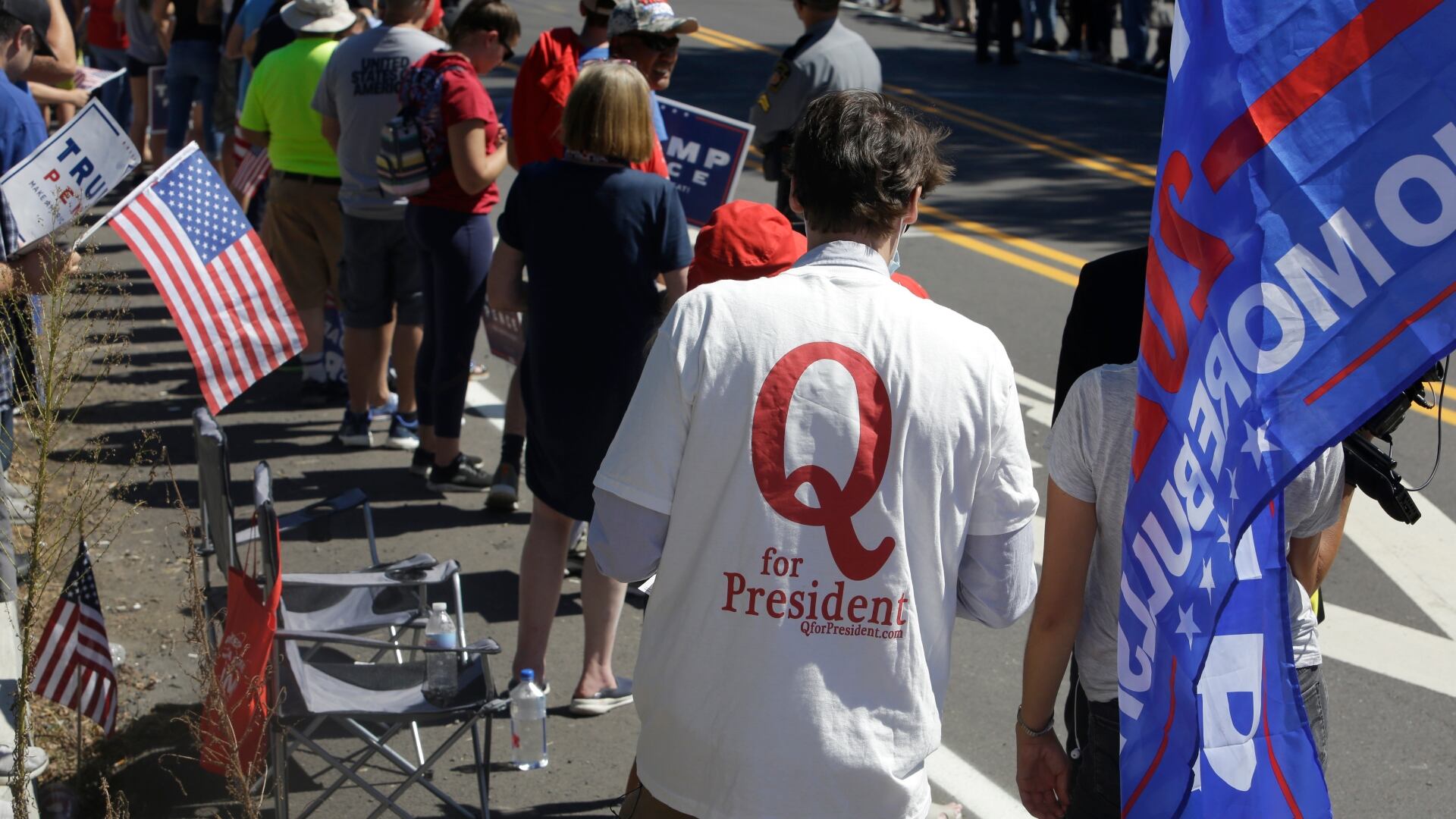
In 2021, QAnon, the community which traffics in conspiracy theories saw a rapid growth in its numbers. As a result of vaccine rollouts, a number of conspiracies surrounding them also began to circulate which then led to the rise of "Anti-Vaxxers". As a result, the QAnon and anti-vax communities have become increasingly intertwined and the results could be costing lives. Senior Researcher at Media Matters Alex Kaplan, joined Cheddar to discuss more.
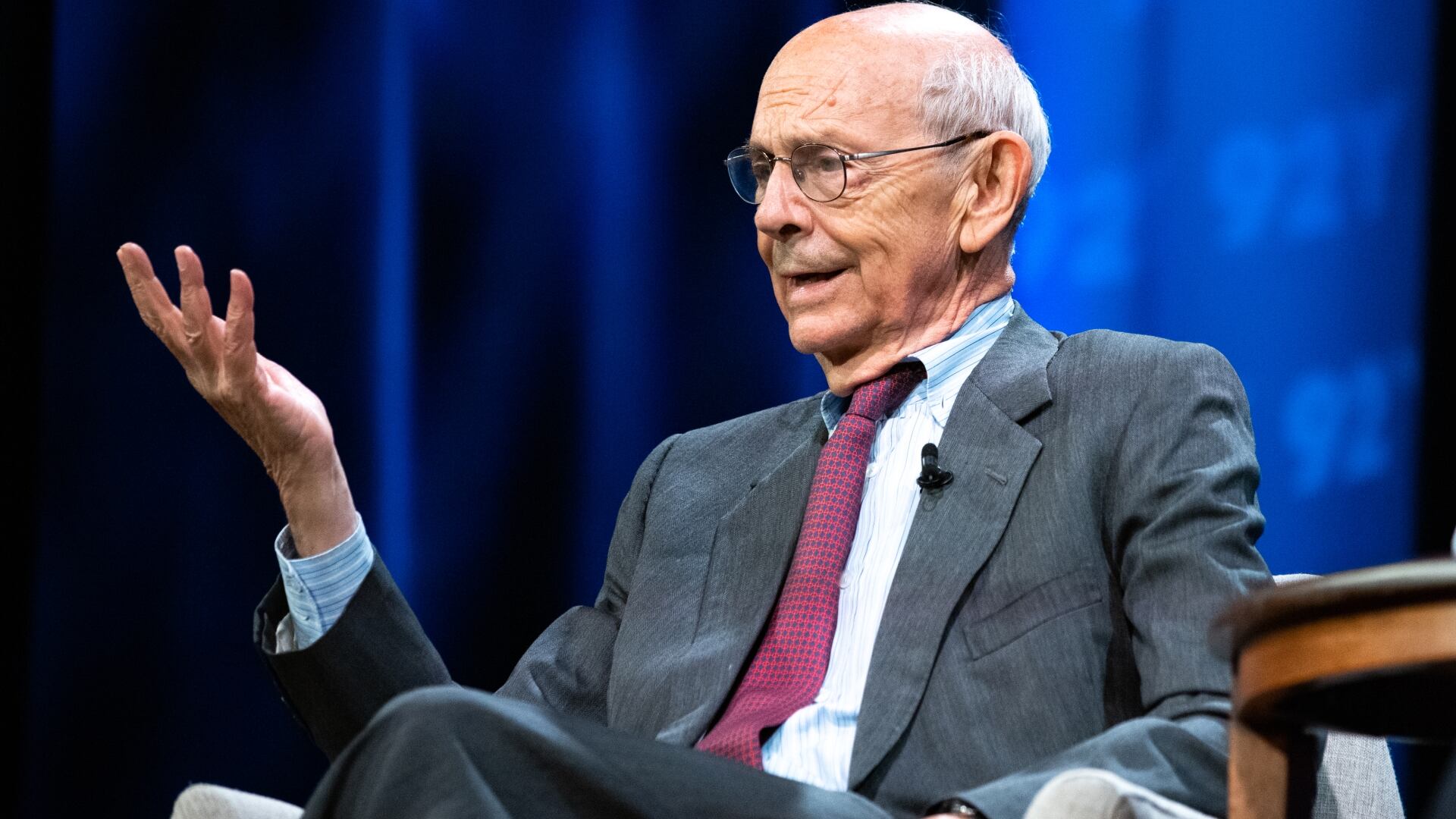
Supreme Court Justice Breyer has announced that he will officially retire from his post. He has served as the senior member of the more liberal wing in recent years. Now his retirement puts pressure on President Biden to decide on who will replace Breyer. Attorney and Media Editor at SCOTUS blog Katie Barlow, joined Cheddar to discuss more.
A long awaited report in the UK looking into the alleged parties held at 10 Downing Street during lockdown finds a culture of excessive drinking and a "failure of leadership" in Boris Johnson's government. Cheddar News speaks with international journalist Thomas Cole, who is closely monitoring latest developments.