After a year of unprecedented government spending amid the coronavirus pandemic, how revenue will be collected to pursue future aid and to keep running the United States is under scrutiny. Republican incumbent Donald Trump and Democratic challenger Joe Biden have significantly disparate views on tax collection in their platforms for the presidency.
Top Earners
Largely, the president would like to keep in place his 2017 income tax cuts (set to expire in 2025) that provided a reduction on the top marginal rate from 40 to 37 percent for the wealthiest earners.
Biden plans to return the rate back to near 40 percent and eliminate the $10,000 cap on state and local deductions that had the effect of raising taxes on households in high-tax states such as New York and California.
Middle-Income Earners
Both candidates say they want to cut taxes on households in the middle brackets. President Trump made a proposal prior to COVID-19 that would have lowered the 22 percent tax bracket down to 15 percent.
Meanwhile, Biden offers more incentivized tax breaks to encourage retirement savings, child care spending, and first-time home buying.
Corporate Taxes
Trump is sticking to the reduction made by his 2017 tax law that lowered corporate taxes to 21 percent from 35 percent.
Challenger Joe Biden would like that rate to be bumped up to 28 percent.
Both men offer plans to create tax incentives for domestic manufacturing.
Capital Gains
The 2020 presidential candidates differ particularly in taxing profits on stocks. President Trump would like to drop the top current rate from 20 percent to 15 percent and has even considered a temporary capital gains tax holiday.
Former Vice President Biden, however, plans to change existing rules in order to tax profits as ordinary income, which could potentially lead to a 40 percent tax on top earners on profits of more than $1 million.
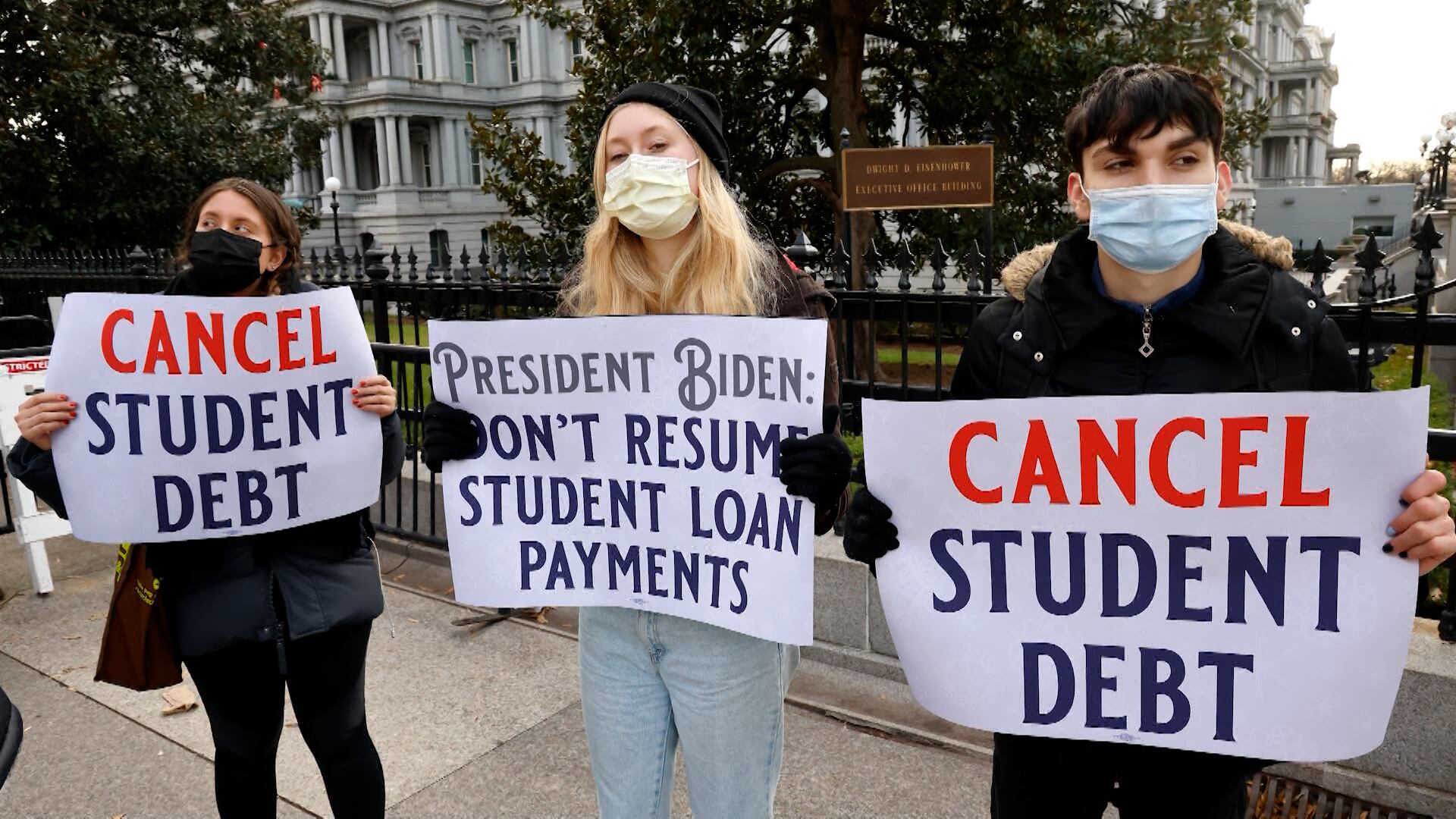
Student loan debt continues to be a major concern for tens of millions of Americans who collectively owe about $1.7 trillion. Black college students often take on larger amounts of student debt in order to pay for a higher education. In turn, they are more likely to struggle post-graduation with repaying their debt, creating a racial wealth gap divide. Andre Perry, senior fellow at Brookings Institution joined All Hands to help break down the black student debt crisis.
After two NYPD officers were killed with an illegal gun, President Biden made a trip to New York City to speak on the issue of gun violence fed by the "iron pipeline" of illegal firearms that make their way from the South to the Big Apple. Kris Brown, the president of the gun violence prevention organization Brady United, joined Cheddar to discuss what this visit from the president could mean for the future of gun laws in America. "He's asked Congress to pass things like expanding the Brady background check system, but with the filibuster a barrier to so much action right now in the Congress, he's looking at solutions that involve funding at the federal level and really involve enforcement."
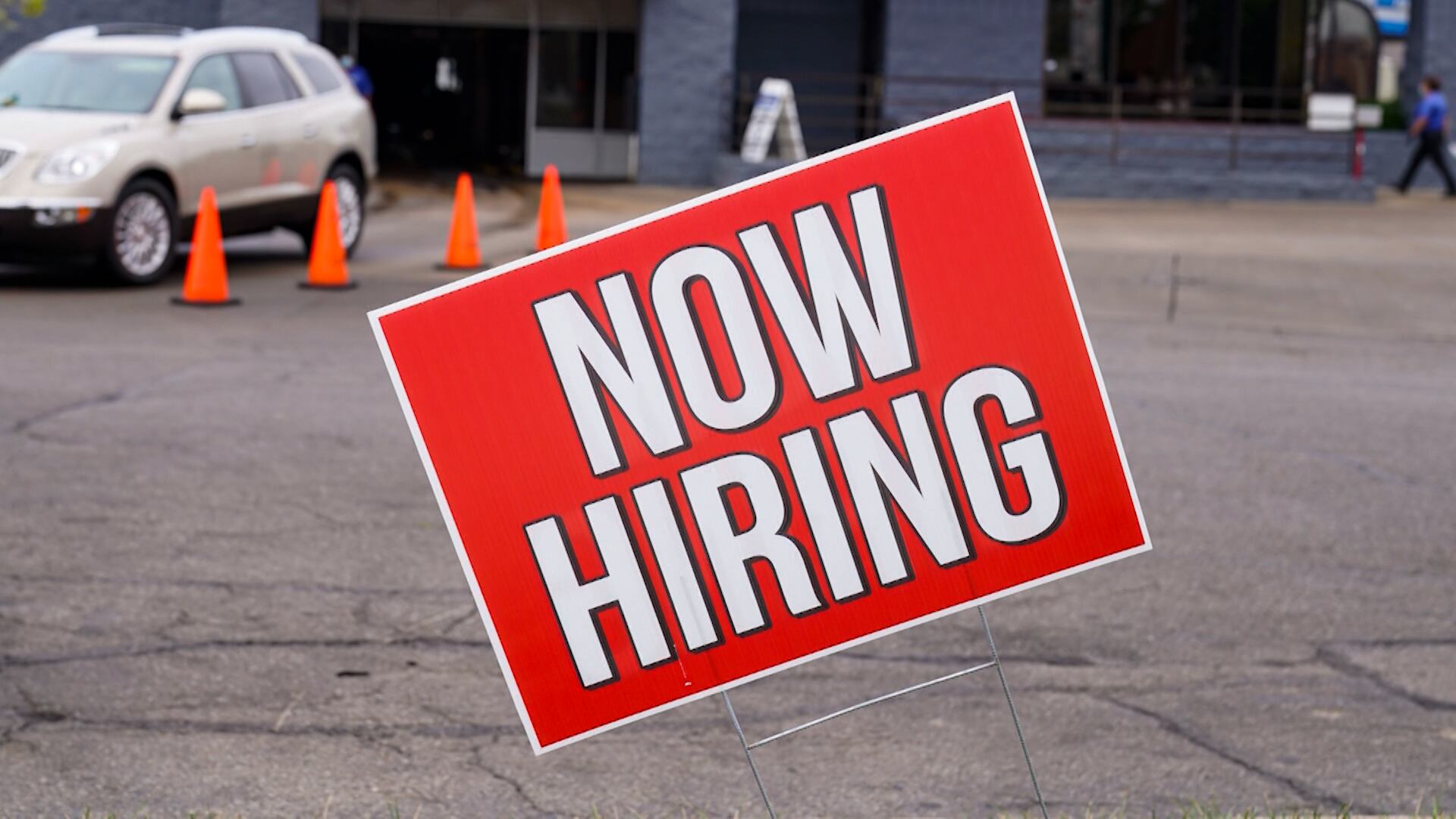
Following the surprising big beat on estimates for the January jobs report, William M. Rodgers III, vice president and director of the Institute for Economic Equity at the Federal Reserve Bank of St. Louis, joined Cheddar News to break down the data. “We ended 2021 with a strong crescendo to a recovery that had taken hold, and we started 2022 in good fashion." He also discussed the dueling pressures of wage growth and inflation.
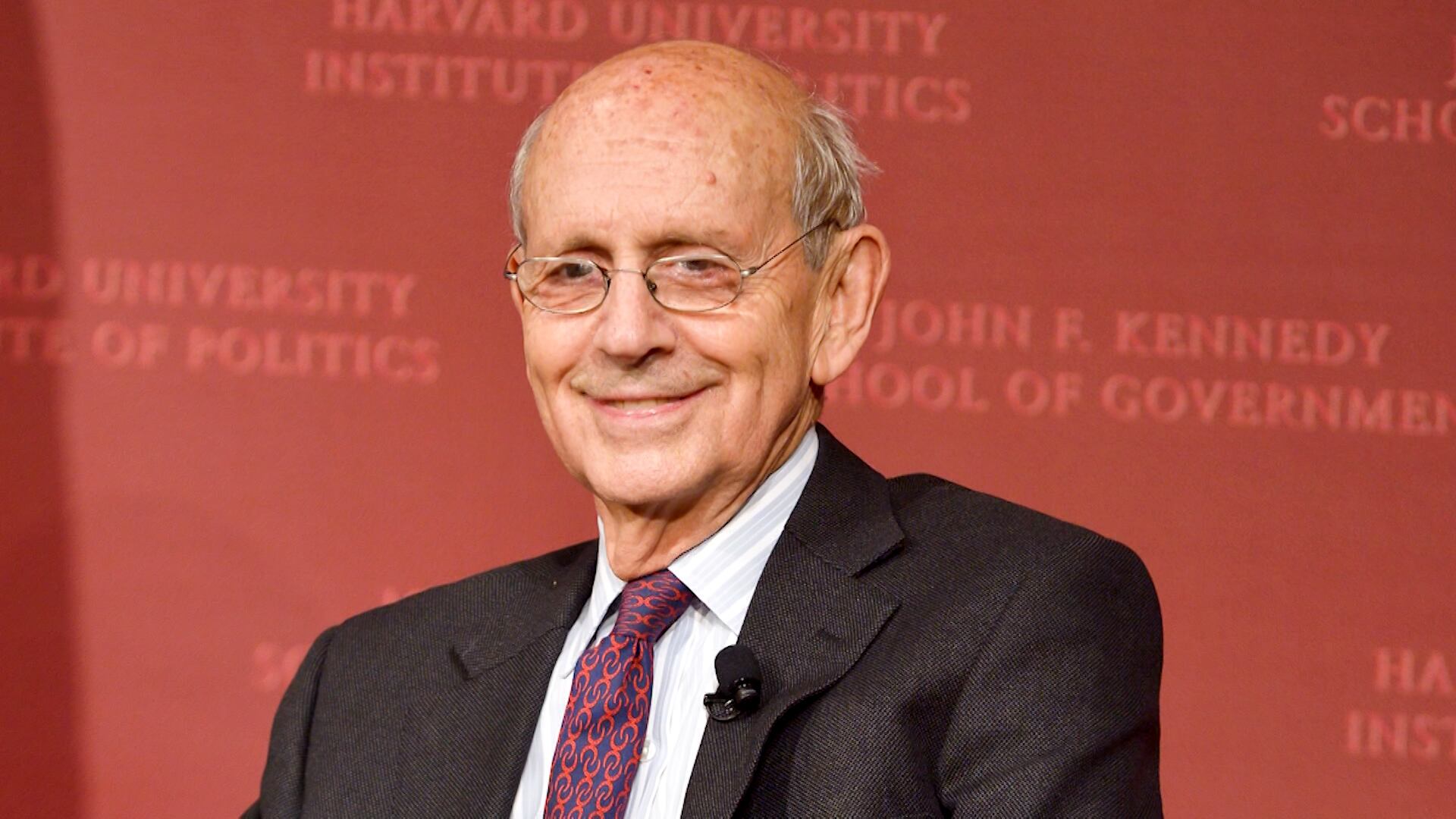
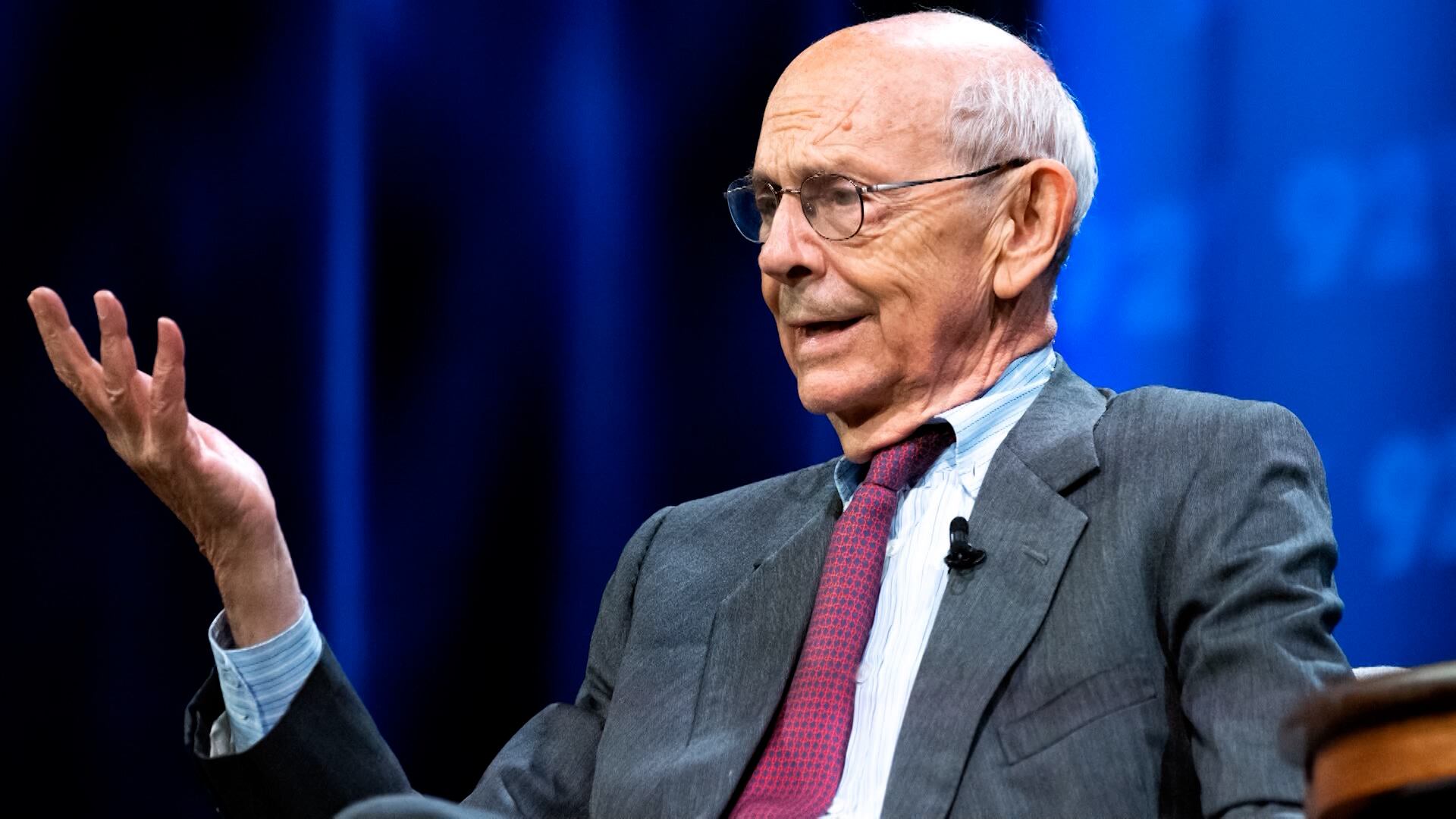
Jessica Mason Pieklo, senior vice president and executive editor of the Rewired News Group and co-host of the podcast. "Boom! Lawyered," joins Cheddar Politics to discuss Justice Stephen Breyer's retirement, legacy and potential replacement on the Supreme Court.
The Biden administration delivered a temporary win for student loan borrowers this year by extending the moratorium on federal payments for a few more months. That moratorium is coming to an end on May 1st and borrowers will again have their monthly loan payment plopped in their lap.
Stephanie Vanderslice, a creative writing professor paying off debt through the Parent Plus program, and Mike Pierce, executive director of the Student Borrower Protection Center, join Cheddar Politics to discuss.
2022 was already going to be a big year for the Supreme Court. We have decisions on major issues like abortion and gun rights on the way. Then, Justice Stephen Breyer announced his retirement and that set up a major confirmation fight for later this year. Amy Howe, co-founder of SCOTUSblog, joins Cheddar Politics to discuss.
The Labor Department released a better-than-expected report of 467,000 jobs added in January. Heather Boushey, Council of Economic Advisers Member for President Biden, joined Cheddar to tout the administration's handling of the economy amid the pandemic and the upward revisions for the previous month. "It also shows that, because of the revisions, the economy was stronger over the past couple of months," she said. "I don't think that this can be said enough, but economic forecasting during an historic pandemic is extremely difficult." Boushey also addressed issues involving wage growth versus the rapid rise of inflation.
The Labor Department's January jobs report showed 467,000 jobs were added, compared to the 150,000 that were projected, a sign that employment is continuign to return to pre-pandemic levels. Lindsey Piegza, chief economist at investment bank Stifel, joined Cheddar to break down the report, noting the big gains but adding a note of caution. "Remember, even with this morning's stellar report, we're still millions below that level that we had reached prior to the onset of COVID-19," she said." Yes, we are recapturing jobs. We still have further ground that needs to be made before we can talk about reaching that previous peak." Piegza also discussed the role of the Federal Reserve going forward as the employment figures turn more positive.