After a year of unprecedented government spending amid the coronavirus pandemic, how revenue will be collected to pursue future aid and to keep running the United States is under scrutiny. Republican incumbent Donald Trump and Democratic challenger Joe Biden have significantly disparate views on tax collection in their platforms for the presidency.
Top Earners
Largely, the president would like to keep in place his 2017 income tax cuts (set to expire in 2025) that provided a reduction on the top marginal rate from 40 to 37 percent for the wealthiest earners.
Biden plans to return the rate back to near 40 percent and eliminate the $10,000 cap on state and local deductions that had the effect of raising taxes on households in high-tax states such as New York and California.
Middle-Income Earners
Both candidates say they want to cut taxes on households in the middle brackets. President Trump made a proposal prior to COVID-19 that would have lowered the 22 percent tax bracket down to 15 percent.
Meanwhile, Biden offers more incentivized tax breaks to encourage retirement savings, child care spending, and first-time home buying.
Corporate Taxes
Trump is sticking to the reduction made by his 2017 tax law that lowered corporate taxes to 21 percent from 35 percent.
Challenger Joe Biden would like that rate to be bumped up to 28 percent.
Both men offer plans to create tax incentives for domestic manufacturing.
Capital Gains
The 2020 presidential candidates differ particularly in taxing profits on stocks. President Trump would like to drop the top current rate from 20 percent to 15 percent and has even considered a temporary capital gains tax holiday.
Former Vice President Biden, however, plans to change existing rules in order to tax profits as ordinary income, which could potentially lead to a 40 percent tax on top earners on profits of more than $1 million.
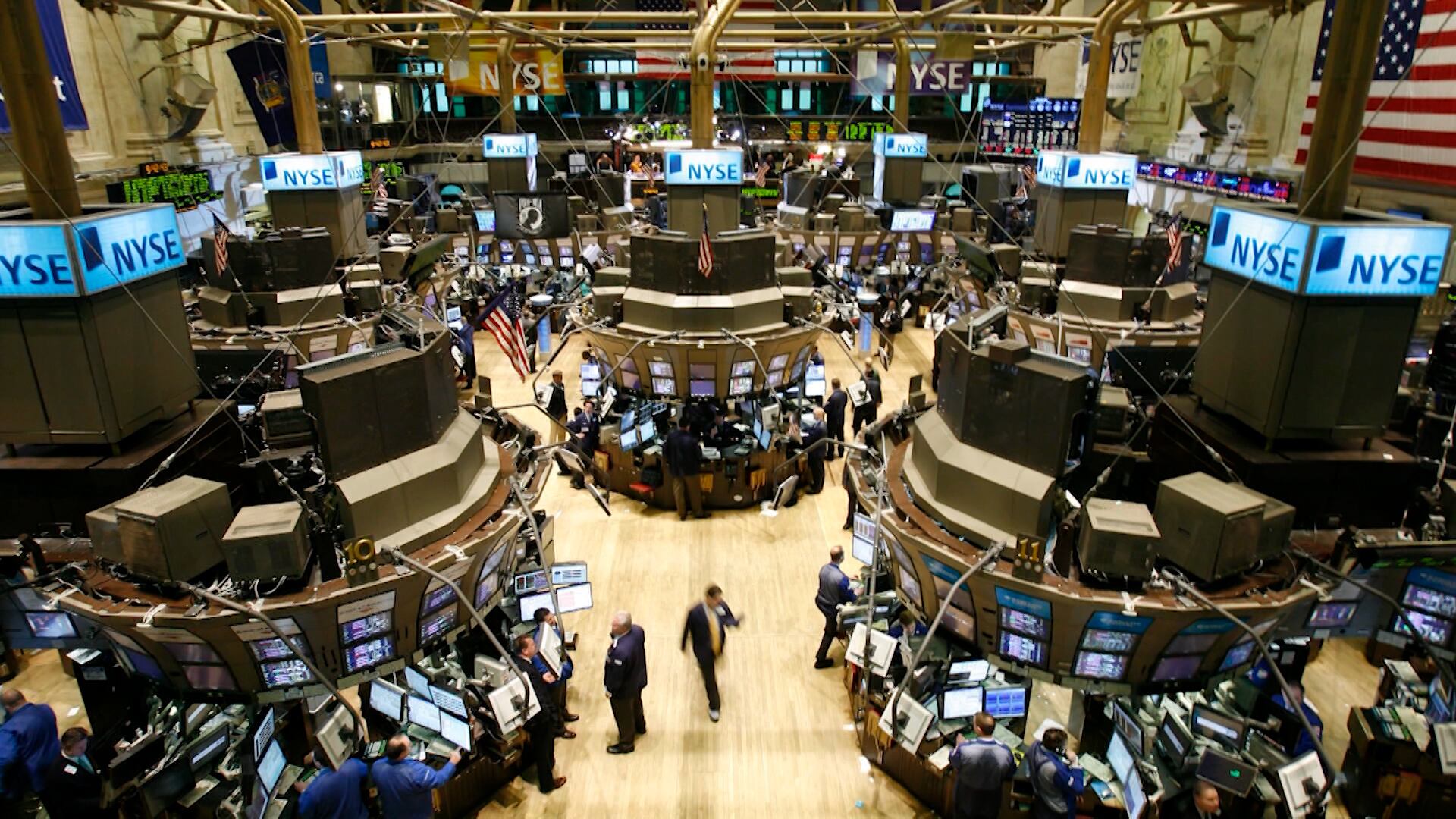
U.S. stocks closed Friday at session lows after May CPI data showed inflation in the U.S. has not peaked and is still rising rapidly. For the week, the S&P fell 5.06%, the Dow lost 4.58%, and the Nasdaq dropped 5.60%, marking the worst week since January for all three major indexes. Mike Zigmont, Head of Trading and Research at Harvest Volatility Management, joins Cheddar News' Closing Bell to discuss.
Benefits brokerage, Nava Benefits, raised $40 million in a Series B round. Nava says it's on a mission to fix healthcare, one benefits plan at a time. The startup is working to bring benefits to small business that are normally available to only Fortune 500 companies. Brandon Weber, Co-Founder and CEO of Nava Benefits, joined Cheddar News' Closing Bell to discuss.
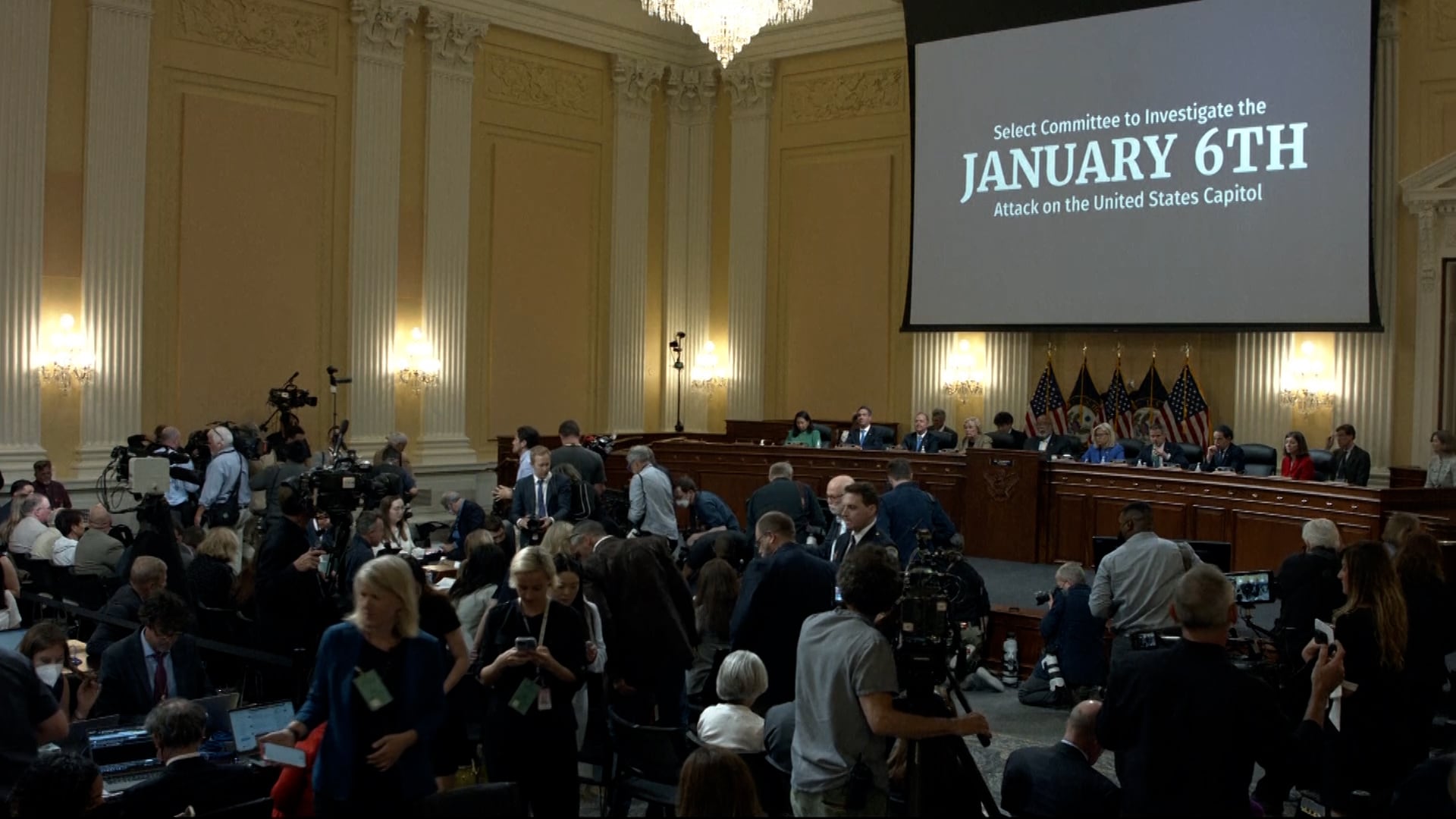
The House Select Committee investigating the Jan. 6 riots on Capitol Hill held its first primetime hearing on Thursday. Cheddar News speaks with legal analyst Tracy Pearson, who breaks down the biggest takeaways.
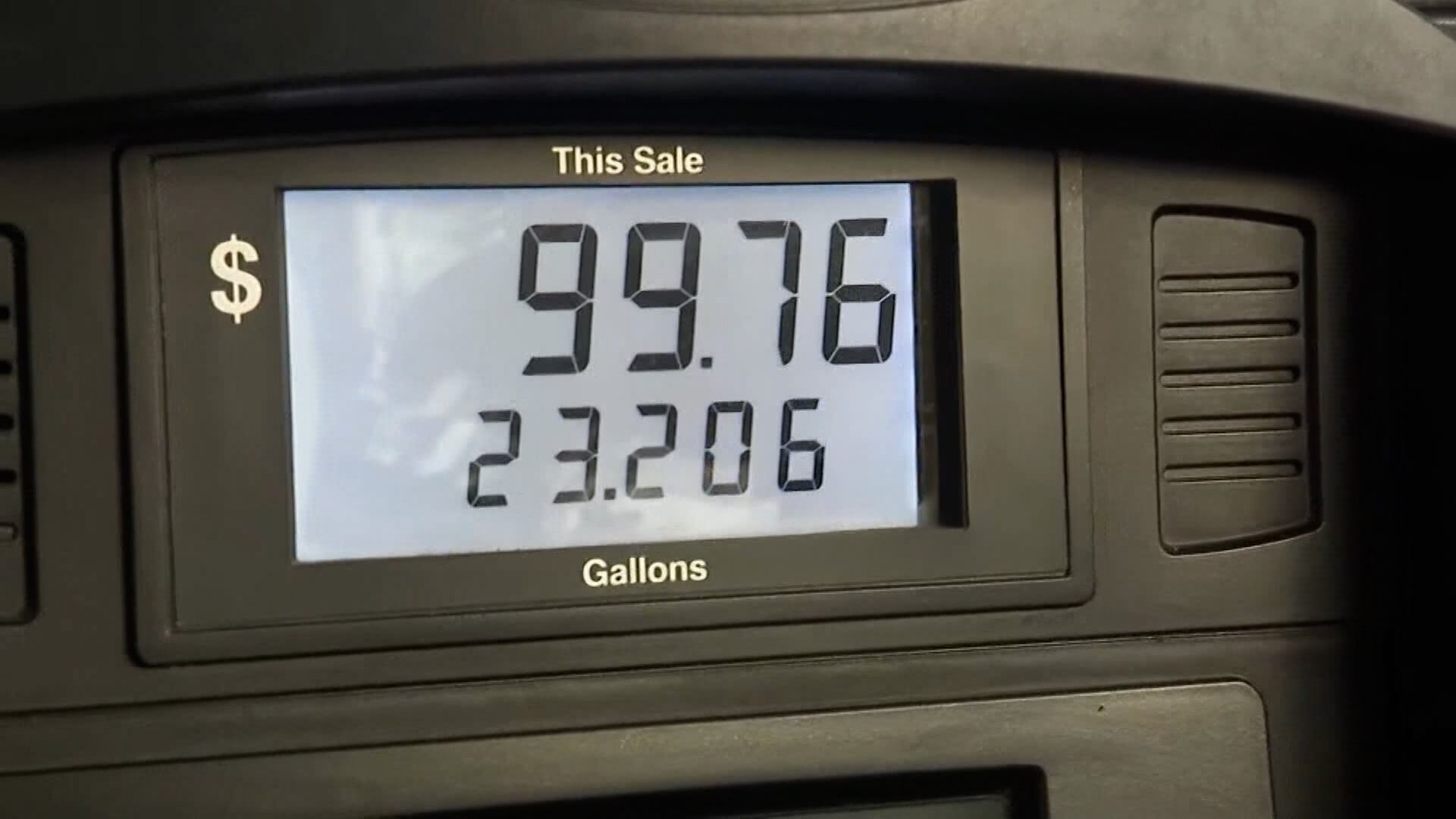
Fuel and oil prices have risen almost 17 percent since May, making the national gas prices reach nearly $5 a gallon. Andrew Lipow from consulting firm Lipow Oil Associates joined Cheddar News to discuss the future of gas prices. "The biggest issue on the oil market is really events that are beyond our control, which is what is happening over in Europe," he said, regarding the ongoing Russia Ukraine war. Lipow also said he predicted gas prices to hit $5.05 and that he's focused on the Biden administration's overtures in repairing a relationship with Saudi Arabia.
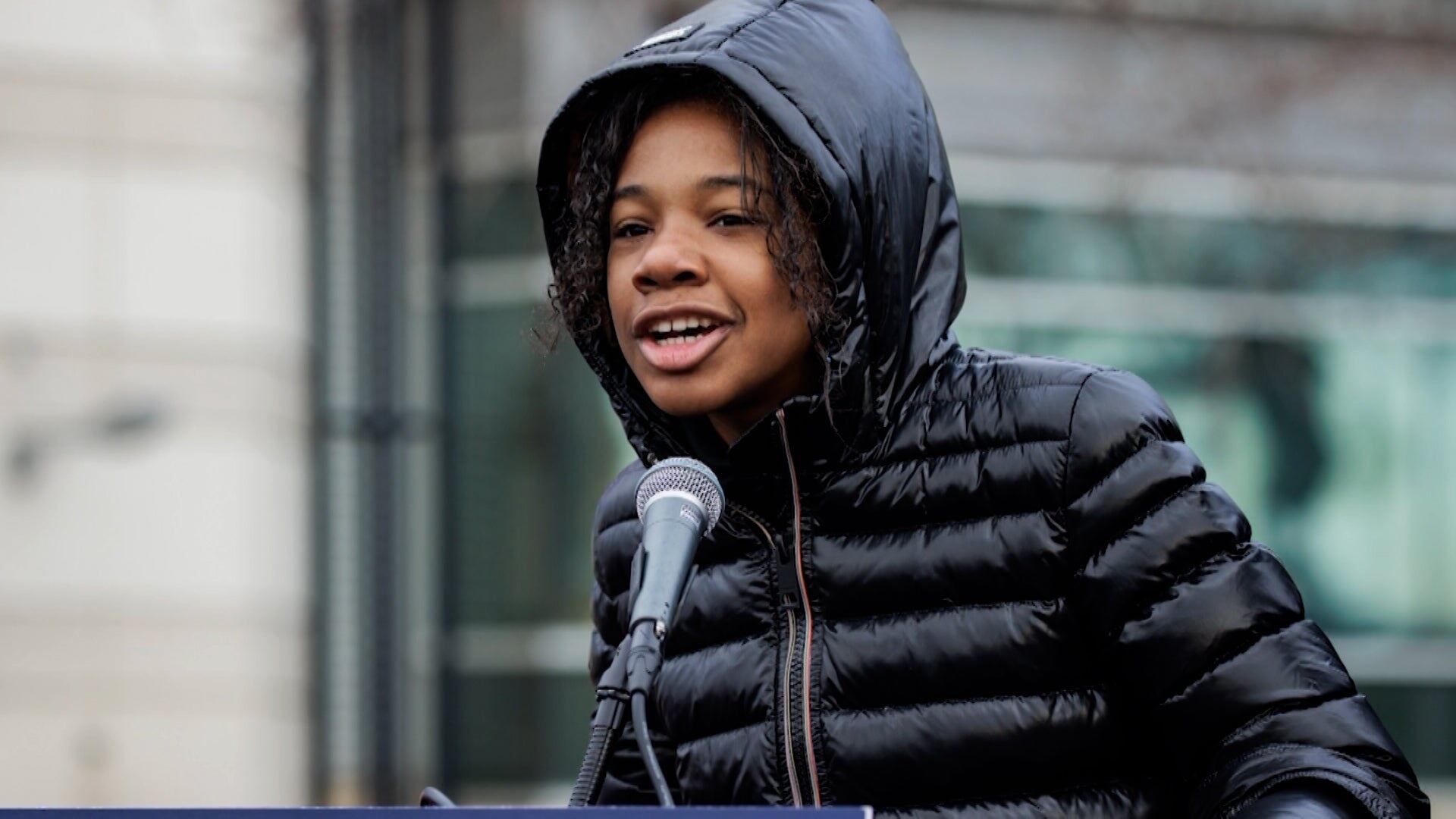
March For Our Lives will be returning this weekend to Washington, DC, in the wake of the recent mass shooting seen throughout the country. Marchers include Yolanda Renee King, the only granddaughter of Martin Luther King Jr. She joined Cheddar News to discuss the importance of the march and activism in general. "I just think that it's so important to have these rallies because we need to demand to our leaders and politicians that they pass legislation and that and we actually need to see action," she said.
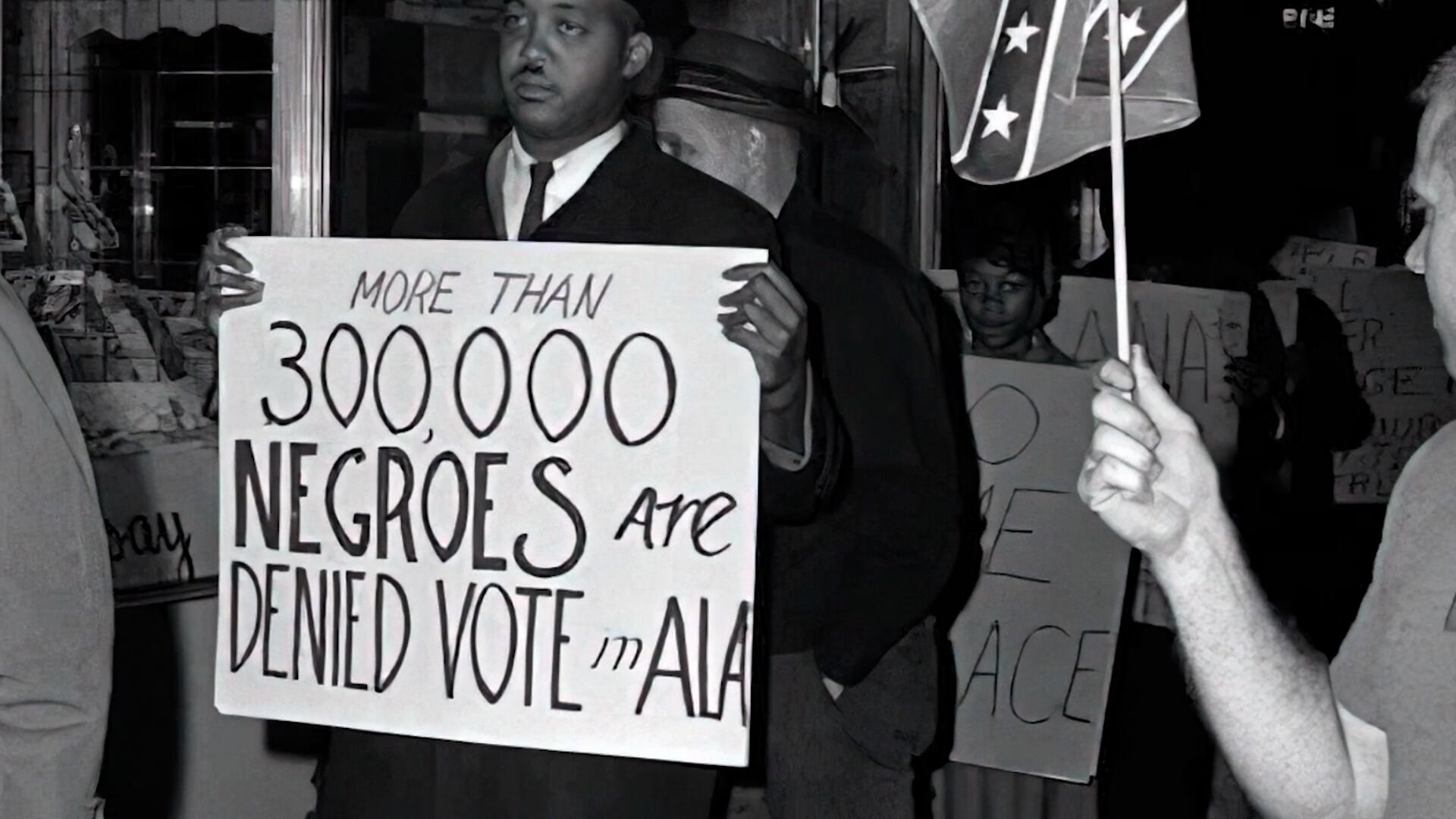
Erika Alexander and Whitney Dow, directors of 'The Big Payback,' join Cheddar News to discuss their new film, 'The Big Payback.' It premieres Saturday, June 11 at the Tribeca Festival.
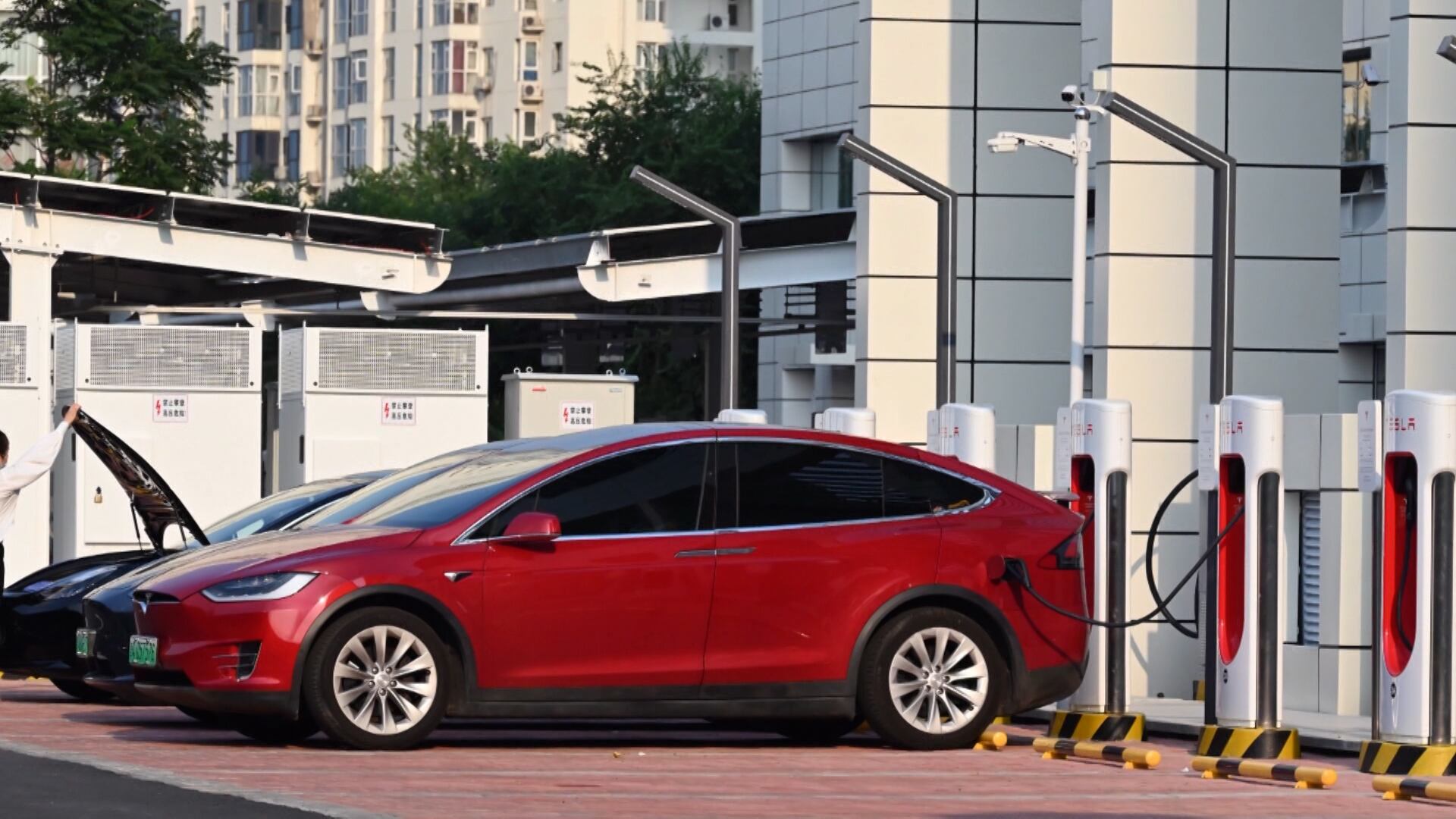
President Biden proposed a new rule that would add 500,000 chargers for electric vehicles nationwide. The proposal comes amid the rapid shift to EVs with dozens of automakers announcing plans for all-electric fleets within the next decade. But with the new surge will the U.S. have the proper infrastructure to keep up? Scott Painter, founder and CEO of Autonomy.com joined Cheddar's Opening Bell to discuss. "I really think the idea of standardization is a big deal. Standardization certainly makes it much better for everybody to be able to get a charge when they need one," he said.
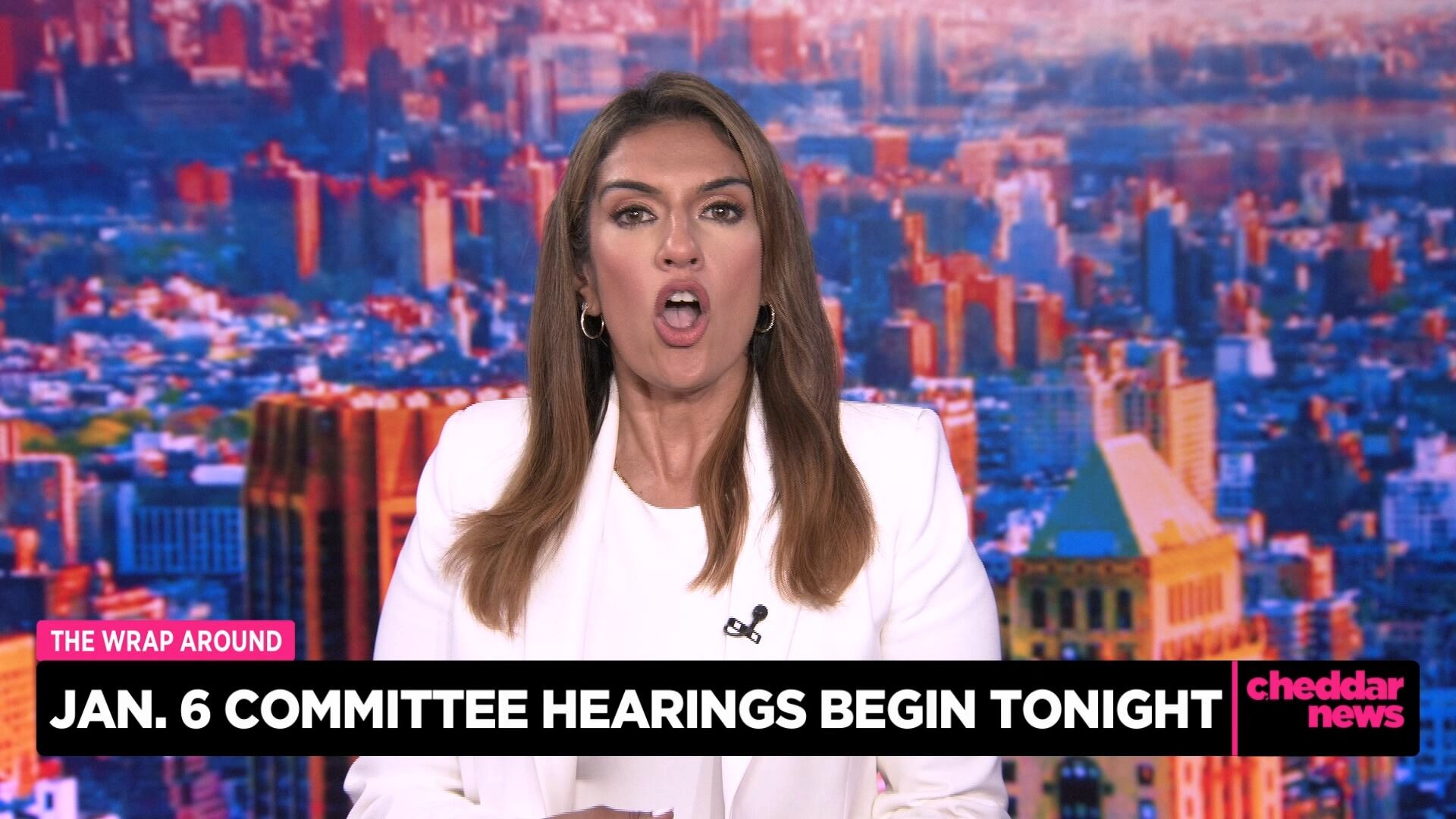
The House select committee investigating the January 6th riots on Capitol Hill is opening its landmark series of public hearings. Cheddar News speaks with Mike Sozan, senior fellow at the Center for American Progress who explains how to follow the hearings and what to expect.