After a year of unprecedented government spending amid the coronavirus pandemic, how revenue will be collected to pursue future aid and to keep running the United States is under scrutiny. Republican incumbent Donald Trump and Democratic challenger Joe Biden have significantly disparate views on tax collection in their platforms for the presidency.
Top Earners
Largely, the president would like to keep in place his 2017 income tax cuts (set to expire in 2025) that provided a reduction on the top marginal rate from 40 to 37 percent for the wealthiest earners.
Biden plans to return the rate back to near 40 percent and eliminate the $10,000 cap on state and local deductions that had the effect of raising taxes on households in high-tax states such as New York and California.
Middle-Income Earners
Both candidates say they want to cut taxes on households in the middle brackets. President Trump made a proposal prior to COVID-19 that would have lowered the 22 percent tax bracket down to 15 percent.
Meanwhile, Biden offers more incentivized tax breaks to encourage retirement savings, child care spending, and first-time home buying.
Corporate Taxes
Trump is sticking to the reduction made by his 2017 tax law that lowered corporate taxes to 21 percent from 35 percent.
Challenger Joe Biden would like that rate to be bumped up to 28 percent.
Both men offer plans to create tax incentives for domestic manufacturing.
Capital Gains
The 2020 presidential candidates differ particularly in taxing profits on stocks. President Trump would like to drop the top current rate from 20 percent to 15 percent and has even considered a temporary capital gains tax holiday.
Former Vice President Biden, however, plans to change existing rules in order to tax profits as ordinary income, which could potentially lead to a 40 percent tax on top earners on profits of more than $1 million.
Read More on Trump and Biden's Plans:
Trump vs. Biden on Raising the Federal Minimum Wage
Biden vs. Trump on Student Loans and Higher Education
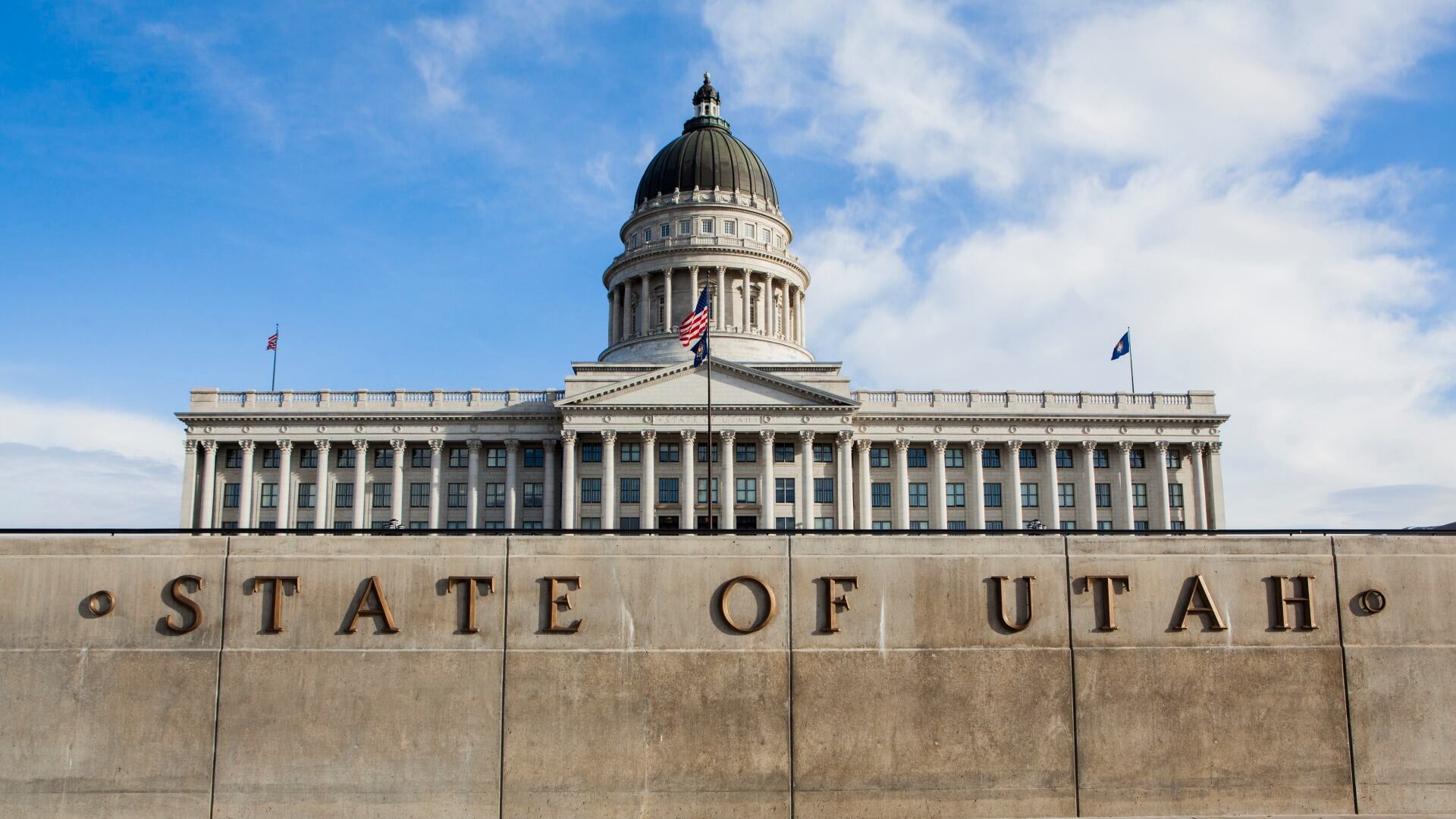
Governor Spencer Cox signed two measures restricting how easily children in the state can access platforms like TikTok and Twitter, setting the precedent in the U.S.
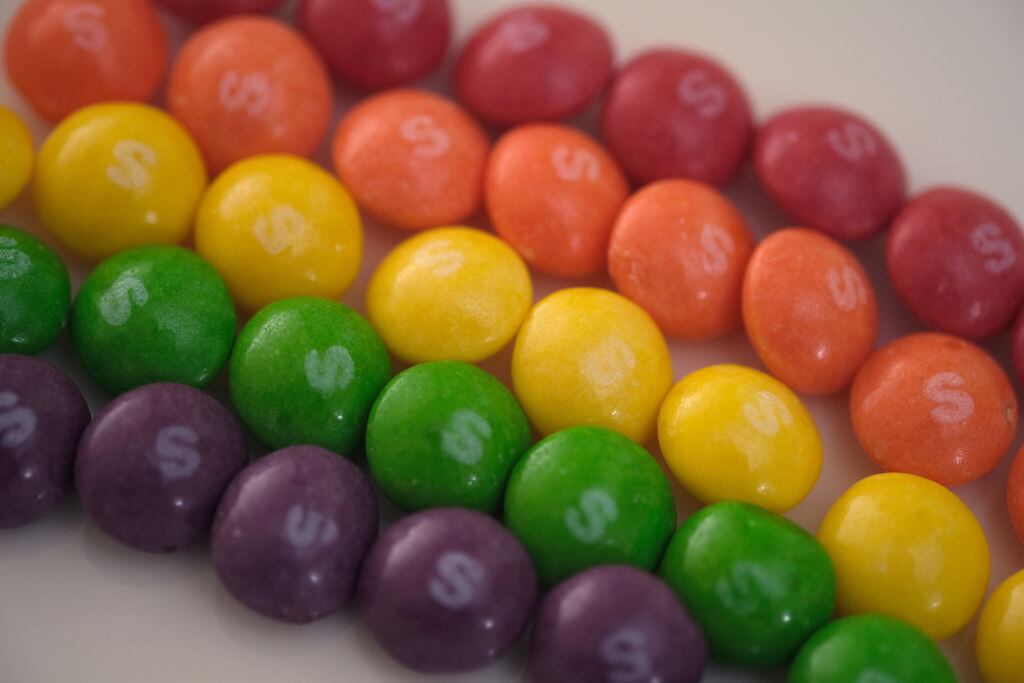
The California state legislature has proposed a bill banning candies such as Skittles and Nerds due to their containing chemicals linked to increased risk of cancer and behavioral issues in children. The chemicals in questions are brominated vegetable oil, propyl paraben, potassium bromate, titanium dioxide, and red dye no. 3.
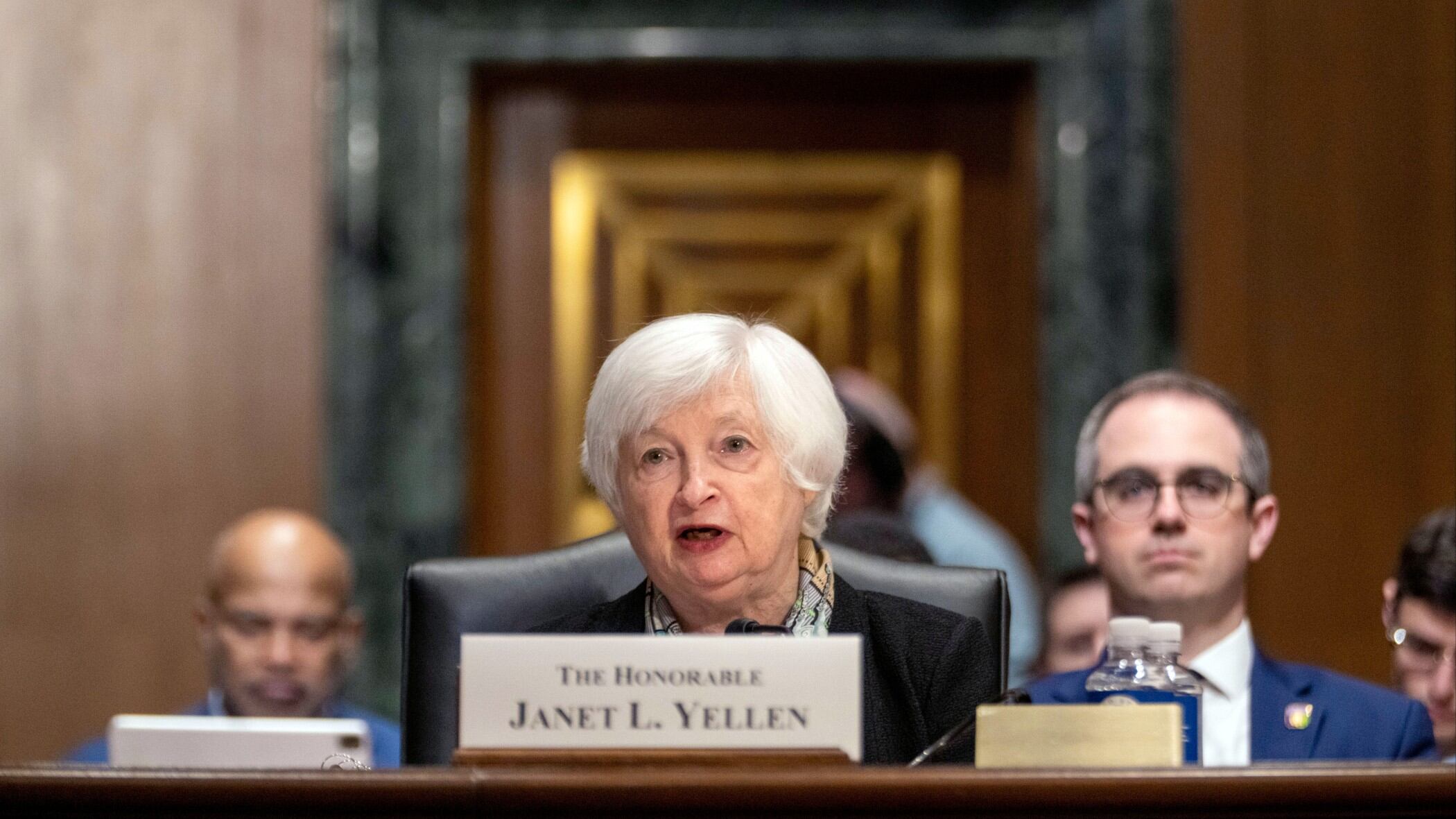
Treasury Secretary Janet Yellen on Thursday testified before the House that the government is ready to step in with more help for bank depositors if necessary
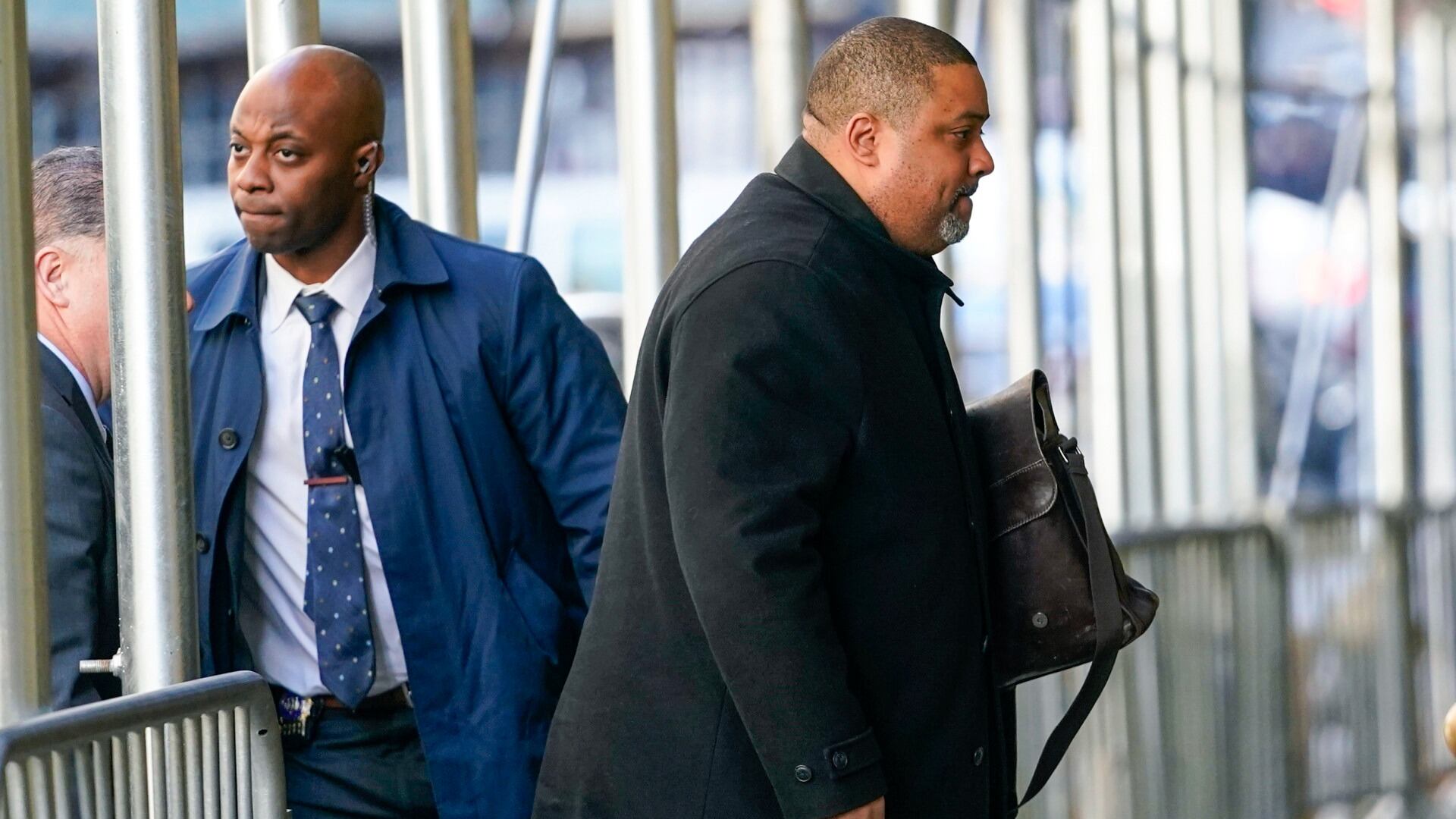
The Manhattan district attorney investigating Donald Trump has rebuffed House Republicans’ request to turn over documents.
Good2Know is your daily dose of the stories impacting your life
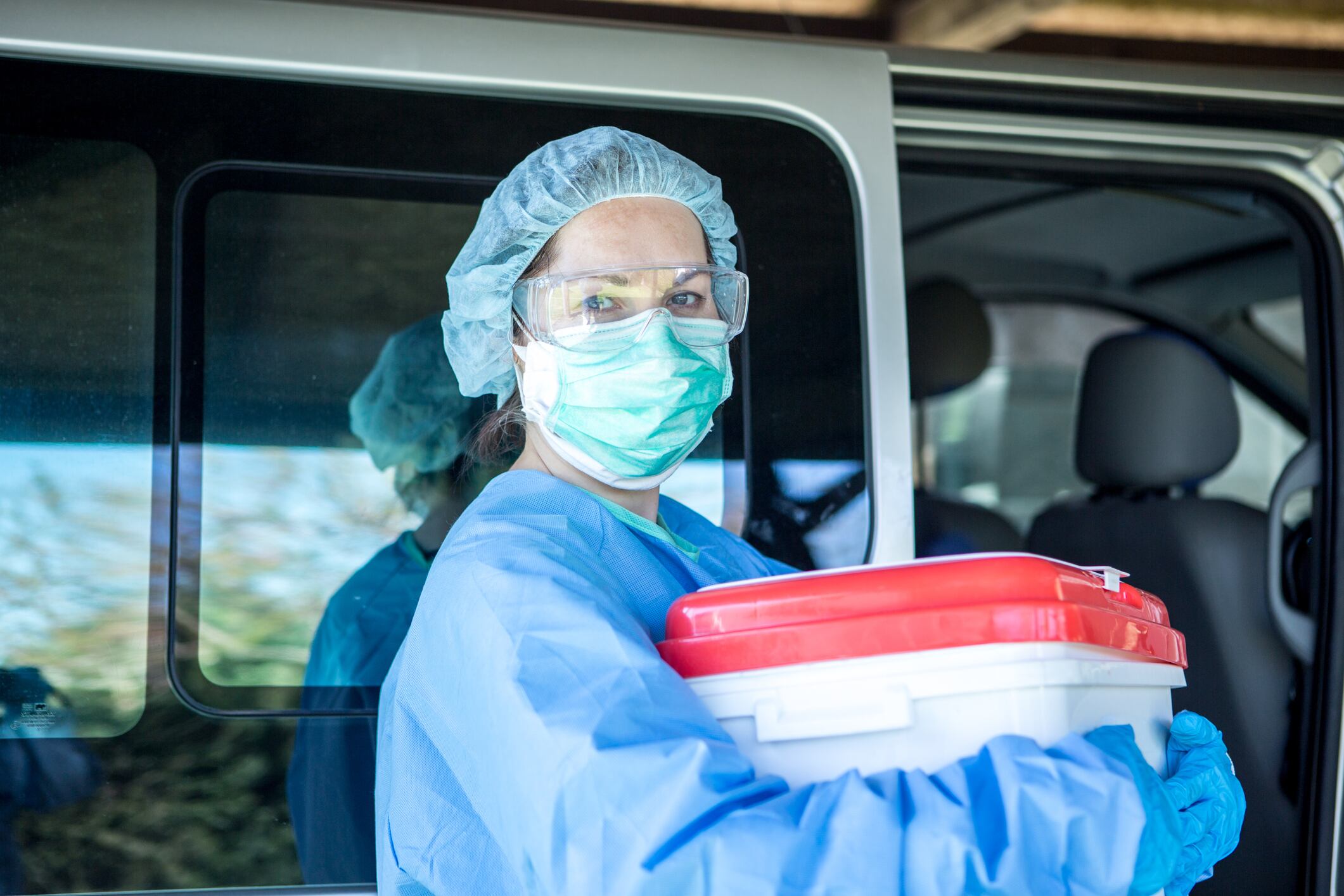
The U.S. Department of Health and Human Services has released a plan to overhaul the nation's organ transplant system, which has long been plagued by sometimes lethal delays and IT failures.
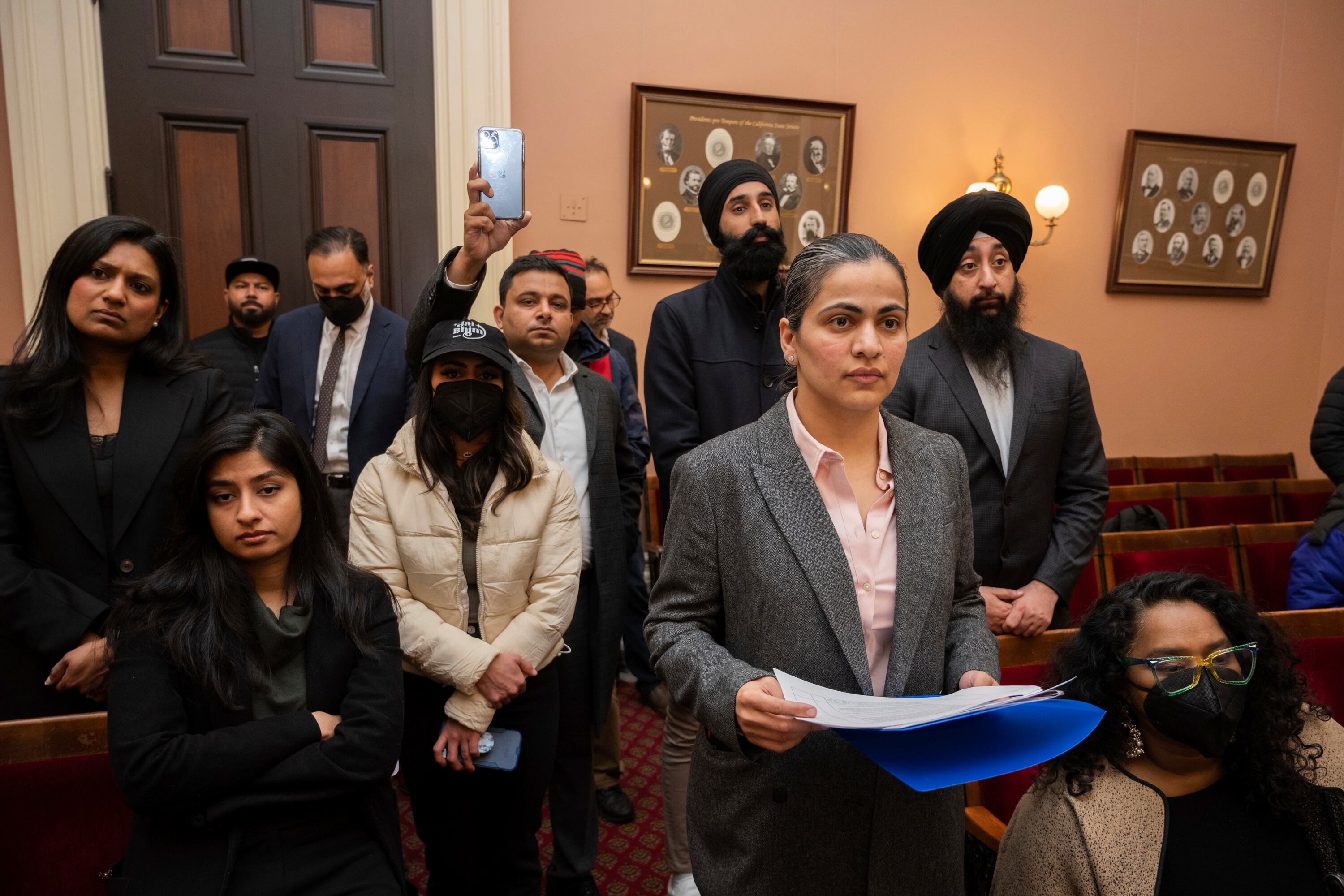
California may become the first state in the nation to outlaw caste-based bias, a safeguard people of South Asian descent say is necessary to protect them from discrimination in housing, education and the tech sector where they hold key roles.
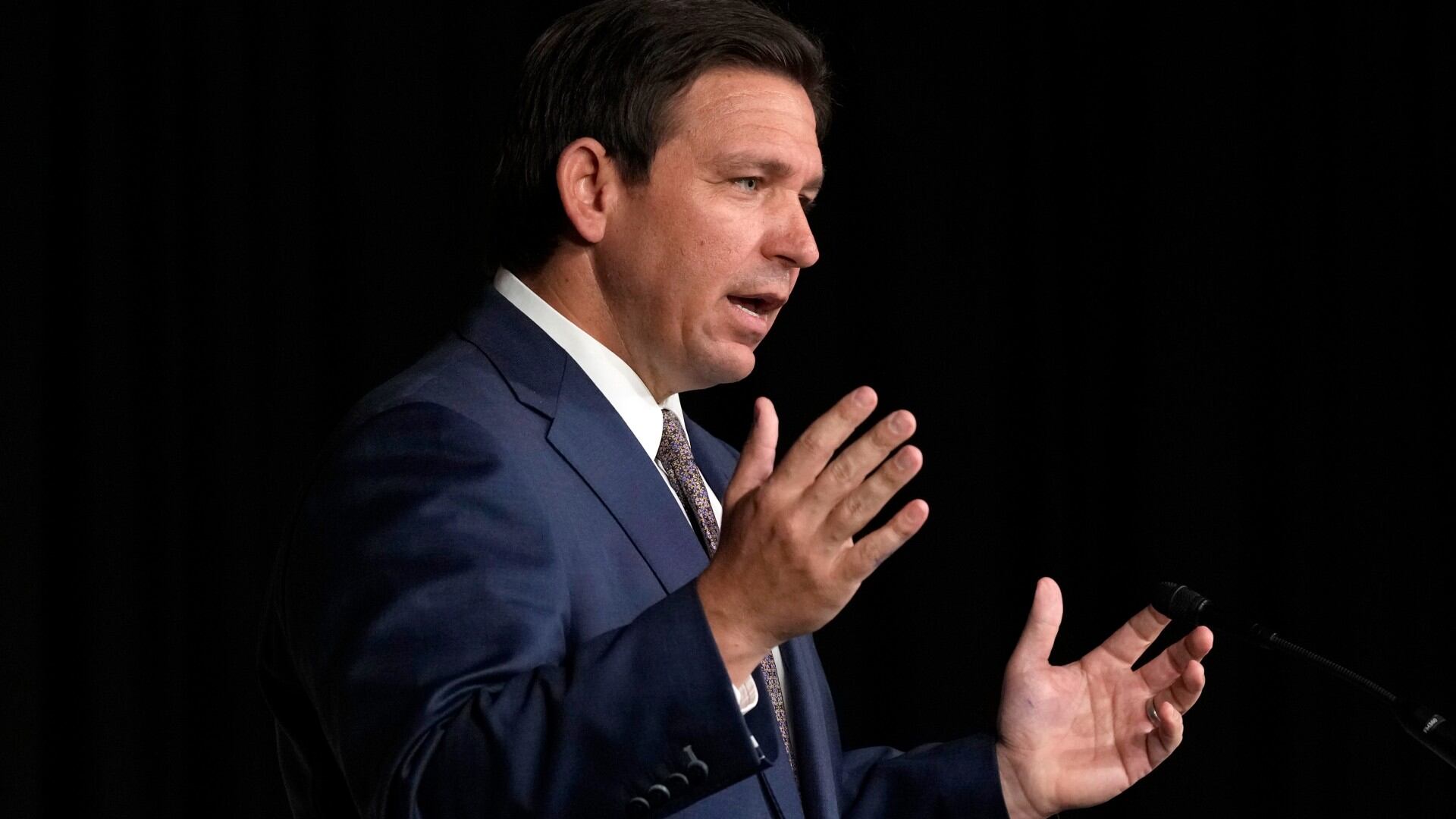
Florida Gov. Ron DeSantis ' administration is moving to forbid classroom instruction on sexual orientation and gender identity in all grades, expanding the controversial law critics call “Don't Say Gay” as the Republican governor continues to focus on cultural issues ahead of his expected presidential run.
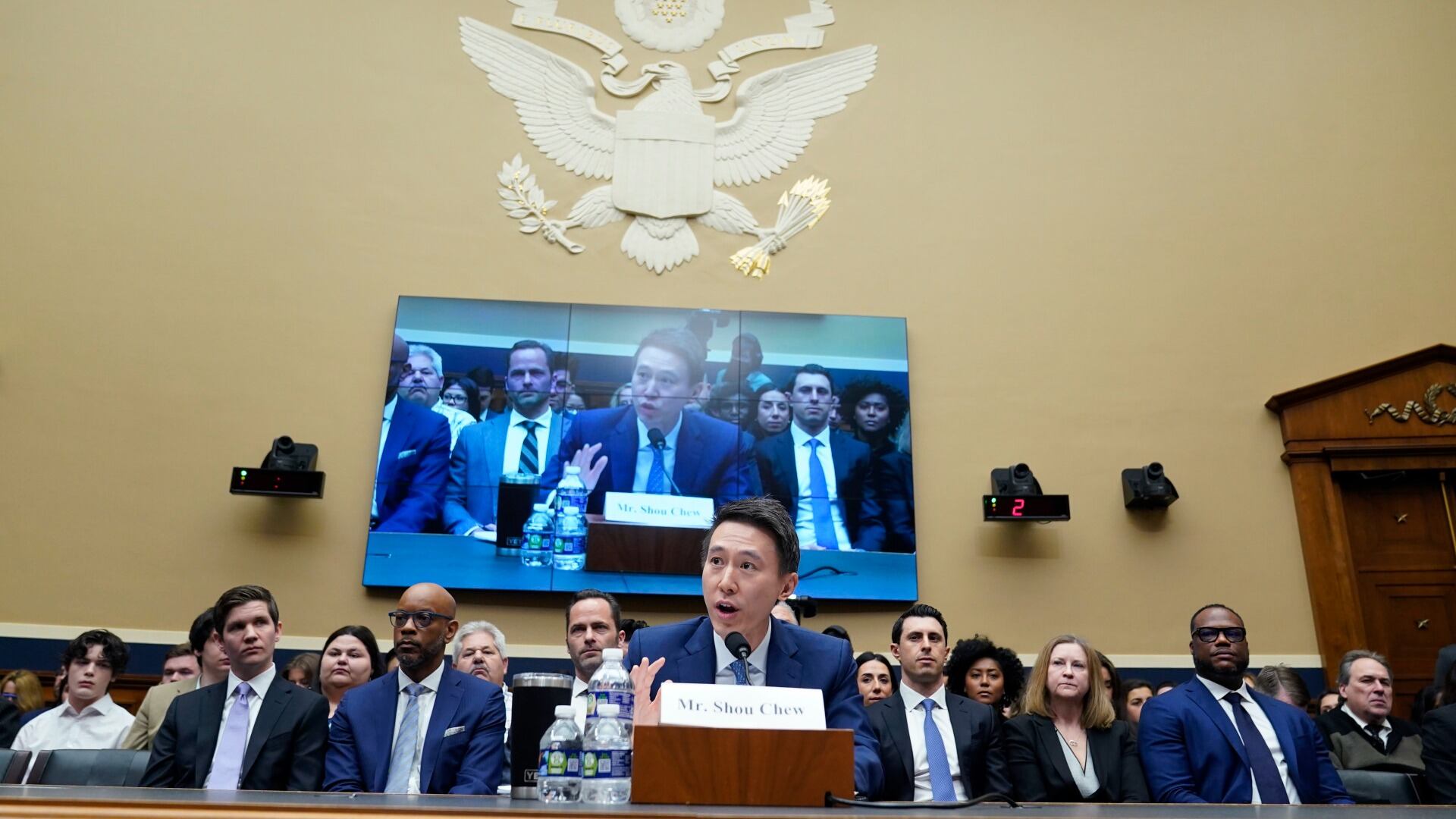
Lawmakers grilled TikTok CEO Shou Zi Chew on Thursday in a high-stakes hearing on the future of the popular, Chinese-owned video sharing platform in the U.S.
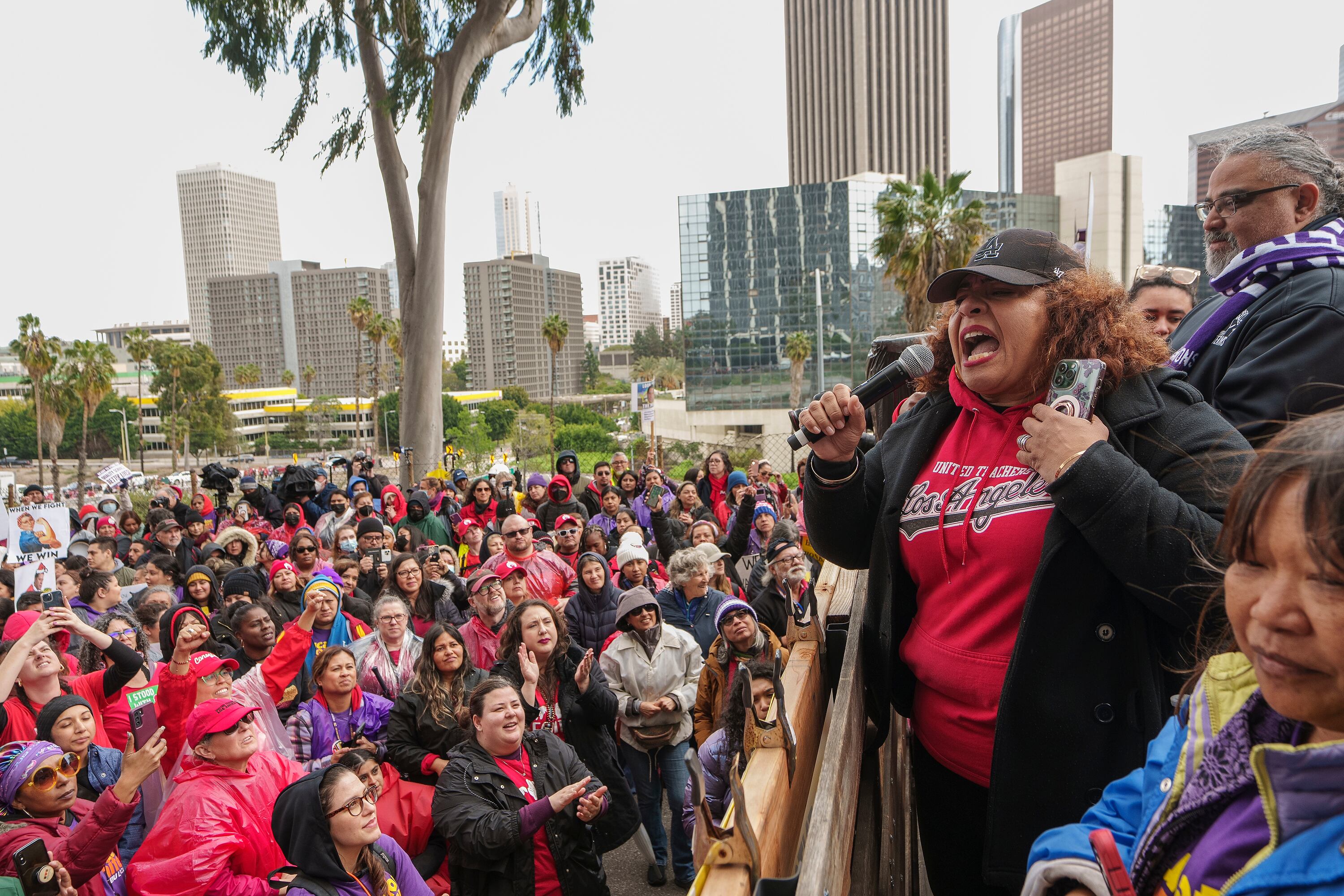
The pay is a driving factor behind a three-day strike that has shut down the entire Los Angeles school system and put a spotlight on the paltry pay of support staff that serves as the backbone of schools nationwide.