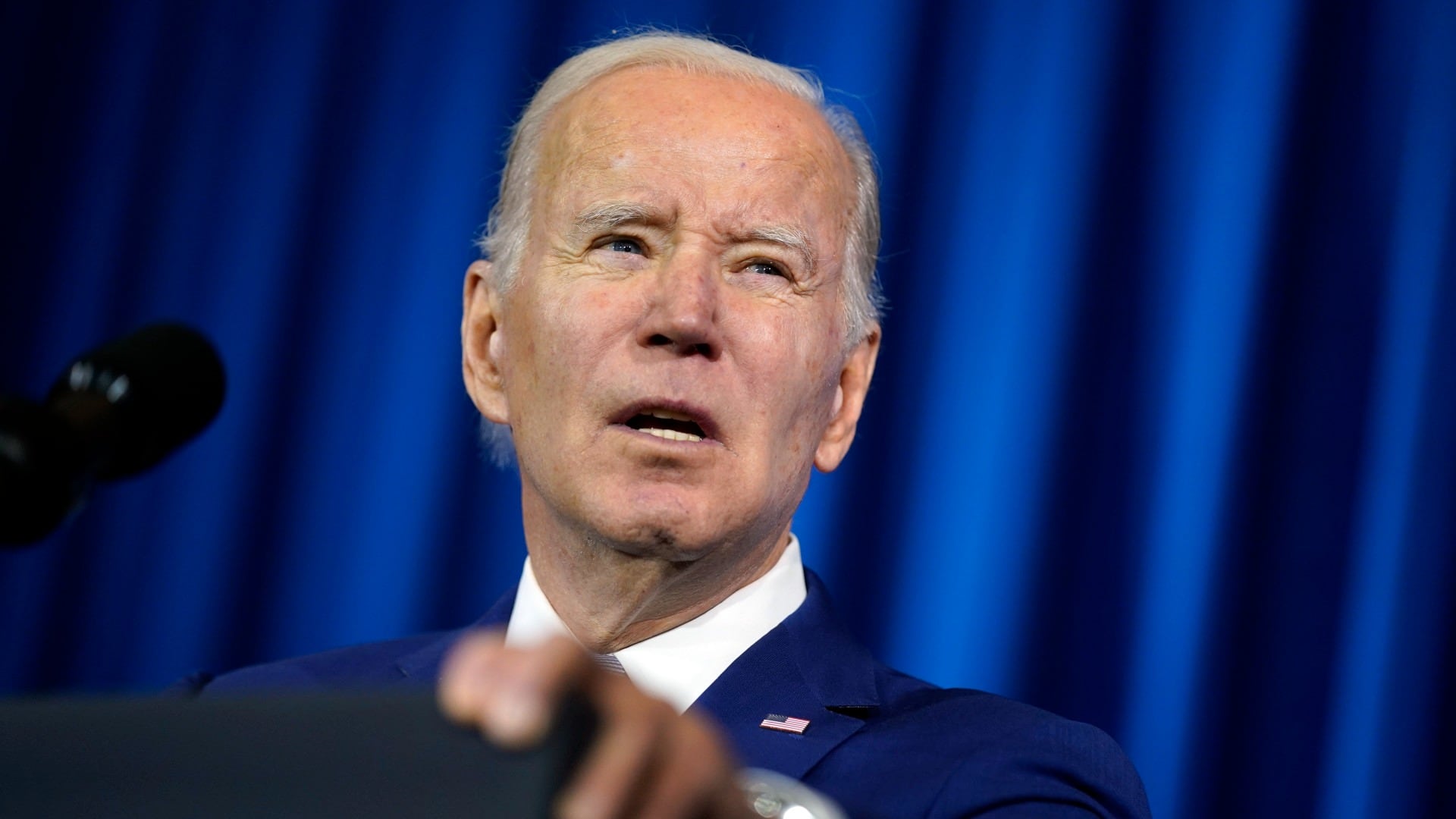
After a year of unprecedented government spending amid the coronavirus pandemic, how revenue will be collected to pursue future aid and to keep running the United States is under scrutiny. Republican incumbent Donald Trump and Democratic challenger Joe Biden have significantly disparate views on tax collection in their platforms for the presidency.
Top Earners
Largely, the president would like to keep in place his 2017 income tax cuts (set to expire in 2025) that provided a reduction on the top marginal rate from 40 to 37 percent for the wealthiest earners.
Biden plans to return the rate back to near 40 percent and eliminate the $10,000 cap on state and local deductions that had the effect of raising taxes on households in high-tax states such as New York and California.
Middle-Income Earners
Both candidates say they want to cut taxes on households in the middle brackets. President Trump made a proposal prior to COVID-19 that would have lowered the 22 percent tax bracket down to 15 percent.
Meanwhile, Biden offers more incentivized tax breaks to encourage retirement savings, child care spending, and first-time home buying.
Corporate Taxes
Trump is sticking to the reduction made by his 2017 tax law that lowered corporate taxes to 21 percent from 35 percent.
Challenger Joe Biden would like that rate to be bumped up to 28 percent.
Both men offer plans to create tax incentives for domestic manufacturing.
Capital Gains
The 2020 presidential candidates differ particularly in taxing profits on stocks. President Trump would like to drop the top current rate from 20 percent to 15 percent and has even considered a temporary capital gains tax holiday.
Former Vice President Biden, however, plans to change existing rules in order to tax profits as ordinary income, which could potentially lead to a 40 percent tax on top earners on profits of more than $1 million.
Read More on Trump and Biden's Plans:
Trump vs. Biden on Raising the Federal Minimum Wage
Biden vs. Trump on Student Loans and Higher Education
Capitol hill is trying to get to the bottom of the bank collapses that shocked the financial system last month, and today lawmakers grilled banking regulators about why they weren't able to stop the crisis. Cheddar News correspondent Lisa Bennatan broke down the proceedings.
Juul will finally have its day in court for its role in the teen vaping epidemic. The Minnesota attorney general is preparing for opening arguments in the state's lawsuit against the vape maker. Here to break down the complicated backstory for this legal case is Senior Reporter Chloe Aiello.
The Supreme Court will decide whether a disabled activist can file disability rights lawsuits against hotels she doesn't intend to visit.
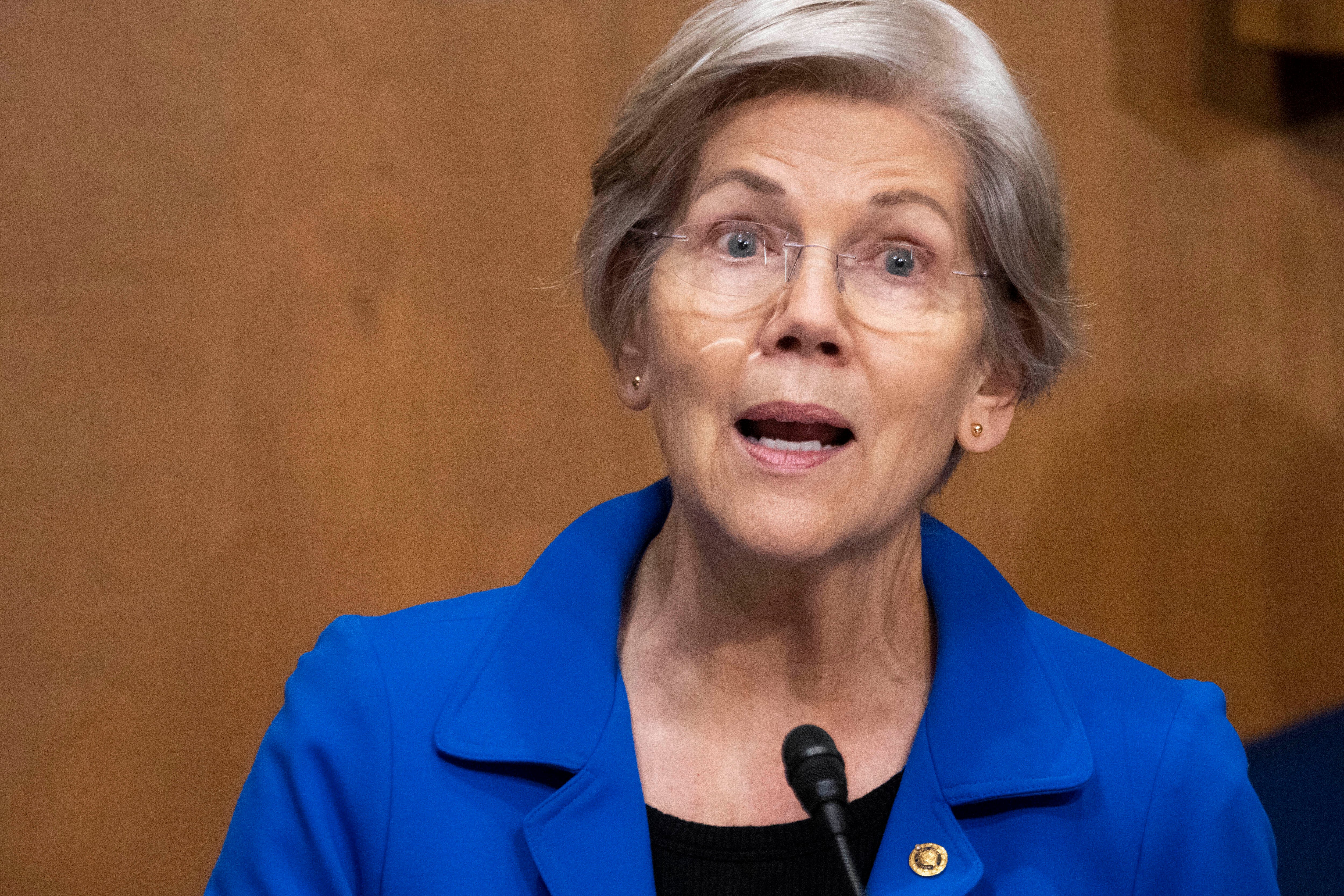
Massachusetts Democratic U.S. Sen. Elizabeth Warren announced Monday that she will seek a third term in 2024.
The Biden administration has issued a statement saying it will veto a GOP-led bill aimed at bringing down energy costs by making it easier for energy companies to get permits for domestic drilling.
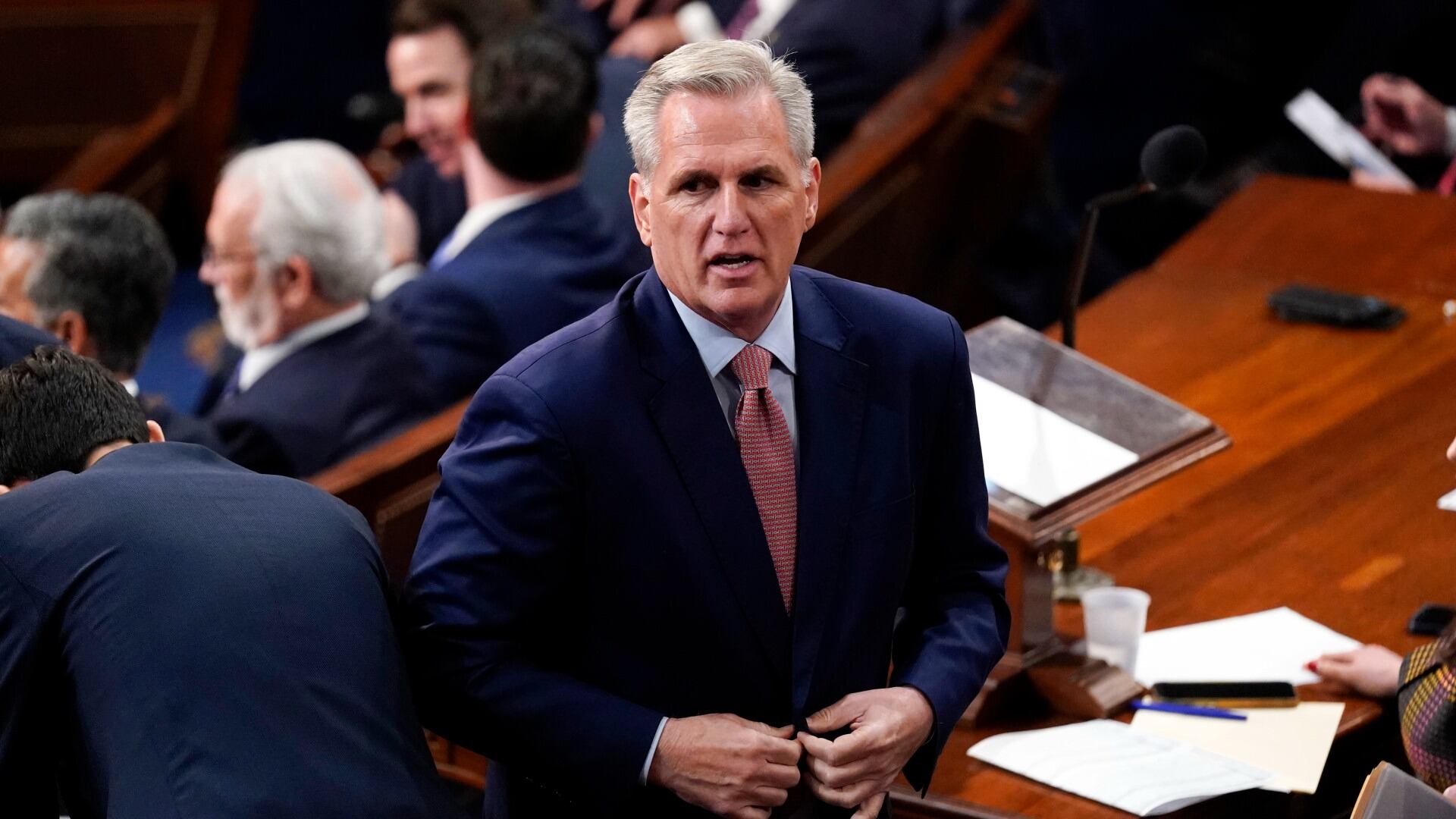
House Speaker Kevin McCarthy said lawmakers will move forward with a bill to address national security worries about TikTok.
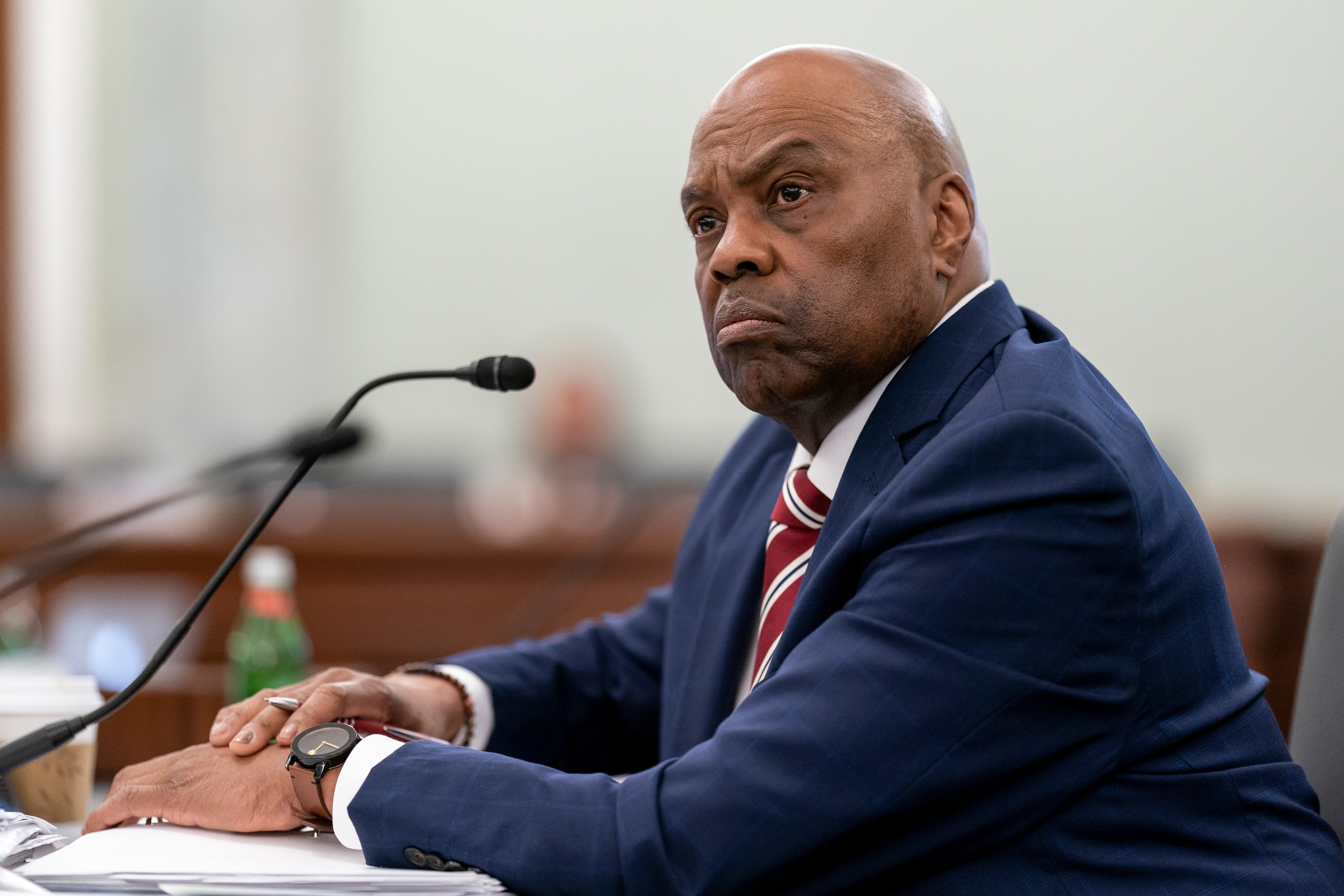
President Joe Biden’s choice to run the Federal Aviation Administration has withdrawn his nomination, a setback for the administration that comes after Denver International Airport CEO Phillip Washington appeared to lack enough support in the closely divided Senate.
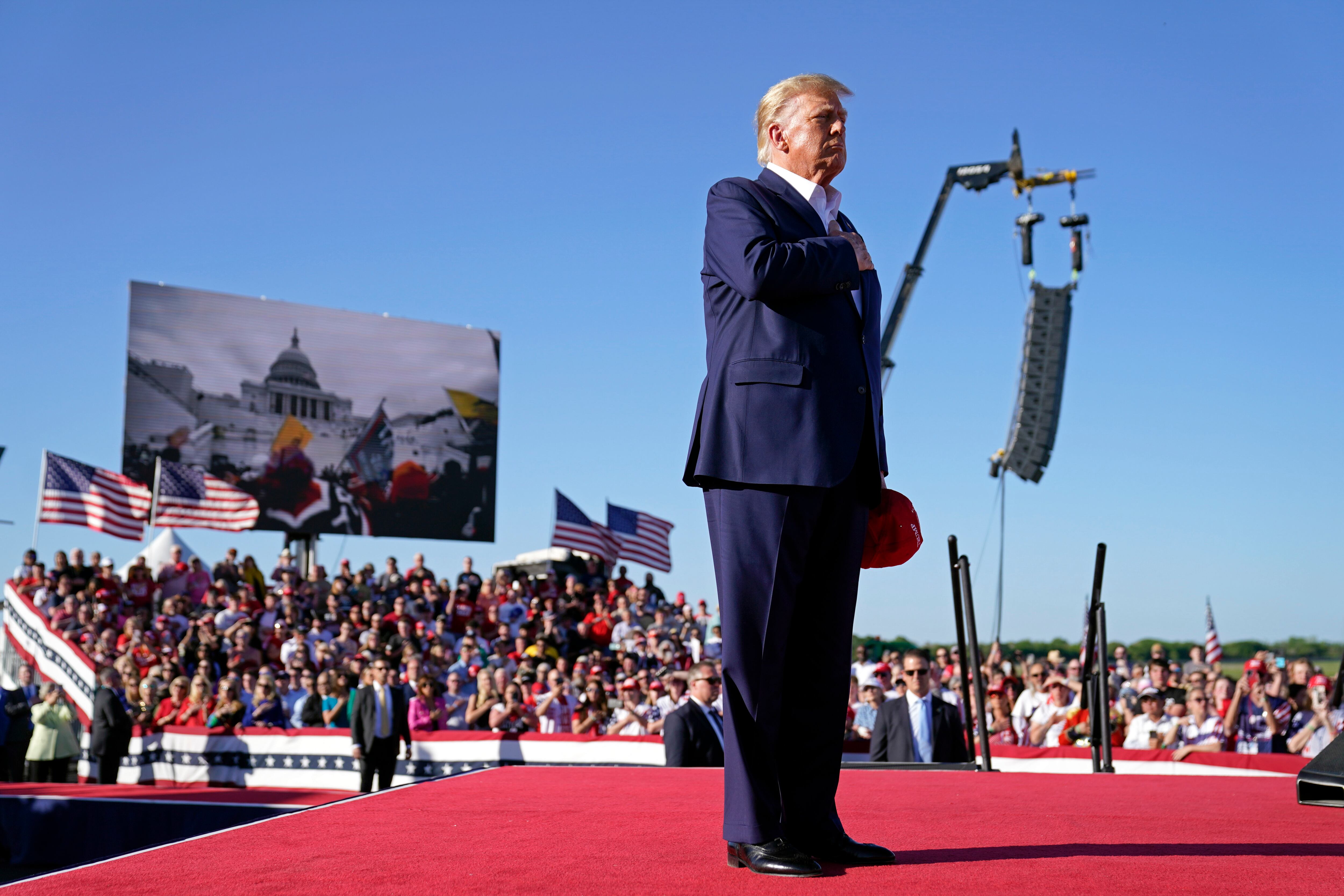
Facing a potential indictment, Donald Trump took a defiant stance at a rally Saturday in Waco, disparaging the prosecutors investigating him and predicting his vindication as he rallied supporters in a city made famous by deadly resistance against law enforcement.
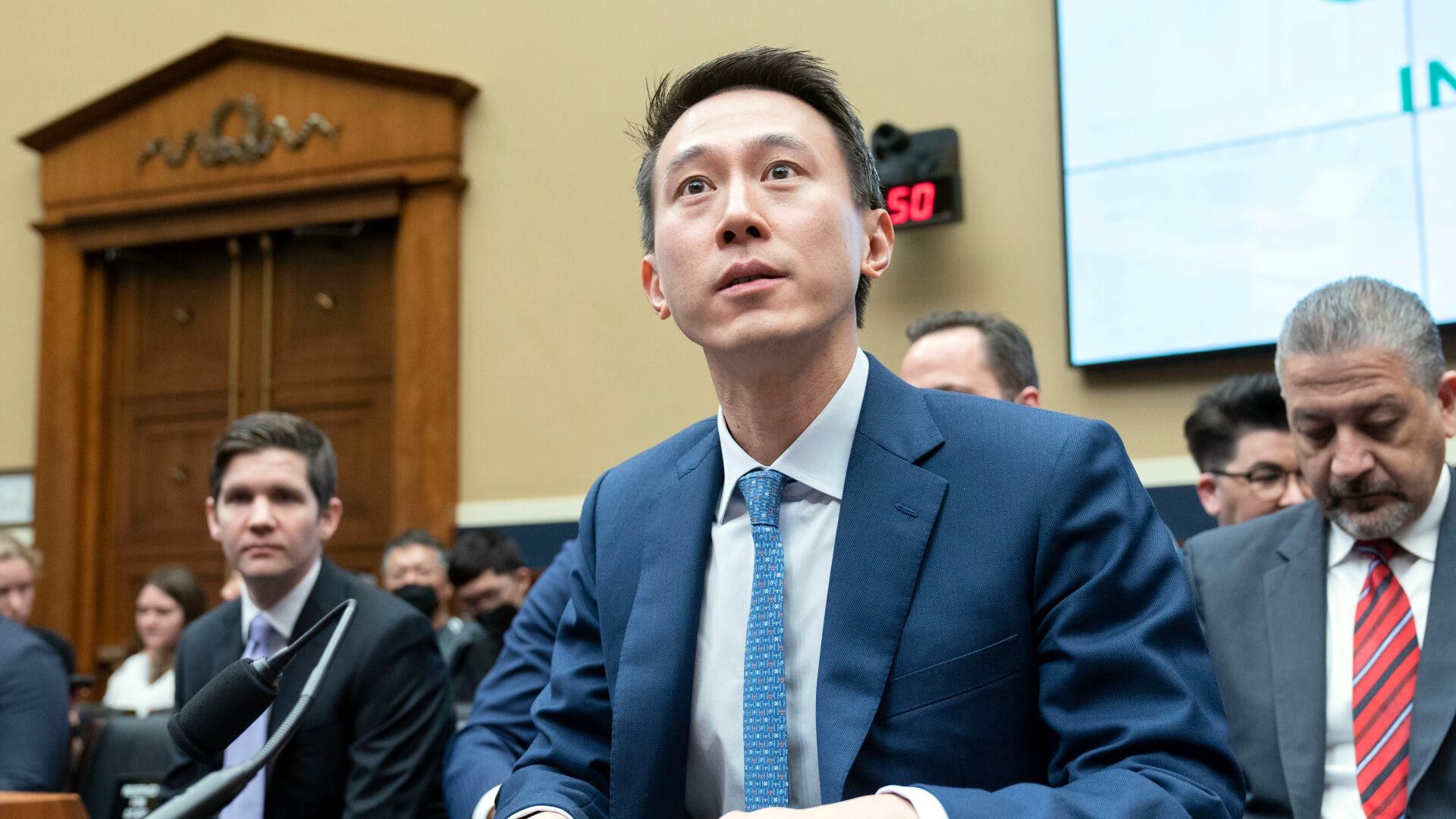
While data privacy still remains one of TikTok's biggest challenges, it may face a larger problem in order to stay in the United States: content moderation.
King Charles III's visit to France was postponed because of ongoing protests.