After a year of unprecedented government spending amid the coronavirus pandemic, how revenue will be collected to pursue future aid and to keep running the United States is under scrutiny. Republican incumbent Donald Trump and Democratic challenger Joe Biden have significantly disparate views on tax collection in their platforms for the presidency.
Top Earners
Largely, the president would like to keep in place his 2017 income tax cuts (set to expire in 2025) that provided a reduction on the top marginal rate from 40 to 37 percent for the wealthiest earners.
Biden plans to return the rate back to near 40 percent and eliminate the $10,000 cap on state and local deductions that had the effect of raising taxes on households in high-tax states such as New York and California.
Middle-Income Earners
Both candidates say they want to cut taxes on households in the middle brackets. President Trump made a proposal prior to COVID-19 that would have lowered the 22 percent tax bracket down to 15 percent.
Meanwhile, Biden offers more incentivized tax breaks to encourage retirement savings, child care spending, and first-time home buying.
Corporate Taxes
Trump is sticking to the reduction made by his 2017 tax law that lowered corporate taxes to 21 percent from 35 percent.
Challenger Joe Biden would like that rate to be bumped up to 28 percent.
Both men offer plans to create tax incentives for domestic manufacturing.
Capital Gains
The 2020 presidential candidates differ particularly in taxing profits on stocks. President Trump would like to drop the top current rate from 20 percent to 15 percent and has even considered a temporary capital gains tax holiday.
Former Vice President Biden, however, plans to change existing rules in order to tax profits as ordinary income, which could potentially lead to a 40 percent tax on top earners on profits of more than $1 million.
Read More on Trump and Biden's Plans:
Trump vs. Biden on Raising the Federal Minimum Wage
Biden vs. Trump on Student Loans and Higher Education
Democrat Robert F. Kennedy Jr., an anti-vaccine activist and scion of one of the country’s most famous political families, is running for president.
A Democratic state lawmaker in North Carolina announced Wednesday that she is jumping to the Republican Party, giving the GOP veto-proof majorities in both the state's legislative chambers that should make it easier to enact conservative policies over the opposition of Gov. Roy Cooper.
The Environmental Protection Agency is tightening rules that limit emissions of mercury and other harmful pollutants from coal-fired power plants.
King Charles III’s wife has been officially identified as Queen Camilla for the first time, with Buckingham Palace using the title on invitations for the monarch’s May 6 coronation.
Tax payers are getting less bang for their buck in 2023. The IRS said the government has so far issued $172 billion in refunds. That's down 9 percent from a year ago, and the average refund is down from roughly $3,2000 to $2,900. However, the overall number of people to get refunds is up 3 percent.
Doctors accused of not providing enough care to infants delivered alive during certain kinds of abortion procedures in Kansas could face lawsuits and criminal charges under a bill that won final approval Tuesday in the state's Republican-controlled Legislature.
Some 9.2 million lead pipes carry water into homes across the U.S., with more in Florida than any other state, according to a new Environmental Protection Agency survey that will dictate how billions of dollars to find and replace those pipes are spent.
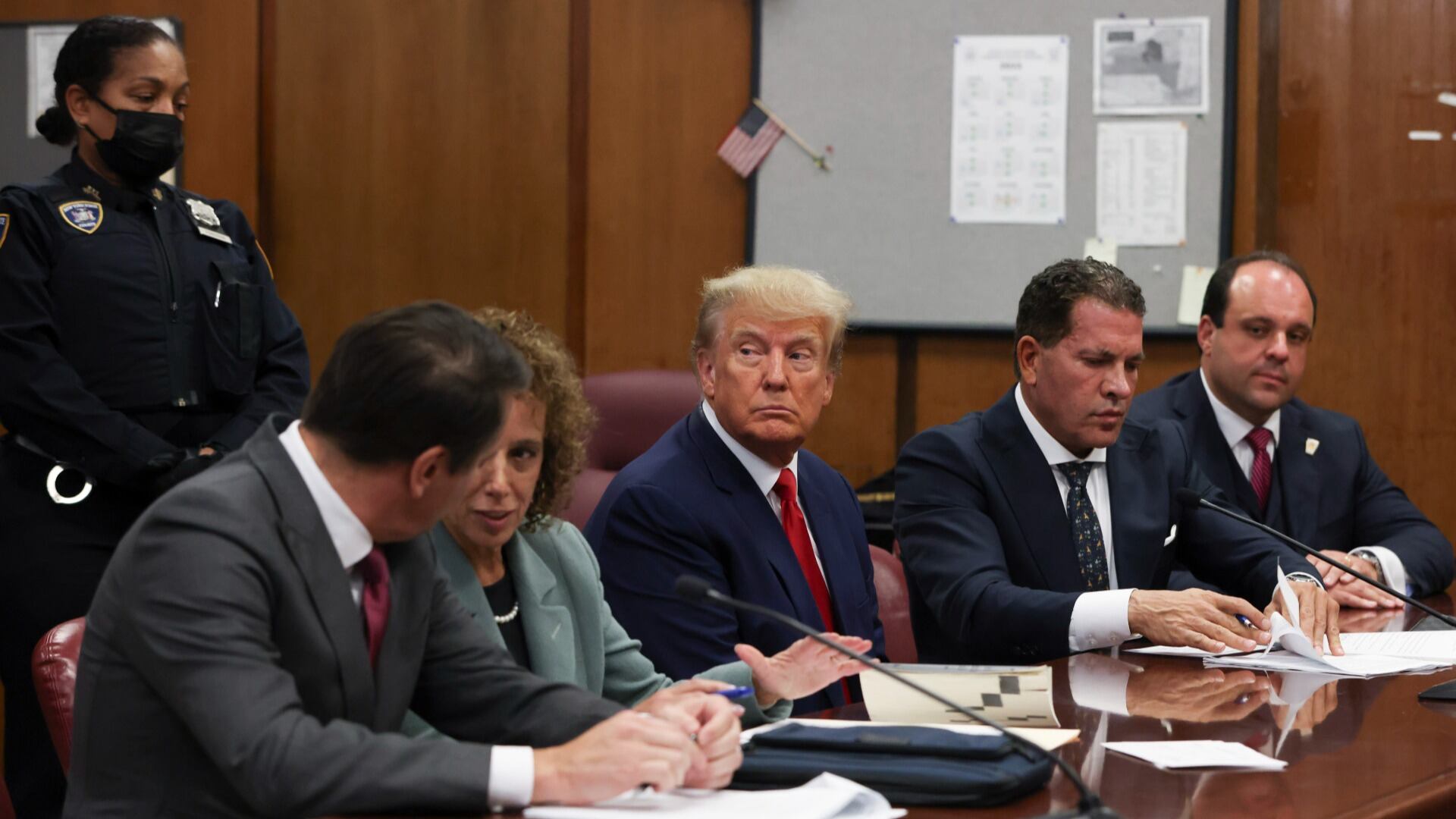
Former President Donald Trump has been warned by the judge in his criminal case to avoid making comments that are inflammatory or could cause civil unrest.
The incoming majority is expected to rule on a challenge to the state's 1849 abortion ban. The current court, under a 4-3 conservative majority, came within one vote of overturning President Joe Biden’s win in the state in 2020.
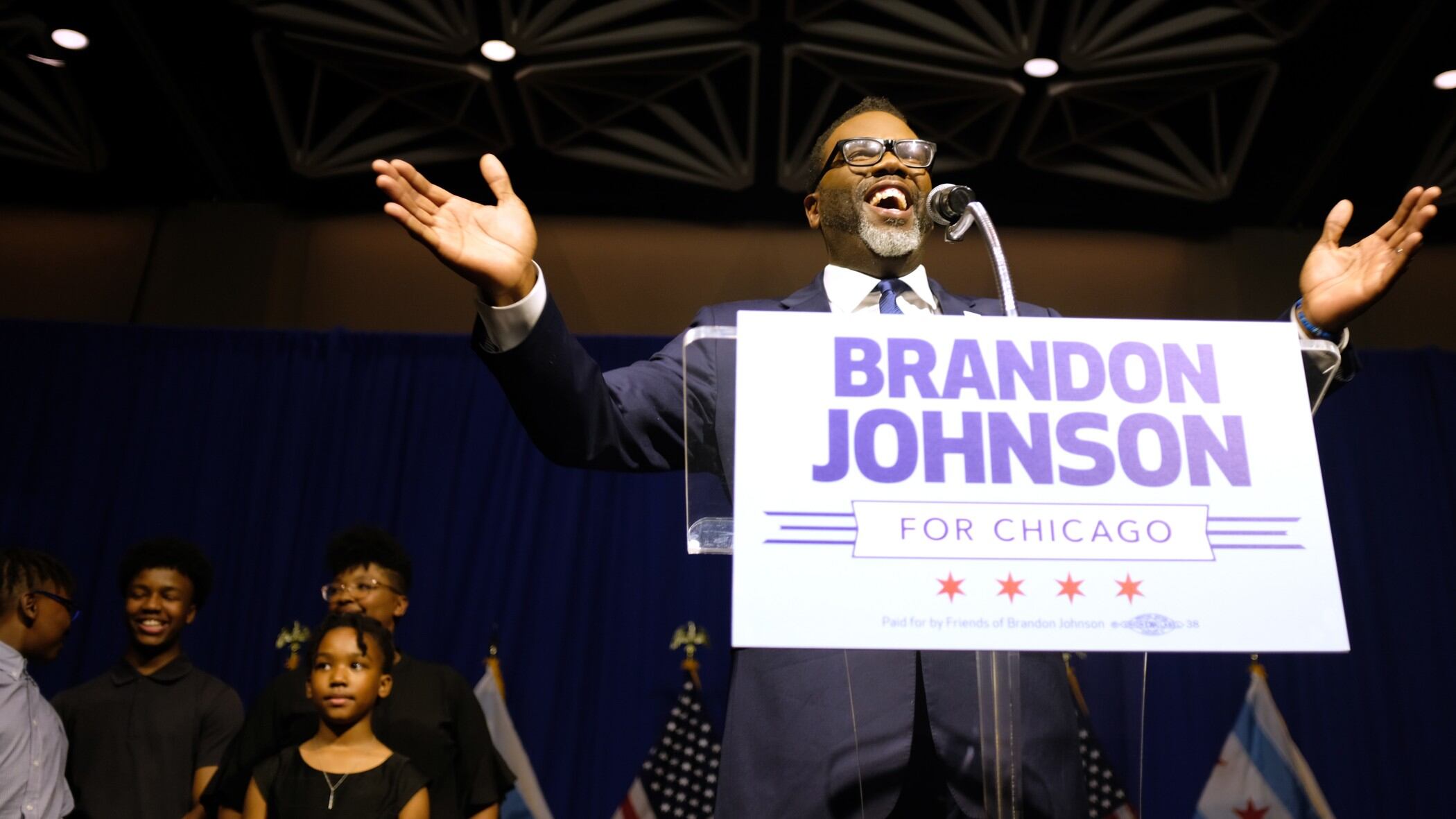
Tuesday's win is a major victory for the Democratic Party’s progressive wing as the nation’s third-largest city grapples with high crime and financial challenges.