After a year of unprecedented government spending amid the coronavirus pandemic, how revenue will be collected to pursue future aid and to keep running the United States is under scrutiny. Republican incumbent Donald Trump and Democratic challenger Joe Biden have significantly disparate views on tax collection in their platforms for the presidency.
Top Earners
Largely, the president would like to keep in place his 2017 income tax cuts (set to expire in 2025) that provided a reduction on the top marginal rate from 40 to 37 percent for the wealthiest earners.
Biden plans to return the rate back to near 40 percent and eliminate the $10,000 cap on state and local deductions that had the effect of raising taxes on households in high-tax states such as New York and California.
Middle-Income Earners
Both candidates say they want to cut taxes on households in the middle brackets. President Trump made a proposal prior to COVID-19 that would have lowered the 22 percent tax bracket down to 15 percent.
Meanwhile, Biden offers more incentivized tax breaks to encourage retirement savings, child care spending, and first-time home buying.
Corporate Taxes
Trump is sticking to the reduction made by his 2017 tax law that lowered corporate taxes to 21 percent from 35 percent.
Challenger Joe Biden would like that rate to be bumped up to 28 percent.
Both men offer plans to create tax incentives for domestic manufacturing.
Capital Gains
The 2020 presidential candidates differ particularly in taxing profits on stocks. President Trump would like to drop the top current rate from 20 percent to 15 percent and has even considered a temporary capital gains tax holiday.
Former Vice President Biden, however, plans to change existing rules in order to tax profits as ordinary income, which could potentially lead to a 40 percent tax on top earners on profits of more than $1 million.
Read More on Trump and Biden's Plans:
Trump vs. Biden on Raising the Federal Minimum Wage
Biden vs. Trump on Student Loans and Higher Education
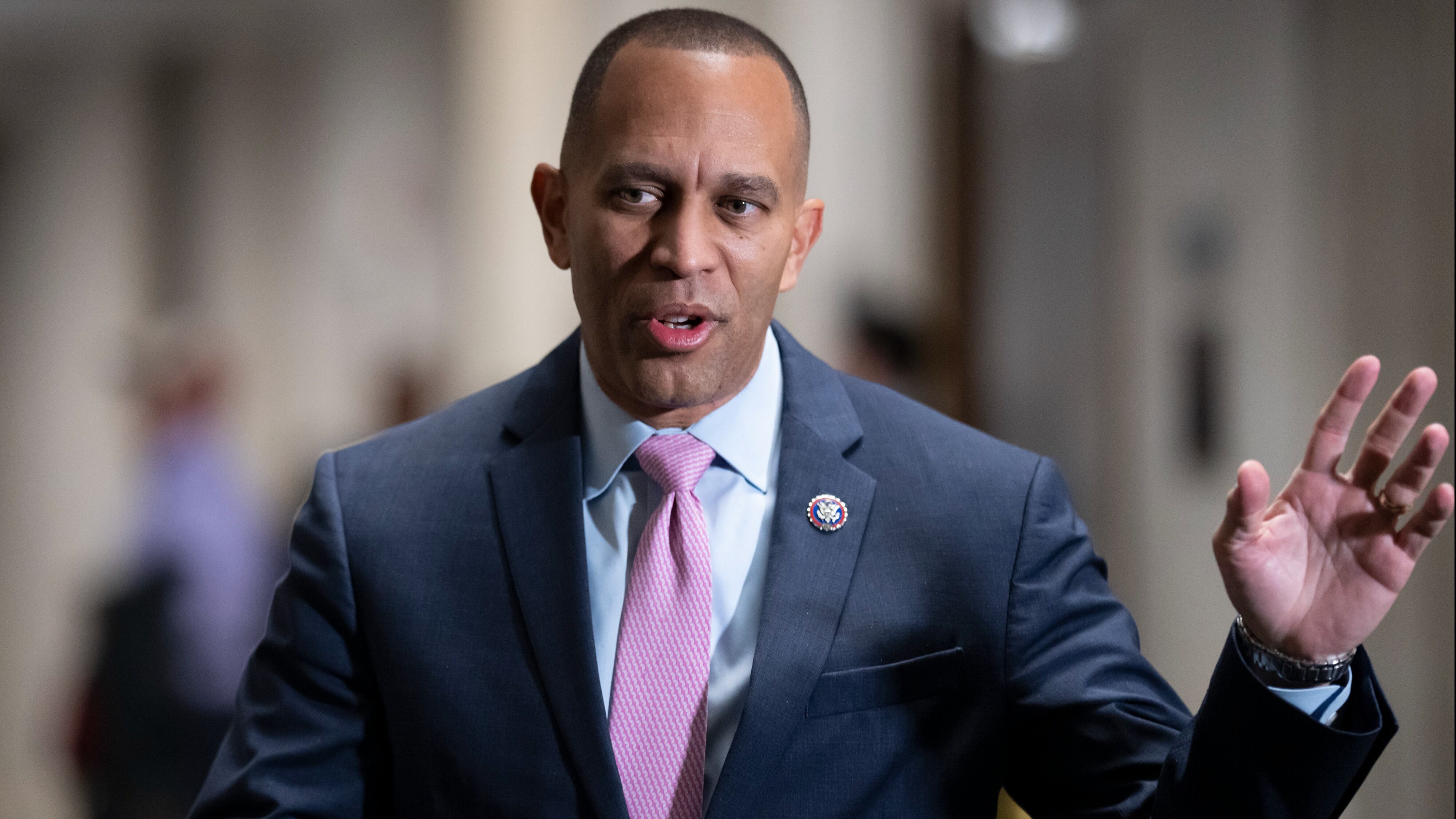
As fears of a national debt default rise, House Minority Leader Hakeem Jeffries told NBC's "Meet the Press" that he isn't ruling out a short-term bill to raise the debt ceiling. At the same time, he said he doesn't think "the responsible thing is to kick the can down the road."
The Biden administration is starting work on new regulations it says will expand the rights of airline passengers.
In a TV interview Sunday, Yellen didn't rule out President Joe Biden acting on his own to try to avert a first-ever federal default.
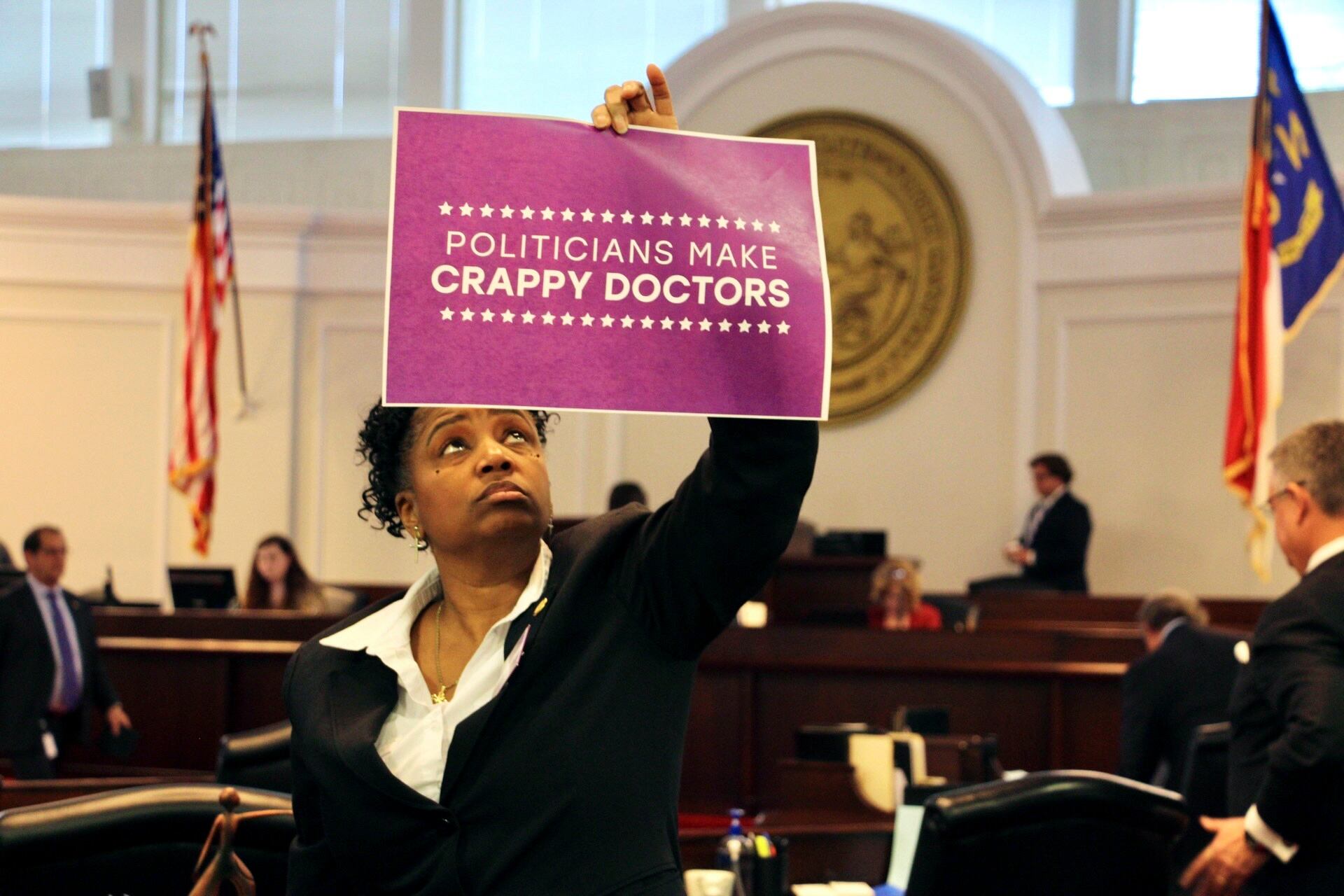
North Carolina lawmakers on Thursday approved and sent to the governor a ban on nearly all abortions after 12 weeks of pregnancy, down from the current 20 weeks, in response to last year’s overturning of Roe v. Wade at the U.S. Supreme Court.
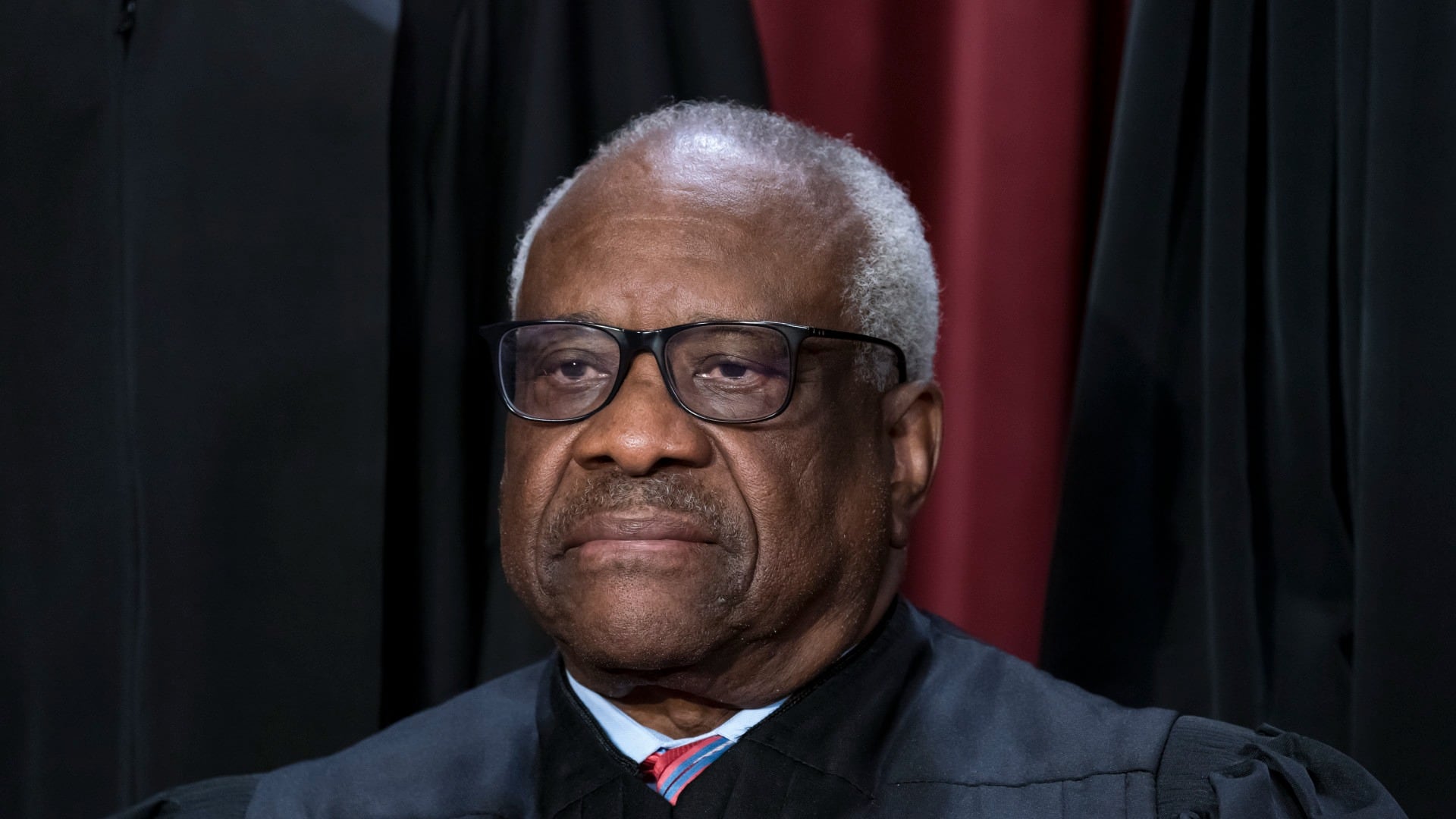
Associate Justice Clarence Thomas joins other members of the Supreme Court as they pose for a new group portrait, at the Supreme Court building in Washington, Oct. 7, 2022. A Republican megadonor paid two years of private school tuition for a child raised by Supreme Court Justice Clarence Thomas, who did not disclose the payments, a lawyer who has represented Thomas and his wife acknowledged Thursday. (AP Photo/J. Scott Applewhite, File)
Former Proud Boys leader Enrique Tarrio and three other members of the far-right extremist group were convicted Thursday of a plot to attack the U.S. Capitol.
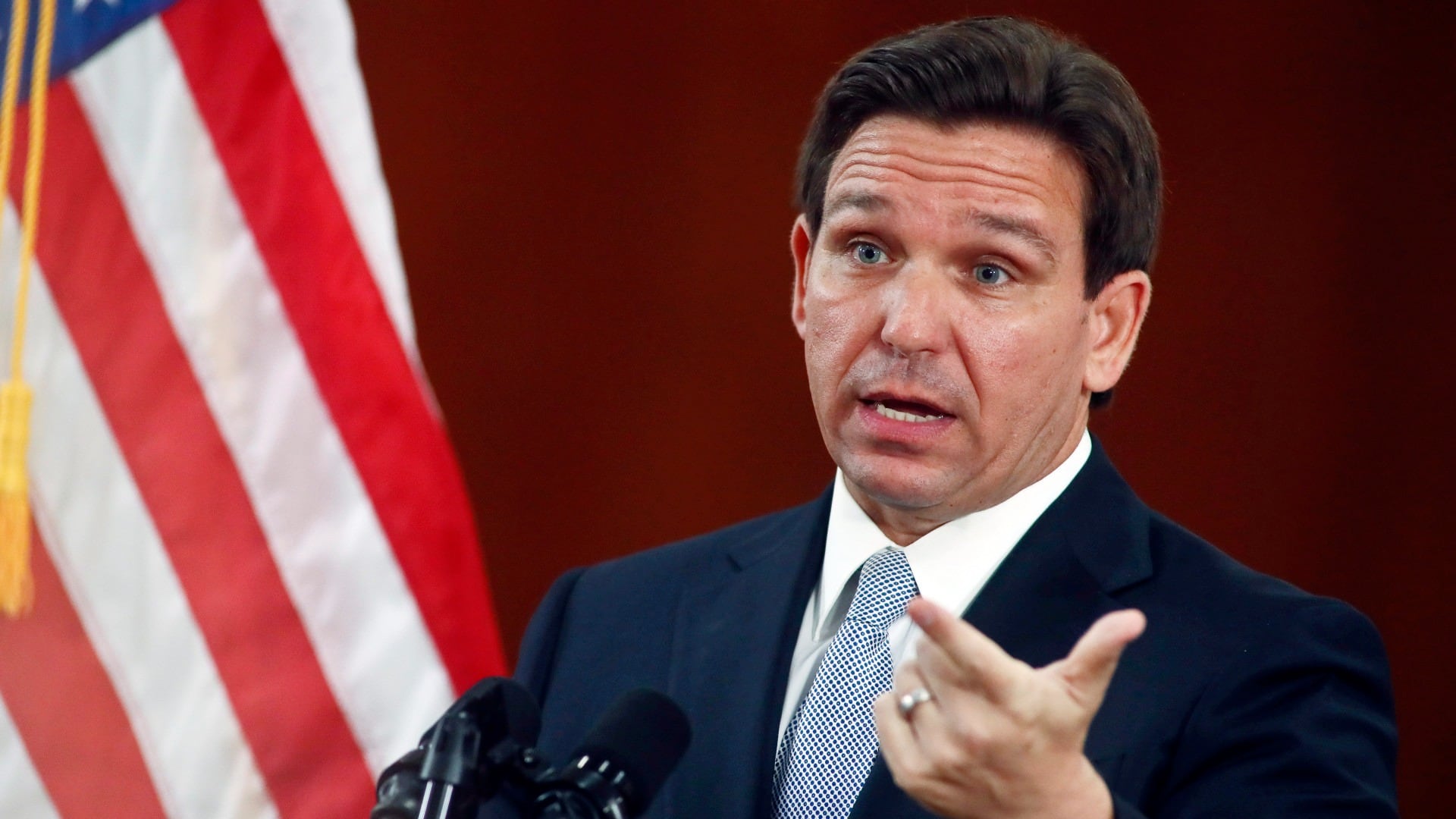
Florida Republicans on Wednesday approved bills to ban diversity programs in colleges and prevent students and teachers from being required to use pronouns that don't correspond to someone's sex, building on top priorities of Republican Gov. Ron DeSantis.
New York state is banning natural gas stoves and furnaces in most new buildings in an effort to reduce greenhouse gas emissions.
Authorities in the U.S. and Europe arrested nearly 300 people, confiscated over $53 million, and seized a dark web marketplace as part of an international crackdown on drug trafficking that officials say was the largest operation of its kind.
Oregon Secretary of State Shemia Fagan has stepped down shortly after apologizing for accepting a payment of $10,000 per month from a consultancy firm for a marijuana company.