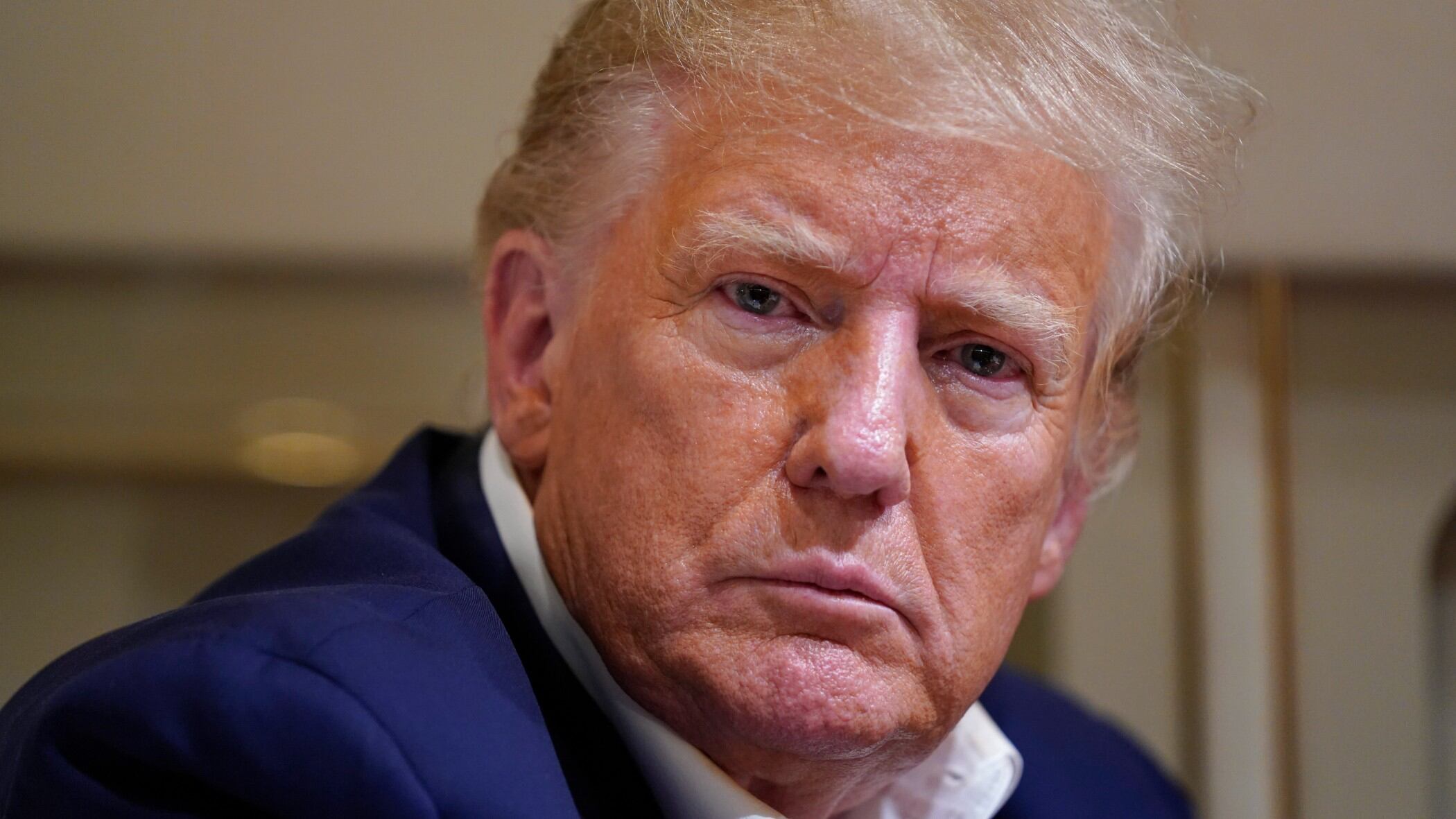
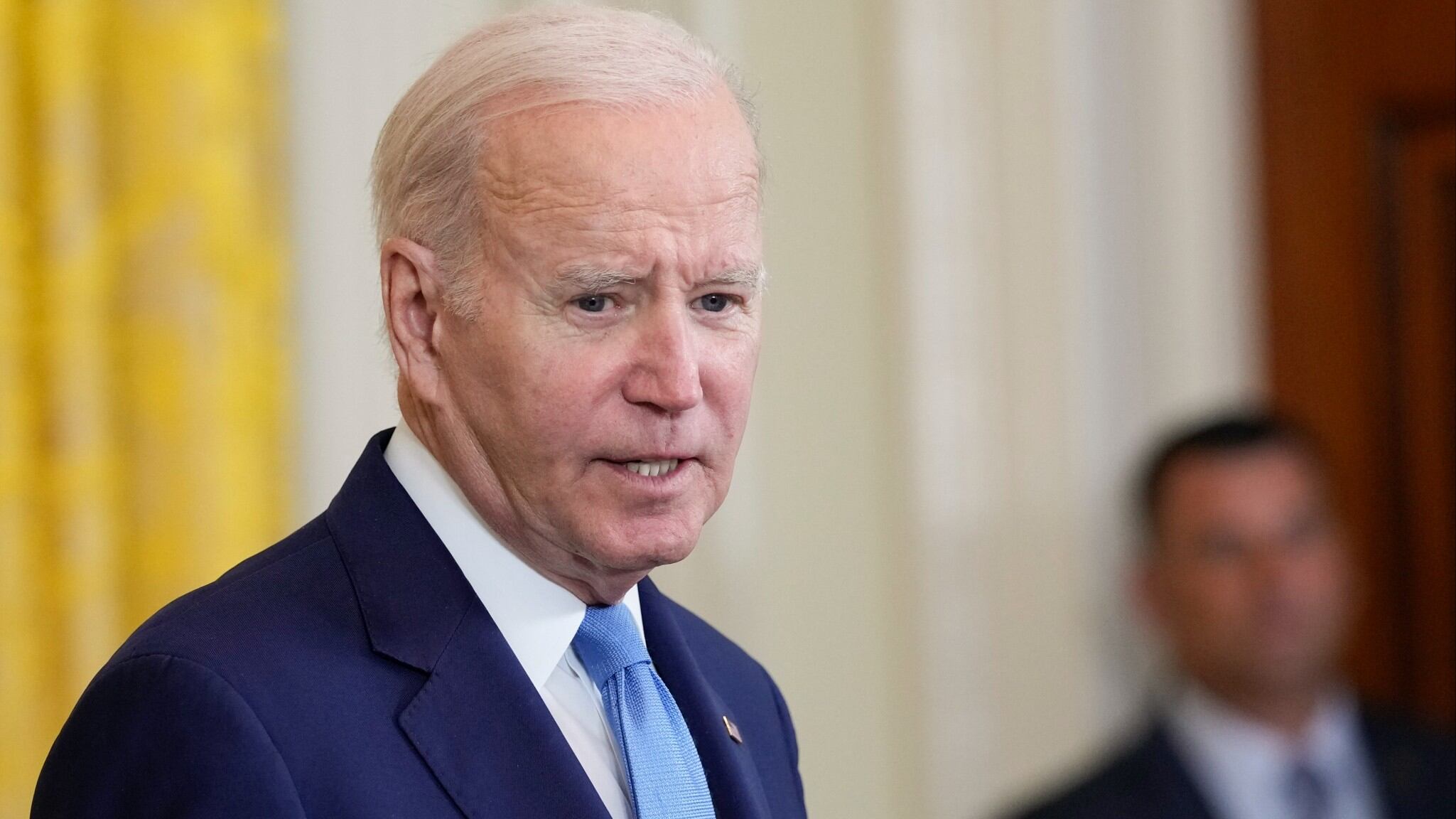
After a year of unprecedented government spending amid the coronavirus pandemic, how revenue will be collected to pursue future aid and to keep running the United States is under scrutiny. Republican incumbent Donald Trump and Democratic challenger Joe Biden have significantly disparate views on tax collection in their platforms for the presidency.
Top Earners
Largely, the president would like to keep in place his 2017 income tax cuts (set to expire in 2025) that provided a reduction on the top marginal rate from 40 to 37 percent for the wealthiest earners.
Biden plans to return the rate back to near 40 percent and eliminate the $10,000 cap on state and local deductions that had the effect of raising taxes on households in high-tax states such as New York and California.
Middle-Income Earners
Both candidates say they want to cut taxes on households in the middle brackets. President Trump made a proposal prior to COVID-19 that would have lowered the 22 percent tax bracket down to 15 percent.
Meanwhile, Biden offers more incentivized tax breaks to encourage retirement savings, child care spending, and first-time home buying.
Corporate Taxes
Trump is sticking to the reduction made by his 2017 tax law that lowered corporate taxes to 21 percent from 35 percent.
Challenger Joe Biden would like that rate to be bumped up to 28 percent.
Both men offer plans to create tax incentives for domestic manufacturing.
Capital Gains
The 2020 presidential candidates differ particularly in taxing profits on stocks. President Trump would like to drop the top current rate from 20 percent to 15 percent and has even considered a temporary capital gains tax holiday.
Former Vice President Biden, however, plans to change existing rules in order to tax profits as ordinary income, which could potentially lead to a 40 percent tax on top earners on profits of more than $1 million.
Read More on Trump and Biden's Plans:
Trump vs. Biden on Raising the Federal Minimum Wage
Biden vs. Trump on Student Loans and Higher Education
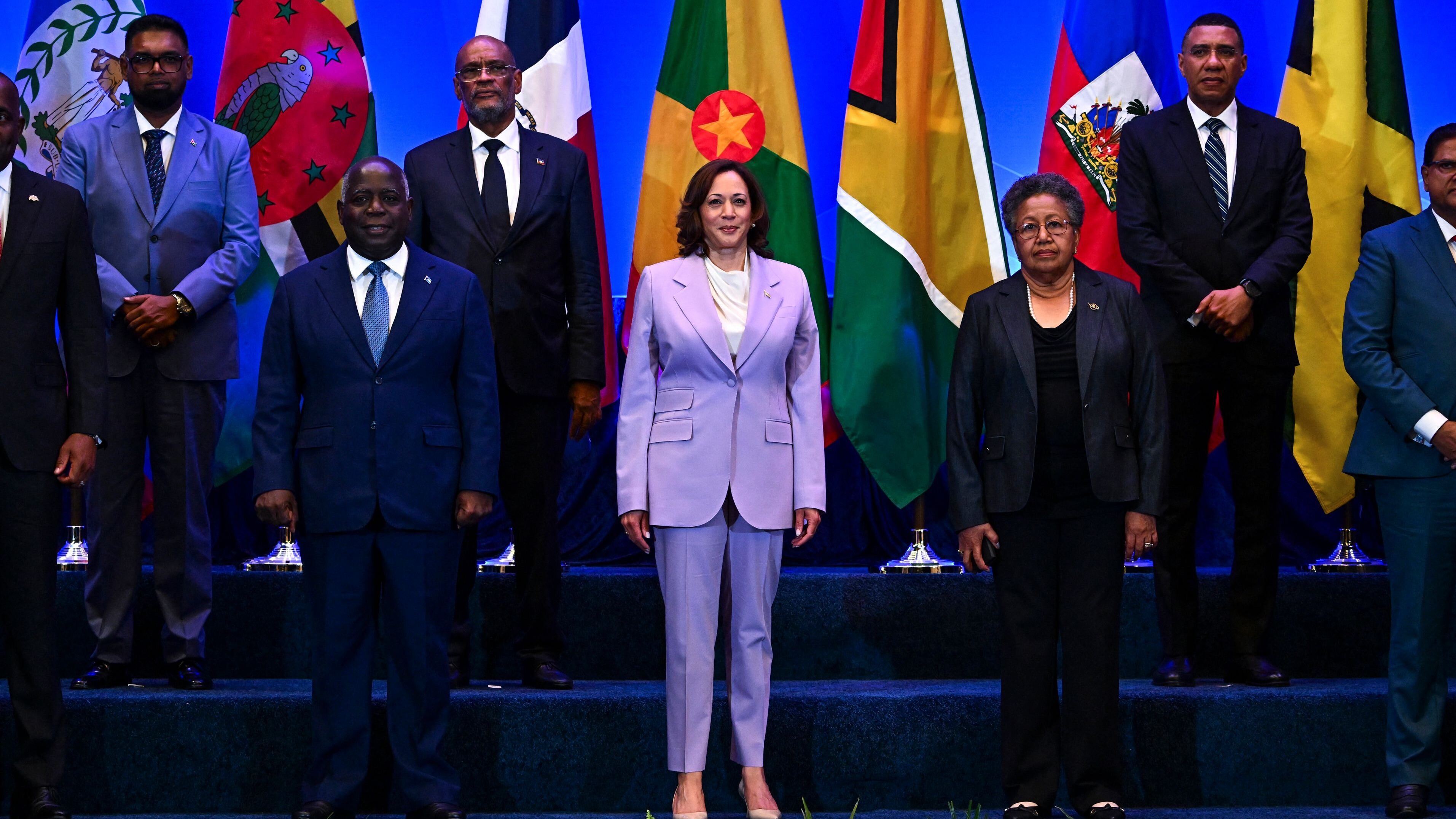
U.S. Vice President Kamala Harris announced Thursday that the U.S. is investing more than $100 million in the Caribbean region to crack down on weapons trafficking, help alleviate Haiti’s humanitarian crisis and support climate change initiatives.
It is arguably the most perilous of multiple legal threats against the former president as he seeks to reclaim the White House.
U.S. Vice President Kamala Harris announced Thursday that the U.S. is investing more than $100 million in the Caribbean region to crack down on weapons trafficking, help alleviate Haiti’s humanitarian crisis and support climate change initiatives.
At Cleveland's Urban Kutz Barbershop, customers can flip through magazines as they wait, or help themselves to drug screening tests left out in a box on a table with a somber message: “Your drugs could contain fentanyl. Please take free test strips.”
President Joe Biden on Thursday condemned a wave of “cruel” and “callous” state legislation curbing the rights, visibility and health care access of LGBTQ+ people, while causing the community to feel under attack for being who they are.
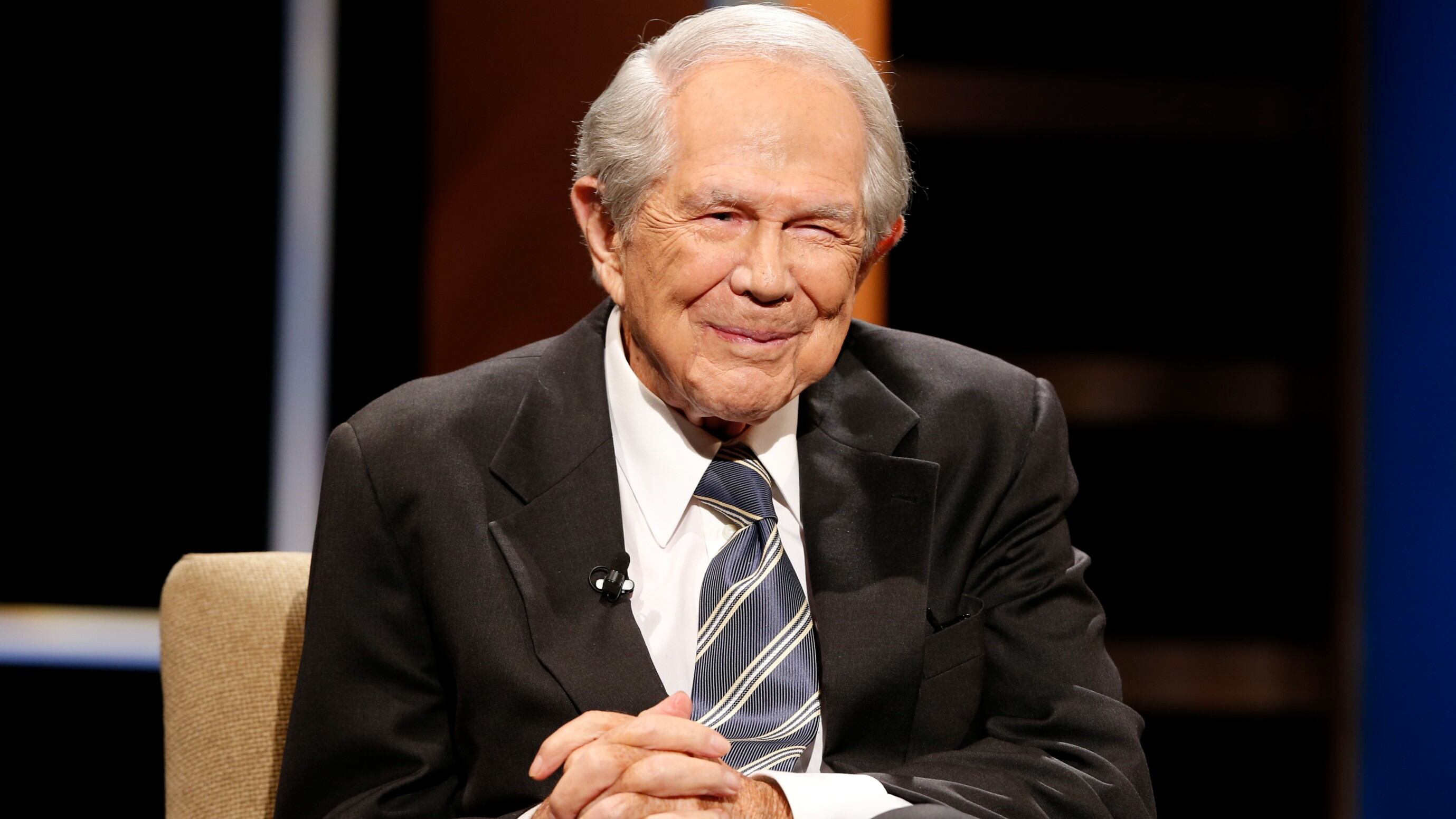
Pat Robertson, a religious broadcaster who turned a tiny Virginia station into the global Christian Broadcasting Network, tried a run for president and helped make religion central to Republican Party politics in America through his Christian Coalition, has died. He was 93.
The Supreme Court on Thursday issued a surprising 5-4 ruling in favor of Black voters in a congressional redistricting case, ordering the creation of a second district with a large Black population.
Mike Pence opened his presidential bid with an unusually forceful critique of former President Donald Trump over Jan. 6, his temperament and abortion on Wednesday as he became the first vice president in modern history to challenge his former running mate.
Former New Jersey Gov. Chris Christie wasted no time going after Donald Trump while launching his presidential campaign on Tuesday, calling the former president and current Republican primary front-runner a “lonely, self-consumed, self-serving mirror hog" and arguing that he's the only one who can stop him.
Saying gender identity is real, a federal judge temporarily blocked portions of a new Florida law that bans transgender minors from receiving puberty blockers, ruling Tuesday that the state has no rational basis for denying patients treatment.