By Mark Sherman

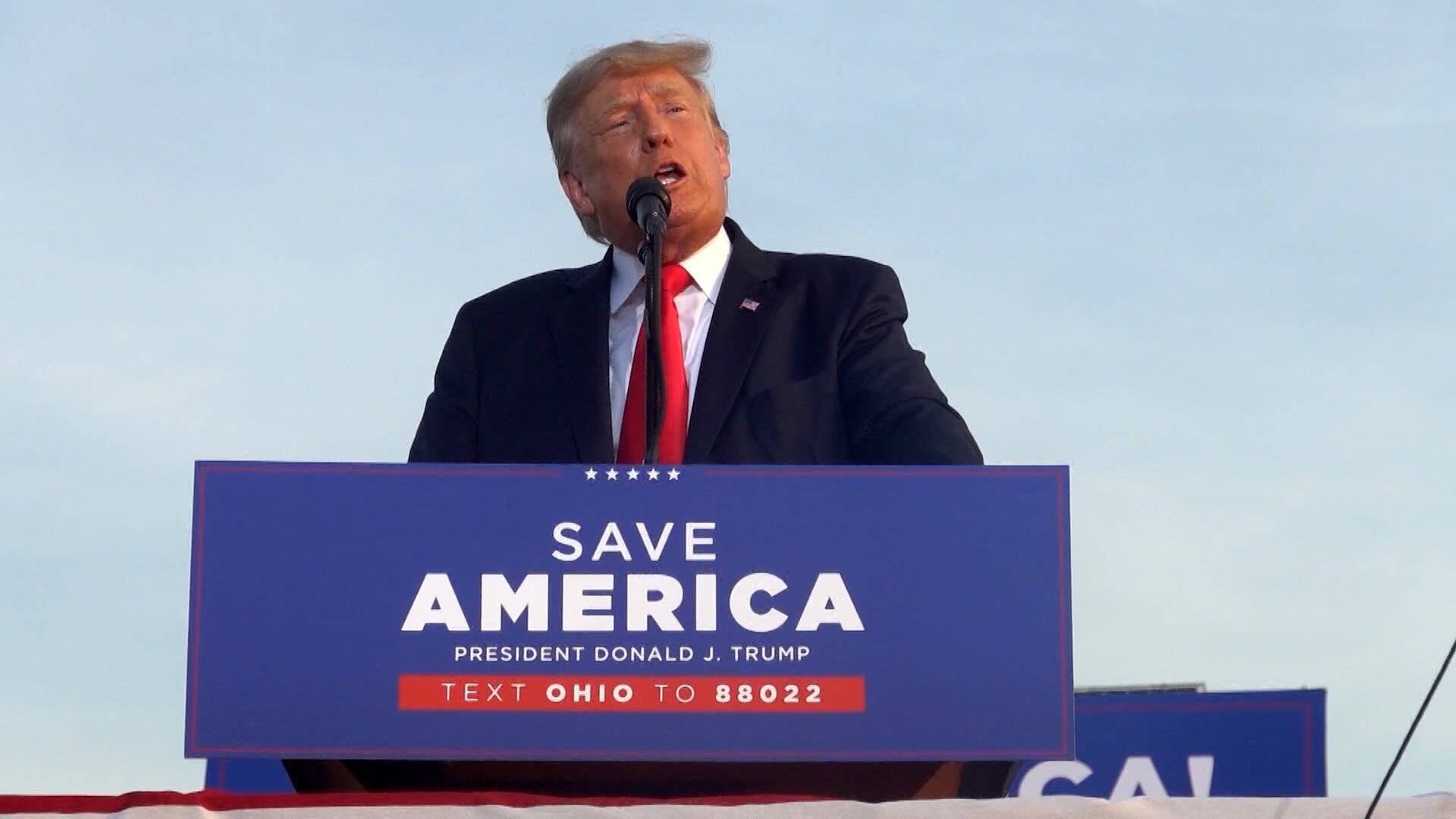
A deadline set Tuesday under federal law essentially locks in President-elect Joe Biden’s victory, even though President Donald Trump is still falsely claiming he won reelection.

Other than Wisconsin, every state appears to have met the safe harbor deadline, which means Congress has to accept the electoral votes that will be cast next week and sent to the Capitol for counting on Jan. 6. Those votes will elect Biden as the country's next president.

It's called a safe harbor provision because it’s a kind of insurance policy by which a state can insulate its electoral votes against challenges in Congress by finishing up certification of the results and any state court legal challenges by the deadline, which this year is Tuesday.

“What federal law requires is that if a state has completed its post-election certification by Dec. 8, Congress is required to accept those results,” said Rebecca Green, an election law professor at the William & Mary law school in Williamsburg, Virginia.

The Electoral College is a creation of the Constitution, but Congress sets the date for federal elections and, in the case of the presidency, determines when presidential electors gather in state capitals to vote.

In 2020, that date is Dec. 14. The safe harbor deadline is six days earlier.

By the end of the day, every state is expected to have made its election results official, awarding 306 electoral votes to Biden and 232 to Trump.

The attention paid to the normally obscure safe harbor provision is a function of Trump's unrelenting efforts to challenge the legitimacy of the election. He has refused to concede, made unsupported claims of fraud, and called on Republican lawmakers in key states to appoint electors who would vote for him even after those states have certified a Biden win.

But Trump's arguments have gone nowhere in court in Arizona, Georgia, Michigan, Nevada, Pennsylvania and Wisconsin. Most of his campaign's lawsuits in state courts challenging those Biden victories have been dismissed, with the exception of Wisconsin, where a hearing is scheduled for later this week.

Like the others, the lawsuit does not appear to have much chance of succeeding, but because it was filed in accordance with state procedures for challenging election results, “it's looking to me like Wisconsin is going to miss the safe harbor deadline because of that,” said Edward Foley, a professor of election law at Ohio State University's Moritz School of Law.

Judge Stephen Simanek, appointed to hear the case, has acknowledged that the case would push the state outside the electoral vote safe harbor.

Missing the deadline won't deprive Wisconsin of its 10 electoral votes. Biden electors still will meet in Madison on Monday to cast their votes and there's no reason to expect that Congress won't accept them. In any case, Biden would still have more than the 270 votes he needs even without Wisconsin's.

But lawmakers in Washington could theoretically second-guess the slate of electors from any state that misses the Dec. 8 deadline, Foley said.

Already one member of the House of Representatives, Rep. Mo Brooks, R-Ala., has said he will challenge electoral votes for Biden on Jan. 6. Brooks would need to object in writing and be joined by at least one senator. If that were to happen, both chambers would debate the objections and vote on whether to sustain them.

But unless both houses agreed to the objections, they would fail.

The unwillingness of Trump and his supporters to concede is “dangerous because in an electoral competition, one side wins, one side loses and it's essential that the losing side accepts the winner’s victory. What is really being challenged right now is our capacity to play by those rules," Foley said.

The safe harbor provision played a prominent role in the Bush v. Gore case after the 2000 presidential election. The Supreme Court shut down Florida’s state-court-ordered recount because the safe harbor deadline was approaching. The court's opinion was issued Dec. 12, the deadline in 2000.

Vice President Al Gore conceded the race to George W. Bush, then the Texas governor, the next day.

In his dissent, Justice Stephen Breyer said the deadline that really mattered was the day on which the Electoral College was scheduled to meet. Whether there was time to conduct a recount by then “is a matter for the state courts to determine,” Breyer wrote.

When Florida's electoral votes, decisive in Bush's victory, reached Congress, several Black House members protested, but no senators joined in. It was left to Gore, who presided over the count as president of the Senate, to gavel down the objections from his fellow Democrats.


Share:
More In Politics
Chicago Cancels School After Teachers Vote to Go Remote Over Lack of COVID Safety
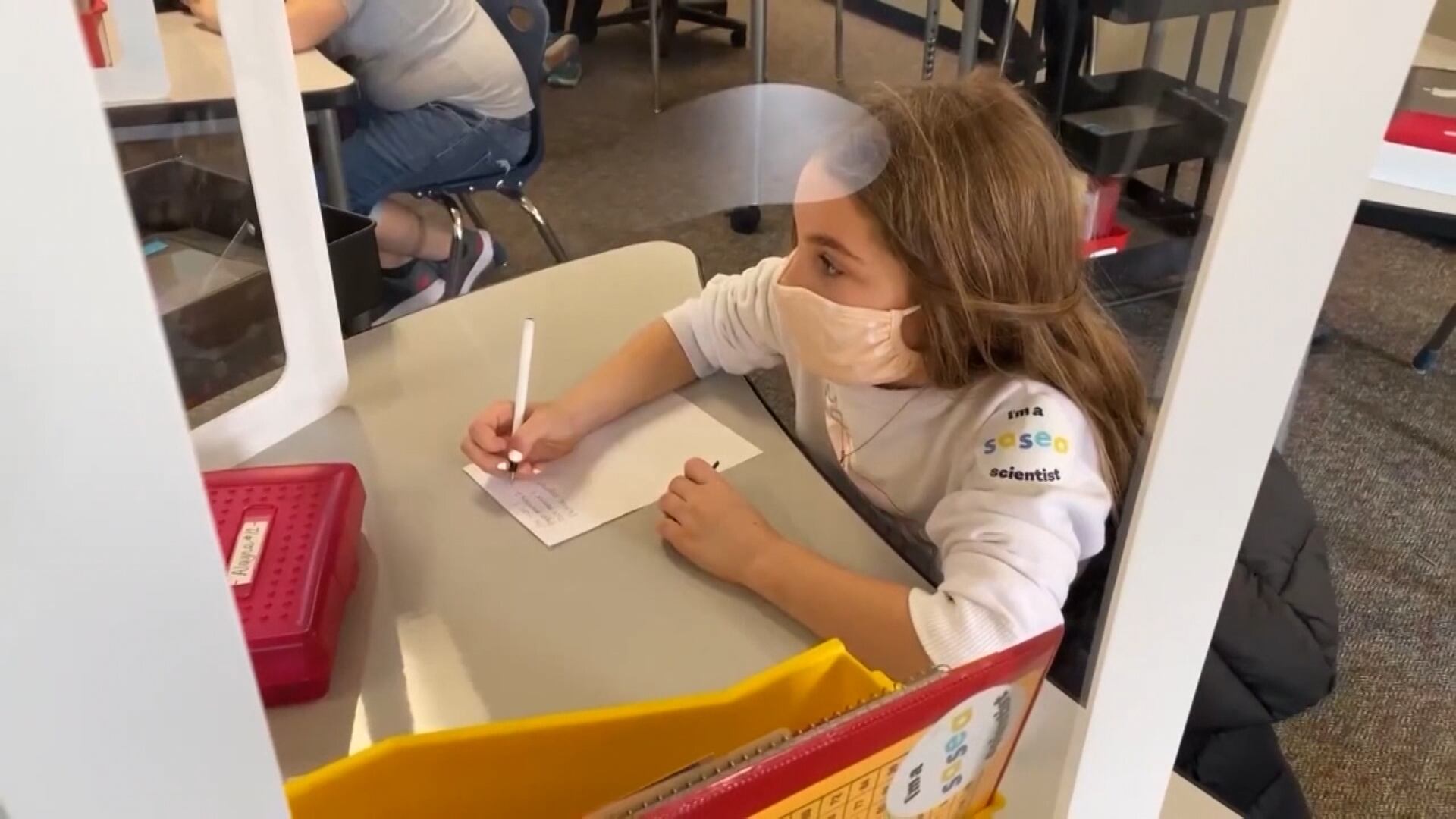
After the Chicago teachers union voted to work remotely due to what they say is a lack of safety protocols amid the COVID-19 surge, the school system canceled classes on Wednesday, citing harm that remote learning has done to the city's children. Randi Weingarten, president of the American Federation of Teachers, joined Cheddar to discuss the issues surrounding the latest dispute between educators and schools. She said that the return to in-person learning would likely be halted until more COVID tests could be provided for districts. "This is a terrible situation for everybody, and we need the testing, and we need the masks," she said. "It's the omicron surge that has created this disruption, and we are trying to do the best we can. And this is the only school district that has this kind of action right now." The teachers might not be returning to their schools for at least two weeks amid the ongoing tensions.
White House Devotes $1 Billion To Independent Meat and Poultry Producers
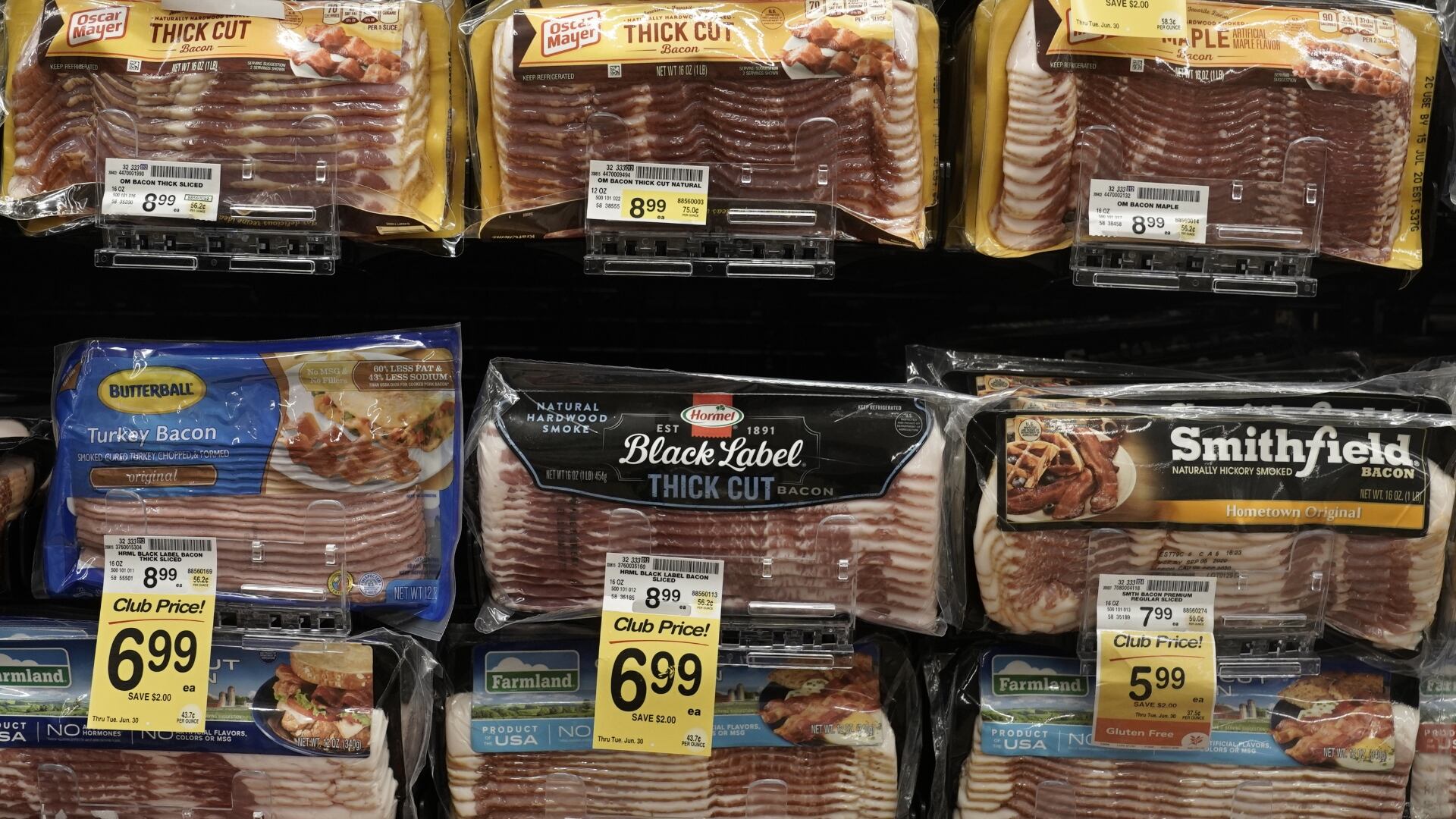
On Monday, President Biden announced his new plan to take on inflation by taking down the big meat monopolies - turning to the federal government's antitrust authorities to investigate the major meatpackers that control a significant share of the market. The White House plans to devote one billion dollars to aiding independent meat and poultry producers in an effort to undercut the few powerful meat producers that have control of the sector. Austin Frerick, deputy director of Thurman Arnold Project at Yale, joins Cheddar News to discuss.
430,000 New Businesses Launched in November
As the pandemic drags on, so does the widespread great resignation. In November alone, 4.5 million Americans quit their jobs, marking a new record high, and showing a 9 percent jump from the month prior. On the flip side, the number of people filing tax paperwork to start new businesses is surging, with over 430,000 new businesses launching in November. Rhett Buttle, the founder of Public Private Strategies and national business advisor to the Biden for President campaign, joined Wake Up with Cheddar to discuss.
New York Attorney General Issues Subpoenas to Trump Children
New York Attorney General Letitia James is ramping up a civil investigation into The Trump Organization. The AG's office has subpoenaed Ivanka Trump and Donald Trump Jr. They have refused to comply with the subpoenas. Bradley Moss, national security attorney, joins Cheddar News to discuss the next steps in this investigation.
Colorado Gov. Polis Reduces Truck Driver Sentence To 10 Years
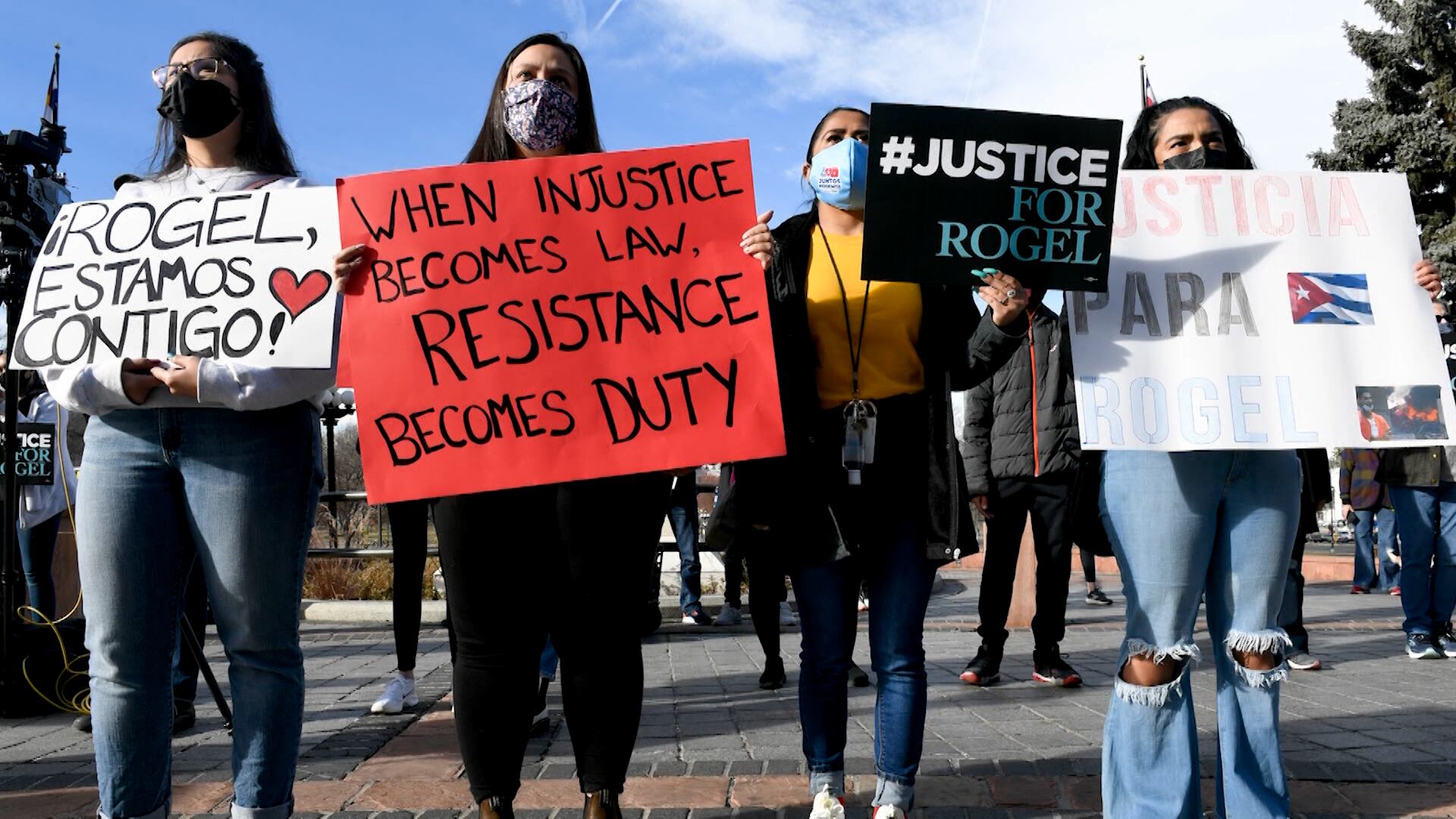
Colorado Gov. Jared Polis has officially reduced the 110-year prison sentence of truck driver Rogel Aguilera-Mederos to 10 years, calling the initial lengthy sentence “unjust.” Dan Gilleon, constitutional attorney at Gilleon Law Firm APC, joined Cheddar to discuss more.
Eric Adams Becomes 110th Mayor Of New York City
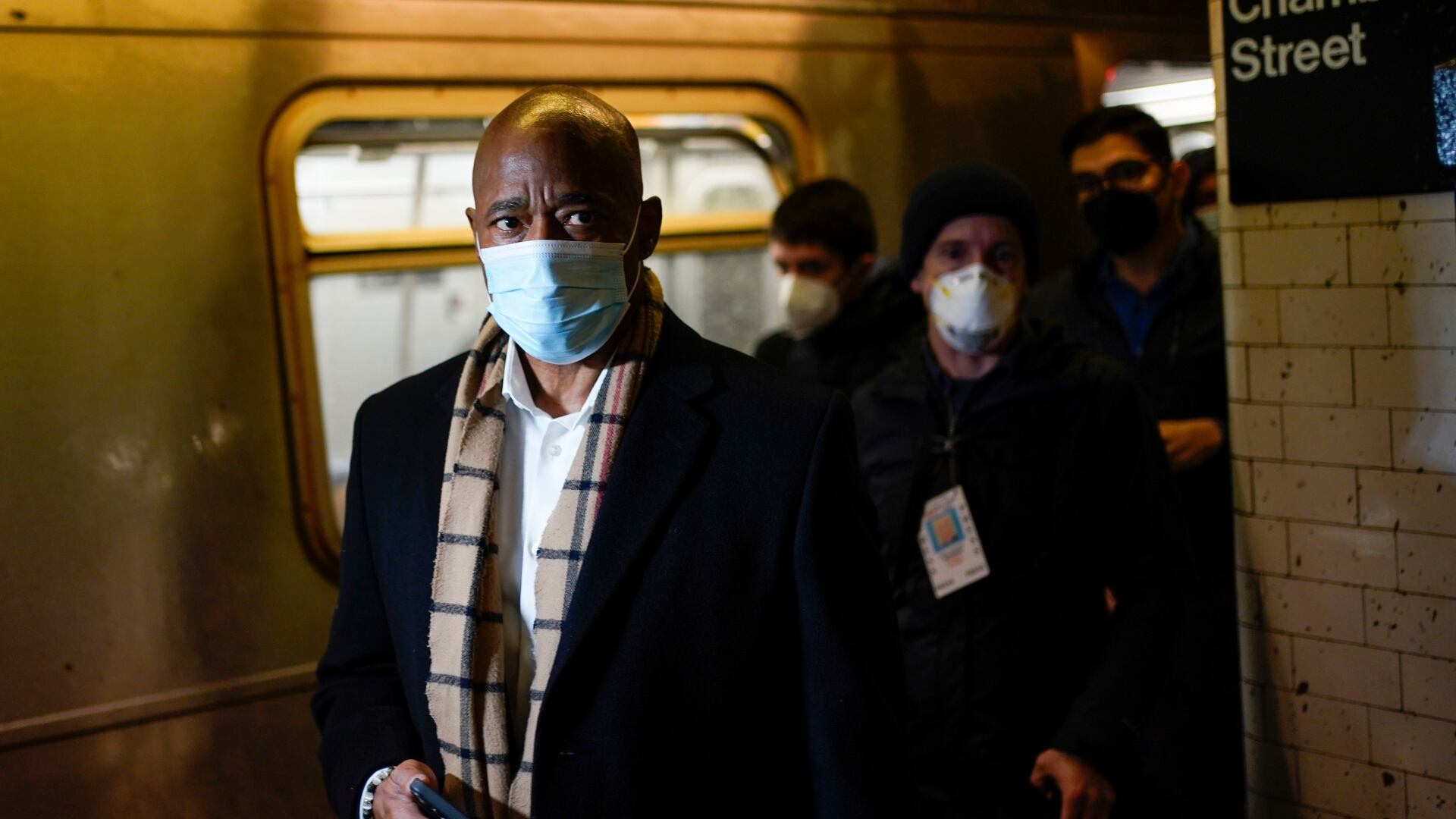
Former Brooklyn Borough President Eric Adams was sworn in as the newest Mayor of New York City. Adams is now expected to work on a number of issues such as crime and coronavirus. Erin Durkin,, reporter at PoliticoNY, joins Cheddar News to discuss more.
California Starts Largest U.S. Food Waste Recycling Program
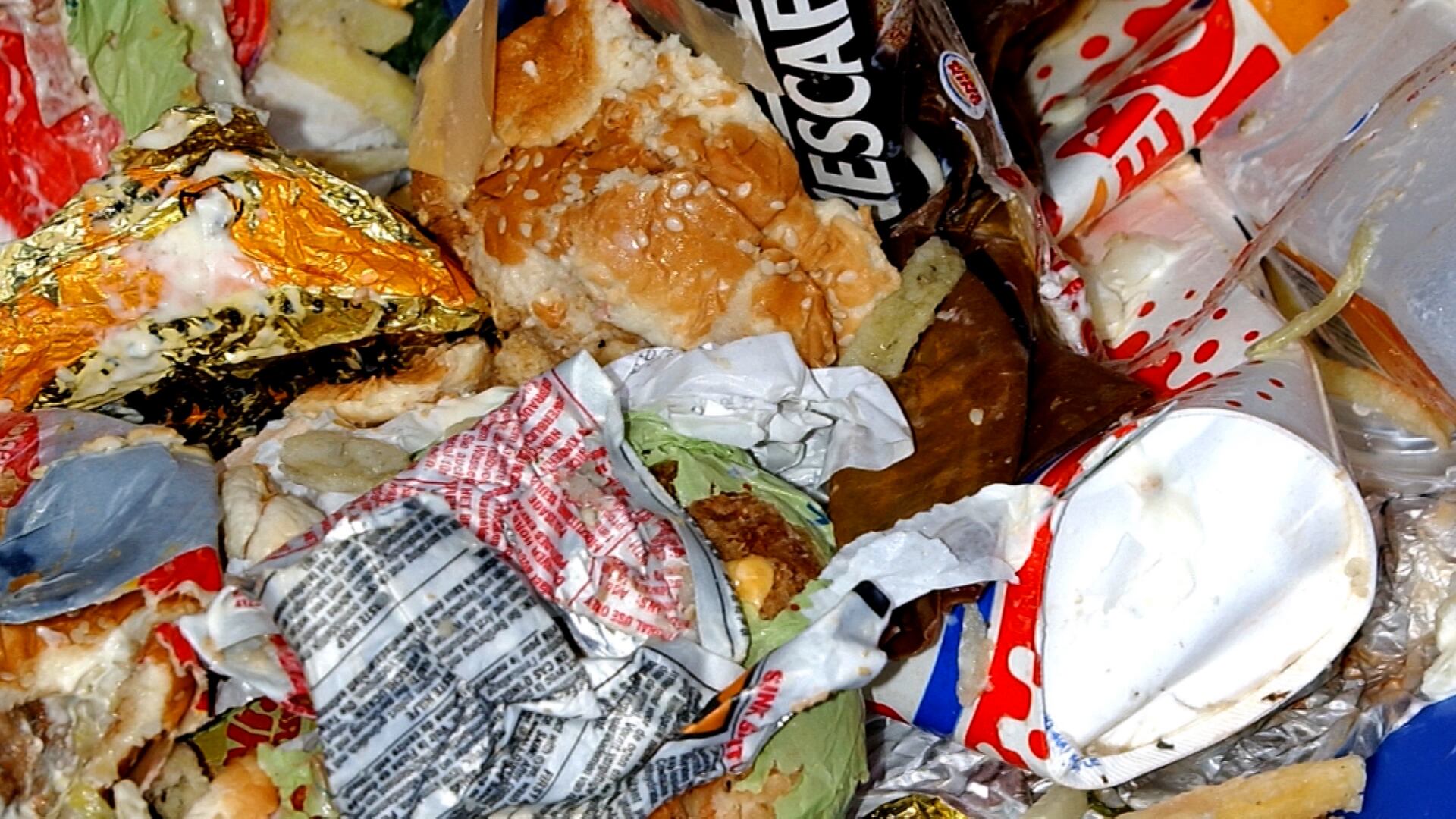
California's new composting law will affect what residents do in their kitchens. As of this week, Californians will have to recycle excess food in an effort to reduce emissions caused by food waste. Cities and counties will turn recycled food into compost or use it as a renewable energy source. California's new law is the largest mandatory residential food waste recycling program in the country. Rachel Wagoner, Director of the California Department of Resources, Recycling and Recovery called the law 'the biggest change to trash' since recycling started in the 1980s. She joined Cheddar Climate to discuss.
'American Insurrection' Documentary Updated With New Info a Year After January 6 Attacks
As the U.S. comes up on the first anniversary of the January 6 insurrection.,A.C. Thompson, investigative reporter at ProPublica, joined Cheddar's Baker Machado to discuss updates to American Insurrection by FRONTLINE, ProPublica and Berkeley Journalism’s Investigative Reporting Program. The documentary investigates the attack on the Capitol touched off by the lie that the presidential election was stolen from Donald Trump but with new information gleaned since the event including interviews with lawmakers and law enforcement and the evolution of groups like the Boogaloo Boys and the Proud Boys behind the attack. "In some ways those groups that were kind of the vanguard of January 6 are maybe no longer relevant because their message is everywhere," he said.
Load More