As voters weigh the candidates’ various proposals heading into the 2020 presidential election, issues around higher education and mounting national student loan debt are factors many are considering before casting a ballot.
Currently, more than 40 million Americans have student loan debt, and collectively they owe the federal government $1.5 trillion. In a poll conducted by Cheddar, 12 percent of prospective voters said they defaulted on their loans with another 8 percent in danger of doing the same.
A Brookings study found that approximately 40 percent of student loan borrowers are expected to default by 2023. The financial strain, particularly in a year where the COVID-19 crisis has piled up hospital bills for many families, has moved student debt planning higher up on the list of critical voting concerns.
Plans for higher education
The Trump administration so far has rolled out the College Scorecard, a tool for prospective college students to navigate the cost of various schools, the earning potential based on major, and secondary higher education options, like apprenticeships. The president largely views higher education as a consumer-driven marketplace.
While federal spending under Trump has reached landmark levels, he plans to slash funds for higher education by $170 billion. The cut would effectively limit access to students in need of financial aid, but the president has shown some flexibility on Pell Grants for lower-income families. Access to government-subsidized loans would also end, leaving those still in school or facing an economic fallout to cover interest fees.
Joe Biden, meanwhile, has a plan to cancel student debt for millions of qualifying students. Those who attended public universities, historically Black colleges and universities, or minority-serving institutions would have their loans wiped out. He also has said that attending public universities should be free for low and middle-income students.
Students from families making less than $125,000 annually would also have their obligations forgiven.
Read More on Trump and Biden's Plans:
Trump vs. Biden on Raising the Federal Minimum Wage
Biden vs. Trump on Student Loans and Higher Education
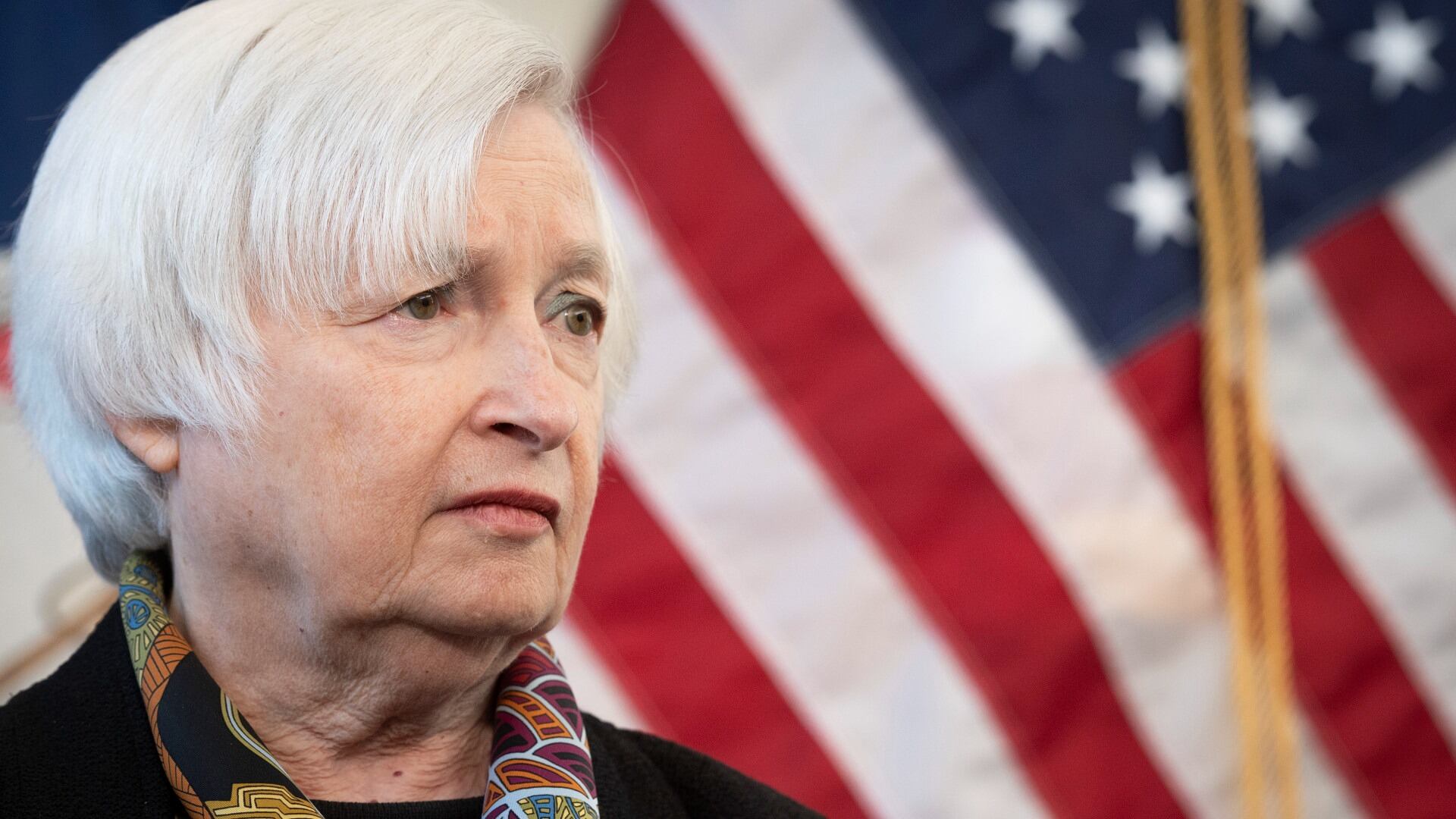
In a TV interview Sunday, Yellen didn't rule out President Joe Biden acting on his own to try to avert a first-ever federal default.
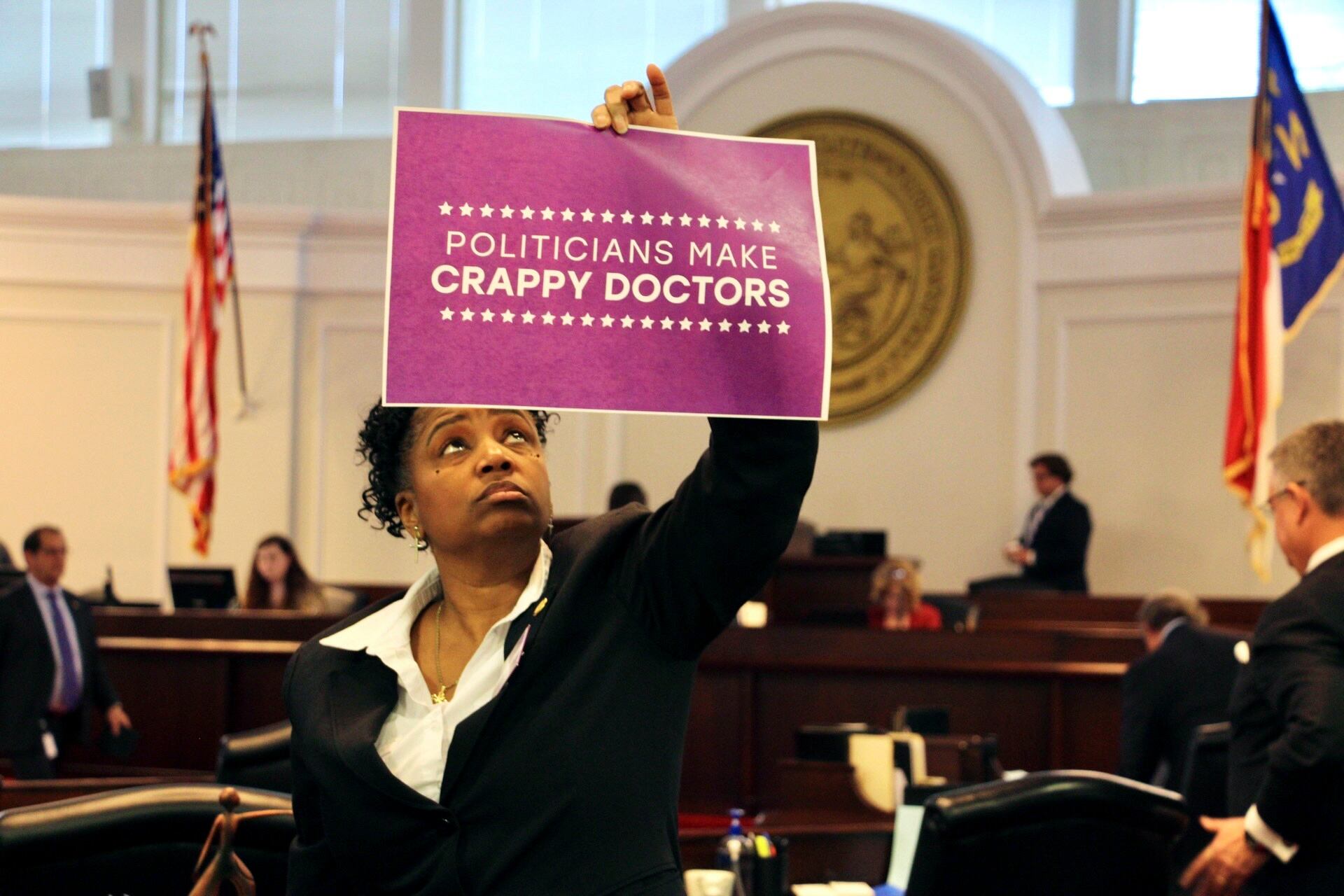
North Carolina lawmakers on Thursday approved and sent to the governor a ban on nearly all abortions after 12 weeks of pregnancy, down from the current 20 weeks, in response to last year’s overturning of Roe v. Wade at the U.S. Supreme Court.
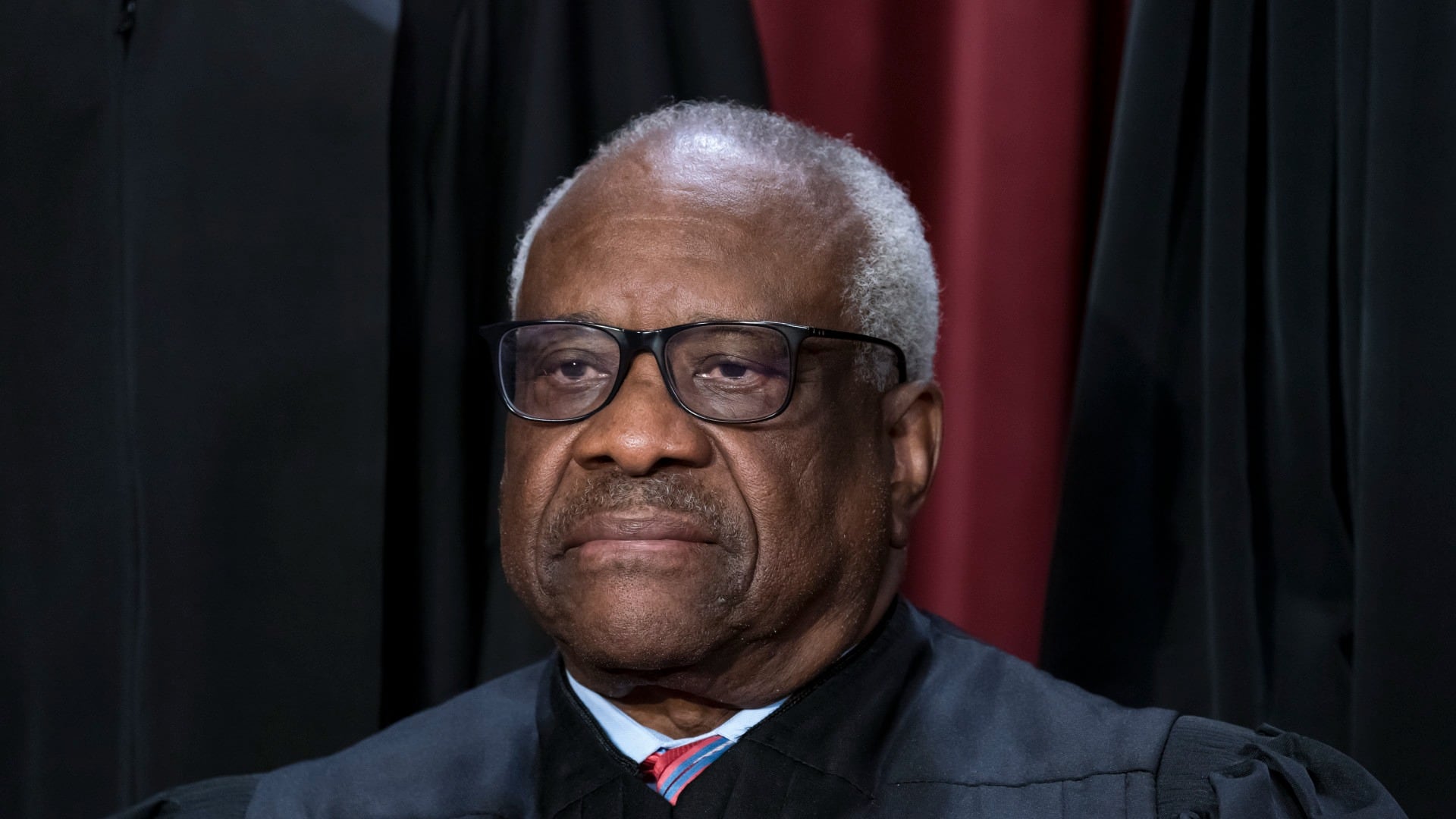
Associate Justice Clarence Thomas joins other members of the Supreme Court as they pose for a new group portrait, at the Supreme Court building in Washington, Oct. 7, 2022. A Republican megadonor paid two years of private school tuition for a child raised by Supreme Court Justice Clarence Thomas, who did not disclose the payments, a lawyer who has represented Thomas and his wife acknowledged Thursday. (AP Photo/J. Scott Applewhite, File)
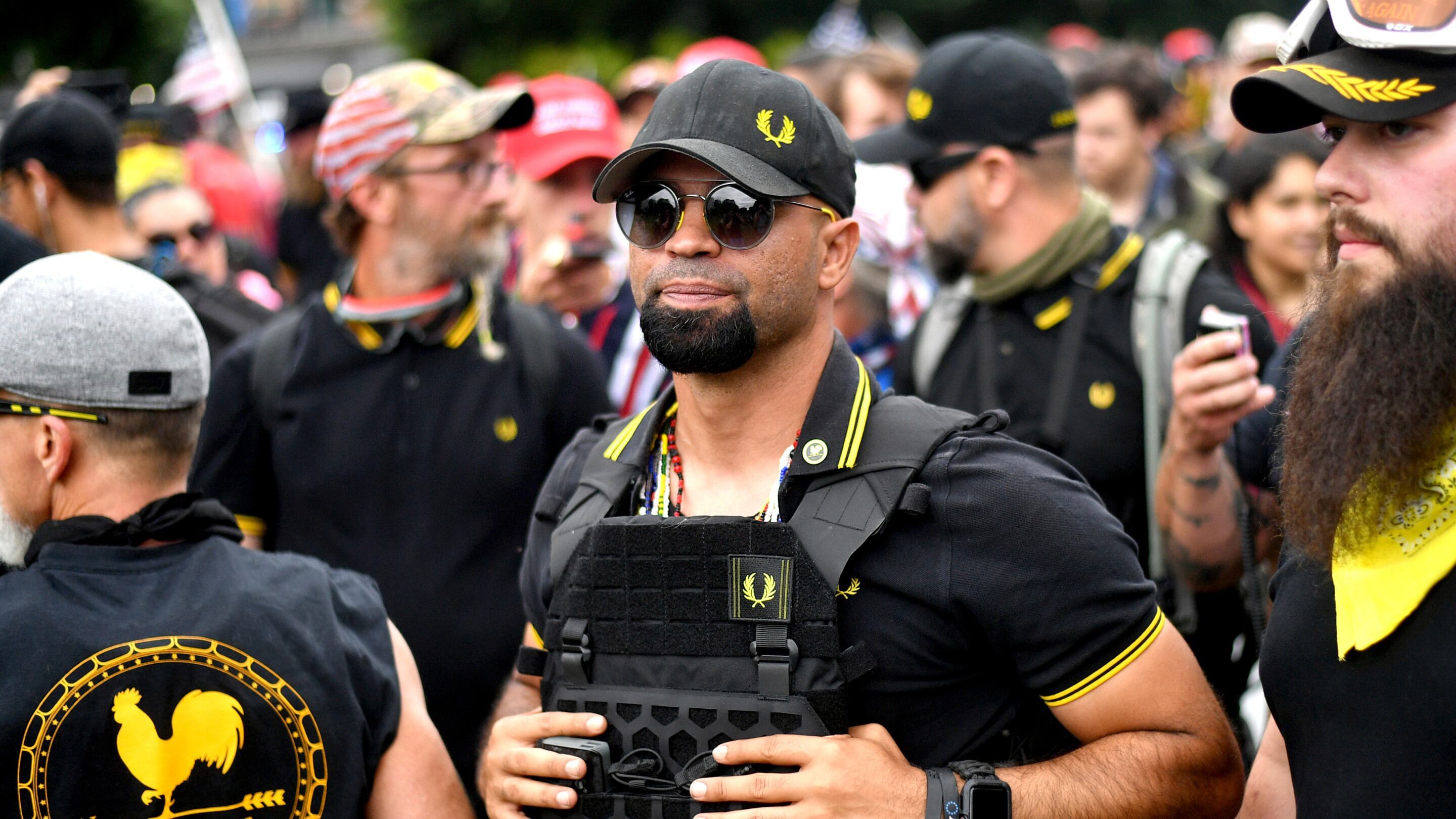
Former Proud Boys leader Enrique Tarrio and three other members of the far-right extremist group were convicted Thursday of a plot to attack the U.S. Capitol.
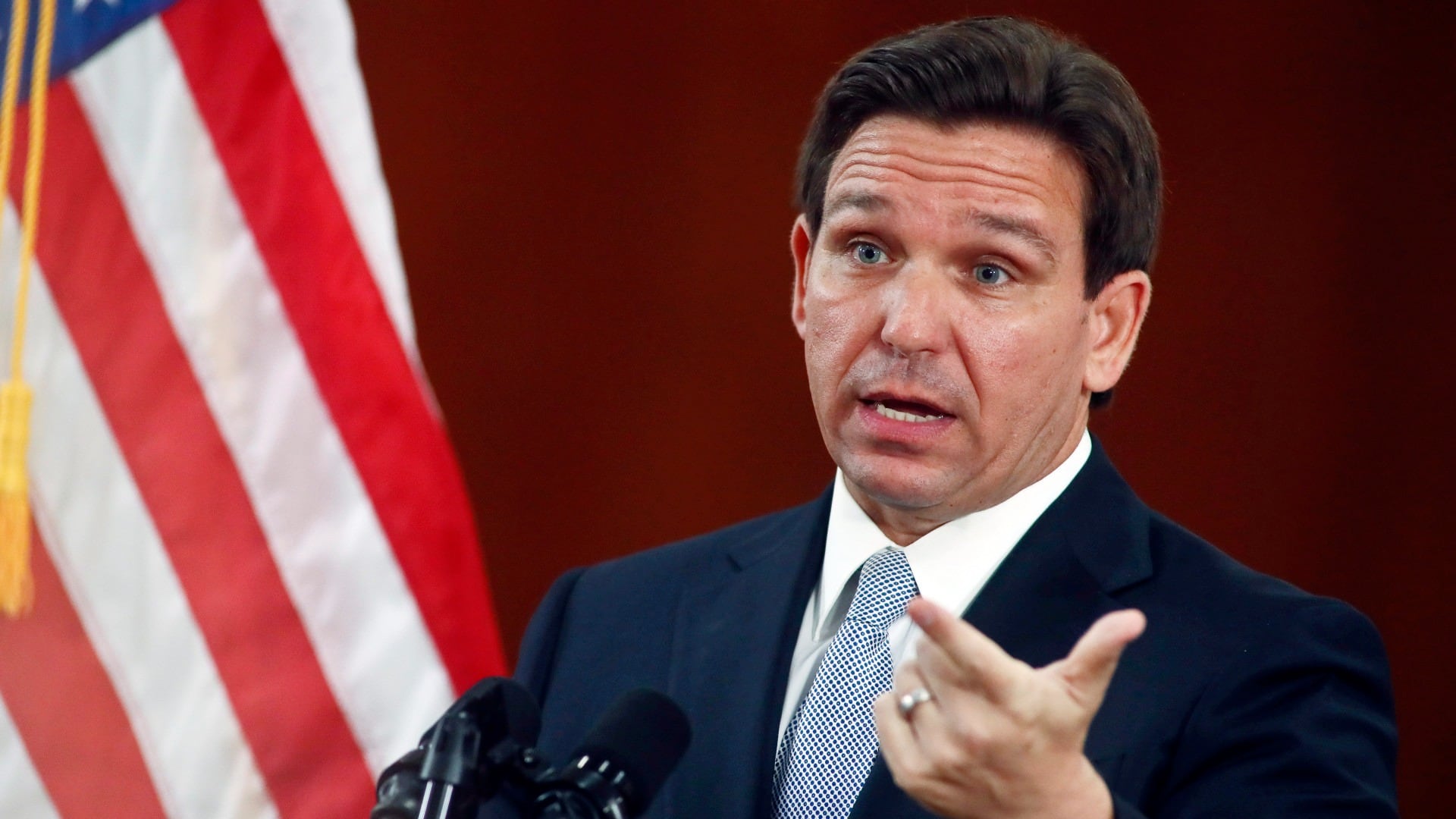
Florida Republicans on Wednesday approved bills to ban diversity programs in colleges and prevent students and teachers from being required to use pronouns that don't correspond to someone's sex, building on top priorities of Republican Gov. Ron DeSantis.
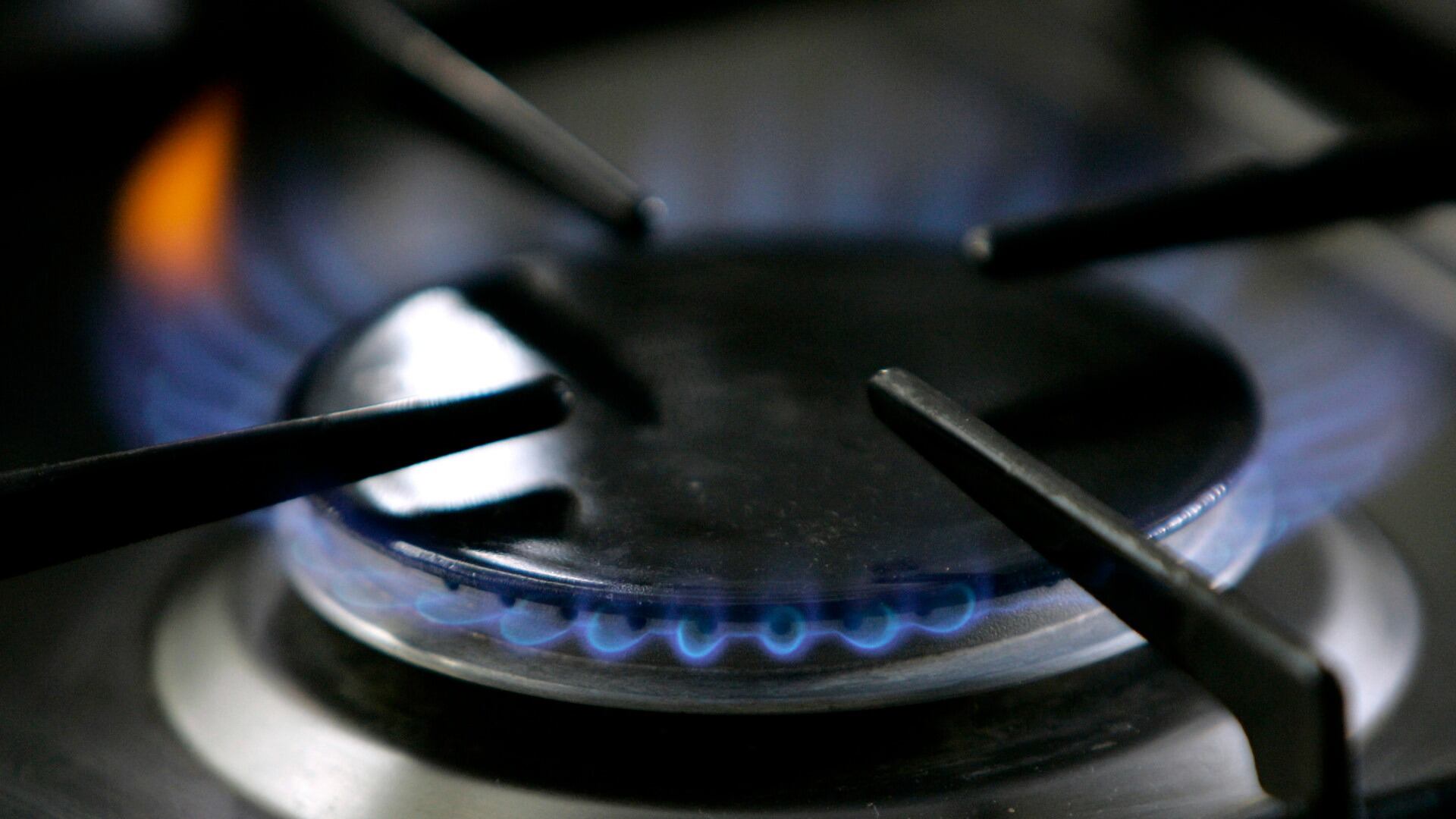
New York state is banning natural gas stoves and furnaces in most new buildings in an effort to reduce greenhouse gas emissions.
Authorities in the U.S. and Europe arrested nearly 300 people, confiscated over $53 million, and seized a dark web marketplace as part of an international crackdown on drug trafficking that officials say was the largest operation of its kind.
Oregon Secretary of State Shemia Fagan has stepped down shortly after apologizing for accepting a payment of $10,000 per month from a consultancy firm for a marijuana company.
U.S. and Mexican officials have agreed on new immigration policies meant to deter illegal border crossings.
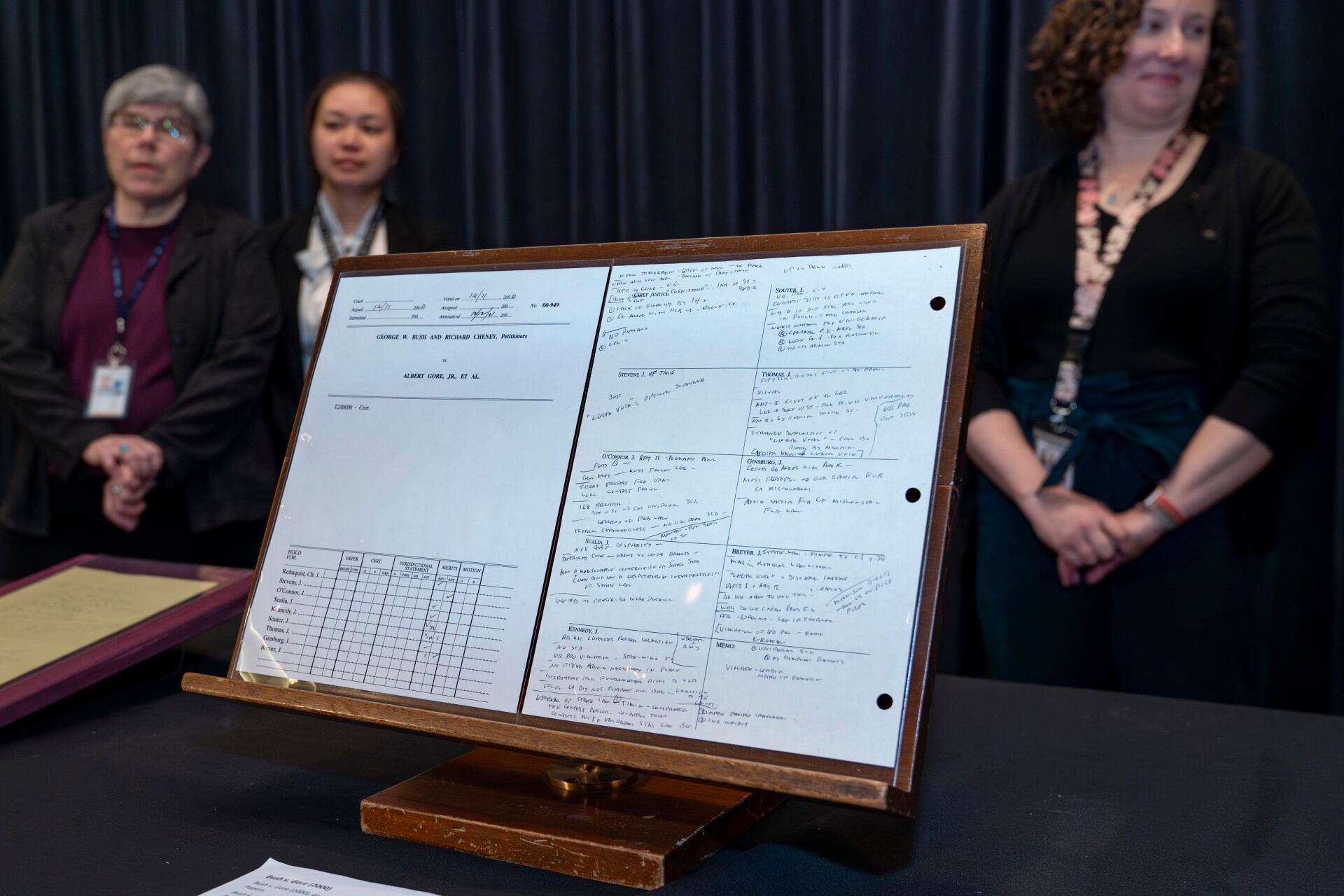
Newly opened records that belonged to Supreme Court Justice John Paul Stevens give the public a behind-the-scenes glimpse at his decades on the court, including the tense struggle over the 2000 presidential election and major cases on affirmative action and abortion.