As voters weigh the candidates’ various proposals heading into the 2020 presidential election, issues around higher education and mounting national student loan debt are factors many are considering before casting a ballot.
Currently, more than 40 million Americans have student loan debt, and collectively they owe the federal government $1.5 trillion. In a poll conducted by Cheddar, 12 percent of prospective voters said they defaulted on their loans with another 8 percent in danger of doing the same.
A Brookings study found that approximately 40 percent of student loan borrowers are expected to default by 2023. The financial strain, particularly in a year where the COVID-19 crisis has piled up hospital bills for many families, has moved student debt planning higher up on the list of critical voting concerns.
Plans for higher education
The Trump administration so far has rolled out the College Scorecard, a tool for prospective college students to navigate the cost of various schools, the earning potential based on major, and secondary higher education options, like apprenticeships. The president largely views higher education as a consumer-driven marketplace.
While federal spending under Trump has reached landmark levels, he plans to slash funds for higher education by $170 billion. The cut would effectively limit access to students in need of financial aid, but the president has shown some flexibility on Pell Grants for lower-income families. Access to government-subsidized loans would also end, leaving those still in school or facing an economic fallout to cover interest fees.
Joe Biden, meanwhile, has a plan to cancel student debt for millions of qualifying students. Those who attended public universities, historically Black colleges and universities, or minority-serving institutions would have their loans wiped out. He also has said that attending public universities should be free for low and middle-income students.
Students from families making less than $125,000 annually would also have their obligations forgiven.
Read More on Trump and Biden's Plans:
Trump vs. Biden on Raising the Federal Minimum Wage
Biden vs. Trump on Student Loans and Higher Education
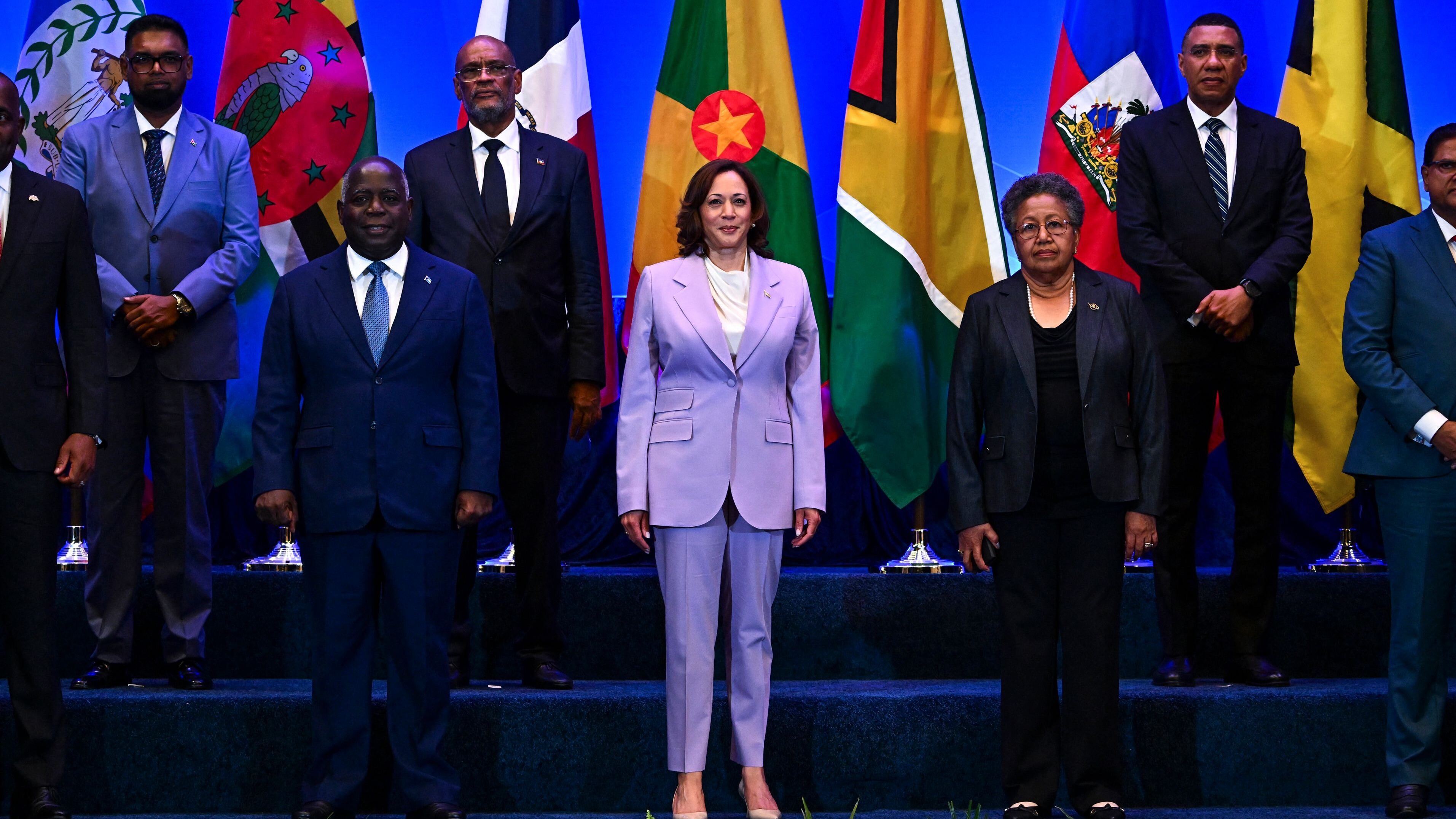
U.S. Vice President Kamala Harris announced Thursday that the U.S. is investing more than $100 million in the Caribbean region to crack down on weapons trafficking, help alleviate Haiti’s humanitarian crisis and support climate change initiatives.
At Cleveland's Urban Kutz Barbershop, customers can flip through magazines as they wait, or help themselves to drug screening tests left out in a box on a table with a somber message: “Your drugs could contain fentanyl. Please take free test strips.”
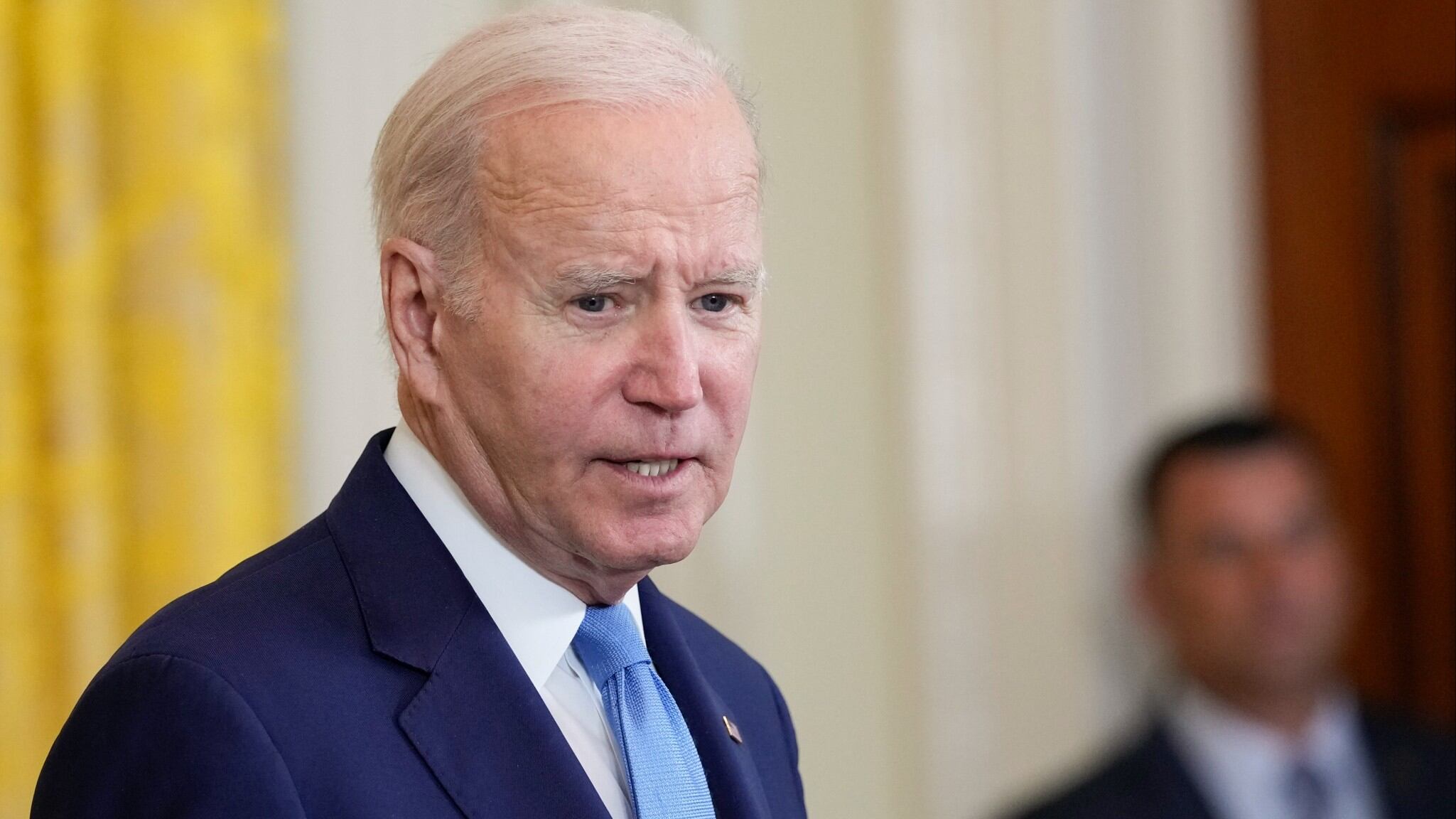
President Joe Biden on Thursday condemned a wave of “cruel” and “callous” state legislation curbing the rights, visibility and health care access of LGBTQ+ people, while causing the community to feel under attack for being who they are.
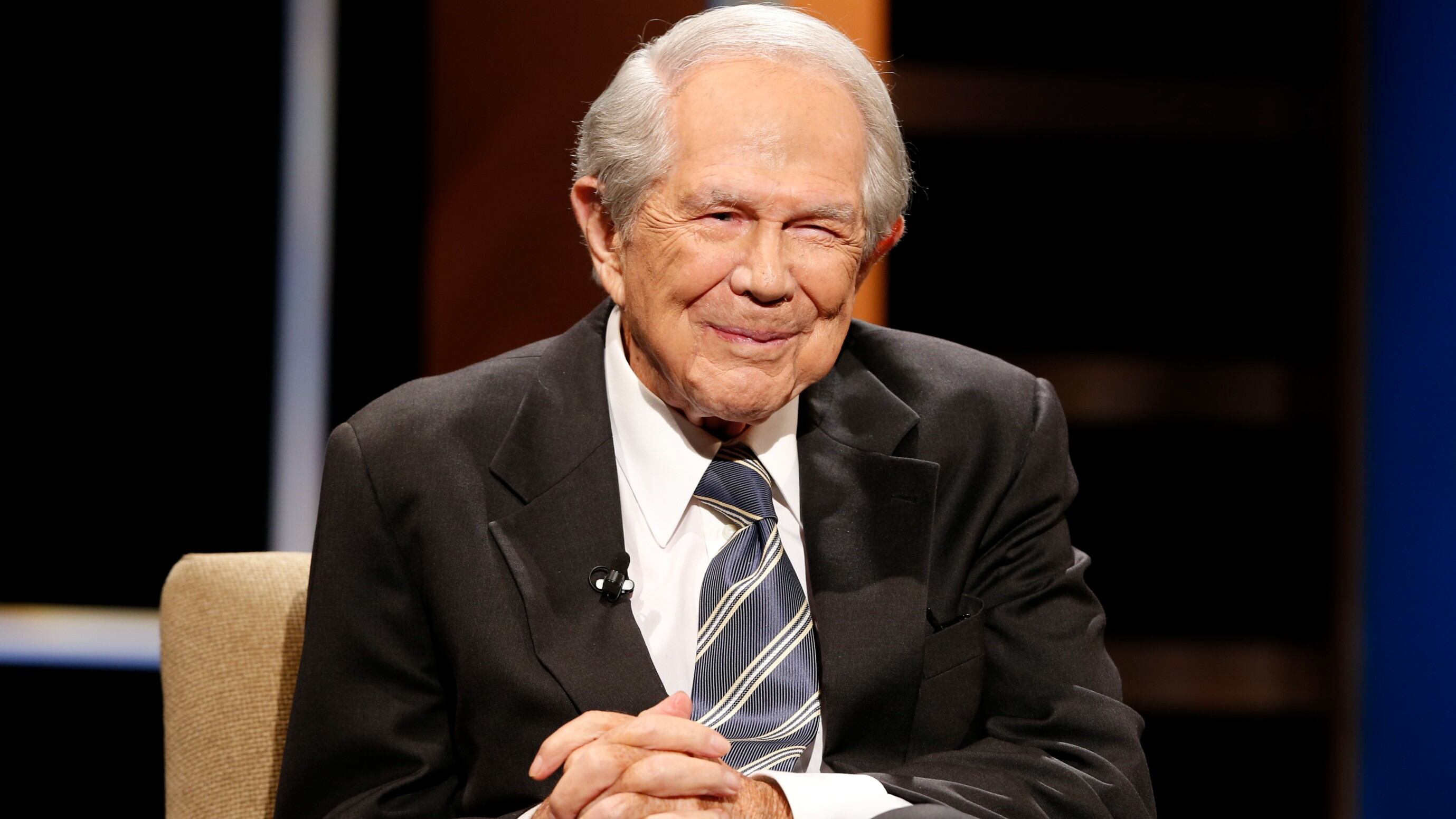
Pat Robertson, a religious broadcaster who turned a tiny Virginia station into the global Christian Broadcasting Network, tried a run for president and helped make religion central to Republican Party politics in America through his Christian Coalition, has died. He was 93.
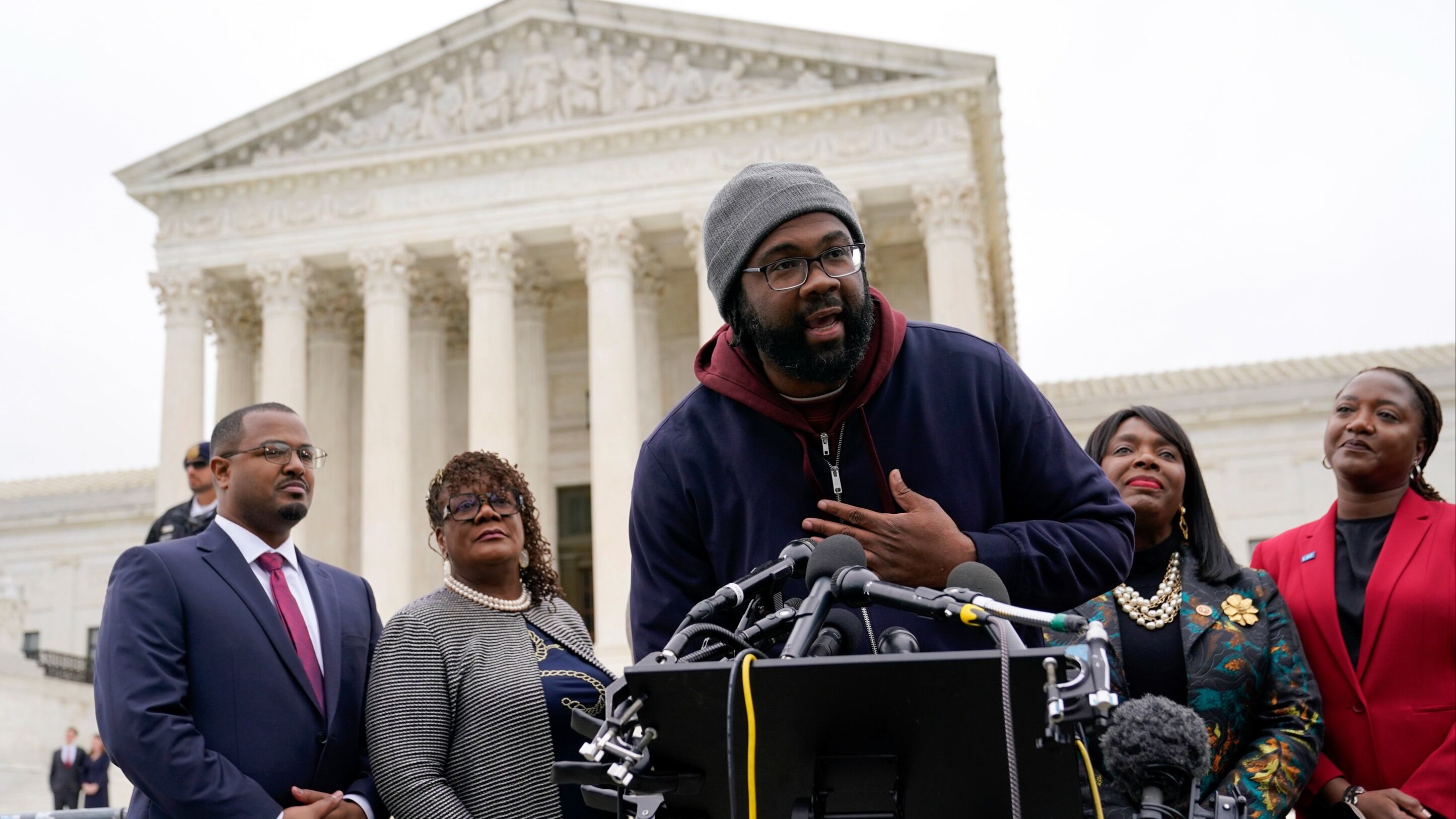
The Supreme Court on Thursday issued a surprising 5-4 ruling in favor of Black voters in a congressional redistricting case, ordering the creation of a second district with a large Black population.
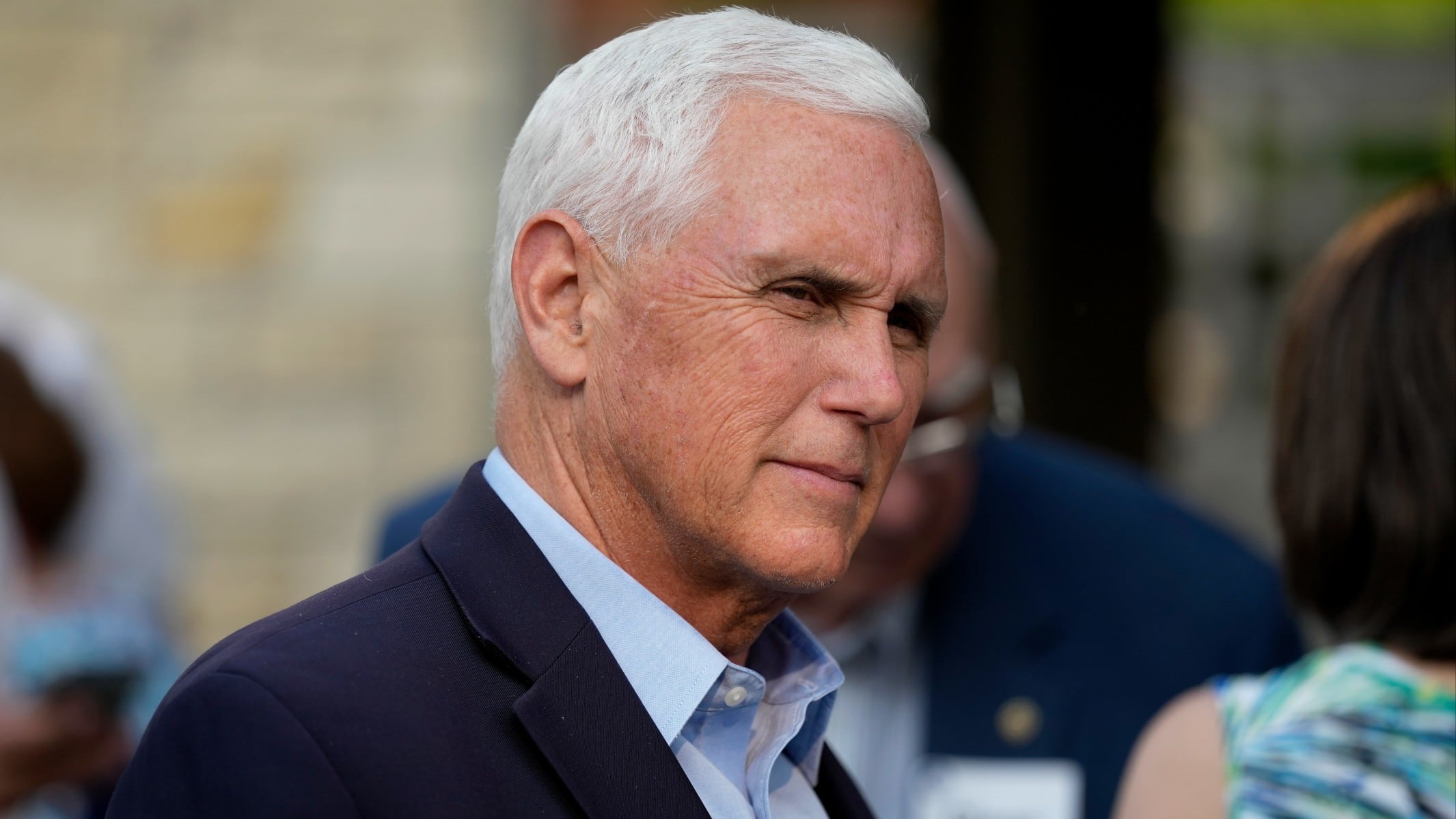
Mike Pence opened his presidential bid with an unusually forceful critique of former President Donald Trump over Jan. 6, his temperament and abortion on Wednesday as he became the first vice president in modern history to challenge his former running mate.
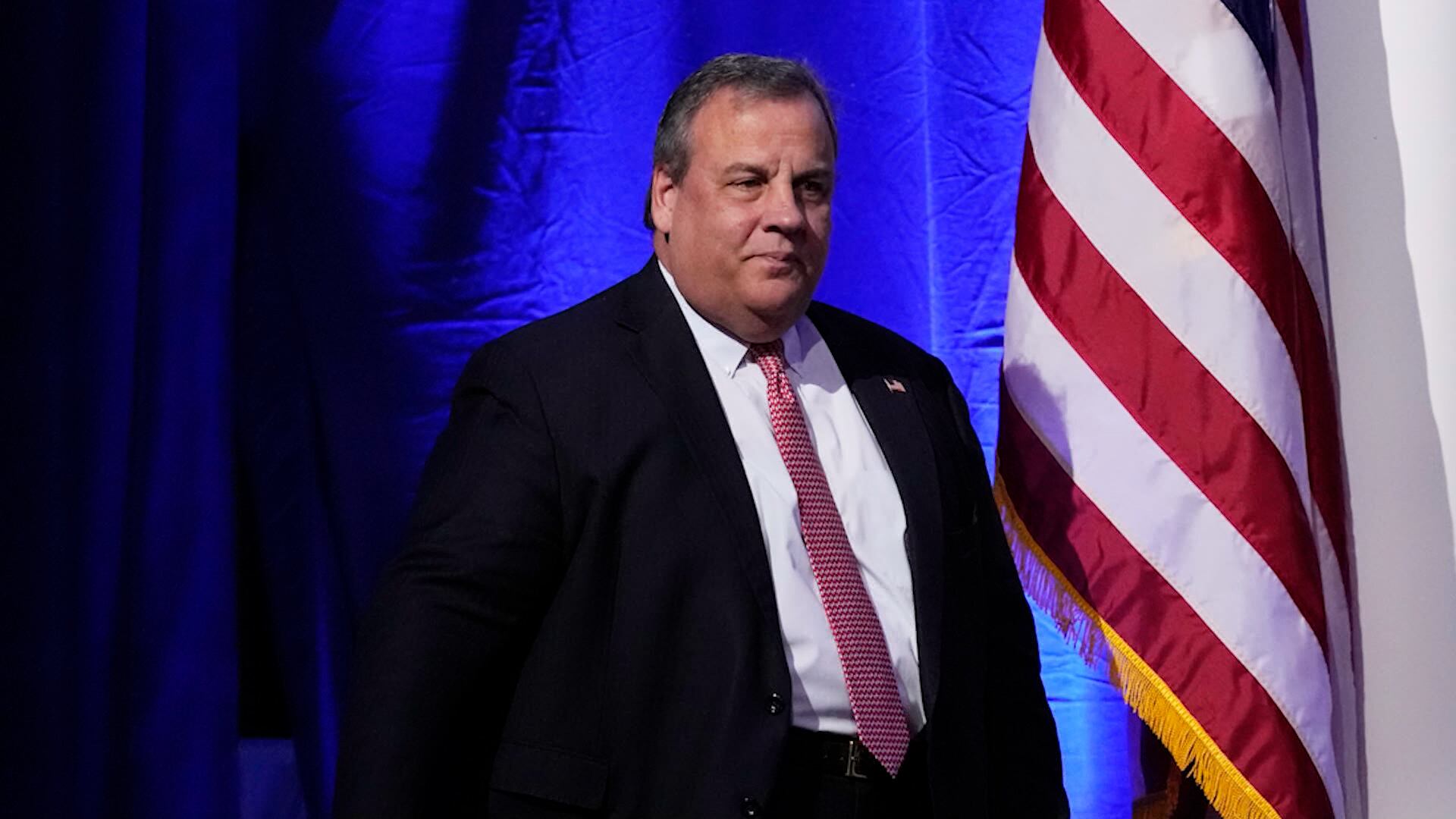
Former New Jersey Gov. Chris Christie wasted no time going after Donald Trump while launching his presidential campaign on Tuesday, calling the former president and current Republican primary front-runner a “lonely, self-consumed, self-serving mirror hog" and arguing that he's the only one who can stop him.
Saying gender identity is real, a federal judge temporarily blocked portions of a new Florida law that bans transgender minors from receiving puberty blockers, ruling Tuesday that the state has no rational basis for denying patients treatment.
With concerns about misinformation spreading online, European Union officials want to more closely regulate artificial intelligence, and they're asking the world's biggest tech companies for help.
Sens. Elizabeth Warren, Ron Wyden, Ed Markey, and Mazie Hirono sent a letter to top officials at Twitter expressing their concerns over the platform's privacy policy.