By Andrew Taylor
President-elect Joe Biden swung behind a bipartisan COVID-19 relief effort Wednesday and his top Capitol Hill allies cut their demands for a $2 trillion-plus measure by more than half in hopes of breaking a monthslong logjam and delivering much-sought aid as the tempestuous congressional session speeds to a close.
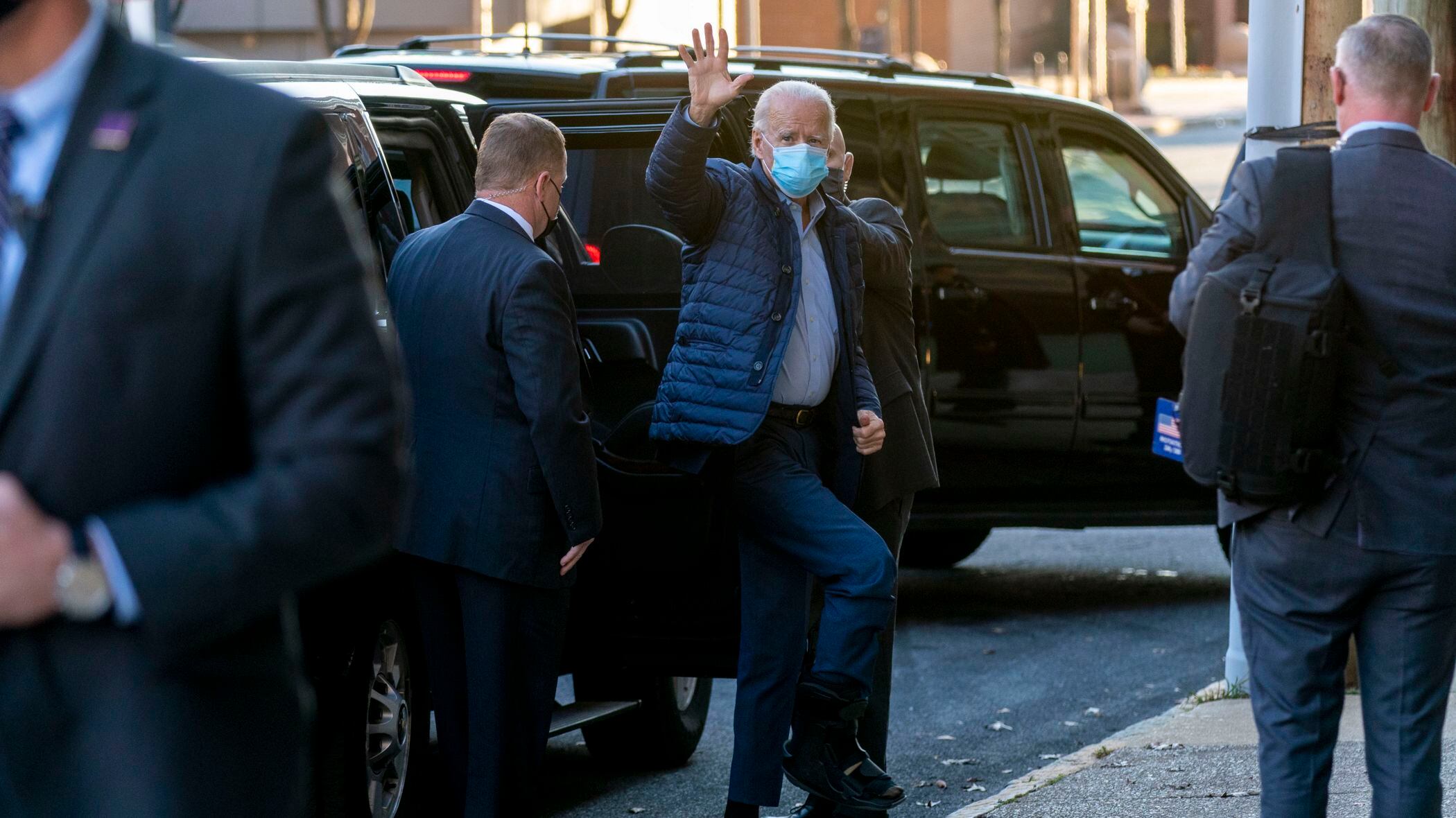
Biden said the developing aid package "wouldn’t be the answer, but it would be the immediate help for a lot of things.” He wants a relief bill to pass Congress now, with more aid to come next year.
Biden's remarks followed an announcement by House Speaker Nancy Pelosi, D-Calif., and Senate Democrat leader Chuck Schumer of New York in support of an almost $1 trillion approach as the “basis” for discussions. The announcement appeared aimed at budging Senate Majority Leader Mitch McConnell, R-Ky., who so far has been unwilling to abandon a $550 million Senate GOP plan that has failed twice this fall.
The Democrats embraced a $908 billion approach from moderate Sens. Joe Manchin, D-W.Va., and Susan Collins, R-Maine, among others. It would establish a $300 per week jobless benefit, send $160 billion to help state and local governments, boost schools and universities, revive popular “paycheck protection” subsidies for businesses, and bail out transit systems and airlines.
“In the spirit of compromise we believe the bipartisan framework introduced by Senators yesterday should be used as the basis for immediate bipartisan, bicameral negotiations," Pelosi and Schumer said. They said they would try to build upon the approach, which has support in the House from a bipartisan “problem solvers" coalition.
The statement was a significant concession by Pelosi and Schumer, who played hardball this fall during failed preelection discussions with the administration on a costlier bill. They wanted a more generous unemployment benefit and far more for state and local government. Their embrace of the $908 billion measure was a retreat from a secret offer the two Democrats gave McConnell on Monday.
The new plan includes a liability shield for businesses and other organizations that have reopened their doors during the pandemic. It's the first time Pelosi and Schumer have shown a willingness to consider the idea.
McConnell had dismissed the bipartisan offer on Tuesday, instead aiming to rally Republicans around the $550 billion GOP proposal. But McConnell himself endorsed a $1 trillion-or so plan this summer, only to encounter resistance from conservatives that prompted him to retrench. He has acknowledged that another infusion of aid to states and local governments, a key Pelosi demand, probably will pass eventually.
McConnell wouldn't respond when asked about the Democratic statement. His top deputy, Sen. John Thune, R-S.D., said GOP leaders might agree to merging the bipartisan proposal with McConnell's bill.
“I think there's still time, although it's short, to put a bill together," Thune said.
Any relief package would be attached to a $1.4 trillion year-end spending bill required to avert a government shutdown next weekend. Talks on that measure are proceeding but if lawmakers should stumble, a temporary spending bill would be needed as a bridge into next year.
The bipartisan group of lawmakers proposed a split-the-difference solution to the protracted impasse, hoping to speed overdue help to a hurting nation before Congress adjourns for the holidays. It was a sign that some lawmakers reluctant to adjourn for the year without approving some pandemic aid.
Their proposal includes $228 billion to extend and upgrade “paycheck protection” subsidies for businesses for a second round of relief to hard-hit businesses such as restaurants. It would revive a special jobless benefit, but at a reduced level of $300 per week rather than the $600 benefit enacted in March. State and local governments would receive $160 billion.
There's also $45 billion for transportation, including aid to transit systems and Amtrak; $82 billion to reopen schools and universities; and money for vaccines and health care providers, as well as for food stamps, rental assistance and the Postal Service.
The new effort follows a split-decision election that delivered the White House to Democrats and gave Republicans down-ballot success.
At less than $1 trillion, it is less costly than a proposal from McConnell this summer. He later abandoned that effort for a considerably less costly measure that failed to advance this fall.
Pelosi and Treasury Secretary Steven Mnuchin struggled over a relief bill for weeks before the November election, discussing legislation of up to $2 trillion. Senate GOP conservatives opposed their efforts and Pelosi refused to yield on key points.