By Aamer Madhani
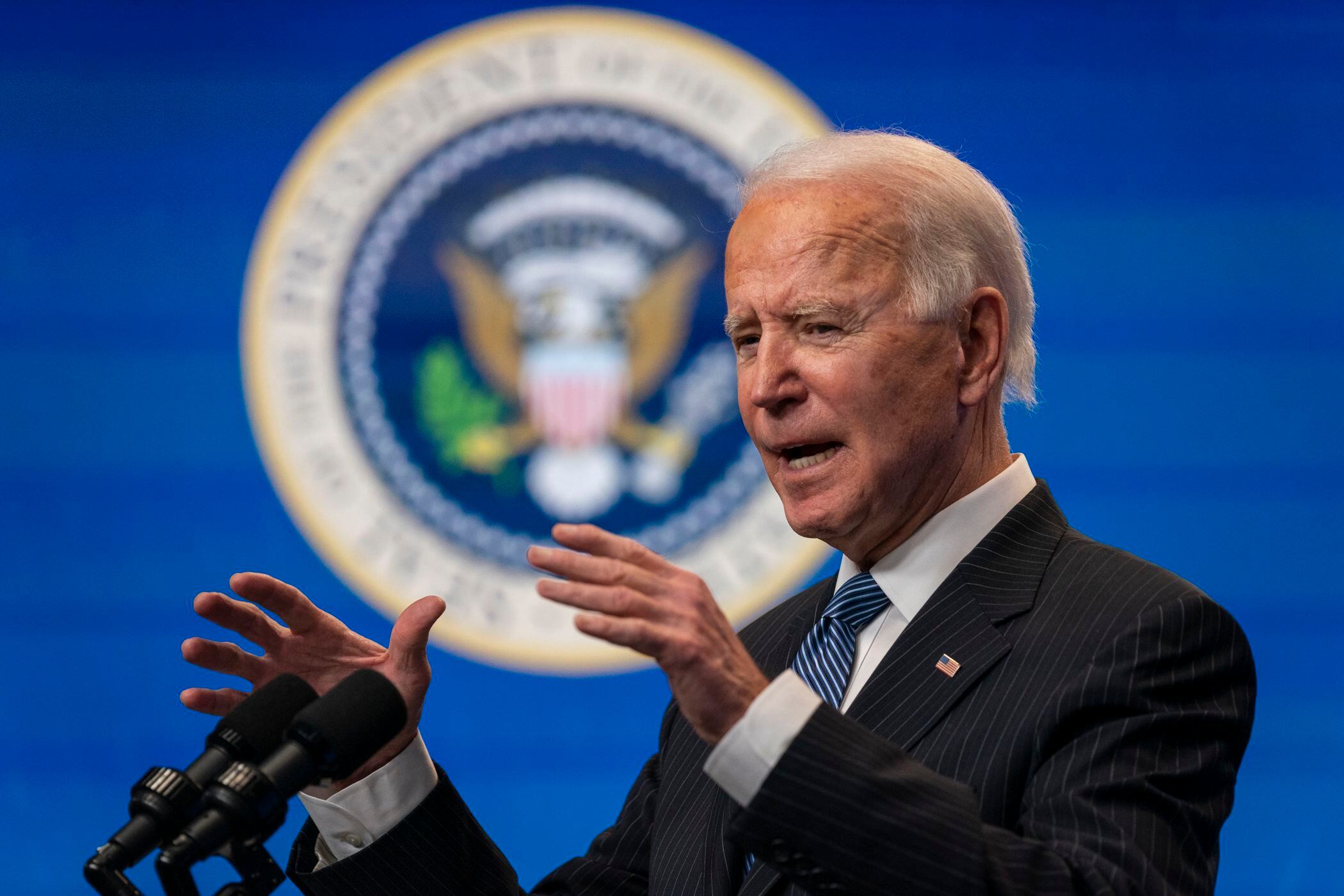
President Joe Biden on Tuesday will order on the Department of Justice to end its reliance on private prisons and acknowledge the central role the government has played in implementing discriminatory housing policies, White House officials say.
The moves come as Biden is set to sign a series of orders and memorandums Tuesday as the new administration says it will make combating racial injustice a central focus of his presidency.
“America has never lived up to its founding promise of equality for all, but we’ve never stopped trying," Biden tweeted on Tuesday morning. “Today, I’ll take action to advance racial equity and push us closer to that more perfect union we’ve always strived to be.”
Biden has spent the first days of his presidency issuing a barrage of executive orders and directives addressing the coronavirus pandemic and dismantling some of former President Donald Trump’s key initiatives. But under a carefully sketched-out plan revealed before his inauguration, aides said he would seek to turn the spotlight on equity during his first full week in office.
Beyond calling on the Justice Department to curb the use of private prisons, the new orders will recommit the federal government to respect tribal sovereignty and disavow discrimination against the Asian American and Pacific Islander community over the coronavirus pandemic.
White House domestic policy adviser Susan Rice said Biden will also direct the Department of Housing and Urban Development to take steps necessary to promote equitable housing policy.
“President Biden has made clear, advancing equity is everybody’s job,” Rice said.
The order to end the reliance on privately run prisons directs the attorney general not to renew Justice Department contracts with privately operated criminal detention facilities. The move will effectively revert the Justice Department to the same posture it held at the end of the Obama administration.
The order highlighting xenophobia against Asian Americans is in large part a reaction to what a senior administration official called “offensive and dangerous” rhetoric from the Trump administration that Biden believes need to be addressed. Trump, throughout the pandemic, repeatedly used xenophobic language in public comments when referring to the coronavirus.
This memorandum will direct Health and Human Services officials to consider issuing guidance describing best practices to advance cultural competency and sensitivity towards Asian Americans and Pacific Islanders in the federal government’s COVID-19 response. It also directs the Department of Justice to partner with AAPI communities to prevent hate crimes and harassment.
The latest executive actions come after Biden signed an order Monday reversing a Trump-era Pentagon policy that largely barred transgender people from serving in the military. Last week, he signed an order reversing Trump's ban on travelers from several predominantly Muslim and African countries.
Rice, in her comments to reporters, also made clear that Biden sees addressing equity issues as also good for the nation's bottom line. She cited a Citigroup study from last year that U.S. gross domestic product lost $16 trillion over the last 20 years as a result of discriminatory practices in a range of areas, including in education and access to business loans. The same study finds the U.S. economy would be boosted by $5 trillion over the next five years if it addressed issues of discrimination in areas such as education and access to business loans.
“Building a more equitable economy is essential if Americans are going to compete and thrive in the 21st century," Rice added.
Biden’s victory over Trump in several battleground states, including Georgia, Michigan, Pennsylvania, and Wisconsin, was fueled by strong black voter turnout.
Throughout his campaign and transition, Biden promised that his administration would keep issues of equity — as well as climate change, another issue he views as an existential crisis — in the shaping of all policy considerations.
Biden, who followed through on an early promise to pick a woman to serve as vice president, has also sought to spotlight the diversity of his Cabinet selections.
On Monday, the Senate confirmed Biden’s pick for treasury secretary, Janet Yellen, who will be the first woman to lead the department. Last week, the Senate confirmed Lloyd Austin as the nation’s first Black defense secretary.